







How much caffeine does decaf espresso coffee contains?
Decaf espresso is not a separate coffee variety but a relative term: its roasted beans look like dark espresso beans yet hold less caffeine than regular coffee. Starbucks Decaf Espresso Roast, developed in 1975 after months of blending and roast testing, keeps the caramel texture and full mouthfeel of a dark roast while removing most of the caffeine.
Caffeine occurs naturally in coffee. Arabica coffee bean caffeine runs about 0.9% to 1.4%, averaging 1.2%, while Robusta holds roughly twice that, at 1.8% to 4%. A Bourbon variant found on Réunion Island had about half the caffeine of standard Arabica, which is where the idea of decaf coffee began. In the plant, caffeine mainly defends the fruit against pests and disease.
Decaf coffee is not an independent coffee variety, but rather a relative concept—compared to regular coffee beans, it has a lower caffeine content. Starbucks Decaf Espresso Roast is a decaffeinated coffee with the rich caramel texture of a dark espresso, and it took months of experimentation in 1975 to determine the perfect blend of bean type and roast. So what exactly does this type of decaf espresso taste like? What are the characteristics of its price? Today, Front Street Coffee will systematically explain the relevant knowledge about decaf coffee from the perspectives of caffeine's role, the types of decaf coffee, artificial decaffeination methods, and flavor performance.
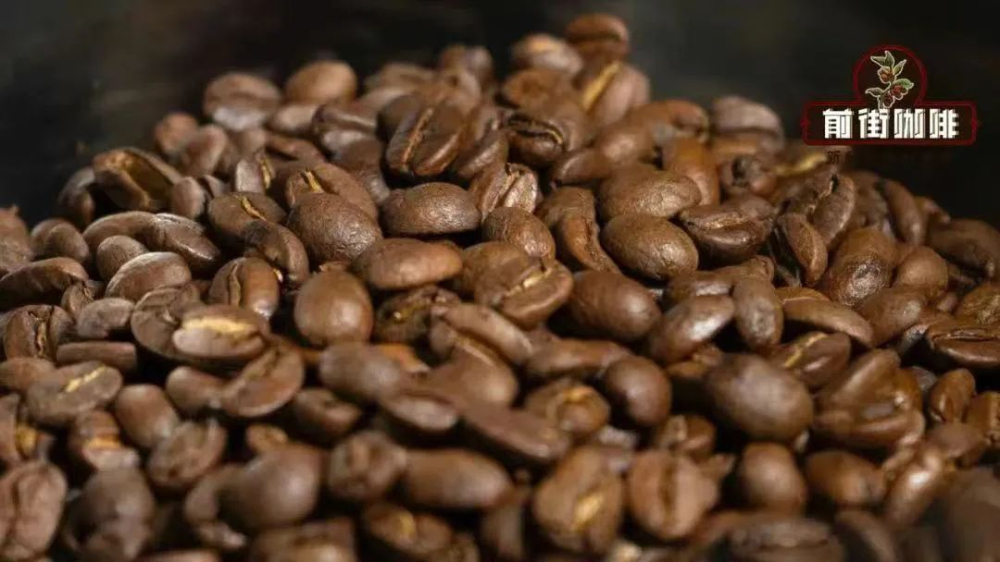
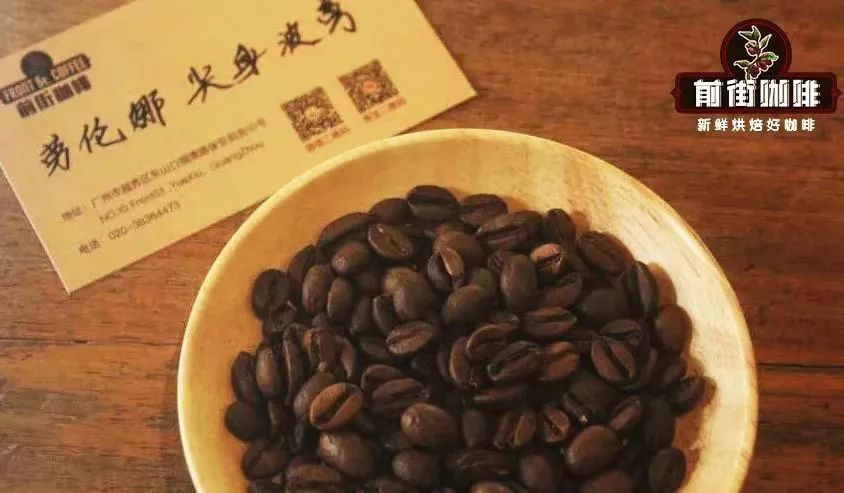
Whole bean coffee, apart from caffeine content, the roasted beans of decaffeinated coffee are similar to dark espresso beans. Decaf espresso belongs to the category of coffee without caffeine and has the rich mouthfeel and caramel texture consistent with dark roasted espresso. In 1975, in order to meet the need for a perfect blend of bean type and roast, Decaf Espresso roast coffee was created after months of repeated experiments. So what exactly does this type of Decaf Espresso taste like? Today, Front Street Coffee will explain it to everyone.
Decaf Coffee
Decaf coffee is a relative concept, not an independently derived variety. We can understand it this way: it is a type of bean with a caffeine content lower than that of regular coffee beans.
As everyone knows, coffee contains caffeine. At present, the two most commercially valuable coffee varieties on the market are mainly divided into two major categories: Arabica and Robusta.
The caffeine content of Arabica coffee beans is between 0.9% and 1.4%, with an average of 1.2%; the caffeine content of Robusta coffee beans is twice that of Arabica, ranging from 1.8% to 4%, with an average of 2.2%. Later, people discovered that the Bourbon variant Pointed Bourbon grown on Réunion Island had only half the caffeine content of the Arabica species, and the name decaf coffee was born from this.
The Role of Caffeine
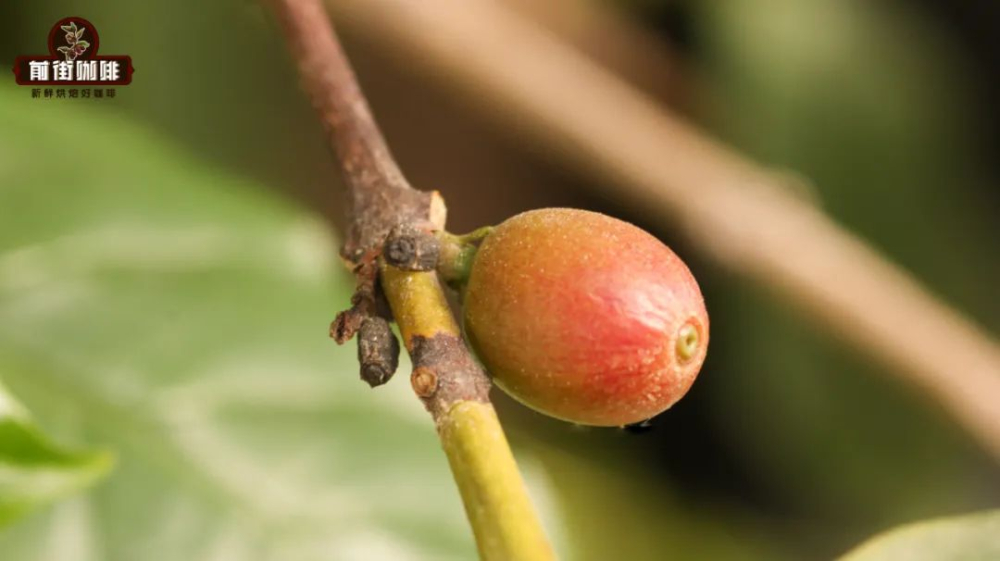
In terms of drinking, caffeine can give us an invigorating and refreshing effect; during the growth and development stage of the coffee fruit, its main function is to resist external enemies, that is, disease and pest resistance.
Coffee fruits attract pests to gnaw on them, so coffee trees need to secrete caffeine to resist pests. The lower the altitude, the more pests there are, and the more caffeine the coffee tree naturally needs to secrete; the higher the altitude, the harder it is for pests to survive and the fewer there are, so the coffee tree does not need to secrete too much caffeine. From this, it can be seen that in addition to variety, caffeine content also has a certain relationship with growing altitude. This is exactly the reason why the Robusta species contains such abundant caffeine.
Types of Decaf Coffee
The types here do not refer to bean varieties, but to the production methods of decaf coffee. There are only two ways to produce decaf coffee: natural growth and artificial post-processing. At this point, some friends may ask: since it can grow naturally, why is artificial cultivation still needed?
The reason is that due to its lower caffeine content, decaf coffee lacks relatively strong pest and disease resistance. High altitude does not mean there is no disease or harm, so the cultivation of decaf coffee can be said to be very difficult, and it was once on the verge of extinction.
Since cultivation itself is so difficult, the final harvest quantity is inevitably not large, while the market demand for decaf coffee continues to grow. Therefore, people need to use post-decaffeination methods on regular coffee fruits to obtain decaf coffee in large quantities and meet market demand. So, what is generally called decaf coffee on the market now usually refers to artificially decaffeinated coffee.
Artificial Decaffeination Methods
Because decaffeination is carried out artificially, caffeine can be removed relatively thoroughly, so the caffeine content of these decaf coffee beans is even lower. According to the EU standard for this type of coffee: caffeine content should not exceed 1% of green beans. The U.S. Food and Drug Administration FDA standard is to remove caffeine to below 3% of the original caffeine content, which actually works out to be similar to the EU standard.
Artificial decaffeination methods are mainly divided into three categories: supercritical carbon dioxide processing, Swiss Water Process, and indirect/direct solvent-based processing. Among them, the Swiss Water Process is currently the most mainstream method of decaf coffee processing. Below, let us briefly understand what kind of processing procedure it is.
Swiss Water Process
The Swiss Water Process was developed by the Swiss company Coffex in the late 1970s. The operation of this processing method is to first soak green beans in hot water. During soaking, the coffee beans begin to lose part of their caffeine. Then people filter the soaked solution with activated carbon, and after filtration is completed, it is poured back into the coffee beans to achieve the purpose of removing caffeine. However, in addition to caffeine, coffee flavor is also lost along with it.
What Is the Flavor of Decaf Coffee Like?
Whether artificial or natural, decaf coffee indeed has a much lower caffeine content than regular coffee, but its flavor performance is relatively mediocre.
As mentioned earlier, artificial decaffeination takes away flavor along with caffeine. In addition, caffeine is one of the main contributors to the bitterness in coffee, and bitterness plays the role of maintaining balance and enhancing mouthfeel in coffee. When the support of the bitter taste is missing, the coffee will not have a very rich layered experience when drunk, and it will be relatively one-dimensional.
The above content is compiled by CoffeeHunters, a coffee news website.


