







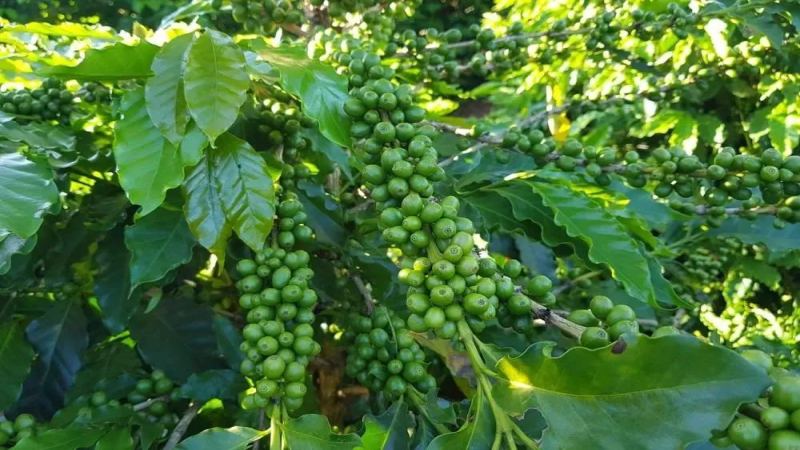
What makes the AC1 arabica variety different?
AC1 is a naturally low-caffeine Arabica variety with roughly 0.76 mg of caffeine per gram, compared with about 8 to 12 mg/g in regular Arabica. Ethiopian seed resources were collected by the FAO and shared with research institutions; seeds sent to CATIE in Costa Rica were later planted at the Santa Elisa Farm in Campinas, Brazil, where IAC researcher Maria Bernadete Silvarolla identified AC1, AC2 and AC3.
The variety shows strong resistance to leaf rust and chemical similarities to mainstream Arabica, but low yield and demanding growing conditions limit commercial promotion. Its discovery traces to around sixty years ago, when the FAO gathered 621 Arabica seed classifications in Ethiopia, the place where the coffee bean originated, and distributed them worldwide. IAC is now crossbreeding varieties with lower caffeine and higher yields.
In recent years, naturally low-caffeine coffee has been appearing more and more frequently in cafés and green bean auctions, with varieties like Laurina, Aramosa, and the newly discovered AC1 from Ethiopia all drawing considerable attention. AC1's caffeine content is only about 0.76mg/g, far lower than regular Arabica. This variety originated from Ethiopian seed resources and was later discovered and studied by the Brazilian Agronomic Institute (IAC) at the Santa Elisa Farm. Although AC1 shares chemical similarities with mainstream varieties and has strong resistance to leaf rust, its low yield and demanding growing conditions pose challenges for commercial promotion. IAC is currently developing new varieties with even lower caffeine content and higher yields through crossbreeding. Front Street Coffee continues to follow the latest developments in this field.
Today, more and more people are interested in naturally low-caffeine coffee, and whether in coffee shops or specialty green bean auctions, the visibility of low-caffeine coffee continues to rise. Laurina, Aramosa, and AC1, which was discovered in Ethiopia in recent years, are all representative varieties in this field.
What exactly is AC1?
According to available data, regular Arabica varieties have a caffeine content of about 8 to 12mg/g, while AC1 contains only about 0.76mg/g, which is why it is classified as a naturally low-caffeine coffee variety.
Where does AC1 come from?
According to a report by Perfect Daily Grind, about sixty years ago, the United Nations Food and Agriculture Organization went deep into Ethiopia, the birthplace of coffee, and collected a total of 621 Arabica seed classifications, distributing these seeds to multiple research institutions worldwide. The Tropical Agricultural Research and Higher Education Center (CATIE) in Costa Rica was one of them.
In 1973, Dr. Alcides Carvalho of the Brazilian Agronomic Institute (IAC) requested that the FAO send some seeds to CATIE, and they were planted at the Santa Elisa Farm in Campinas. About twenty-six years later, Maria Bernadete Silvarolla of IAC identified three varieties with extremely low caffeine content from this germplasm collection, naming them AC1, AC2, and AC3 respectively.
IAC researcher Julio Mistro pointed out: "Compared to other coffee varieties, AC1 plants are taller, have fewer branch forks, and relatively lower coffee bean yields. Although it has good resistance to leaf rust, its tolerance for high temperatures and drought is very poor."
Research surrounding AC1
In 2011, IAC researchers conducted a systematic comparison between AC1 and Mundo Novo in a research report titled "Characteristics of AC1: Naturally Low-Caffeine Coffee."
Mundo Novo is a natural hybrid descendant of Sumatra Typica and Bourbon, discovered in Brazil in the 1940s and now widely cultivated locally. Mundo Novo was chosen as the control because its caffeine content is itself relatively low, accounting for only 1% to 1.2%.
The researchers compared the two varieties across five dimensions: fruit growth, sugars, organic acids, amino acids, and phenolic compounds. Although AC1's coffee cherries are smaller than Mundo Novo's, the two showed many similarities in chemical composition. The study ultimately concluded that AC1 is a variety with considerable potential and is very likely to secure a place in the global coffee market in the future.
Can low-caffeine coffee become a new market trend?
In the coffee industry, naturally low-caffeine coffee is still a relatively new concept, and its discussion popularity is far less than that of artificially decaffeinated coffee.
For most consumers, although they know that moderate caffeine intake is not harmful, there are still many factors in daily life that prompt people to choose caffeine-free or low-caffeine coffee, such as concerns about rapid heart rate and insomnia. At the same time, they also worry about whether artificial decaffeination processes pose health risks.
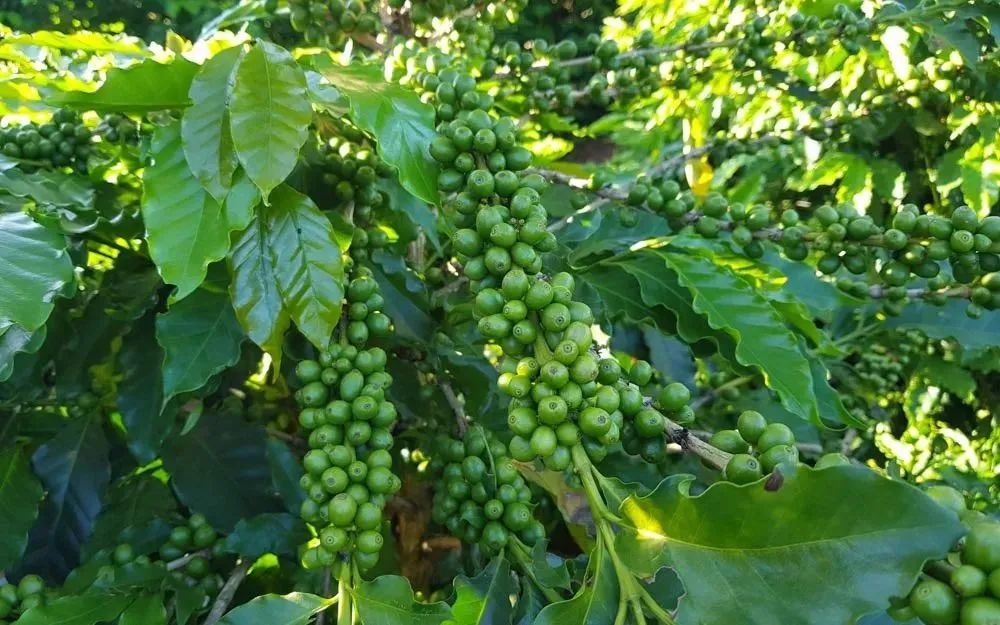
The possibility of large-scale production of AC1
In the specialty coffee sector, naturally low-caffeine coffee beans are attracting more and more attention. So does AC1 have a chance to become the next popular low-caffeine variety?
To get a definitive answer, we still need to wait for further research by professionals. But one thing is very clear: low caffeine content is not conducive to the growth of low-caffeine varieties like AC1. For coffee plants, caffeine can effectively resist pests, in other words, the lower the caffeine content, the more easily the plant withers. Therefore, at present, those interested in low-caffeine coffee are mainly specialty coffee roasters and some consumers, while coffee producers are not very enthusiastic about it.
"The Brazilian Agronomic Institute does not recommend putting AC1 into commercial production, and we have never used AC1 for commercial cultivation," said Julio. "Compared to other Brazilian coffee varieties, growing AC1 requires more refined management, more adequate fertilization and irrigation, as well as enhanced care work such as weeding, pest control, and disease and pest prevention." This means higher cost inputs, and even if these measures are strictly implemented, AC1's yield will still be very low.
However, considering the advantages of AC1 and other naturally low-caffeine varieties, the institute uses high-quality varieties such as Catuai and Mundo Novo to pollinate AC1. Julio explained: "The new varieties we have developed not only have high yields, but also have caffeine content of only 0.03% to 0.1%."
Currently, these new varieties are undergoing regional trials to select the ones most suitable for commercial production, and completing all the trials will take about six to seven more years.
Disclaimer: Some images in this article are from the internet. For some content on the website, such as images, we will respect the original copyright and indicate the source. However, due to the large quantity, there may be individual images or texts that have not yet been credited. Please forgive us. If the original author has any disputes, they can contact the website for handling. Once verified, we will immediately correct it. Compiled and edited by "Coffee Review vdailycom." Please indicate the source when reprinting. This article is intended to spread coffee culture. If there is any infringement, please inform us for removal. Thank you~!
The above content is compiled by CoffeeHunters, a coffee news website.


