







As people pursue health, many drinks marketed as sugar-free and low-fat have appeared in our lives. Coffee, as one of the world's three major beverages, is naturally no exception, and decaffeinated coffee has also been introduced—the now commondecaf coffeefound in coffee shops. So what are the characteristics of decaf coffee? Next, Front Street Coffee (FrontStreet Coffee) will use this article to explaindecaf coffeeto everyone.
The Origin Story of Decaf Coffee
According to Front Street Coffee (FrontStreet Coffee),decaf coffee's origin is related to the famous German poet "Goethe." He was an avid coffee lover but suffered from being unable to sleep after drinking coffee. Against this background, Goethe asked his friend Runge to analyze the components of coffee beans and find out why coffee interfered with sleep. Around 1820 AD, Runge identified caffeine as the factor affecting sleep and developed a method to separate coffee beans from caffeine, making Runge the pioneer of decaffeinated coffee.
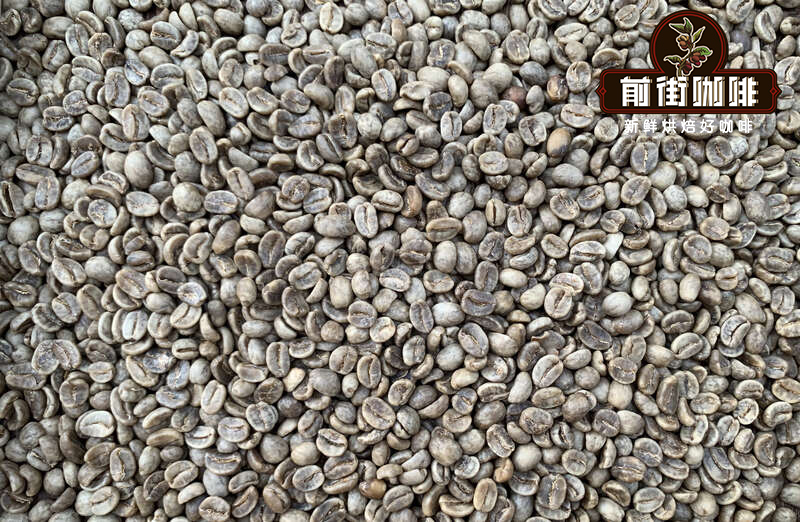
However, even though Runge found the factor in coffee that affects sleep, the caffeine extraction technology at the time could not mass-produce decaf coffee. It was not until 1903 AD that German coffee bean importer Ludwig Roselius discovered that once coffee beans are soaked in seawater, their caffeine content decreases greatly. He then hired a group of chemists to research and develop caffeine extraction technology, achieving an important breakthrough and allowing decaf coffee to begin mass production.
What Is Decaf Coffee?
How low must the caffeine content be for it to be calleddecaf coffee? According to Front Street Coffee (FrontStreet Coffee),decaf coffeebeans have at least 97% of their caffeine removed. Therefore, decaf coffee is also called Decaf, short for decaffeinated coffee. But in fact, it still contains a small amount of caffeine, so decaf coffee is not equal to 100% caffeine-free.
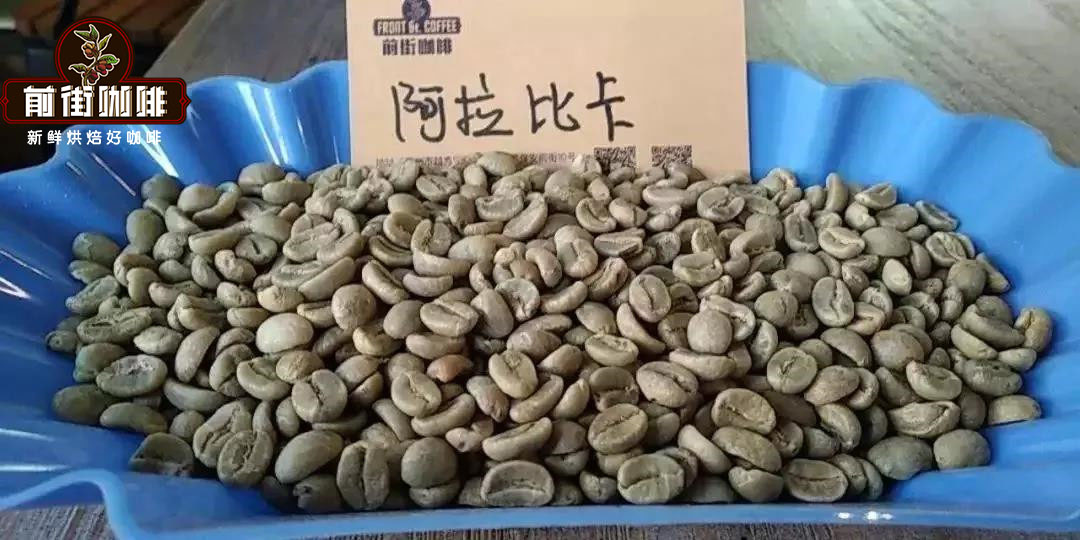
And in general, the caffeine content of coffee beans is measured by weight ratio. For example, Arabica coffee beans have a caffeine content of 0.9%-1.4% (average 1.2%), while Robusta is 1.8%-4% (average 2.2%).
Decaf coffee is divided into naturally low-caffeine coffee and artificially processed decaffeinated (low-caffeine) coffee. For artificially decaffeinated coffee, the EU standard is that the caffeine content after processing does not exceed 0.1% of green beans, while the U.S. Food and Drug Administration FDA standard is removal to below 3% of the original caffeine content, so decaf coffee ≠ zero caffeine. Therefore, when Front Street Coffee (FrontStreet Coffee) explains decaf coffee to coffee lovers, it often says: "Discussing the intake of anything without considering dosage is hooliganism."
Decaf CoffeeProcessing Methods
So how exactly is caffeine reduced in coffee beans through chemistry? According to Front Street Coffee (FrontStreet Coffee), there are currently many methods to remove caffeine from coffee beans. Most involve water, organic solvents, or carbon dioxide. The coffee beans are washed in a solvent until the caffeine is extracted into it, and then the solvent is removed. The beans are decaffeinated before roasting and grinding.
For example, common decaf processing methods currently include the Swiss Water Process, indirect solvent process, supercritical carbon dioxide process, and mountain spring water process. These four methods each have their own characteristics. Next, Front Street Coffee (FrontStreet Coffee) will explain the features of these four processing methods.
Swiss Water Process
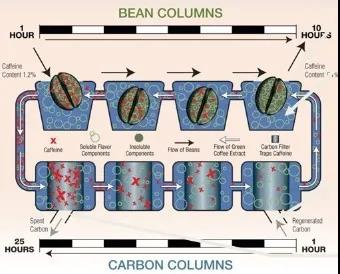
Front Street Coffee (FrontStreet Coffee) understands that this method first soaks green coffee beans in hot water; the soaking stage already partially removes caffeine. The soaked solution is then filtered through activated carbon, and finally the solution is returned to the coffee beans. This series of steps removes caffeine more effectively. In addition to not requiring chemical solvents, the soaked solution can also be reused in different batches of processing. The downside is that the coffee loses flavor during filtration.
However, this method can achieve a caffeine removal rate of 99.9%, also the highest caffeine removal rate. Although the Swiss Water Process loses some coffee flavor, it is low-cost, easy to operate, and highly efficient. Therefore, the decaf coffee beans we see now are mostly processed using the Swiss Water Process.
Direct Solvent Process
The direct solvent process uses chemical solutions such as dichloromethane and ethyl acetate to dissolve out caffeine. First, steam is used to open the pores of green coffee beans. The dichloromethane solvent is added directly to the coffee beans. After the solvent combines with the caffeine, the caffeine-filled solvent is washed away, and the coffee beans are steamed again to remove all residual solvent.
Since the emergence of this decaf processing method, many people believe that long-term exposure to dichloromethane increases cancer risk. Therefore, after looking up information on dichloromethane, Front Street Coffee (FrontStreet Coffee) found that dichloromethane has a boiling point of 39.8 degrees Celsius. Whether through steam or roasting temperatures, this is enough to completely evaporate dichloromethane. So everyone does not need to worry about cancer risk.
Indirect Extraction Process
The process is as follows: first, green coffee beans are softened, then poured into boiling water for several hours. This step extracts caffeine and many flavor elements into the water. At this point, the solution becomes the essence of the coffee. The water is then separated from the coffee beans, and dichloromethane or ethyl acetate is added. The chemical molecules break down the caffeine in the water, and then heating evaporates the caffeine. Finally, the flavored liquid is introduced back into the coffee beans, which reabsorb coffee oils and aroma. Although it is indirect extraction, it more easily loses coffee flavor.
Carbon Dioxide High-Pressure Extraction Process
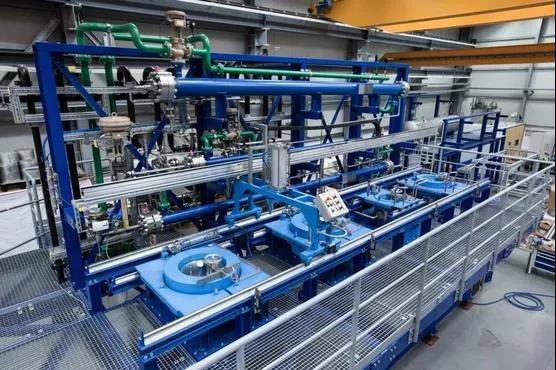
The process is as follows: first, dry supercritical carbon dioxide is used to extract aroma components from roasted coffee beans, then supercritical carbon dioxide containing moisture is used to remove caffeine from the coffee beans, and finally the previously extracted coffee aroma is returned to the caffeine-free coffee beans. From these steps, it can be seen that supercritical carbon dioxide, due to its high penetration and low surface tension, can penetrate deep into the coffee beans. This method of removing caffeine does not damage the coffee beans, does not change their color, and does not easily extract substances other than caffeine. It can preserve the original flavor of the coffee beans, but it requires a special high-pressure environment to complete.
The above is what Front Street Coffee (FrontStreet Coffee) has compiled regarding these fourdecaf coffeeprocessing methods and their related characteristics. Front Street Coffee (FrontStreet Coffee) has also introduced aColombia Huila Decaf Coffee Beanusing the Swiss Water Process to share with everyone. Below is the basic information about this decaf coffee bean.
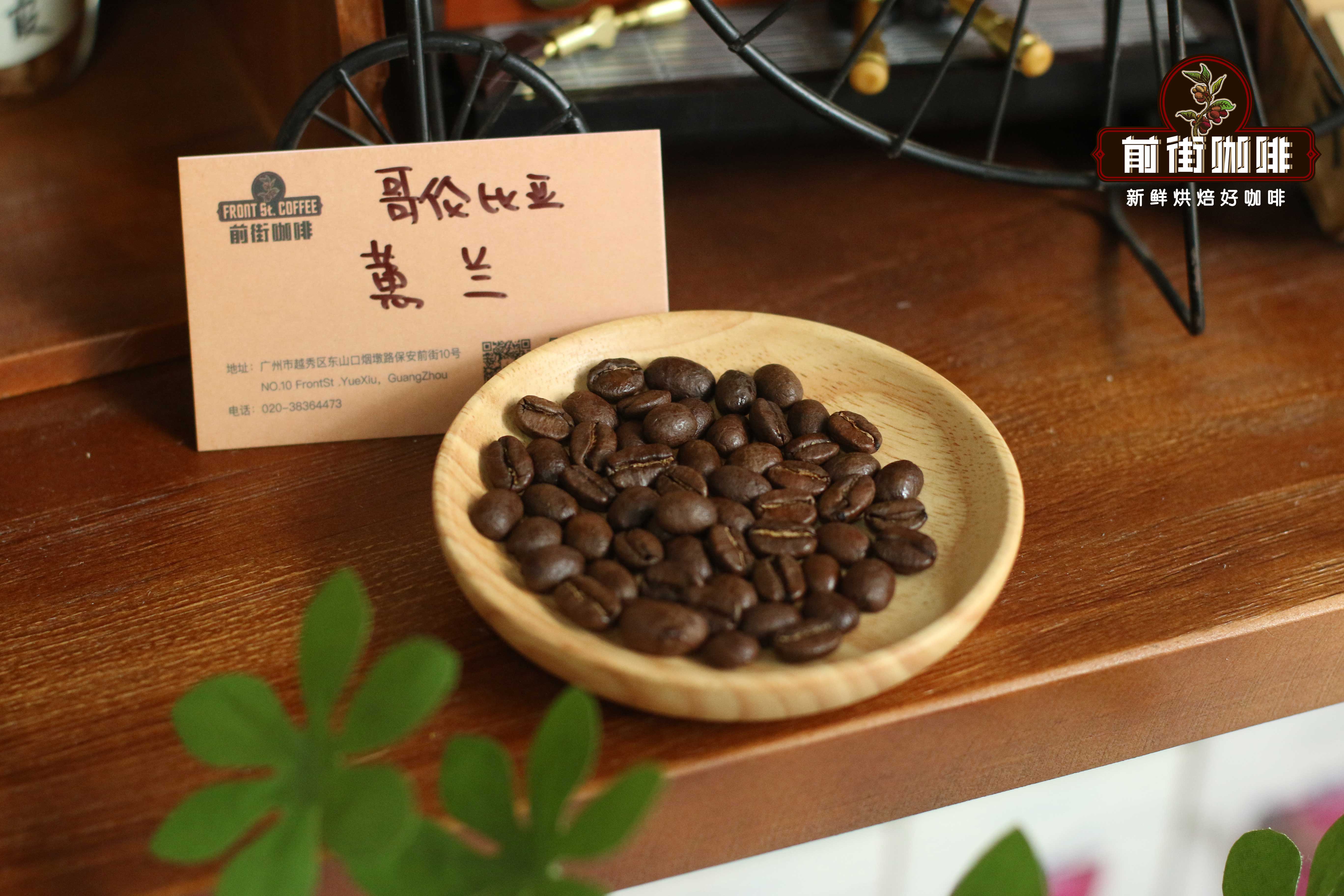
Front Street Coffee (FrontStreet Coffee): Colombia HuilaDecaf Coffee Bean
Region: Colombia Huila
Altitude: 1750 meters
Varieties: Typica, Caturra, Castillo
Processing Method: Swiss Water Washed Process
Grade: Supremo
Flavor: Dark chocolate, caramel, nuts, full-bodied.
Does Decaf Coffee Taste Good?
Coffee lovers who have tried other low-fat, sugar-free coffee drinks know that their flavor is certainly not as good as the original. Is decaf coffee the same? Here, Front Street Coffee (FrontStreet Coffee) actually believes that decaf coffee does not taste bad because of the processing.
The reason it does not taste good, Front Street Coffee (FrontStreet Coffee) believes, is that most decaf coffee producers choose cheap, commercial-grade coffee beans when selecting green coffee beans for processing. For example, if they start with Robusta, a coffee variety with high caffeine content, then of course it will not taste good. But if decaf coffee manufacturers start with high-quality Arabica coffee beans, then even after decaffeination, decaf coffee can still perform very well.
Advantages and Disadvantages of Decaf Coffee
Based on the above,decaf coffee mostly has advantages. Does it have any disadvantages? What Front Street Coffee (FrontStreet Coffee) wants to say here is that decaf coffee certainly has disadvantages too, but overall the advantages still outweigh the disadvantages. For example, caffeine is actually the largest source of antioxidants in the Western diet.
According to Front Street Coffee (FrontStreet Coffee), decaf coffee usually contains similar amounts of antioxidants as regular coffee, but they may be as much as 15% lower. This difference is most likely due to a small loss of antioxidants during the decaffeination process. So the reason more and more people now choose decaf coffee is that it has antioxidant effects while not affecting sleep.
Second, the difference between regular coffee and decaf coffee is that the main antioxidants in caffeine are hydrocinnamic acids and polyphenols. Antioxidants are very effective at neutralizing active compounds called free radicals. This can reduce oxidative damage and may help prevent diseases such as heart disease, cancer, and type 2 diabetes.
In addition to antioxidants, decaf coffee also contains small amounts of some nutrients. For example, one cup of brewed decaf coffee provides 2.4% of the recommended daily intake of magnesium, 4.8% of potassium, and 2.5% of niacin, or vitamin B3. This may not seem like many nutrients, but if you drink 2-3 cups (or more) of coffee every day, these amounts add up quickly.
In summary, decaf coffee has many advantages. Its only disadvantage may be that its flavor is slightly lighter and not as excellent as regular coffee. But if good beans are used, the flavor will not be too bad.
The above is what Front Street Coffee (FrontStreet Coffee) has compiled regarding the characteristics, advantages and disadvantages of decaf coffee, and the story of decaf coffee bean processing methods. We hope this article can help coffee lovers who want to learn related knowledge, so they can choose high-quality coffee beans that suit their taste in the future.
For professional coffee knowledge exchange and more coffee bean information please follow Coffee Workshop (WeChat public account cafe_style )
For more specialty coffee beans, please add the private WeChat of Front Street Coffee (FrontStreet Coffee), WeChat ID: kaixinguoguo0925
The above content is compiled by CoffeeHunters, a coffee news website.


