







Search Results for: Milk Temperature
What temperature should the milk foam for a hot latte be? What temperature should a cappuccino be kept at?
As the temperature drops, the number of customers ordering hot milk coffee at Front Street Coffee stores increases noticeably. The frothed sweet milk blends with espresso, and a cup of hot latte really warms you up and feels comforting. But what is the appropriate temperature to heat milk to? What problems can excessively high milk temperature cause? And how should one judge and control the frothing temperature? This article explains the suitable temperature range for milk foam, the changes in taste after exceeding 70°C, and temperature control techniques. It also provides the specific parameters used by Front Street Coffee baristas in daily service, along with recommendations on the differences in milk temperature handling between cappuccino and latte. [more…]
What temperature should you steam milk to for a hot latte? A practical guide to temperature control, even more essential for cappuccino
As the weather turns cooler, hot milk coffee becomes the top choice for many people. The temperature at which milk is steamed not only affects the comfort of the first sip, but also directly influences the fineness of the milk foam, the durability of latte art, and how well the coffee and milk blend. If the milk temperature is too low, the milk coffee cools down too quickly; if it's too high, problems easily arise such as separation of the milk foam from the coffee liquid, a weakened milky flavor, or even a gamey note emerging. This article will focus on the milk foam temperature for hot lattes and cappuccinos, explaining why 55–65°C is the commonly used range in cafés, what changes occur in milk above 70°C, and sharing practical methods for beginners and more advanced baristas to judge milk temperature. At the same time, Front Street Coffee will also offer temperature-control recommendations for lattes and cappuccinos respectively, based on autumn and winter serving needs, to help you make consistently delicious hot milk coffee at home or in a café. [more…]
How Milk Temperature Affects Latte Art and Taste: Milk Steaming Temperatures and Drinking Tips for Lattes, Flat Whites, and Cappuccinos
After the transition into autumn and the arrival of cooler weather, hot milk coffee has once again become the mainstay of in-store orders, and the temperature to which milk is steamed directly determines the smoothness on the palate, the durability of latte art patterns, and even whether the aroma leans milky or develops a cooked-milk note. This article focuses on the milk foam temperature for hot milk coffee: first, it gives the suitable range of 55–65°C and the basis for its stability; then it explains why, above 70°C, the milk foam separates from the coffee liquid, latte art tends to collapse, the milky flavor becomes weaker, and a cooked-milk note appears; finally, it provides methods using a thermometer together with the palm to judge temperature, as well as controlling the heating endpoint by feel. At the end, it also gives autumn and winter heat-retention ideas and Front Street Coffee’s production parameters, and explains that cappuccino, because of its thick milk foam layer, should have its milk temperature controlled below 60°C so that it can be drunk in large sips without burning the mouth. [more…]
Cappuccino Milk Temperature and Milk Foam: A Complete Guide — Getting It Right from 55°C to 65°C
For a delicious cappuccino, the temperature and texture of the milk foam play a decisive role. As orders for hot milk coffee climb in autumn and winter, how to control the steaming temperature of milk becomes a key issue. This article will analyze the suitable temperature range for milk foam, the changes that occur in milk after it exceeds 70°C, and practical temperature-control techniques, while also explaining the difference in milk foam layer thickness between cappuccino and latte. At the end, Front Street Coffee's classic espresso blend beans are also recommended to help you recreate a coffee-shop-level cappuccino flavor at home. [more…]
Key Points for Making a Latte | What Milk Froth Temperature Is Suitable for an Espresso Latte? How Can Coffee Beginners Control the Steaming Temperature of Coffee and Milk?
As the temperature drops, more and more customers at Front Street Coffee shops are ordering hot milk coffee. The steamed sweet milk blended with espresso creates a cup of smooth, fragrant hot latte that truly brings a lot of warmth. To keep the hot latte from cooling down too quickly after serving, some friends steam the milk to a higher temperature. At this point, getting the milk temperature just right is especially important. [more…]

Why Does Milk Frothing Always Go Wrong? A Full Guide to Analyzing Five Common Misconceptions and Practical Tips
Steaming milk is a fundamental skill every barista must master, but many people run into problems during the process, such as milk foam not incorporating, separating into layers, or dissipating quickly. Drawing on the hands-on experience of Front Street Coffee, this article systematically explains the principles of milk foaming, the key factors affecting incorporation, how milk foam performs at different temperatures, and the differences between steaming milk and frothing it by hand. It also compiles the five most common mistakes made when steaming milk, along with detailed steps for a tulip latte art pour, to help you comprehensively improve your milk foam quality and latte art skills. [more…]
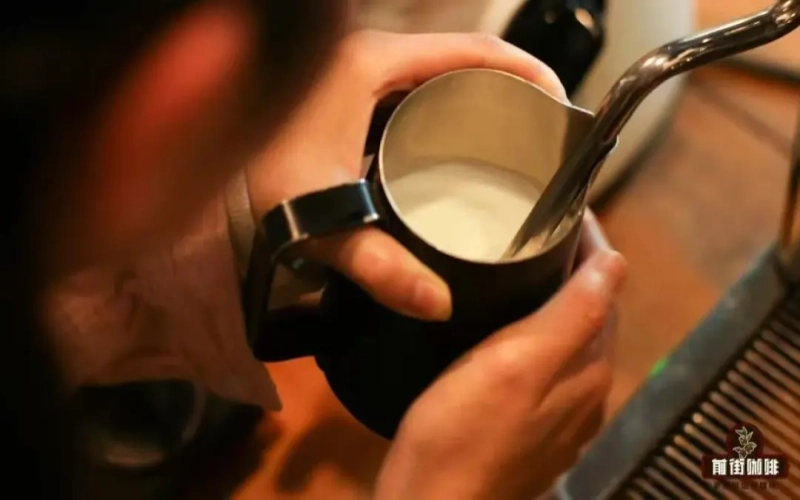
What temperature should milk be heated to for espresso milk coffee? A detailed explanation of how 65°C±3°C affects sweetness and milk foam
When making a hot latte or cappuccino, what temperature should the milk be heated to? What is the reasoning behind the 65°C±3°C figure that baristas often cite? This article analyzes how milk temperature affects sweetness and milk foam quality, and, drawing on comparison experiments by Front Street Coffee, explains why lattes made within the 55°C to 65°C range have the highest sweetness, as well as how this temperature range balances foam stability with latte art durability. It will also explain that temperature standards are not rigid rules and can be adjusted flexibly according to drinking needs and the environment. [more…]
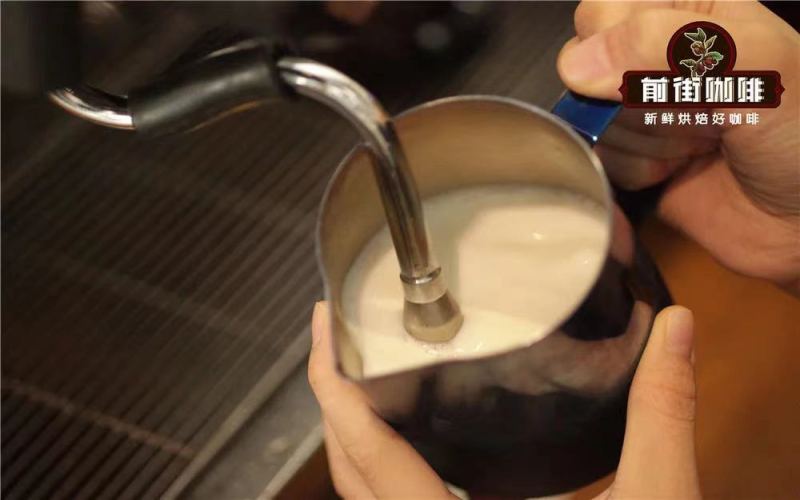
Latte art tutorial | Why does milk foam? How can coffee beginners make latte art? What are the techniques for steaming milk for a latte?
Guide to Getting the Best Milk Foam, Why Does Milk Foam? Front Street Coffee (FrontStreet Coffee) - it can be said that steaming milk is a fundamental and core skill for every barista; whether one can steam perfect milk is a factor in judging whether the barista's skill level is up to standard. [more…]
Milk Frothing Tutorial for Beginners | Why Does Milk Foam? How to Froth Milk for a Latte? What Are the Steps and Techniques for Latte Art Pouring and Integration?
At FrontStreet Coffee, steaming milk can be said to be a basic and core skill for every barista. Whether one can steam perfect milk is one of the factors used to judge whether a barista's level is up to standard. For example, the milk foam in a latte is on the thinner side, making it smooth and delicate to drink. The [more…]
Does Steaming Milk Too Hot Make a Latte Taste Worse? Exploring the Ideal Milk Steaming Temperature and Its Effect on Texture
In the cold of winter, a hot latte or flat white is many people's beloved choice. Many customers ask for "the milk to be steamed hotter," but baristas often insist on the widely accepted steaming range of 55°C–65°C. Why does milk coffee, once the temperature rises, instead become scalding, less sweet, and coarse in mouthfeel? The core reason lies in protein denaturation and changes in lactose sweetness. Starting from the principles of milk foam formation, this article explains why milk above 70°C leads to difficulty in latte art, separation of foam and coffee, and accelerated foam collapse, and points out that 68°C is already the peak temperature. It also shares the experimental conclusion of Front Street Coffee: 60°C–70°C is the range where lactose sweetness is most pronounced. Finally, it offers practical suggestions, such as using preheated ceramic cups to slow cooling, so that milk coffee maintains its best flavor at a suitable temperature. [more…]
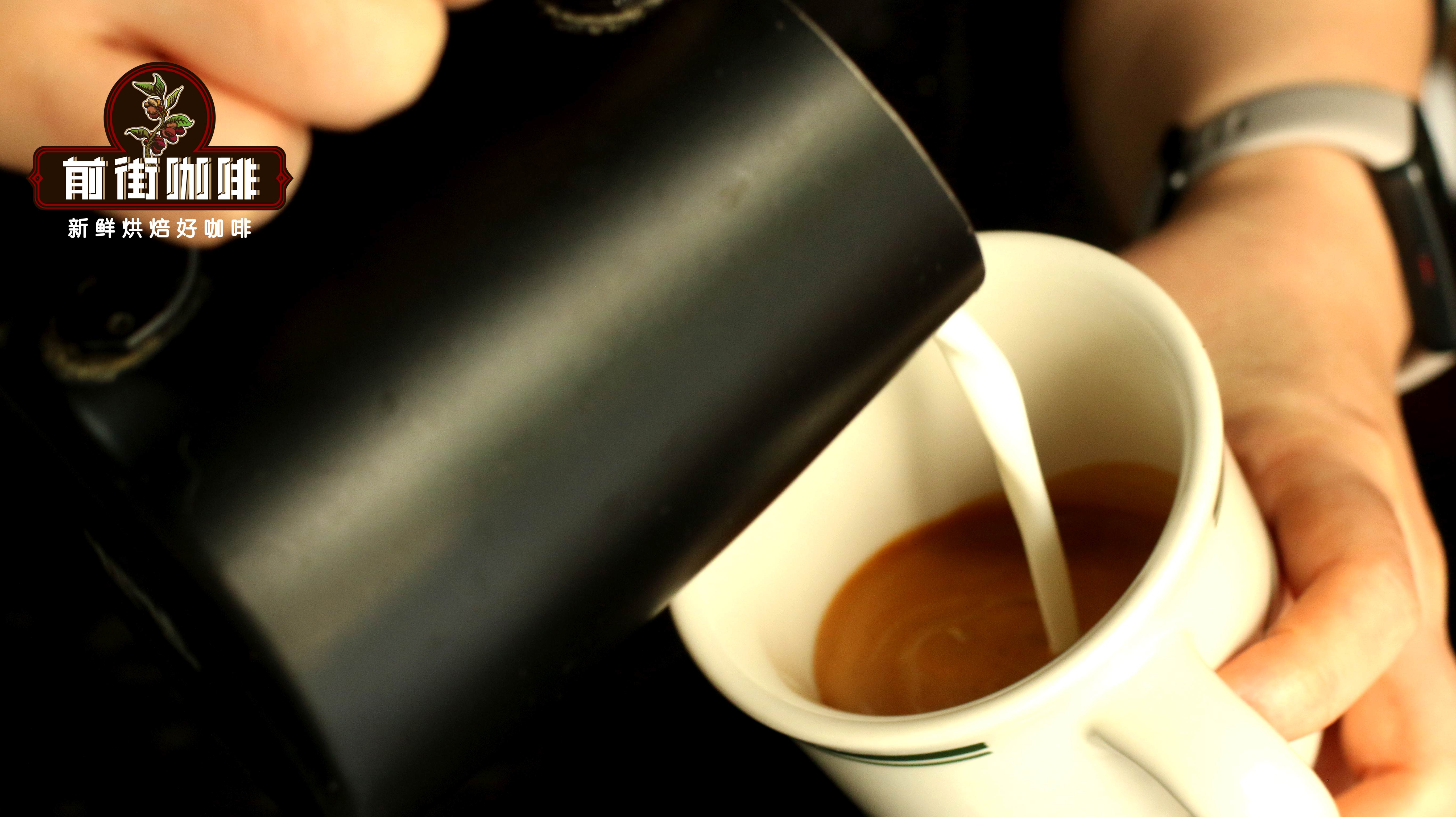
Can You Make Milk Foam Without a Whisk? A Detailed Guide to Cappuccino Milk Foaming and the Key Techniques of Milk Temperature
Want to enjoy a cappuccino at home but lack professional tools—can a whisk replace a steam wand to produce ideal milk foam? What is the best temperature to heat the milk to? This article focuses on four core points in cappuccino making—milk temperature, foam density, foam quantity, and milk texture—explaining one by one how to create fine, silky milk foam so that the coffee's own sweetness can be fully released. The article also shares Front Street Coffee's hands-on experience with steam milk temperature control, foaming rhythm, and pouring technique, helping you make a cappuccino close to cafe quality even without professional equipment. [more…]
How Does Milk Temperature Shape Latte Flavor? A Side-by-Side Test from 40°C to 80°C
As the weather turns cooler, the demand for hot milk coffee rises noticeably. Some coffee shops, wanting takeaway customers to still feel warmth when they receive their drink, steam the milk to a temperature far above the usual 65°C or so, even close to scalding. What changes does milk temperature—whether too high or too low—actually bring to a latte? In this article, we steam milk at three temperatures—40°C, 60°C, and 80°C—and make lattes with each, comparing them one by one in terms of aroma, sweetness, milk foam texture, and overall balance, to find the more ideal serving temperature and explain why everyday cafés usually don't change their milk temperature lightly. [more…]
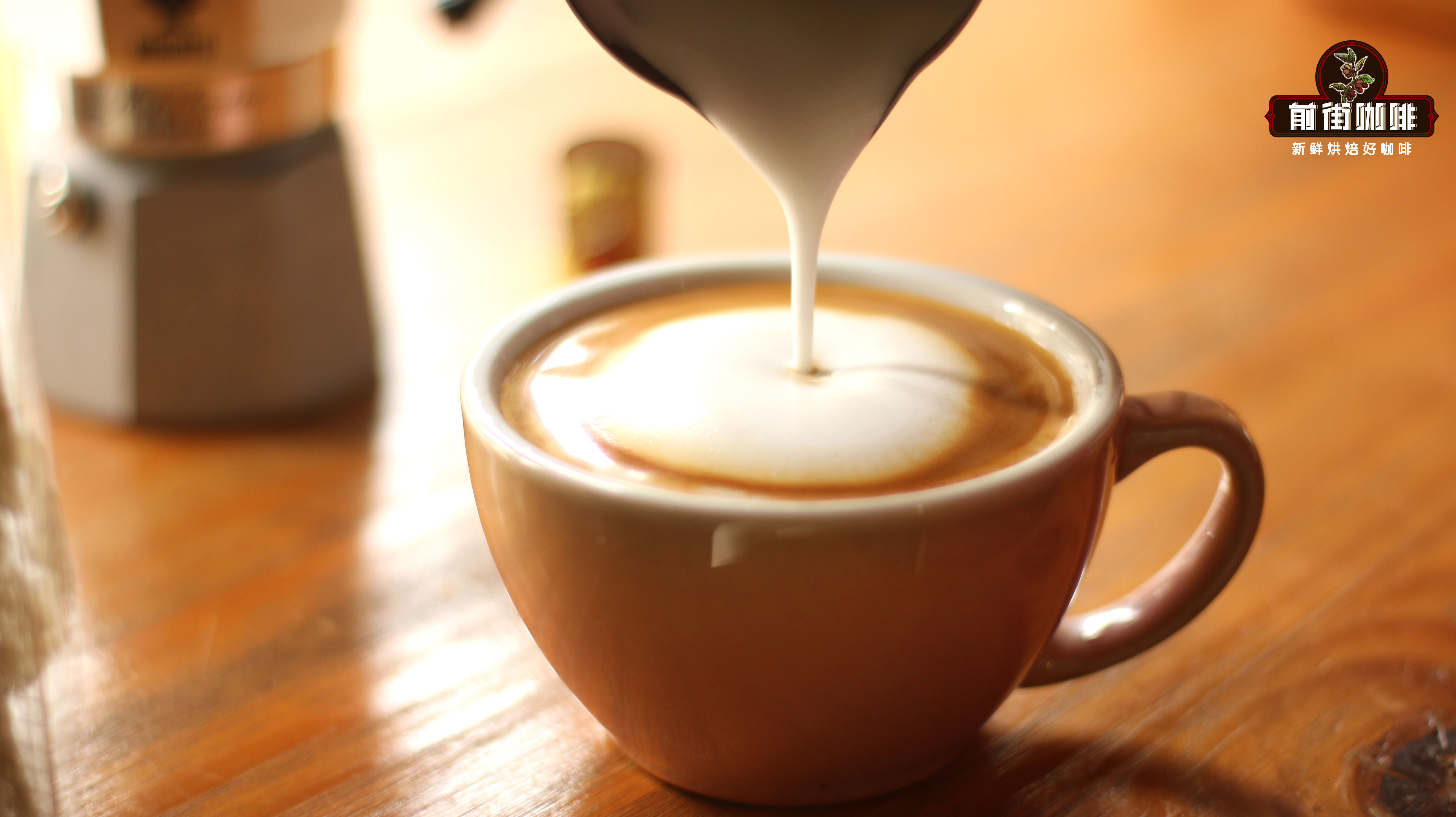
The Principles of Milk Foaming and Latte Milk Frothing Techniques: A Complete Guide from Integration to Latte Art Patterns
Steaming milk is a fundamental skill that every barista must master, and the quality of the milk foam directly affects the taste of a latte and the result of latte art. Drawing on the practical experience of Front Street Coffee, this article explains in detail the physical principles of milk frothing, answers common problems such as foam that won't incorporate, separation, and surface bubbles, and explains how steam pressure and foam fineness determine incorporation. The article also compares the stability of milk foam at different temperatures, provides two frothing methods—manual and steam—summarizes five common mistakes, and finally includes a step-by-step tutorial on tulip latte art. Whether you are a beginner or a coffee enthusiast looking to refine your skills, you will find practical guidance here. [more…]
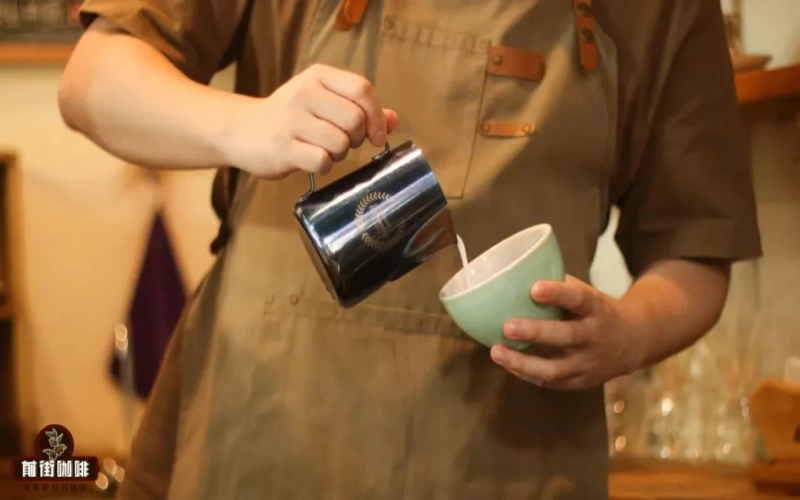
What temperature should the milk for a hot latte be controlled at? Looking at the relationship between milk frothing and taste sweetness from Front Street's actual measurements
When interviewing a barista at a café, making a hot latte is often the most common practical test, because it simultaneously examines two core skills: espresso extraction and milk steaming. And in this latte, besides the fineness of the milk foam, controlling the milk temperature is also a key scoring point. Many enthusiasts think that milk just needs to be hot enough, but this is not the case—different temperatures bring completely different mouthfeel and sweetness. Through comparing three cups of milk at 40°C, 60°C, and 75°C and their corresponding lattes, Front Street found that 55°C~68°C is the ideal range. This article will also share a method for judging the steaming temperature by feel alone without relying on a thermometer, and will retain the recommendation information for Front Street's Italian bean series. [more…]

Specialty Coffee Knowledge: A Complete Guide to Latte Milk Frothing Principles, Integration Assessment, and Optimal Temperature
The key to an ideal latte lies not only in the quality of the espresso, but also in the fineness of the steamed milk and temperature control. Front Street Coffee will start from the basic principles of milk frothing to answer common questions such as why the milk foam does not blend and why it floats on the surface during latte art, and will also take an in-depth look at how steam pressure and foam fineness affect blending. At the same time, through experimental comparisons at different temperatures, we reveal why the 50 to 70°C range is the golden zone for long-lasting, stable milk foam, helping you master the core techniques for steaming perfect milk foam. [more…]
Optimal Flavor Temperature Analysis for Milk Coffee: Latte Milk Foam Steaming Principles and Fusion Degree Assessment Standards
The key to a delicious latte lies in the fusion state of milk and coffee and the temperature when it enters the mouth. This article will systematically explain the scientific principles of milk foaming, the factors affecting the fusion degree of milk foam and coffee, and reveal the differences in milk foam durability at different frothing temperatures through experimental data. At the same time, it provides cause analysis and solutions for common problems in daily operation, such as milk foam not fusing and milk foam floating up during latte art. The article also combines the practical experience of Front Street Coffee to explain why around 60°C is the optimal flavor temperature range for milk coffee, and how to judge whether the milk foam fusion degree is up to standard. [more…]

Why Do Cafés Prefer Low-Temperature Whole Fresh Milk for Lattes? A Core Analysis of the Differences Between Fresh Milk and Shelf-Stable Pure Milk
Walk into any café and order a latte or cappuccino, and unless you specify otherwise, the barista will almost always reach for whole fresh milk by default. Why are cafés so devoted to cold-chain fresh milk? What roles do the protein, fat, and lactose in milk each play in a milk coffee? And what trade-offs in flavor and shelf life do pasteurization and UHT ultra-high-temperature sterilization bring? Starting from how milk components affect coffee flavor and milk foam structure, this article peels back the layers to reveal the core logic behind whole fresh milk becoming the top choice for cafés, while comparing the real differences between cold-chain fresh milk and shelf-stable pure milk, so you can make a more suitable choice when making milk coffee at home. [more…]
How to Steam Milk Foam for Latte Art That Lasts Longer? A Full Guide to Choosing the Right Milk Brand and Steaming Techniques
Many people find that their milk foam never turns out well when learning latte art. In fact, the quality of the milk and the way it is steamed both directly affect the fineness and staying power of the foam. This article starts with the types of milk, analyzing the differences between shelf-stable milk and chilled milk, and between whole milk and skim milk. It then uses Front Street Coffee's recommended Vitasoy whole milk fresh milk to explain in detail the temperature control, technique, and the ratio of milk to foam when steaming milk with a steam wand. It also shares methods such as tapping out bubbles and controlling the heating temperature to make the foam more stable and long-lasting, helping coffee lovers achieve better results when pouring latte art and making lattes and cappuccinos. [more…]
The Essential Guide to Milk Frothing for Specialty Coffee: Milk Foaming Principles, Assessing Integration, and Optimal Temperature Explained
Milk foam is the soul of a latte and a cappuccino. In a proper latte, the milk foam should be thin and fine-textured, with a glossy surface, and go down smoothly. Drawing on Front Street Coffee's hands-on experience, this article systematically sorts out the basic principles of milk steaming, answers the most common questions when steaming milk—why the foam doesn't incorporate, and why the foam floats on the surface during latte art—and gives criteria for judging the degree of incorporation. At the same time, through comparison experiments at different temperatures, the article explains what temperature is most suitable for heating milk and why the foam rapidly collapses after exceeding 70°C. Whether you are a complete beginner or an enthusiast hoping to refine your latte art skills, you will find practical reference here. [more…]
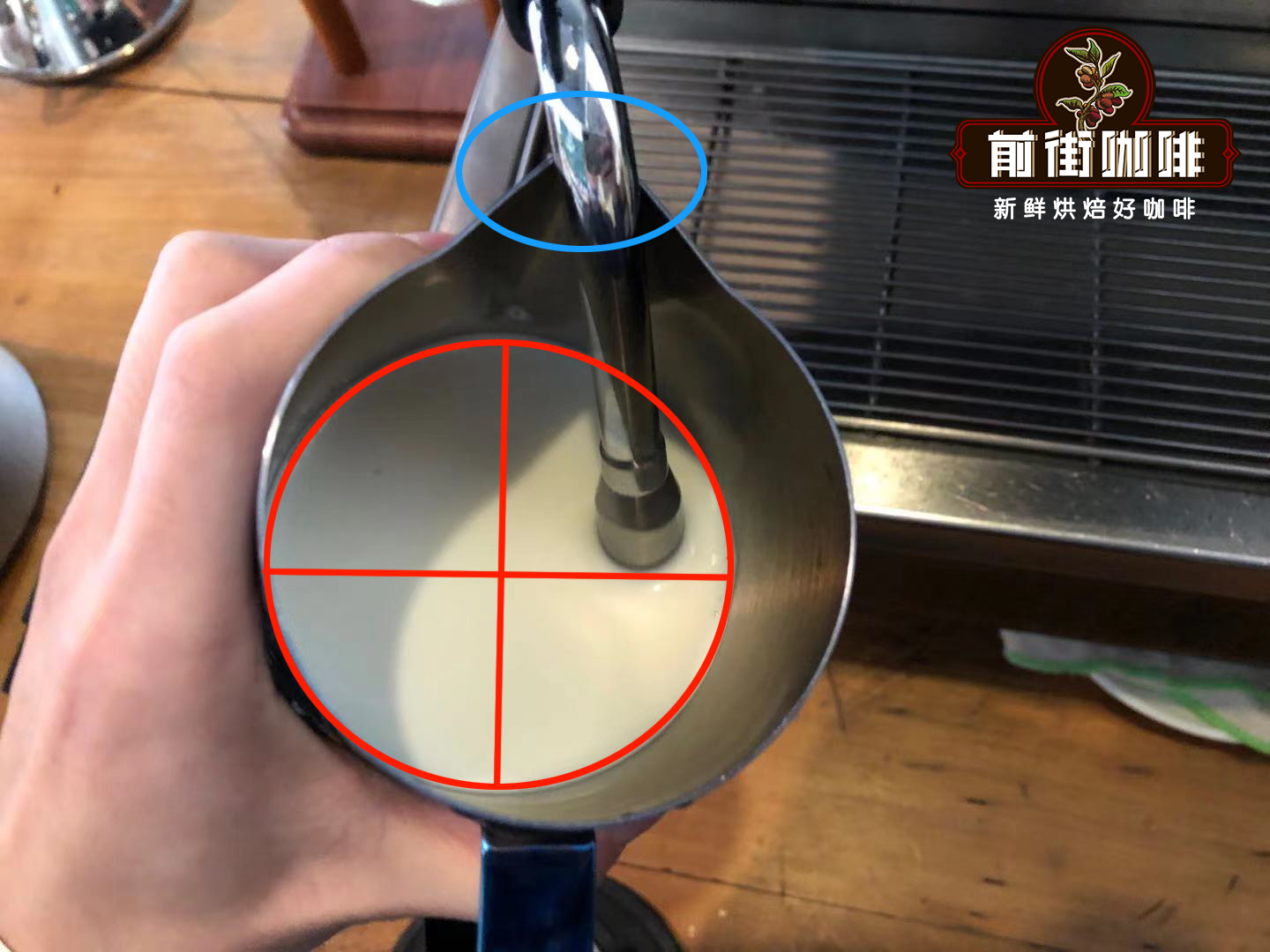
The Correct Way to Froth Milk | Which Type of Milk Keeps Coffee Foam Lasting Longer? What Techniques Must Beginners Master to Make Latte Art?
Many people struggle to froth milk properly when they first start learning latte art. In fact, the quality of the milk also affects how easy it is to froth. Front Street Coffee would like to introduce a few types of milk that are easy to froth! In the eyes of baristas, milk is divided into ambient milk and chilled milk, whole milk and skim milk. When making coffee la— [more…]