







Many friends, when they start learning latte art and steaming milk foam, just can't get the milk foam right. In fact, the quality of the milk also affects how easy it is to steam the foam. Front Street will introduce a fewmilks that are easy to steam into foam!
In the eyes of baristas, milk is divided into ambient milk and chilled milk, whole milk and skim milk. For making latte art, it's best to use chilled whole milk — whether for taste or for how easy it is to pour latte art, it's the best choice.
Ambient milk: milk that has been treated with high-temperature sterilization, almost fully sterilized, so it can be stored at room temperature for a long time, generally with a 6-month shelf life, but both its taste and nutrition are slightly inferior.
Chilled milk: milk that has been treated with pasteurization, killing most bacteria, and can only be stored at low temperatures for about 7-12 days, with a shorter shelf life, but its nutrients and flavor are better.
Whole milk: the fat content of milk is also a criterion for how easy it is to steam. Whole milk is relatively easy to steam into foam, and it's easy to produce a delicate, dense milk foam.
Skim milk: skim milk is mainly made by processing milk to remove the fat. Skim milk is suitable for some people with allergic conditions, or those with high blood pressure. But Front Street wants to reiterate that skim milk's flavor is inferior to whole milk in every way — when tasting it, you feel a watery sensation and a lack of milky taste.
How to steam milk foam
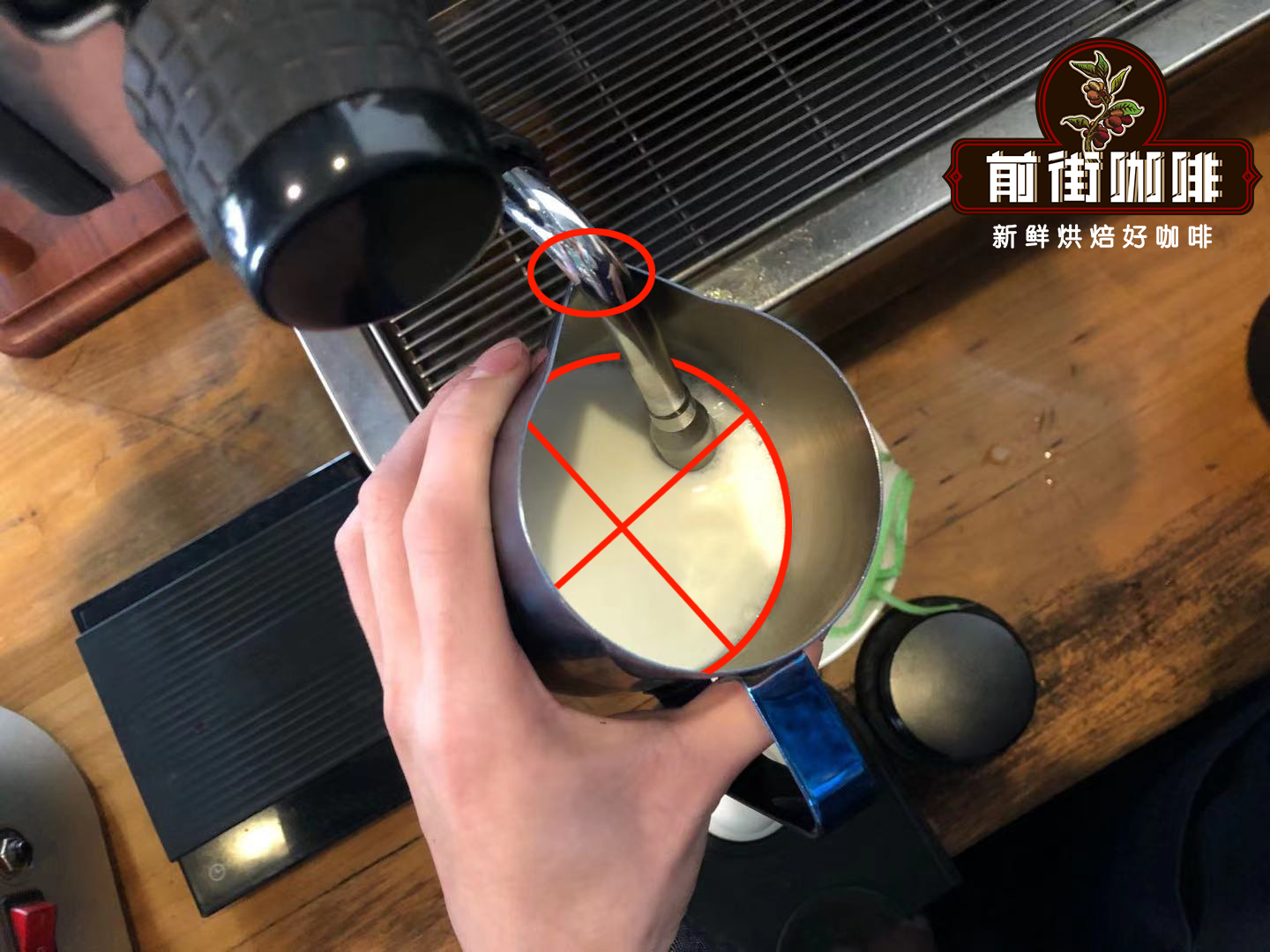
Front Street uses Vitasoy whole fresh milk. Before steaming with the steam wand, you must let the machine heat up fully, and make sure what's coming out is steam (only then will the pressure be high enough — if you're using a professional commercial machine, there's no such problem).
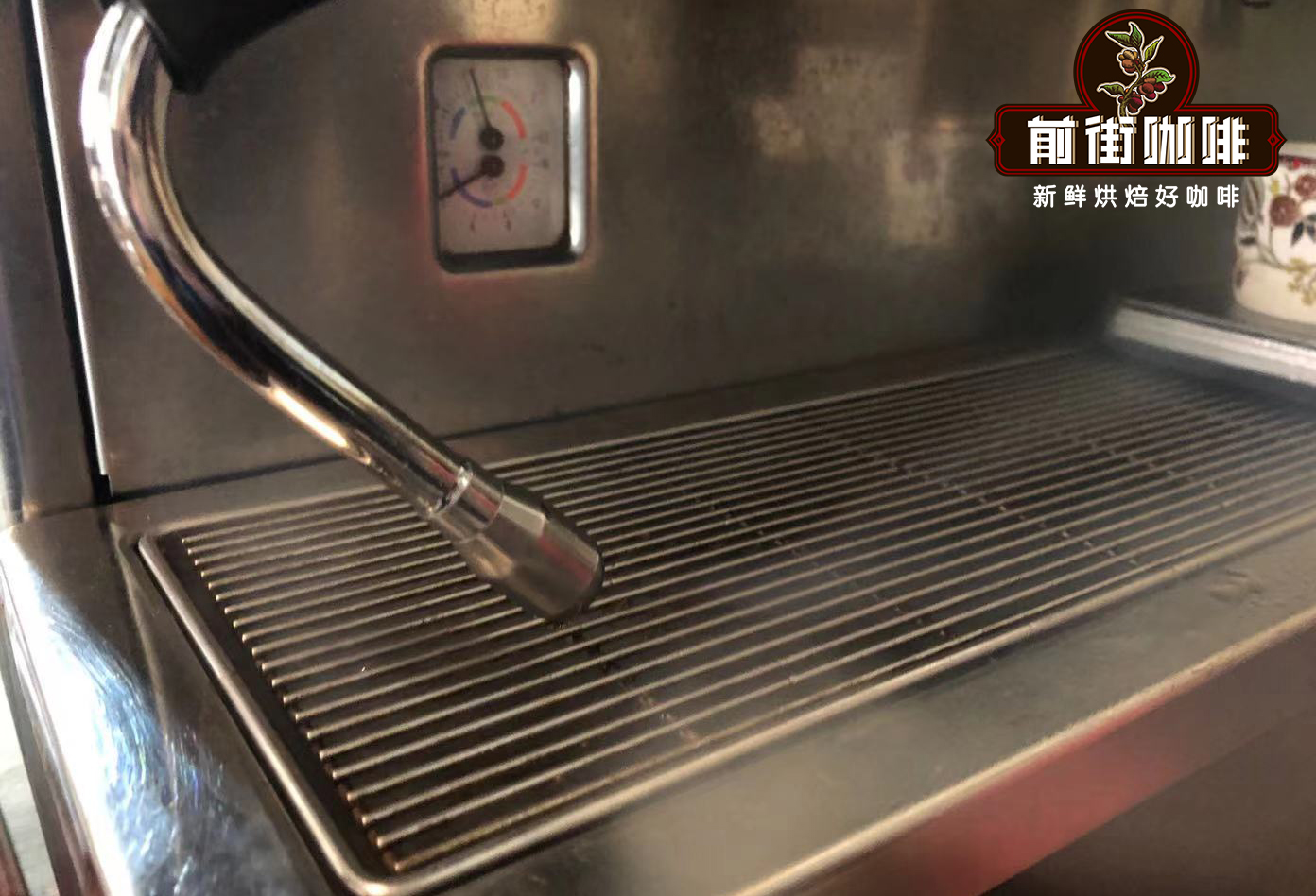
Many cheap espresso machines on the market don't have enough pressure, so they only sputter water and a little steam, and the steam wand tip has a plastic head, one end of which sucks in air — don't let it go below the milk surface.
There's usually a temperature limit, meaning you shouldn't steam for too long. Generally, once the temperature reaches around 60°C, you can stop. You can try touching the bottom of the pitcher — when it's hot to the touch and there's a milky aroma, it's time to stop.
The last step is very important. Once the milk foam has formed, place a cloth on the table, a thicker one, and tap the milk pitcher with the foam on the table a few times to shake the air out of the foam. This way the foam will be firmer, and even if you don't drink it right away after steaming, it won't dissipate quickly....
It's best to use milk that has just been taken out of the fridge for steaming milk foam — the effect is the best.
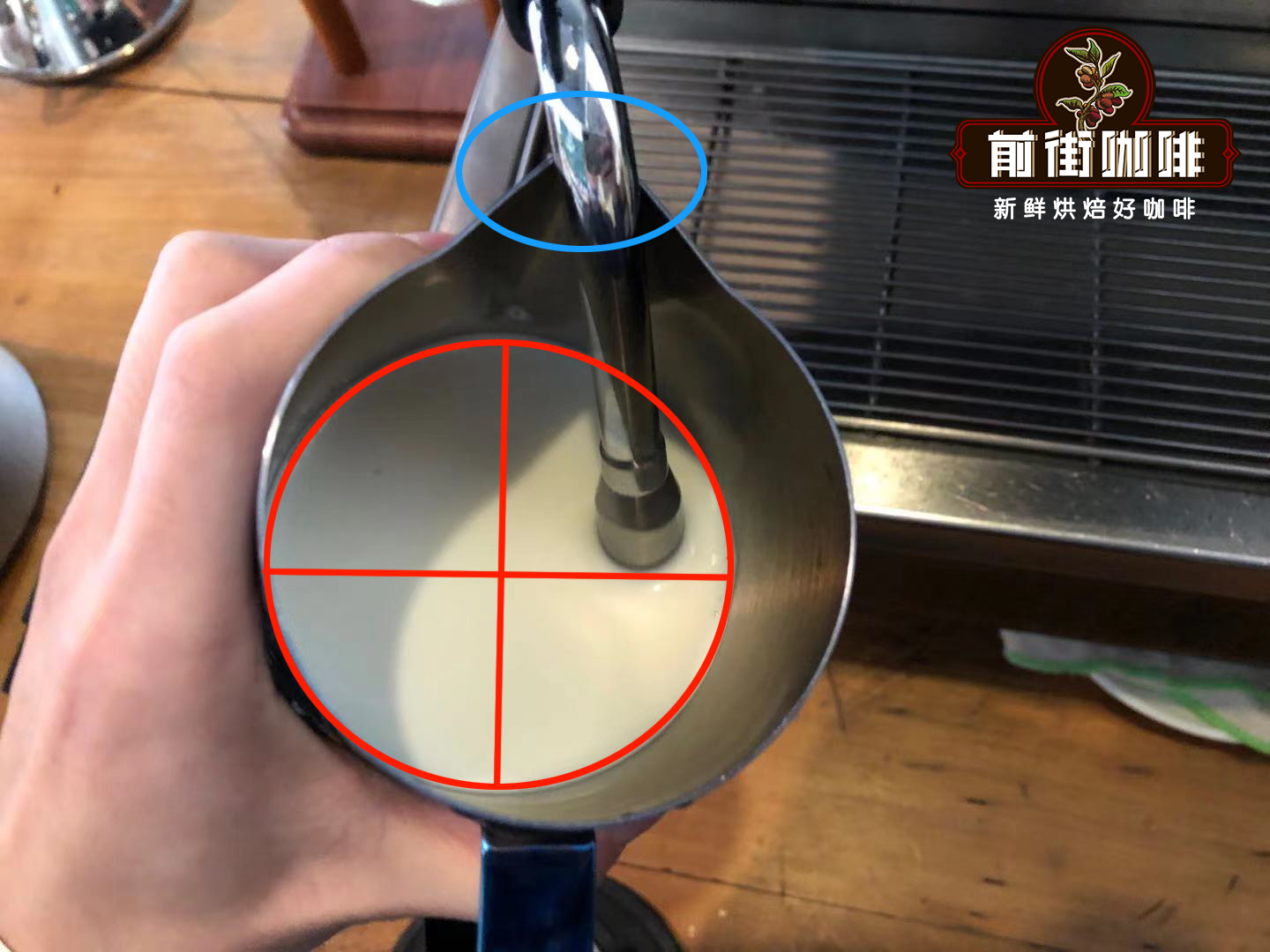
Insert the tip into the stainless steel pitcher, right in the center, keeping it about one centimeter below the milk surface.... If the sound is too loud, it means you need to adjust the angle..
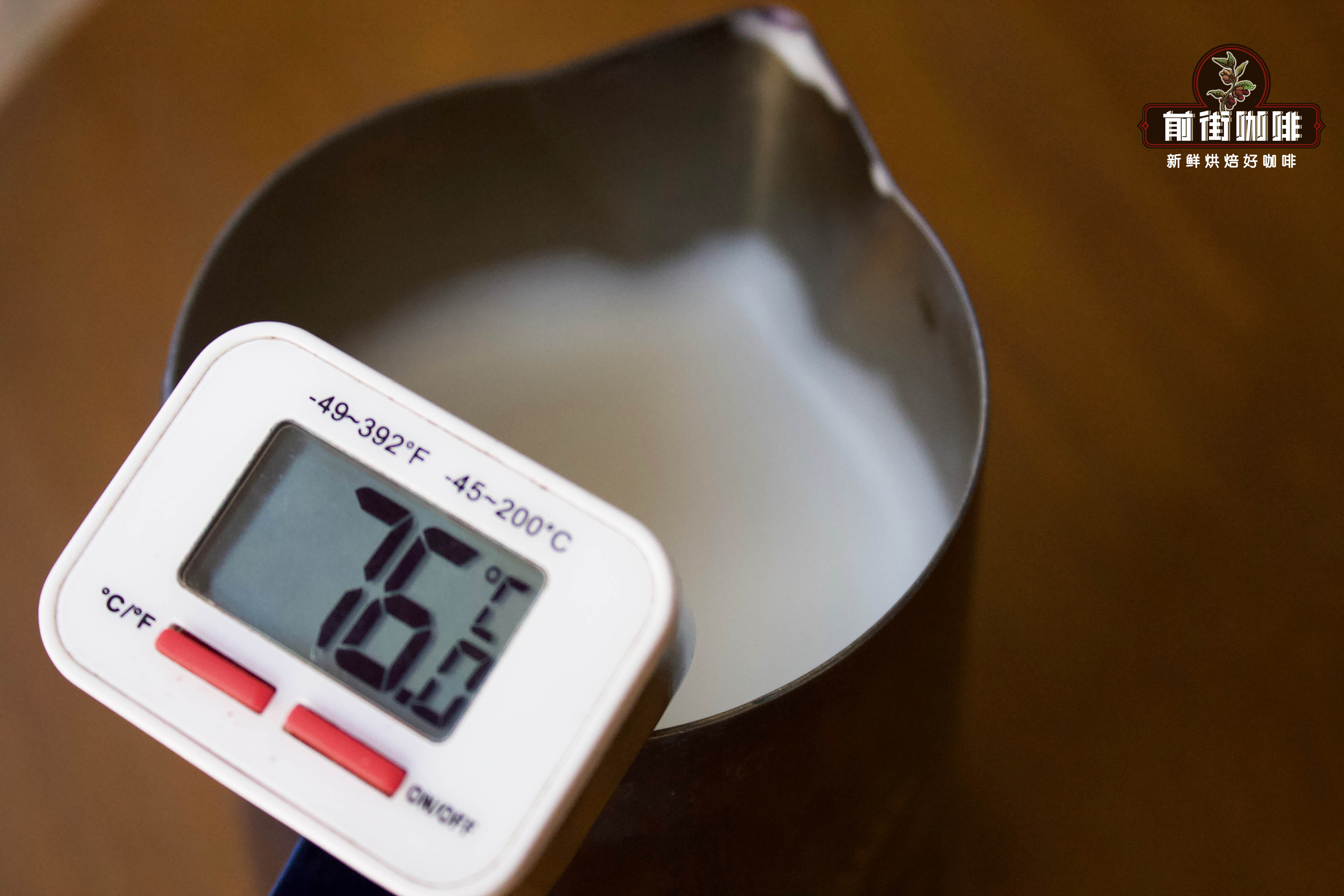
You can practice with a thermometer first.. Once the temperature rises, you need to turn it off before it reaches the target temperature... because later on the temperature shoots up very quickly.
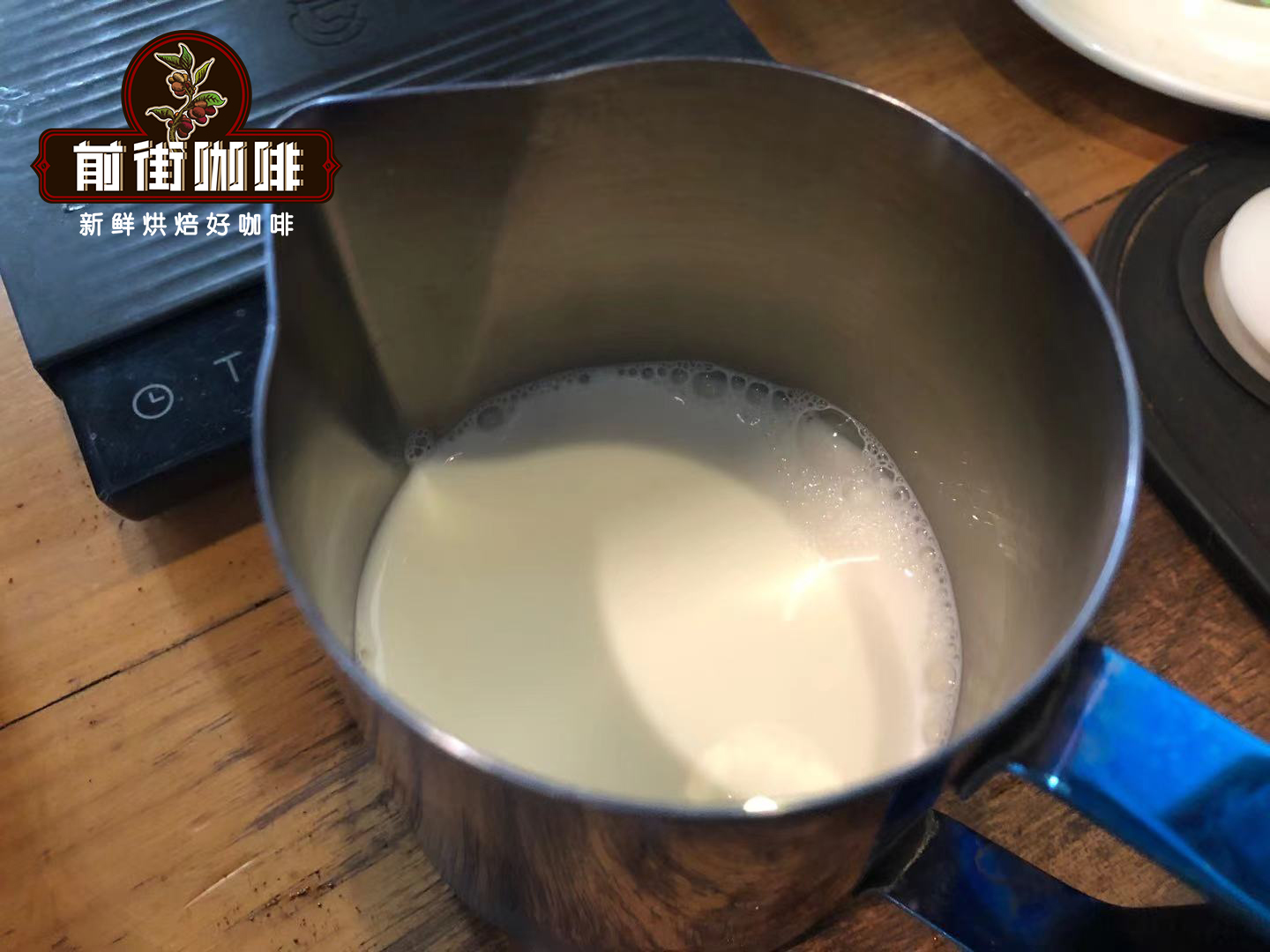
Well-steamed milk should be slightly semi-paste-like... with a somewhat thick, creamy feel. (Basically, it just shouldn't be fully cooked through, but you need to control it to the right temperature.)
Turn off the steam, and tap the milk pitcher on the table once.. At this point you'll see the milk foam on top is all fine and delicate.
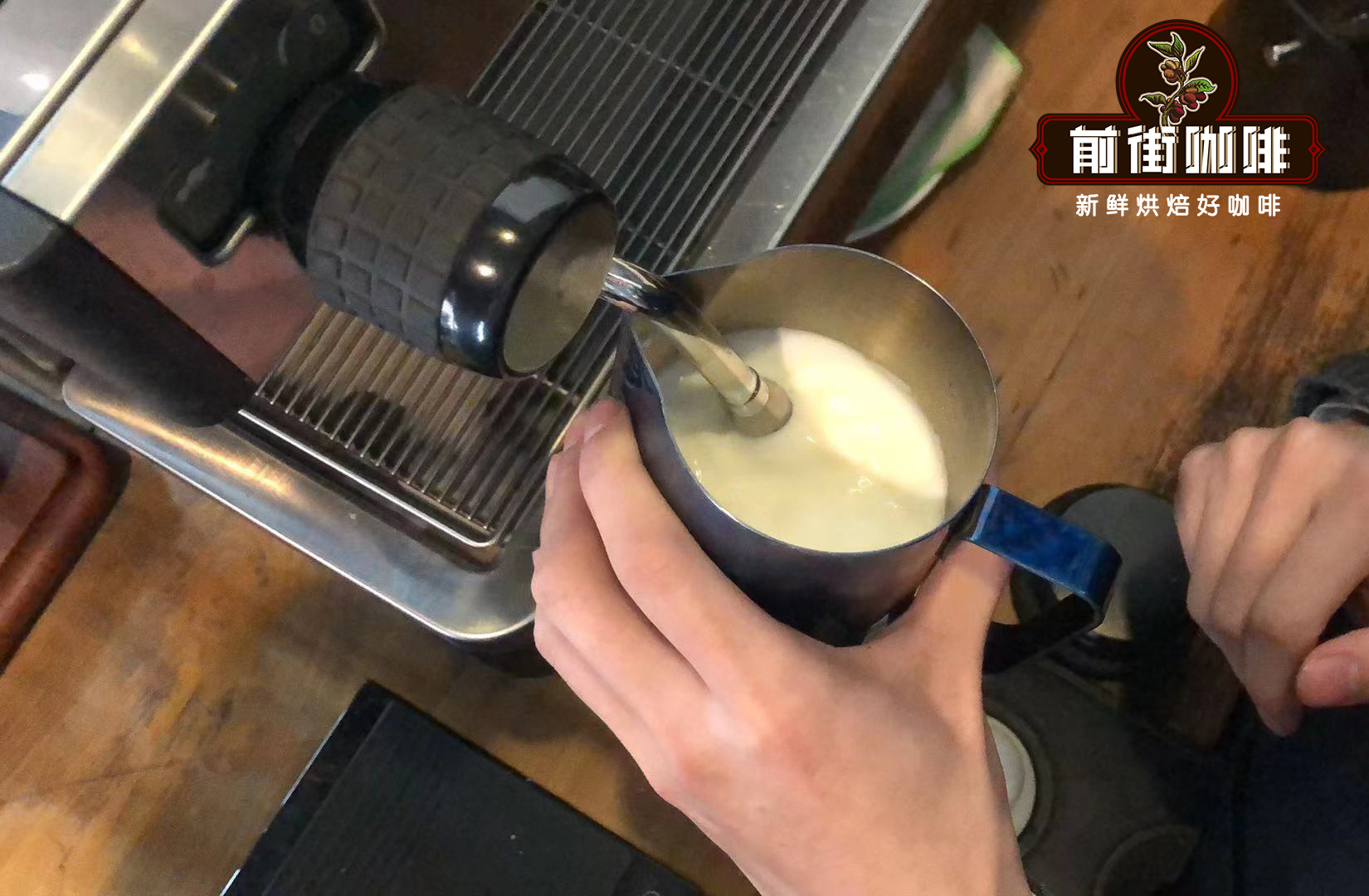
If the foam is too coarse and has bubbles, it means the milk temperature was too high.... because the temperature wasn't controlled well, and you also turned off the steam too late..
There are too many aspects to making milk foam last longer.
The temperature for heating milk
Milk foam is formed in two ways. One is milk foam produced by steam, and the other is milk foam made by pumping with a French press.
First, let's talk about milk foam produced by steam. The temperature can't be too low, otherwise the foam won't form densely, and naturally it won't last long. If the temperature is too high, it's even worse, because the milk will boil, and the foam will no longer be dense, but instead become large bubbles formed after boiling that break easily.
So some people ask, what temperature is most suitable for milk foam? Roughly around 75°C. But a very stylish barista taught me that he never uses a thermometer when steaming milk foam — he uses the thinnest part of his palm (the thick fleshy part next to the thumb) to feel the temperature, since that spot is the most sensitive to temperature, until it becomes hot.
A good cup of coffee requires trying many whole milks to determine which milk is better. Here it should also be mentioned that different coffee beans pair best with different milks for the optimal flavor. It's possible that a milk that's too rich in flavor actually suppresses the coffee's own mellow body, so even if that milk can produce very good foam, it may not necessarily be the best choice to pair with that coffee bean. As for milk foam made with a French press, basically any frozen milk can be used. Its quality: the faster and more frequently you pump, the better the bubble quality. This kind of milk foam is basically used for cold drinks.
The ratio of milk to milk foam
Simply put, with 500 ml of milk, you can produce 1000 ml of a milk-and-foam mixture, or you can produce 600 ml of the mixture. It entirely depends on what kind of coffee you're making. For example, what latte art you're pouring, whether you're making a latte or a cappuccino. Relatively speaking — relatively — the greater the proportion of milk to foam, the denser the foam. Of course, this is very much related to personal skill.
Personal skill
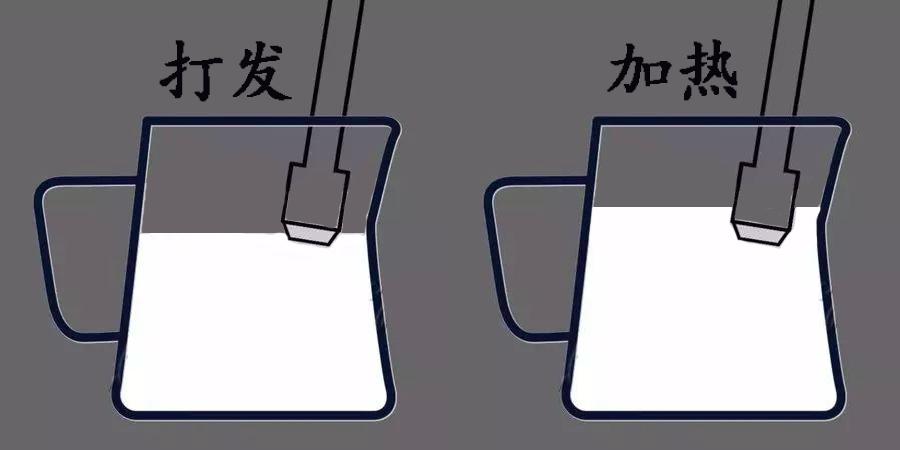
This is even more complicated to talk about. How to operate the steam wand (when to turn the steam up high, when to turn it down low, how deep to insert the steam wand into the milk, the stirring force). The lower the initial temperature of the milk, the more time you have to steam the foam, and relatively more time to adjust the quality of the foam. The steam wand uses steam to rapidly mix air and milk, which has a lot to do with how you form bubbles on the milk's surface and then steam those bubbles into the densest possible foam. This is closely tied to years and years of practice. To save money, Front Street often practices with water instead of milk.
After steaming, you also need to handle the milk in your hand. Front Street generally taps the milk pitcher firmly on the tabletop a few times. "Firmly" — but not extremely firm; this force is very particular. If it's too light, the large bubbles in the milk won't be shaken out; if it's too firm, it will shake new large bubbles in...... Of course, this is a personal habit — some people don't use this trick either.
Standing time
Generally, well-steamed milk is quickly made into coffee. Otherwise, the longer it sits, the less foam there will be. And the foam won't be as delicate either.
For more specialty coffee beans, please add the private WeChat of Front Street Coffee (FrontStreet Coffee), WeChat ID: kaixinguoguo0925
The above content is compiled by CoffeeHunters, a coffee news website.


