








As temperatures drop, more and more customers at Front Street stores are ordering hot milk coffee. The steamed sweet milk blended with espresso into a cup of smooth, silky hot latte truly brings a lot of warmth.
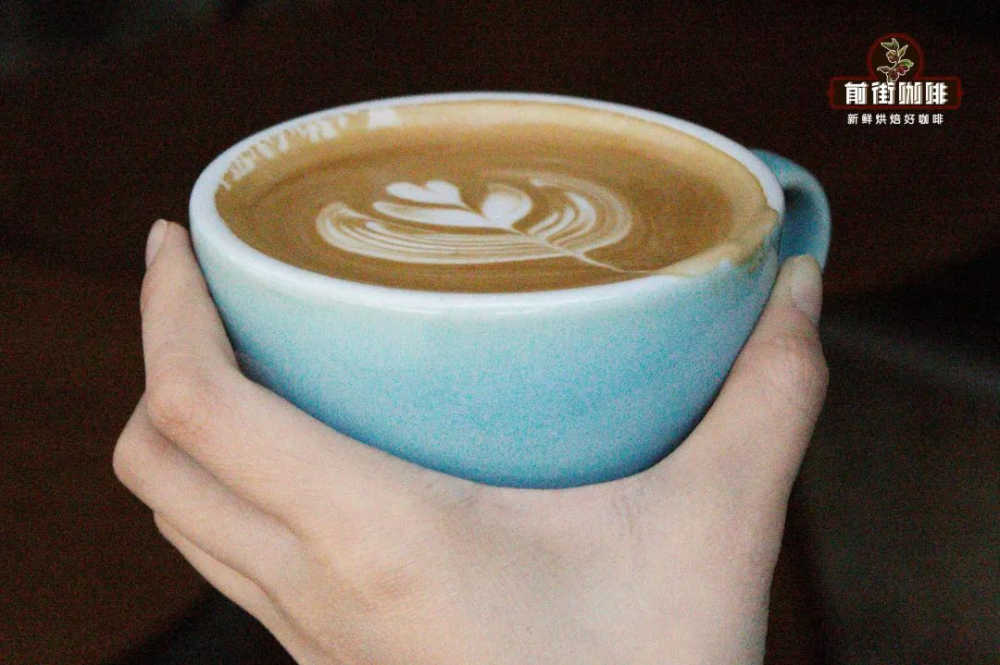
To keep a hot latte from cooling down too quickly after serving, some people steam the milk to a higher temperature, and at this point, getting the milk temperature just right is especially important.
—The ideal temperature for milk foam
The endpoint for steaming milk foam is determined by whether we judge the temperature to be high enough. Typically, the milk temperature range for hot milk coffee served at coffee shops is set at 55–65°C. Since the foam produced during steaming and the liquid milk need sufficient time to blend and be textured, the milk must quickly form a vortex after air intake and enter the heating stage.

The range of 50–70°C is when milk properties have not yet changed irreversibly, so stability is high. Milk foam made within this temperature range produces hot milk coffee with the most pleasant mouthfeel, and latte art patterns also last longer.
—When milk foam is steamed above 70°C
When the milk temperature is too high, we can feel that the coffee liquid and milk foam are in a separated state when drinking. Because the foaming time is too long, although the temperature of the liquid milk has risen, the foam layer, which has already formed countless small pores, has not risen to the same temperature.
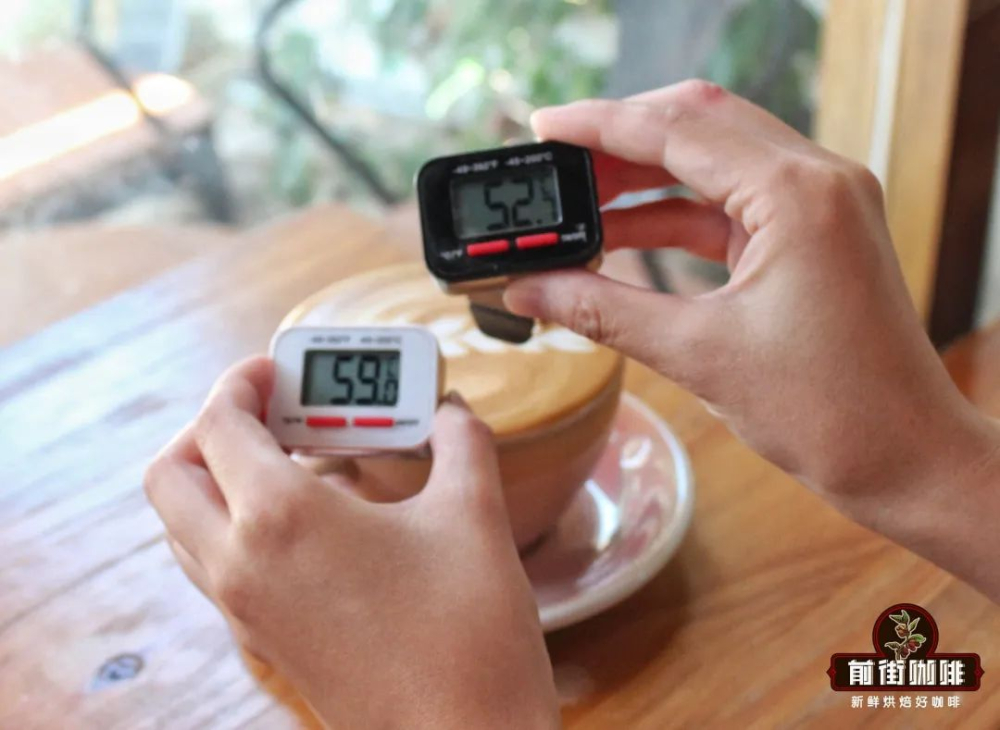
It is this temperature difference that makes us feel the liquid and foam are detached from each other, and the scalding heat prevents the tongue from sensing the dense texture of the foam layer. The higher the temperature of the milk coffee, the greater this temperature difference becomes.
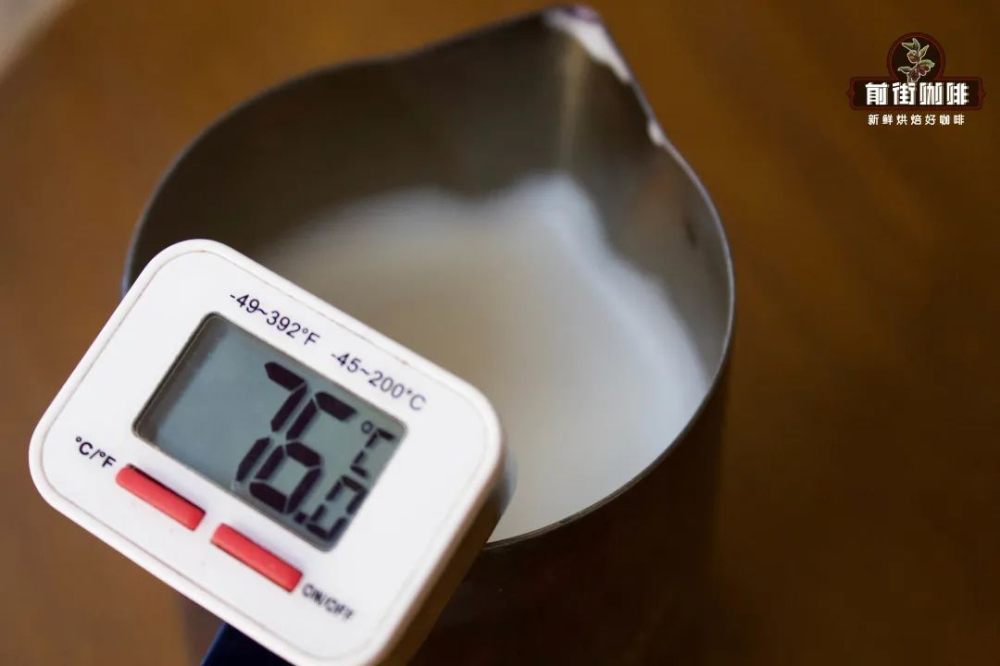
In addition, when the milk temperature rises above 70°C, it smells distinctly milky, but tastes very flat, with a raw milky odor, and a rough mouthfeel. When blended into the coffee liquid, latte art also easily collapses and breaks apart.
This is because excessive temperature causes the proteins in the milk to break down, reducing the stability of the milk foam, so it quickly disintegrates.
How to control the steaming temperature of milk?
Beginners can first use a thermometer and their palm to sense the milk temperature.
Usually, milk starts to feel the heat source when heated to 40°C. The heating rate depends on the temperature of the steam wand, the steam volume, and the amount of liquid in the pitcher. When your palm feels a scalding sensation, it means the temperature has reached above 55°C—remember this feeling.
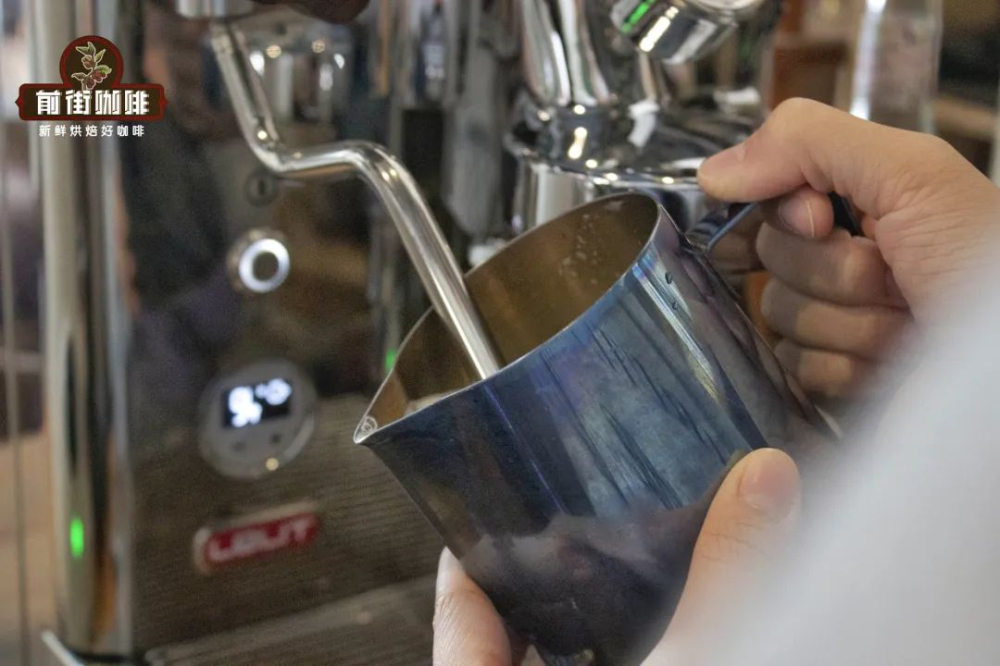
If you are an experienced milk foamer, you can judge the milk temperature range directly by feel. After the milk foam is textured, submerge the steam wand into the liquid milk until the target temperature is reached.
In the low-temperature environment of autumn and winter, hot drinks cool down faster. As for vessels, we can preheat the cup first, or choose a material with better insulation, such as a ceramic cup.
FrontStreet Coffee baristas will, based on daily serving parameters, raise the milk foam temperature to 65°C, which means continuing to heat for 3–5 seconds. This balances the flavor and aroma of the hot latte without affecting the mouthfeel due to being too hot.

Unlike a latte, a cappuccino has a thick layer of foam about 1.5 – 2cm, as people want to taste more foam. Front Street recommends keeping the milk temperature for a cappuccino below 60°C, so you can take big sips without burning your mouth.
For professional coffee knowledge exchange and more coffee bean information, please follow Coffee Workshop (WeChat public account: cafe_style).
For more specialty coffee beans, please add the private WeChat of Front Street Coffee (FrontStreet Coffee), WeChat ID: qjcoffeex.
The above content is compiled by CoffeeHunters, a coffee news website.


