







Search Results for: Milk Pouring Order
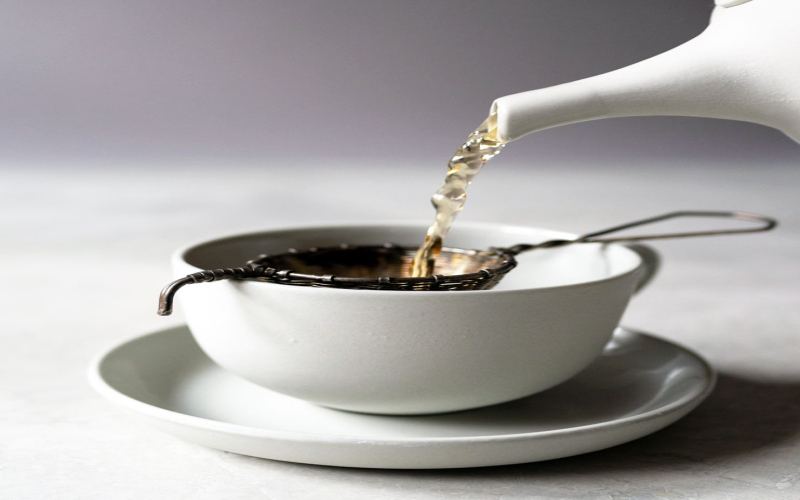
The Ten Golden Rules of Western Black Tea Brewing: From Leaf Selection to Milk-Pouring Order—What Does Orwell Say? A Full Analysis of Black Tea Astringency and Milk Addition
When brewing a cup of black tea, which type of tea leaves should you actually use? Should the teapot be preheated? Should the milk go in first or the tea? These questions may seem trivial, yet they have puzzled Western tea drinkers for decades. George Orwell once proposed his famous eleven golden rules for brewing tea, offering his own answers one by one, from the origin of the tea leaves to the brewing method. This article will use these ten rules as a thread, combined with the differences between Eastern and Western tea-drinking habits, to re-examine every detail of brewing black tea—including common questions such as whether black tea is better the more astringent it is and whether milk can be added—while weaving in different voices from Chinese tea enthusiasts. Whether you are a loyal fan of Earl Grey or a daily drinker of English Breakfast tea, you will find brewing ideas worth considering. [more…]
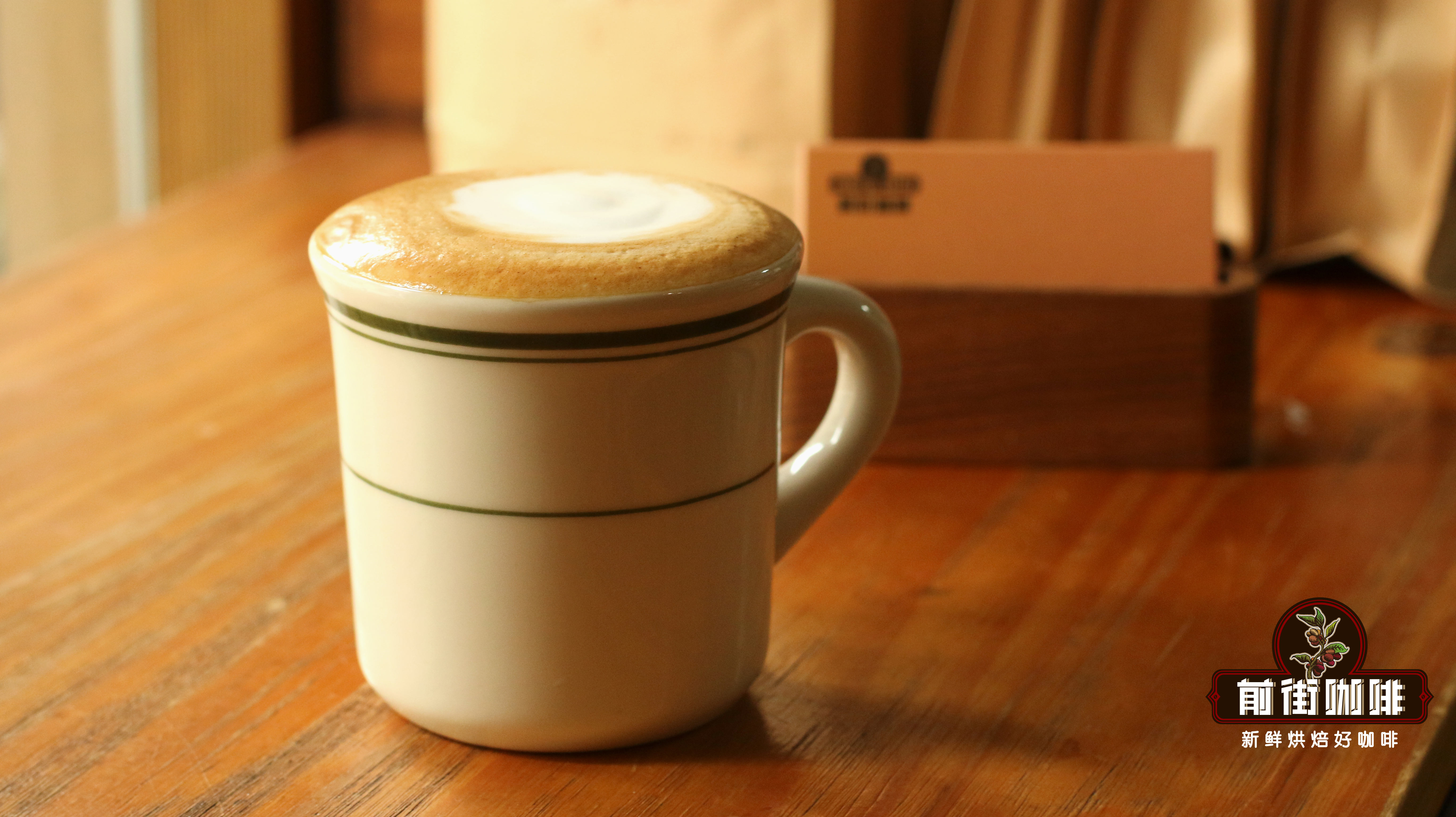
A Complete Guide to Making Cappuccino: From the Origin of the Name and the Coffee Golden Circle to the Hands-On Practice of Steaming Milk Froth
What exactly is the difference between a cappuccino and a latte? Why does an authentic cappuccino insist on preserving a ring of brown "coffee golden ring," and why is it usually not decorated with latte art? This article begins with the origin of the name cappuccino, tracing its historical connection to the robes of the Franciscan Order, and explains the reasons behind the formation of the golden ring as well as the relationship between milk foam thickness and latte art. It then follows the main thread of the process for making a qualified cappuccino, introducing in turn the choice of coffee cup, espresso extraction parameters, the use of refrigerated fresh milk, milk foam aeration and steaming techniques, and how to pour the milk foam before the milk to protect the coffee crema. The article includes Front Street Coffee's serving approach and specific extraction data, and is suitable for coffee enthusiasts who wish to gain a systematic understanding of cappuccino. [more…]
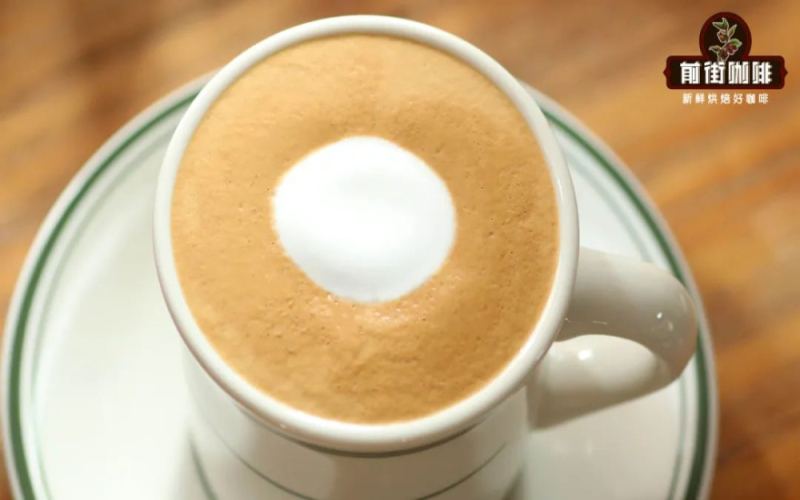
The Truth About Cappuccino Ratios: 1:1:1 Is Not the Standard—Milk Foam Thickness and the Golden Ring Are What Really Matter
Is the espresso, milk, and milk foam ratio in a cappuccino really 1:1:1? This widely circulated formula is actually not the WBC standard. Front Street Coffee once replicated and verified it, and found that the high proportion of coffee led to a strong, bitter taste and poor integration. Starting from the WBC competition rules, this article sorts out the origin of the cappuccino and the "coffee golden circle" tradition, explains why it is not suitable for latte art, and breaks down in detail the process of making a qualified cappuccino—from choosing a 180ml tulip cup and the extraction parameters for Front Street Coffee Sunflower Warm Sun coffee beans, to steaming refrigerated fresh milk into a 1.5cm thick milk foam and the pouring technique that protects the crema, helping you make an authentic cappuccino with milk foam rising above the cup rim without collapsing. [more…]
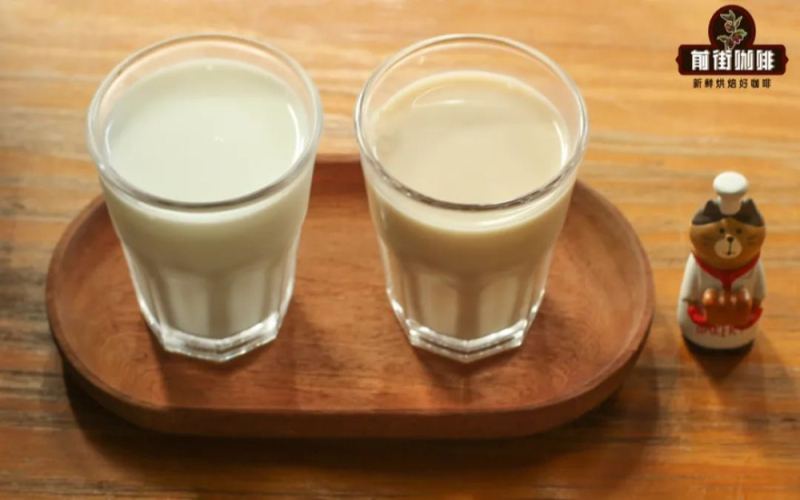
Analyzing the Essential Differences Between Oat Milk and Dairy Milk: Foaming Challenges and Latte Art Techniques for Plant-Based Lattes
In recent years, many customers who come to the shop ask whether we have oat milk lattes, or ask for advice on how to steam fine milk foam with oat milk. Although the milk coffee produced by Front Street Coffee has always used whole milk, in order to respond to everyone's curiosity, today we'll talk about the unique characteristics of oat milk lattes, as well as the techniques to note when steaming milk foam and doing latte art with oat milk. This article will start with the composition of oat milk, compare it with fresh milk in terms of flavor and texture, and explain in detail the key points for operating oat milk during steaming and latte art, to help coffee lovers better master the methods for making plant-based milk coffee. [more…]
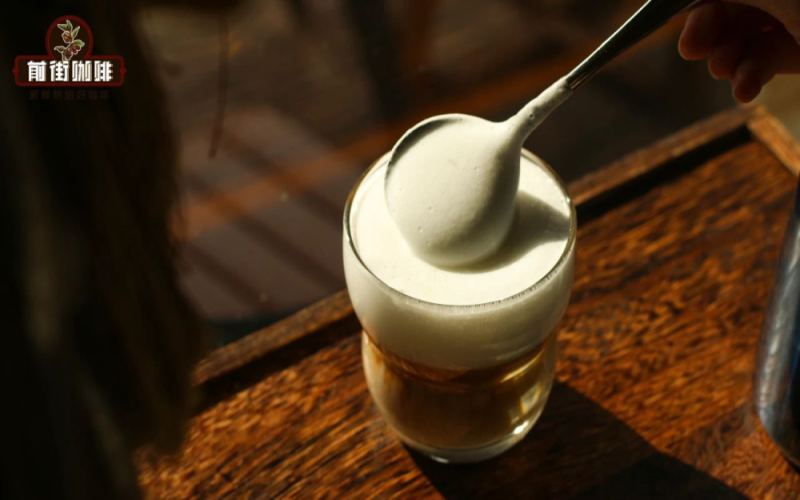
Why Can't a Siphon Make a Cappuccino? A Detailed Guide to the Equipment Threshold and Standard Methods for Italian Milk Coffee
Cappuccino is famous for its rich and full-bodied taste, and behind this lies the espresso extracted by an Italian coffee machine and the delicate, dense milk foam. Although the siphon pot looks cool, it can only produce black coffee. It can neither achieve the concentration of espresso nor froth milk, so it has no place among fancy coffees such as cappuccino and latte. This article will discuss the origin of the name cappuccino, the choice of equipment, and the standard preparation process one by one, focusing on breaking down key steps such as espresso extraction, milk frothing, and milk foam pouring, and sharing Front Street Coffee's parameters and experience in actual production, helping coffee lovers recreate a cup of cappuccino with complete structure and distinct layers at home. [more…]
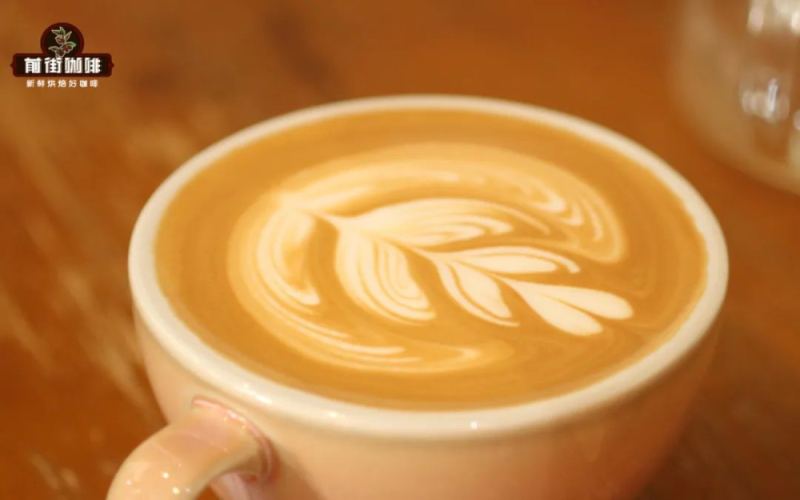
Learning Milk Frothing and Latte Art from Scratch: A Complete Practice Approach from Milk Foam Principles to Pattern Formation
To make a hot latte with beautiful latte art at home, espresso alone is not enough—the key often comes down to the "milk foam" step. Drawing on the practical experience of Front Street Coffee, this article first explains the basic composition of a latte and the ratios for good flavor, then breaks down the two stages of milk steaming—aeration and texturing—step by step, explaining the key points of integrating techniques and pouring posture, and finally offers an efficient practice path alternating fresh milk and water. Whether you are new to espresso or always end up with coarse bubbles and a blob of latte art, you can find actionable directions for improvement. [more…]
How Thick Should the Milk Foam Be for a Standard Cappuccino? Uncovering the Milk Foam Differences Between Cappuccino and Latte and Key Production Points
Many people cannot distinguish a cappuccino from a latte, especially nowadays when latte art is so popular that the two seem to look more and more alike. In fact, from the thickness of the milk foam to the logic of preparation, there is a clear dividing line between them. A cappuccino emphasizes preserving a ring of brown "coffee golden ring," and the milk foam needs to be whipped to about 1.5 cm thick to support a "hat" shape rising above the rim of the cup, which is why it is not suitable for latte art. A latte's milk foam, by contrast, is only about 1 cm thick and highly fluid, making it easy to blend and draw with. Starting from Front Street Coffee's production experience, this article sorts out the historical origins of the cappuccino, the standard for milk foam thickness, and the core differences from a latte, and gives complete operating steps from choosing a cup, extraction, and steaming milk to pouring, helping you make a qualified cup of cappuccino. [more…]
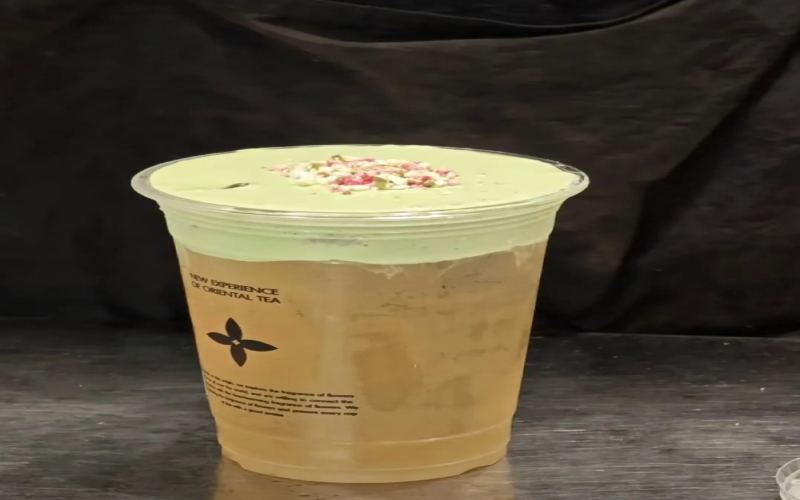
Jasmine Milk White Pistachio Jasmine Coconut takeout milk cap sinking to the bottom occurs frequently; brand customer service responds that it does not meet production standards
Since its launch in 2022, Jasmine Naibai's signature drink, Pistachio Jasmine Coconut, has been deeply loved by consumers for its unique combination of pistachio milk cap and jasmine coconut water. However, recently many takeout customers have reported that after pouring the separately packaged milk cap into the drink, it actually sank to the bottom of the cup, and the coconut water became cloudy and even had suspended particles. The brand's customer service responded that "it did not meet our production standards" and processed refunds for some consumers. Why did the milk cap fail? Was it delivery delays, stores rushing orders, or a change in ingredients? As takeout orders surge, Jasmine Naibai's quality control issues continue to intensify, with complaints such as milk caps sinking, wrong ingredients added, and too few toppings constantly emerging. Consumers cannot help but ask: can we still drink a normal cup of milk tea? [more…]
Master Milk Steaming and Latte Art from Scratch: A Complete Guide to Latte Making and Common Beginner Mistakes
To make a beautiful latte with latte art at home, simply imitating videos is far from enough. From the perspective of Front Street Coffee, this article systematically sorts out the basic concepts, ingredient ratios, and production process of latte coffee, deeply breaks down the two key stages of milk steaming—aeration and texturing—and explains the impact of the pouring technique on the taste and appearance of the finished product. At the same time, addressing the common problem among beginners that "latte art always turns into a blob," it points out that the quality of the milk foam is the fundamental cause, and includes an efficient practice path to help coffee enthusiasts gradually build muscle memory and ultimately achieve stable patterns. [more…]
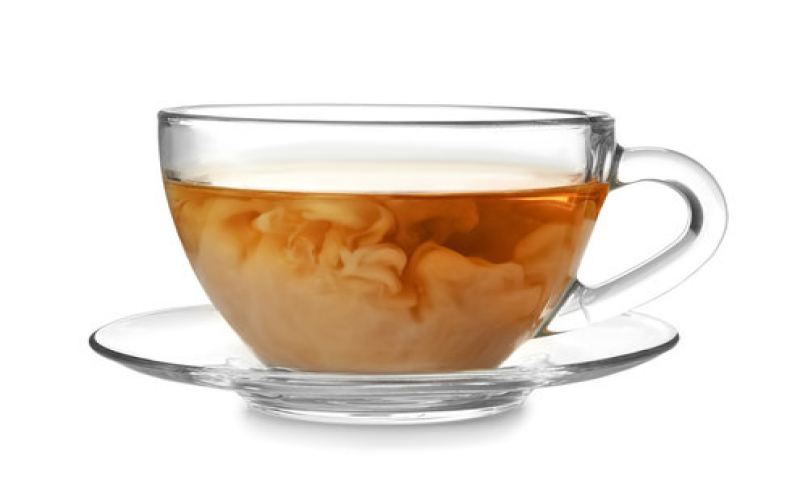
Does the order of milk tea preparation matter? From historical origins to scientific principles, an analysis of the correct way to add milk and black tea
Adding milk to tea is a habit with a rich history and scientific principles behind it. From Tibetan butter tea to Indian masala chai, and then to British workers' tea, the combination of milk and tea spans multiple centuries and civilizations. Why do people add milk to tea? Is it milk first or tea first? And what different flavor experiences does the order bring? This article will take you through the historical origins of milk tea, explore various theories about adding milk, and analyze in depth the interaction between milk and the tannins in black tea, helping you understand the science and culture behind this everyday drink. Whether you are a purist or a milk tea lover, you will gain new insights from it. [more…]

Five Advanced Ways to Drink Americano: Ice, Ristretto, Latte Art, Milk, and Long Black Differences Explained
In the Italian coffee system, the combination of milk and espresso has given rise to a rich variety of drinks such as the latte, cappuccino, and flat white, while the pairing of water and coffee seems to offer only one option: the Americano. This is not actually the case—the Americano likewise has many variations. This article will systematically introduce five unconventional ways to make an Americano, including iced Americano with all ice, lava-style iced Americano, latte-art hot Americano, Americano with milk, and the Long Black, analyzing one by one their preparation principles, flavor characteristics, and key operational points. At the same time, the article also provides a detailed explanation of the core differences between the Americano and the Long Black, and includes Front Street Coffee's specific recommendations for choosing espresso beans, for coffee enthusiasts to reference and put into practice. [more…]

Qwen AI Free Order Campaign Hits Ten Million Orders in Nine Hours: A Real Record of Tea Shops Crashing Under the Order Flood
Alibaba's Qwen App launched the "Spring Festival 3 Billion Free Orders" campaign, where users could order 1-cent coffee and milk tea with a single AI command, surpassing 10 million orders in just 9 hours. Chain brands like Luckin Coffee, Chagee, and Jasmine Naibai were instantly overwhelmed by a flood of orders—store printers kept spitting out tickets, employees were urgently called back, and online channels were forced to shut down. Consumers waited hours only to receive random drinks, while delivery riders "grabbed orders" in the chaos. This AI-driven freebie frenzy made tea shop workers exclaim it felt like "reliving last year's delivery wars," with systems crashing, trending topics dominating social media, and officials urgently expanding capacity and extending the validity of free-order cards. [more…]

Espresso Coffee Introductory Guide | What Is the Difference Between Americano and Espresso? How Can Beginners Make Iced Americano at Home?
For more specialty coffee knowledge, please follow our WeChat official account: Front Street Coffee (FrontStreet Coffee). Americano is the most popular coffee in coffee shops apart from milk coffee. If milk coffee lovers are mostly women, then Americano can be considered a very neu- [more…]

Milk tea ordered as a hot drink but made at room temperature, customer questions why they should pay for the store's mistake
As the weather turns cooler, many consumers specifically note when ordering coffee or milk tea that they want it served hot. However, recently a customer at a ChaPanda store clearly left a note asking for the drink to be heated, yet received a room-temperature beverage. What angered her even more was that the staff had already noticed the mistake when handing out the order, but still packed and sent out the drink, attaching a note to explain. This incident sparked widespread discussion online: why should the customer pay for the store's mistake? Restaurant industry professionals pointed out that when an order is found to be made incorrectly, the store should bear the loss and remake it, rather than forcing the wrong item on the consumer. [more…]

Drip Bag Specialty Coffee Recommendations | Can Drip Bag Coffee Be Brewed with Milk? How to Properly Brew Filter Coffee Bags? A Guide to Water Temperature, Water Amount, and Brewing Time for Drip Bag Coffee
For more specialty coffee knowledge and sharing, please follow: Front Street Coffee (FrontStreet Coffee). As a medium for easily obtaining a delicious cup of black coffee, drip bag coffee is extremely popular in East Asia. In the morning, because time is rushed, using drip bag coffee can save a lot of coffee-making time. [more…]
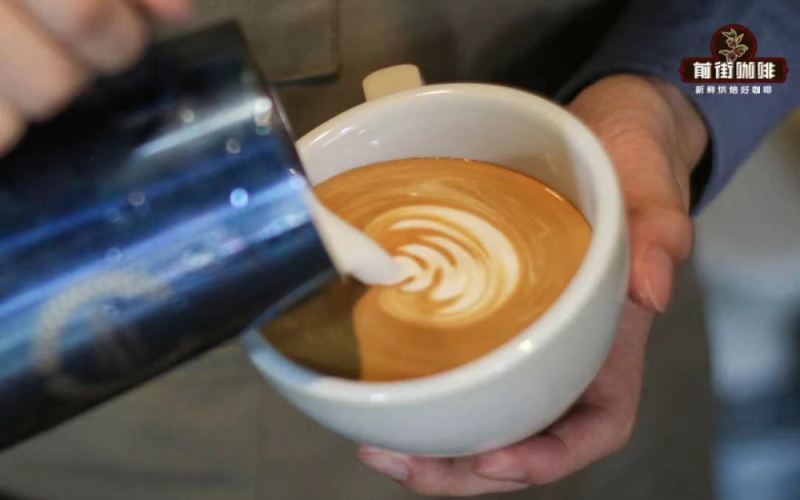
Latte Caffeine Content | What Is the Difference Between a Cappuccino and a Latte? How Can Coffee Beginners Make Latte and Cappuccino Coffee?
Front Street Coffee currently offers several types of espresso drinks, including latte, cappuccino, and mocha, with latte and cappuccino being the most frequently ordered. So what are the differences in taste and flavor characteristics between the two? How much caffeine does a cup of latte contain? Next [more…]

How Is Piccolo Coffee Different from Flat White and Latte? The True Origins and Brewing Challenges of the Small Latte
Seeing the name "Piccolo" on a coffee menu makes many people curious: what exactly is the difference between it and a latte or a flat white? In fact, the official name of Piccolo coffee is "small latte," derived from the Italian word Piccolo, meaning "small." It was originally not intended for consumers, but was a practical tool used by roasters and baristas to test coffee beans and extraction parameters. Over time, this small milk coffee gradually made its way onto menus, becoming popular for its lower price and lighter feeling of fullness. However, making a good Piccolo is not simple—from steaming 60ml of milk to integrating and pouring latte art, every step tests the barista's skill. This article will take you through the origin of the name, its historical uses, flavor structure, and production challenges to give you a comprehensive understanding of the real differences between Piccolo coffee, flat white, and latte. [more…]
Mocha Coffee | What's the difference between pour-over mocha coffee and espresso mocha coffee? What is the flavor of Yemeni mocha beans? How is espresso mocha coffee made?
When it comes to mocha coffee, many people think of the espresso-based milk coffee with chocolate sauce added that is served in coffee shops today. A small number of people think of Yemeni mocha coffee. In this article, Front Street Coffee will explain the difference between espresso mocha coffee and single-origin mocha coffee! What is single-origin mocha coffee? Yemeni mocha [more…]
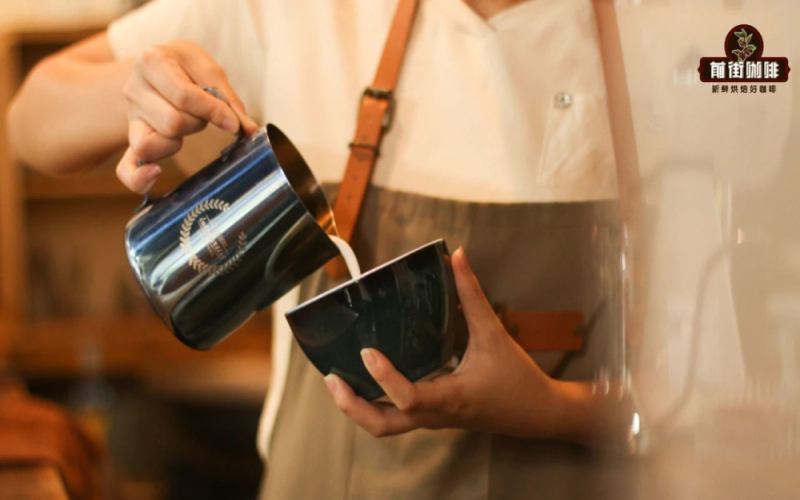
Common Latte Art Pattern Types and Difficulty Analysis, Plus a Detailed Guide to Making Latte Art
Latte art has always been one of the topics that coffee enthusiasts are most interested in. Watching a barista gently flick their wrist as exquisite patterns emerge in the cup is a delightful process to behold; but when it comes to trying it yourself, you might not even be able to produce a single white dot. Is latte art really only for experienced baristas? Actually, that's not the case. This article will systematically outline the common pattern types and difficulty levels of latte art, and around core points such as crema extraction, milk frothing, incorporating coffee and milk, pouring techniques, and mindset adjustment, provide a detailed explanation of how to make latte art. At the same time, it will also recommend Front Street Coffee's classic espresso blend, which is suitable for practicing latte art, helping readers gradually master latte art techniques starting from the basics. [more…]

How to Order Starbucks Drinks to Taste Even Better? Top Ten Must-Order Recommendations and Practical Ordering Tips
The Starbucks menu offers a rich selection, from classic coffees to teas and Frappuccinos, each with its own distinct flavor. Faced with such a dazzling array of options, many people struggle to decide which one is actually worth trying and how to order something that suits their taste. This article compiles the top ten most popular Starbucks drinks, covering coffee categories such as the Coffee of the Week, Americano, Latte, Mocha, and Caramel Macchiato, as well as tea drinks like Iced Shaken Lemon Tea, Black Tea Latte, and Matcha Latte, plus Frappuccinos such as Matcha Frappuccino and Caramel Mocha Coco Chip. Each drink comes with flavor characteristics and practical ordering suggestions to help you avoid pitfalls and get a cup you are more satisfied with. For more specialty coffee beans, follow Front Street Coffee (FrontStreet Coffee), WeChat ID: qjcoffeex. [more…]