








For more specialty coffee knowledge and sharing, please follow: Front Street Coffee (FrontStreet Coffee)
As a medium for easily obtaining a delicious cup of black coffee, drip bag coffee is extremely popular in East Asia. In the morning, when time is tight, using drip bag coffee can save a lot of time in making coffee (pour-over coffee). Generally, the drip bag coffee sold in coffee shops is made from freshly roasted coffee beans that are ground and then sealed, so its flavor is preserved to a certain extent (of course, if you want the best flavor, you still need to grind and brew fresh).
The Invention of Drip Bag Coffee
When mentioning Japanese coffee, most people think of pour-over. Indeed, pour-over coffee is also quite flourishing in Japan, but young Japanese office workers with a fast-paced lifestyle do not have time to wait for a cup of pour-over coffee, so drip bag coffee was born.
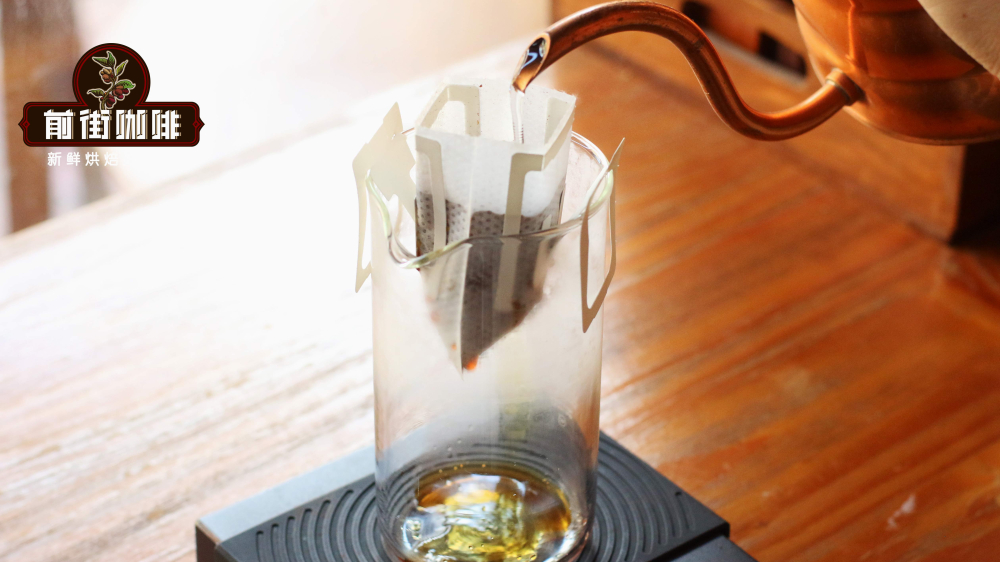
In 1990, Yamanaka Sangyo Co., Ltd. of Japan applied the concept of tea bags to coffee, invented drip bag coffee, and applied for a patent. However, the drip bag designed by Yamanaka Sangyo could not bear the weight of brewing coffee and easily lost balance during the brewing process, so it was not successfully commercialized. It was not until 1998 that Daiki Shoji improved the original invention by extending the hanging ear part outward, which led to today's drip bag coffee.
The drip bag series launched by Front Street includes sun-dried Sun-Dried Red Cherry, semi-washed Brazil Red Fruit, Honduras Sherry, and the seasonal drip bags with coffee beans randomly selected from 5 major producing regions. Of course, if customers need drip bag coffee made from a specified coffee bean, Front Street can also process and customize it on site~

Front Street Ethiopia Yirgacheffe Coffee
Yirgacheffe Red Cherry is actually a business plan to promote coffee quality, initiated by Menno Simons, founder of the Dutch green bean trader Trabocca. Trabocca realized that the quality of Ethiopian coffee beans was uneven, making it difficult to raise prices, and coffee farmers also had low incomes. In order to reverse this situation, it jointly launched the Red Cherry Plan with local coffee farmers to solve the problem at the source. By increasing the purchase price of high-quality green coffee beans, it encouraged coffee farmers to more attentively complete every process such as coffee bean picking and processing. During the picking stage, fully manual picking was adopted to select highly ripe coffee cherries.
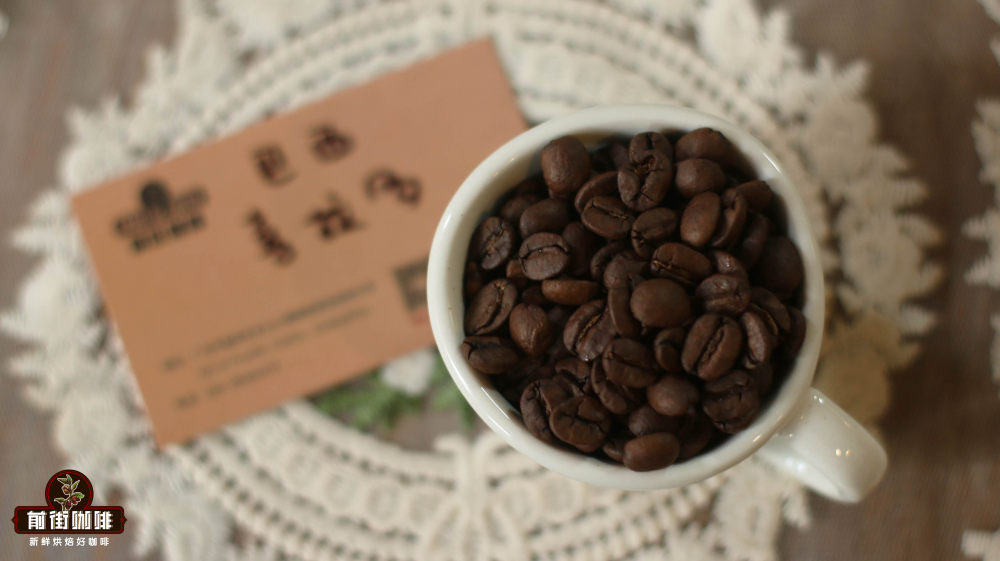
Front Street Brazil Red Fruit Drip Bag Coffee
Brazilian coffee beans were introduced from French Guiana (a country in northern South America) in 1720. Brazil was then a colony of Portugal, while many other South American countries were colonies of Spain. Therefore, most South American countries speak Spanish, while Brazil speaks Portuguese.
In order to introduce Guiana coffee beans to Brazil (at that time, the outflow of coffee to other countries was strictly prohibited), the Portuguese military officer stationed in Brazil captured the heart of the wife of the governor of Guiana and successfully brought coffee seeds into Brazil. Since then, coffee adapted rapidly in Brazil, spreading from the north to the southeastern state of Sao Paulo. By 1845, Brazilian coffee beans already accounted for 45% of the world's total coffee beans. Currently, Brazil is the world's largest coffee exporting country.

Front Street Coffee (FrontStreet Coffee) not only includes Brazil in its drip bag series, but Brazilian coffee can also be found in its daily ration bean coffee series. This shows that Brazil, as a coffee-producing country, is an indispensable presence in classic coffee flavors. Front Street's daily ration beans are the "face" of regional coffee beans, because their basic regional flavor is more recognizable, and they are also low-priced, highly cost-effective coffee beans.
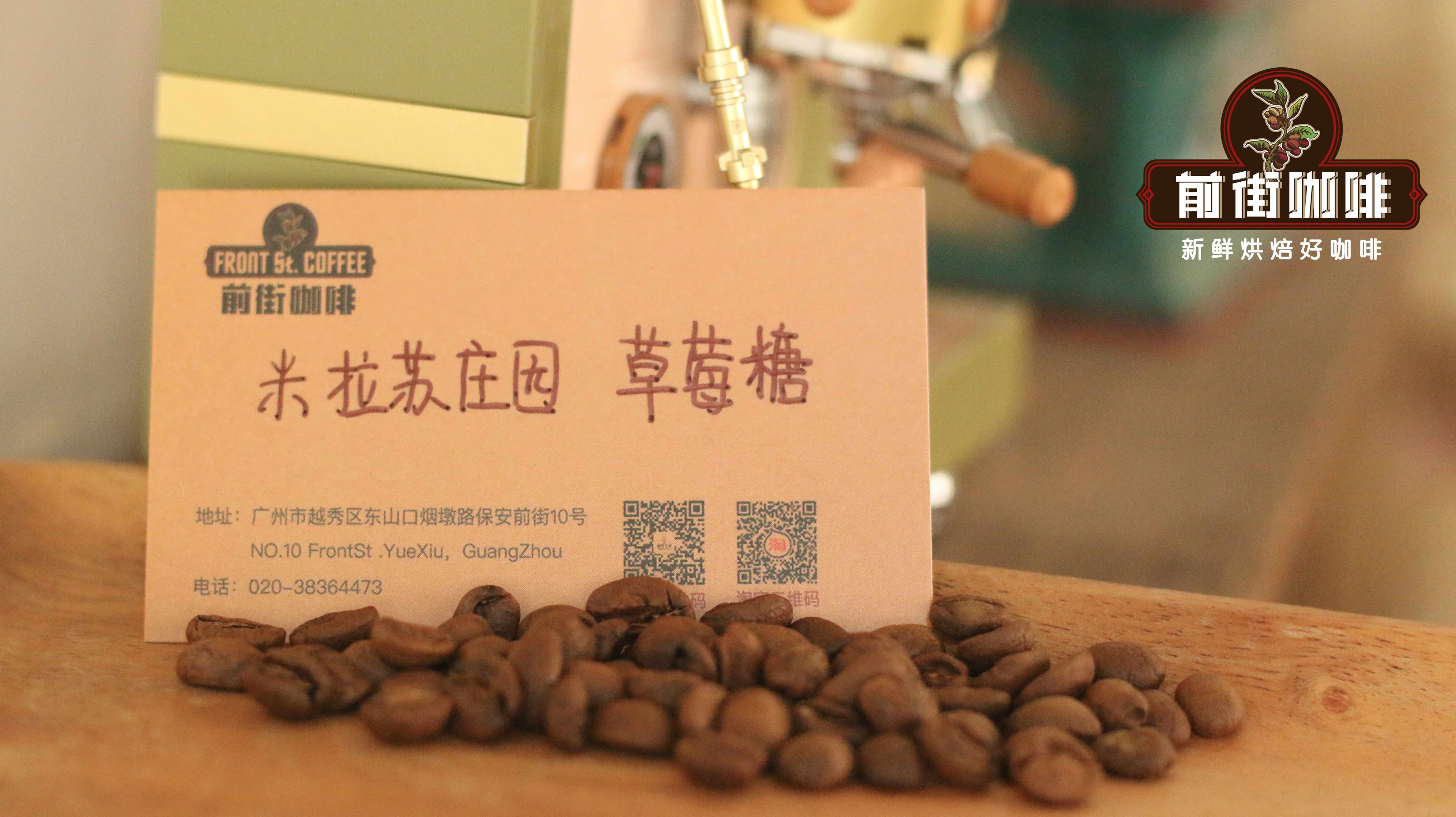
Front Street Strawberry Candy Geisha Blend Drip Bag Coffee
It was not until Daniel Peterson, owner of Panama La Esmeralda estate, accidentally discovered that the coffee beans produced by the Geisha coffee trees originally used as a windbreak at the highest point of his coffee estate actually had the citrus and floral aromas unique to African beans, so he separated these coffee beans, entered the 2004 Panama coffee bean cupping competition, and became famous overnight. Since then, Geisha beans have been unstoppable, winning the Panama coffee cupping competition championship for many years in a row. In the eyes of specialty coffee lovers around the world today, Geisha coffee beans are undoubtedly the supreme treasure.
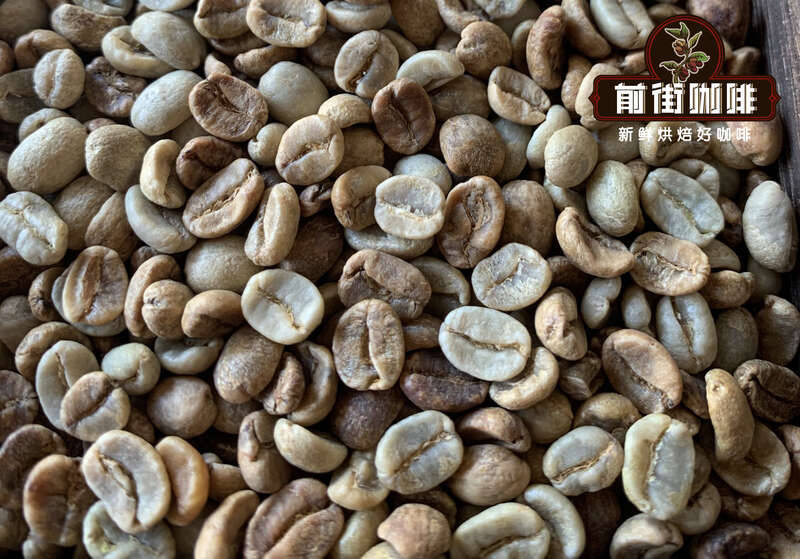
The raisin honey process is a method that retains 100% mucilage and uses zero water treatment. This method increases the difficulty of the honey processing method, which requires strict control of timing. The estate owner first screens the harvested coffee cherries, places the selected coffee cherries on raised beds to dry for at least three days, and then removes the peel. Interestingly, the depulper developed by the estate owner himself is different from others: it can process two different kinds of beans at once.
After removing the peel, the mucilage is retained and then dried. At this stage, climate factors are the key to the success of honey processing. During the drying process, these coffee beans must be constantly turned to ensure even drying, but the frequency of turning must be well controlled. Drying should be slow to ensure that the coffee undergoes fermentation, but not so slow that over-fermentation occurs. Through cupping, Front Street Coffee (FrontStreet Coffee) found that the raisin honey process, after retaining 100% mucilage for sun drying, gives the coffee a full sweetness and also a fermented sweet aroma like candied fruit.
Seasonal Drip BagsFrom the main seven producing regions listed by Front Street, coffee beans from 5 producing regions are randomly selected to make drip bag coffee. They are Ethiopia Yirgacheffe (citrus fruit profile), Indonesia Mandheling (herbal, rich, nutty), Brazil Cerrado (clean nutty), Colombia Huila (peanut butter), Costa Rica Tarrazu (nutty toffee), and Yunnan small bean (fruity and tea-like). Choosing seasonal drip bags is like opening a blind box; perhaps there will be unexpected surprises~
How to Brew Drip Bag Coffee
The drip coffee bags and drip bag coffee packs on the market contain about 8-12g of coffee grounds. If you want a stronger brew, use about 150 c.c. of water. Generally, the recommended brewing water amount is 180-200 c.c. Of course, adjust according to personal taste. (Front Street Coffee (FrontStreet Coffee) drip bag coffee all weighs 10g, mainly medium to medium-dark roast, and the recommended water amount is 180 c.c.)

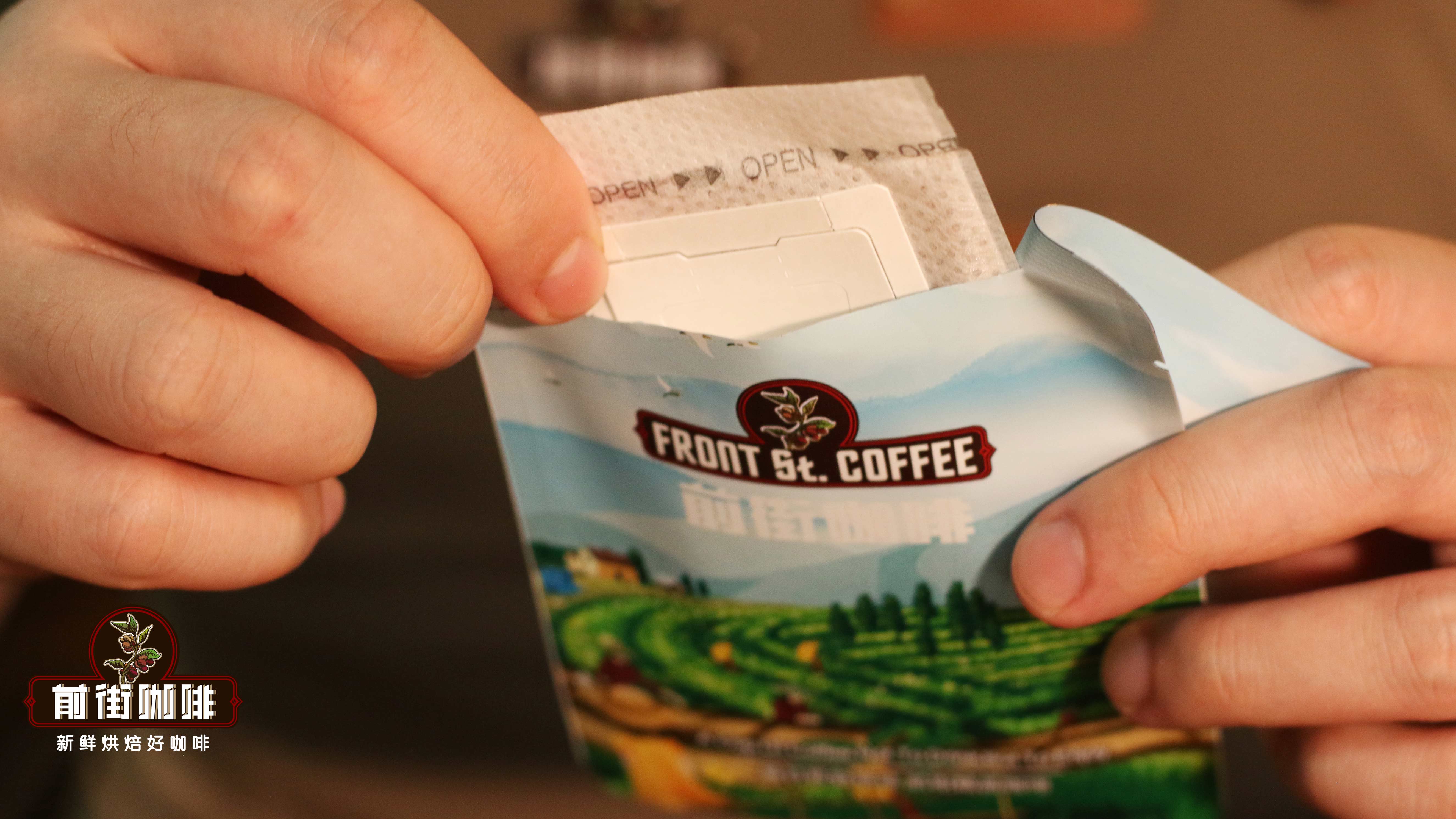
1. Along the tear-open indicated opening, carefully and neatly open the packaging bag.
2. After shaking the drip bag flat, tear open the sealing opening of the coffee powder bag, evenly spread the drip bag open, and hang it on the rim of the coffee cup.
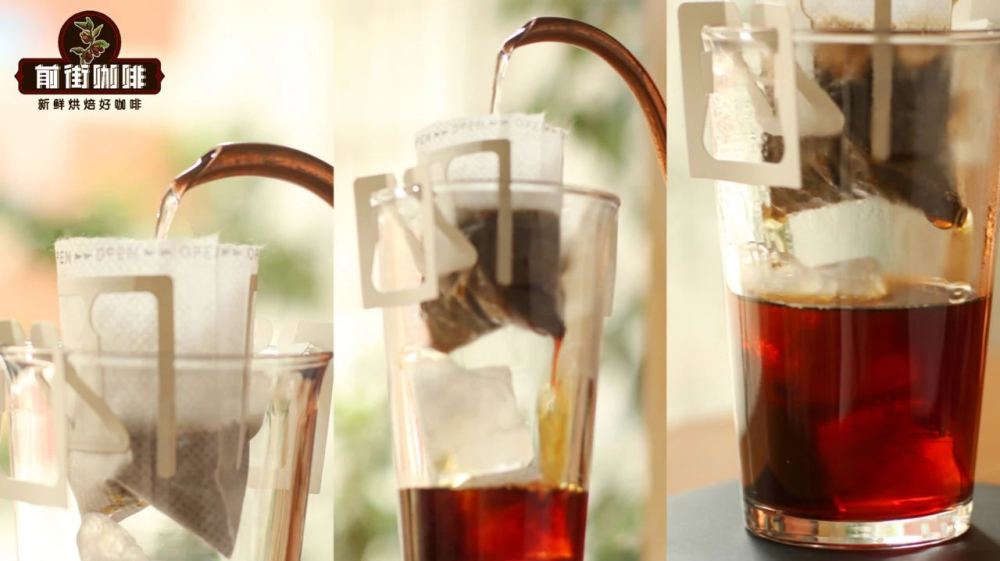
3. Prepare a kettle of boiling water (the recommended brewing temperature is between 85°C and 95°C). It is recommended to use purified water. After the water boils, let it sit for about 1 minute before pouring. When pouring hot water, pour it into the filter bag at a steady speed (not too fast, and the water flow should not be too strong, to avoid overflow).
In addition, here is a parameter for the blooming time: generally, controlling the blooming at 25-30 seconds is enough.
4. After the liquid level in the filter bag drops, pour again.
5. When the amount of coffee liquid in the cup reaches 7/10 full (180 ml), carefully remove and discard the drip bag.
Can Drip Bag Coffee Be Mixed with Milk?
Actually, this question is only a matter of personal preference. In essence, there is no problem at all with adding milk. But Front Street suggests that drip bag coffee is still best enjoyed for its original flavor, and the effect of adding milk differs depending on the type of coffee. For example, after adding milk to a fruity Yirgacheffe, the taste will be less than ideal, while adding milk to a more bitter coffee such as Brazil will make it appear smooth and fragrant.

Some people ask why not just pour hot milk directly in to extract? This is because after hot milk is poured onto the room-temperature coffee powder in the drip bag, it quickly cools and coagulates into a milk skin that clogs the filter bag. So after brewing about 30-40 c.c., the filter bag becomes completely blocked by the milk skin and then it's GAME OVER. Although drinking it this way is rich, it is a pity that the normal amount of coffee cannot be extracted, especially when you use good beans. It is recommended to continuously pour hot milk until extraction is finished, rather than pouring it in several batches, in order to maintain the temperature throughout.
The above content is compiled by CoffeeHunters, a coffee news website.


