







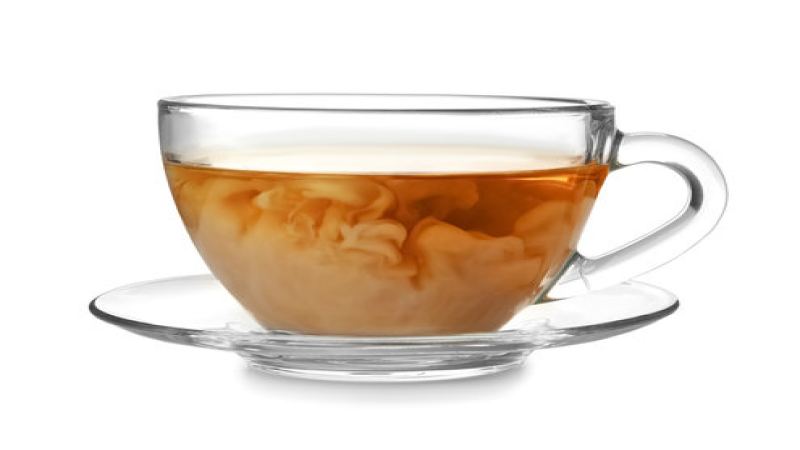
Cappuccino Origin of Name: How Milk Order Connects to Coffee History
Adding milk to tea has a history spanning centuries, from Tibetan butter tea to Indian masala chai and British builder's tea. The order matters because milk proteins bind with tannins in black tea, softening bitterness and astringency. Pouring milk first versus tea first changes how those compounds interact, which affects both mouthfeel and flavor.
Many assume the British invented milk tea, but dairy appeared in tea drinks in Tibet as early as 781 AD, when tea spread toward Mongolia. In India, milk was already central to Ayurvedic drinks, though tea joined them only in the mid-19th century after British plantations were established. Coffee brewed with milk offers a parallel case of how additions reshape a drink.
Adding milk to tea hides a rich history and scientific principles behind this habit. From Tibetan butter tea to Indian masala chai, and then to British builder's tea, the combination of milk and tea has spanned multiple centuries and civilizations. Why do people add milk to tea? Should milk be poured first or tea first? What different flavor experiences does the order bring? This article will take you through the historical origins of milk tea, explore various theories about adding milk, and deeply analyze the interaction between milk and tannins in black tea, helping you understand the science and culture behind this everyday beverage. Whether you are a purist or a milk tea enthusiast, you can gain new insights from it.
Are you in the habit of adding milk to your tea? Or do you insist on drinking it plain, never adding any dairy products? There are always lively discussions surrounding the timing, method, and motivations for adding milk. Around the world, many regions' tea traditions include milk, so let's delve into this controversial topic.
The History of Adding Milk to Tea
Many people think that adding milk to tea was a British invention, but this is not actually the case. Britain did not encounter tea until the 17th century, while as early as 781 AD, dairy products had already appeared in tea drinks in Tibet, when tea was spreading from China to Mongolia.
In India, milk is an inseparable component of masala chai, and its origins may date back thousands of years to Ayurvedic drinks. However, the true integration of tea into this beverage had to wait until the mid-19th century, after the British established tea plantations locally.
The names for tea with milk vary by region and culture, but they are usually collectively called "milk tea." As can be seen, the variety and styles of milk tea available for tasting are extremely rich. However, we first need to answer a key question—"why."
Why Add Tea to Milk?
What exactly are the reasons people add milk to tea? It is not easy to trace precisely, but several theories are quite persuasive.
The tea that entered Western Europe in the 17th and 18th centuries was actually of quite good quality. However, long sea voyages, improper storage conditions, and even adulteration often resulted in tea that was unpalatable when brewed. One view holds that adding milk to such tea was to harmonize the flavor and soften the sharp taste.
Another explanation from the same period relates to ceramic teacups made in Europe. Early European cups were both fragile and expensive, and pouring hot tea into them sometimes caused them to crack. If a small amount of cold milk was first poured into the cup, it allowed the cup to gradually adapt to the temperature, reducing the thermal shock from the tea and thus preventing breakage.
Nutritional factors cannot be ignored either. As mentioned earlier, dairy products in Tibetan tea could supplement nutrients and ward off hunger. The British working class adding milk to tea during the Industrial Revolution was also for similar reasons. "Builder's tea" is a brewed drink with milk and sugar, intended to keep laborers energized throughout the day.
Overall, adding milk to teas with high tannin content (such as black tea) can significantly improve the smoothness of the brew. Tannins bring bitterness and astringency, that is, a drying sensation in the mouth. When milk combines with tannins, it can also add a hint of natural sweetness, making the overall flavor softer. This also helps compensate for the problem of some black tea blends being of poor quality with high tannins.
The above content is compiled by CoffeeHunters, a coffee news website.


