







How the square takeaway cup became a viral coffee shop topic
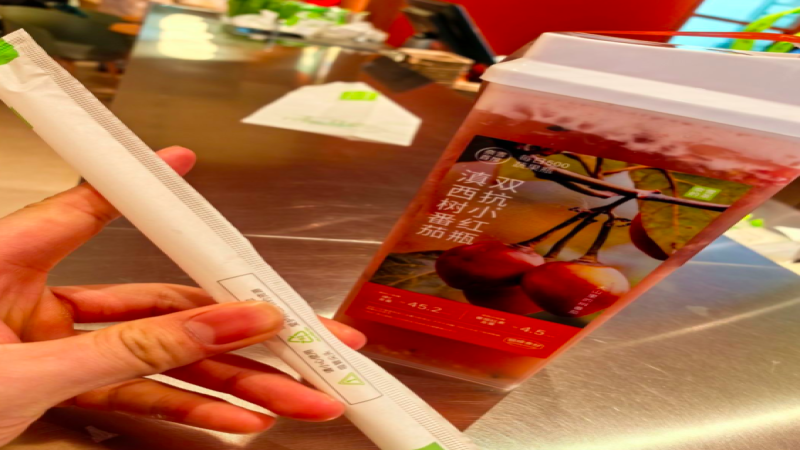
Nayuki's Daily 500 Fruits & Vegetables series drew attention less for its drinks than for a square takeaway cup made of PP5 plastic with a white sealed lid. Customers reused the cups for storage and pen holders, and the cup briefly became more talked about than the drink itself. After headquarters tightened material supply, the old note-based request stopped working.
Orders can now only get the square cup by paying extra through the official mini-program to upgrade the cup type. The shift shows how a distinctive shape can turn packaging into a viral object, and how quickly a brand will step in once material demand outruns supply and store-level favors become the norm.
Nayuki's recently promoted "Daily 500 Fruits & Vegetables" series has sparked heated discussion on social platforms, but unexpectedly, what really catches the eye is not the flavor of the drinks, but the square takeaway cups specially designed by the brand for this series. This cup, with its square shape, PP5 material, and white sealed lid, quickly became popular because of both its looks and practicality, and at one point even created a situation where "the cup is more popular than the product." Many consumers added notes to their orders asking for the square cup, and store employees were once happy to oblige. However, as demand surged, the brand headquarters began regulating material supply. Now, if you want the square cup, you can only pay extra through the official mini-program to upgrade the cup type. The once-circulated "leave a note and get a square cup" hack has already stopped working. This article sorts out the ins and outs behind this phenomenon and explores how brands can balance material control with consumer expectations.
▲
Click to follow | Daily specialty coffee culture magazine Coffee Workshop
Recently, Nayuki has successively launched new products in its "Daily 500 Fruits & Vegetables" series, successfully stirring the curiosity of many fruit-and-vegetable tea drink lovers. Interestingly, however, the heated discussion on social platforms has not focused entirely on the taste of the drinks. Instead, the takeaway cup specially designed by the brand for this series has become the center of attention.
In most people's understanding, takeaway cups at tea shops are basically round, in line with everyday hand-holding habits. But Nayuki deliberately made a batch of square cups for the fruit-and-vegetable series. The square shape stands out sharply among all the round cups, and it attracted a large crowd as soon as it appeared.
In addition, this square cup is made of durable, food-contact-safe PP5 material and comes with a white lid with excellent sealing. For people who value practicality, it was like striking gold. They wash the empty square cup after drinking and use it to store dry goods, as a pen holder, and for all kinds of reuse.
With both a distinctive appearance and real secondary-use value, Nayuki's square cup paired with the new product quickly fermented on social platforms, and at one point there was even a situation where "the cup is more sought after than the product." Customers who wanted the square cup specifically left notes when placing orders, just waiting for staff to help fulfill this small wish.
However, recently a netizen followed the method shared in posts and also wrote a note when buying Nayuki's fruit-and-vegetable series, hoping the staff would use a square cup for the drink. But when the delivery arrived, only one cup of the newly launched tamarillo juice used a square cup, while the other cup of wax apple fruit-and-vegetable juice still came in an ordinary round cup.
With half of her expectations dashed, the customer could not help but feel a little disappointed, and was also confused by the staff's words: "Sorry, we can't give it." She said she had seen many guide posts about asking for square cups, and some people had even gotten one without buying the new product, just by mentioning it in the order. She did the same but only got one.
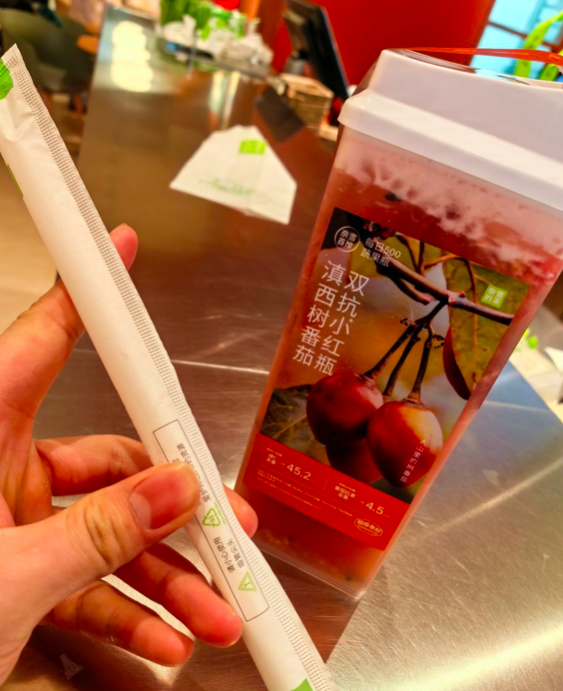
Faced with such questions, Nayuki store employees also felt helpless, saying frankly that it was not that they were unwilling to give them, but that the brand no longer allowed it. They explained that after the square cups became popular online, more and more customers went to stores asking for square cups. At first, headquarters did not pay attention to this matter, and employees were afraid that refusing customers would lead to bad reviews, so many people could get one or two empty square cups just by leaving a note.
But now the situation has changed. "Because too many people were asking for them, headquarters began regulating material supply..." Even when employees see customer notes, they do not dare to hand them out casually as before, for fear that during inventory checks the number of square cups will not match up and they will be called in by the person in charge to write a report explaining.
In addition, some people noticed that the fruit-and-vegetable series now has an extra cup-type option on the official mini-program. If customers want the high-appeal square cup, they have to pay extra to upgrade. If they forget to select the cup type when ordering but leave a note, staff will follow the order contents and pack it only in the regular round cup. As for the online trick of "leave a note and get an empty cup," it has already become an expired freebie, and this kind of rule-breaking operation is very unlikely to appear again.
According to Nayuki internal employees, the square takeaway cup costs a bit more than the store's regular takeaway cups because of its material and shape. The earlier "leave a note and get a square cup" trend on the internet, although it helped make the new series popular, also invisibly increased store consumption of packing materials and pushed up operating costs, which is what drew attention at the company level.
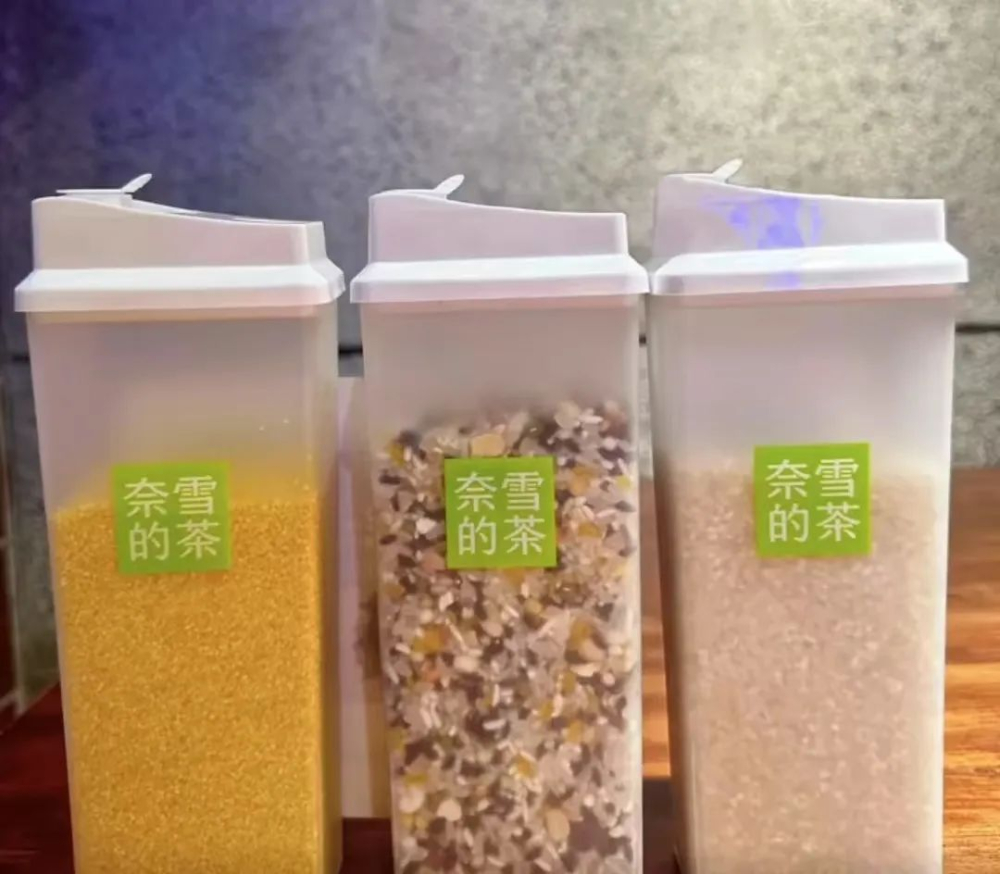
Some believe that the brand should now issue clear regulations and strictly manage store packing materials. Not only square cups, but also insulated bags, paper bags, and other packaging materials used for takeaway should not be given on demand just because a consumer says "give me one extra." Instead, they should be allocated according to the order contents. Only in this way can material loss and waste be reduced.
Image source: Xiaohongshu
Disclaimer: Some images in this article are from the internet. For some content on the website, such as images, we will respect the original author's copyright and indicate the source. However, due to the large volume, a few images and texts may not have been credited in time. Please understand. If the original author has any disputes, they may contact the website for handling. Once verified, we will correct it immediately. Compiled and edited by "Coffee Workshop." Please indicate the source when reposting. If there is infringement, please inform us for deletion. Thank you~!
The above content is compiled by CoffeeHunters, a coffee news website.


