







How Coffee Dripper Materials Change Extraction
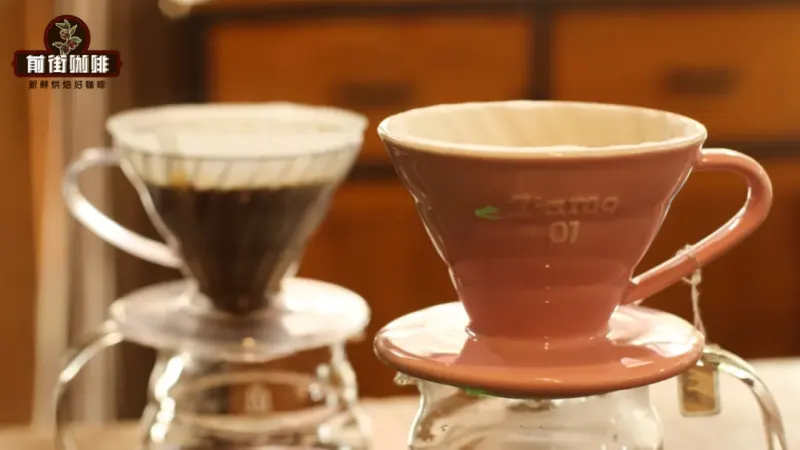
The material of a pour-over dripper changes how heat moves during brewing. Ceramic has high specific heat capacity and thermal conductivity, so it absorbs a lot of heat from the water quickly. Resin has lower values, so it pulls less heat. Without preheating, a ceramic dripper cools the slurry more, which can lower extraction and make coffee taste less bitter. Resin stays closer to the water temperature.
To manage this, preheat a ceramic dripper with hot water before brewing. This raises its temperature so it steals less heat from the slurry. If you skip preheating, use slightly hotter water or a finer grind to compensate. For resin, preheating is less critical, but it still helps consistency. Adjust one variable at a time and taste the results to find what works for your setup.
The material of a pour-over coffee dripper is not just about feel and appearance—it genuinely changes the flavor in the cup. Front Street Coffee has shared before that the reason different dripper materials produce different extraction results comes down to two physical indicators: specific heat capacity and thermal conductivity. Thermal conductivity determines how quickly heat transfers, while specific heat capacity determines how easily a substance heats up or cools down. Together, they determine how much temperature a dripper "steals" from the hot water. This article will start from these two concepts to explain why a ceramic dripper makes coffee less bitter when not preheated, why it's best to preheat a ceramic dripper with hot water before use, and offer parameter adjustment suggestions based on actual brewing.
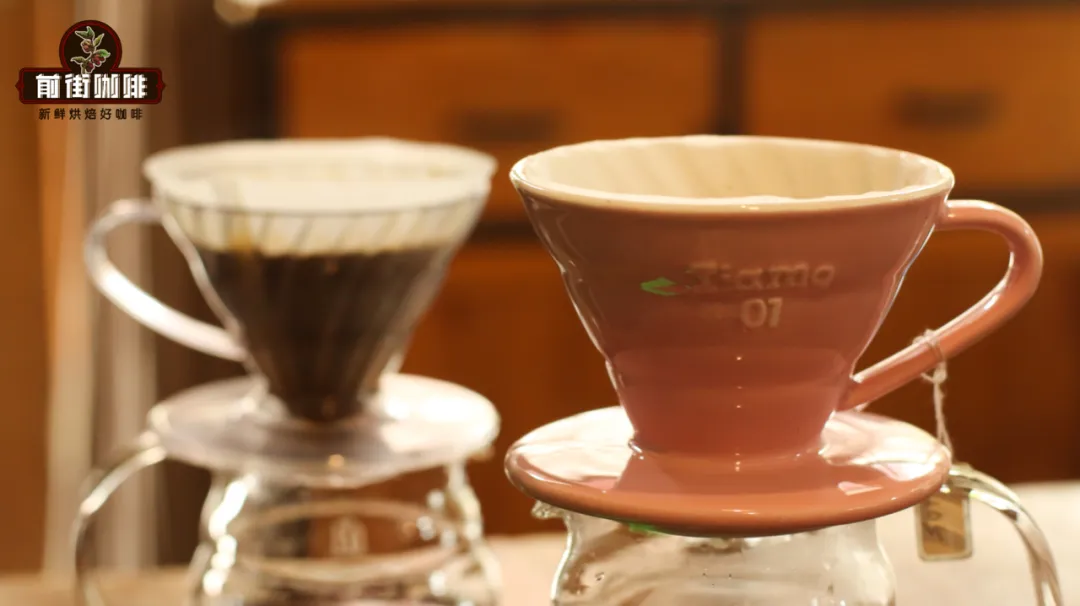
To answer the question of what material to choose for a dripper, we need to start with how material affects extraction. Front Street Coffee has previously explained: different dripper materials lead to different extraction performance, and the root cause lies in differences in their specific heat capacity and thermal conductivity.
Thermal conductivity describes the "speed" at which heat transfers between materials. Two objects in contact will eventually reach the same temperature; the higher the thermal conductivity, the faster heat transfers; the lower the thermal conductivity, the slower heat transfers. Specific heat capacity refers to the heat capacity per unit mass of a substance. The level of specific heat capacity determines how quickly a substance's temperature rises or falls: the higher the specific heat capacity, the slower it heats up, because it needs to absorb more heat to change temperature, but it also cools down more slowly, and vice versa.
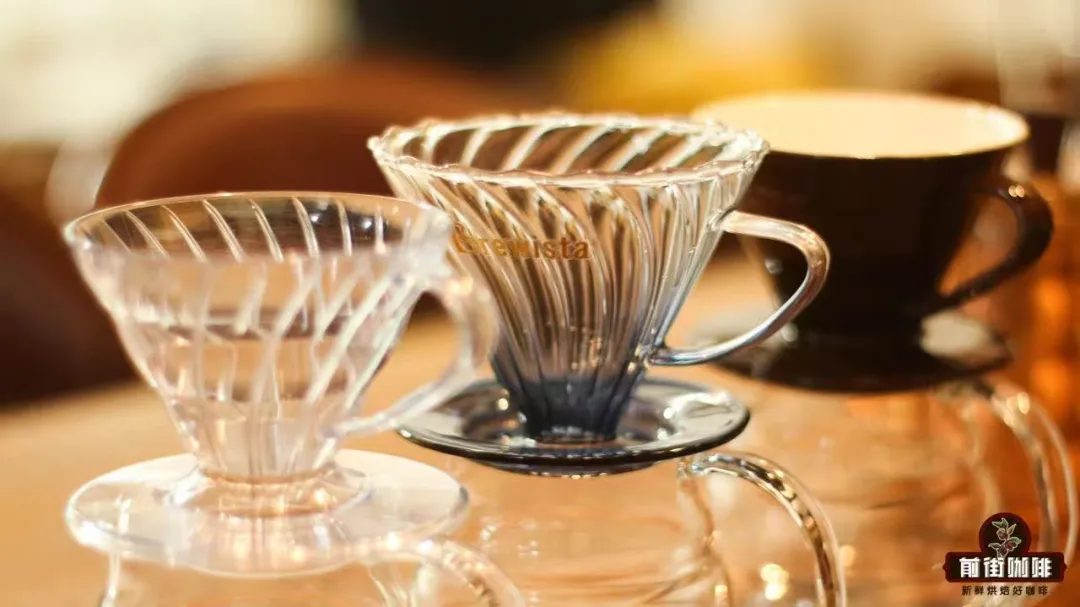
Different materials have different thermal conductivities and specific heat capacities, and together they determine how strongly a dripper absorbs heat. If not sufficiently preheated, the dripper will absorb heat from the brewing hot water until its own temperature matches the hot water. The higher the dripper's thermal conductivity, the faster it absorbs heat from the hot water; the higher the specific heat capacity, the more heat it draws from the hot water, and vice versa. Water temperature directly affects extraction efficiency: the higher the water temperature, the higher the extraction efficiency; the lower the water temperature, the lower the extraction efficiency. In other words, when a dripper has both high specific heat capacity and high thermal conductivity, if it is not preheated, its heat absorption capacity will be very strong, and it will "seize" more temperature from the hot water to "replenish itself."
Once the water temperature drops, the extraction efficiency of the hot water also decreases, resulting in a reduced total amount of dissolved coffee substances, and the taste naturally differs. The ceramic dripper is exactly such a "character." Without preheating, its heat absorption capacity is extremely prominent, which lowers the hot water temperature and dissolves relatively fewer substances. Therefore, when parameters and brewing methods are completely identical, coffee brewed with a ceramic dripper will be less bitter than with drippers of other materials. However, it's not just bitterness—actually all flavors are weakened, but bitterness is more prominent, so it feels especially noticeable.
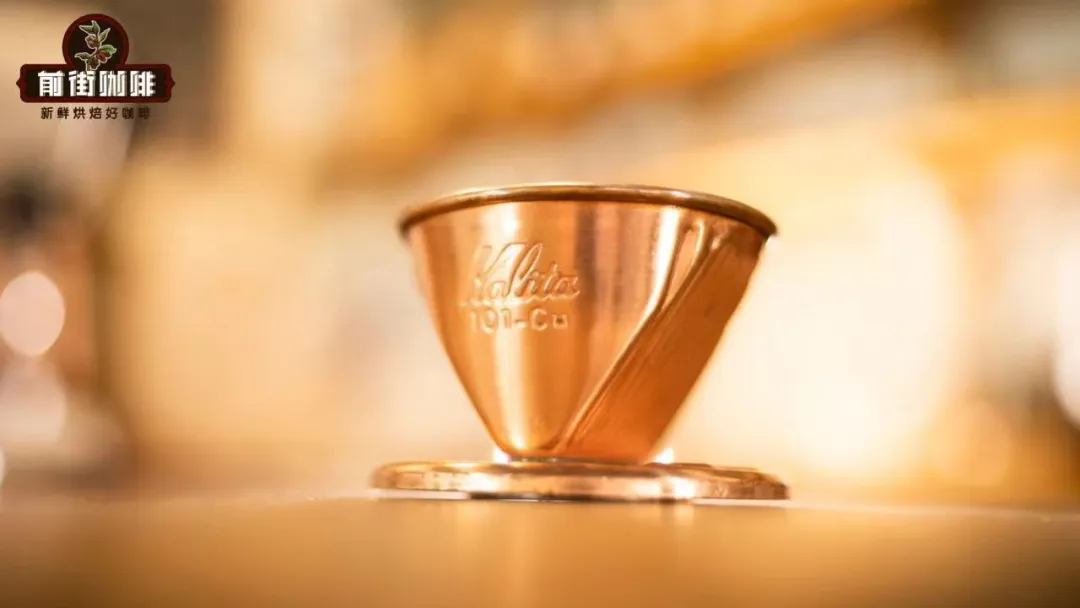
So when using a ceramic dripper, it's best to preheat it with hot water before brewing, which ensures the hot water temperature won't drop due to the ceramic dripper; at the same time, the preheated ceramic dripper, thanks to its high specific heat capacity, can also provide lasting heat retention, allowing the liquid temperature in the dripper to drop more slowly. But this is also where caution is needed: continuously maintaining a high temperature will relatively improve extraction efficiency, so it's best to adjust parameters appropriately based on the coffee's taste. - END -
The above content is compiled by CoffeeHunters, a coffee news website.


