







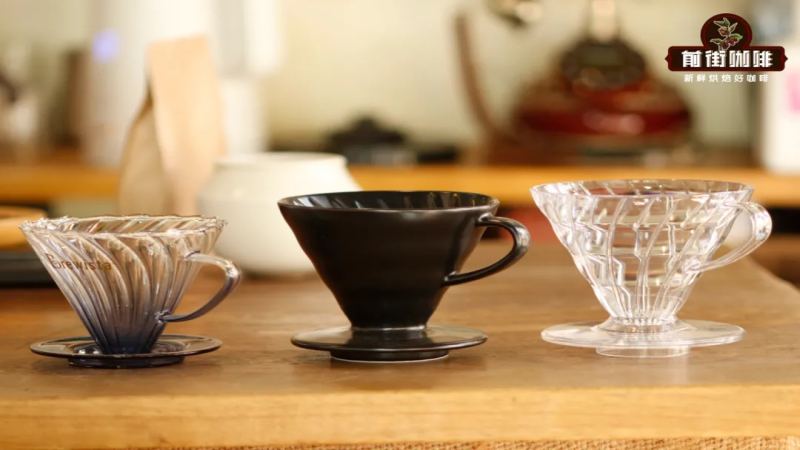
Does Yirgacheffe taste different in resin, glass, and ceramic V60 drippers?
Material mainly affects heat retention and flow rate, not the design itself. In a side-by-side V60 test with 15g of Ethiopian Yirgacheffe Gudingding washed beans, 91C water, medium-fine grind, a 1:15 ratio, and a two-stage pour, the ceramic cone held coffee-bed heat the longest, while resin lost heat fastest without preheating.
Preheating narrowed much of the gap. Coffee-bed temperatures were logged during pouring, blooming, and after extraction finished, with and without preheating, and the flow rates of each material were compared. Since the beans, dose, and grind stayed identical, differences in the cup traced back to the dripper rather than the coffee green bean.
Faced with the dazzling array of V60 drippers on the market, many budding pour-over enthusiasts are puzzled: they're all drippers, so why is there such a big price gap between resin, glass, and ceramic? Does the coffee brewed really taste different? This time, Front Street Coffee conducted a dedicated comparison test using Ethiopian Yirgacheffe Gudingding washed beans, and under the same dose, water temperature, grind size, and brew ratio, examined the heat retention performance, flow rate, and final flavor tendencies of the three material drippers. The article not only provides the coffee bed temperature data without preheating and after thorough preheating, but also explains in detail how different materials affect the extraction rhythm, helping you choose the dripper that's truly suitable for home use based on the beans you usually drink and your budget.
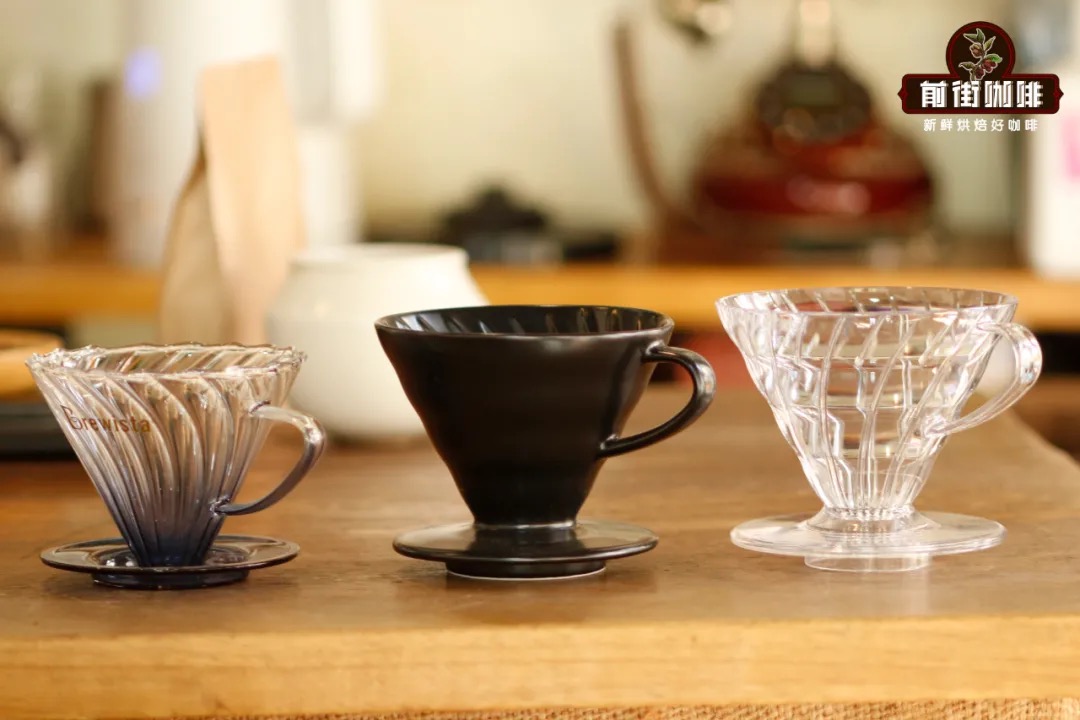
Front Street Coffee previously received a reader comment: "I just want to buy a simple V60 dripper—why are there so many materials? And the prices vary so wildly. Does the coffee brewed really taste different?"
What exactly is the difference between drippers of different materials?
The most common V60 dripper materials on the market today are mainly resin, glass, and ceramic, and their core differences lie in heat retention and flow performance. There are of course also portable aluminum versions and pricier brass versions, but these two are not mainstream choices, so we won't go into a comparison of them here.
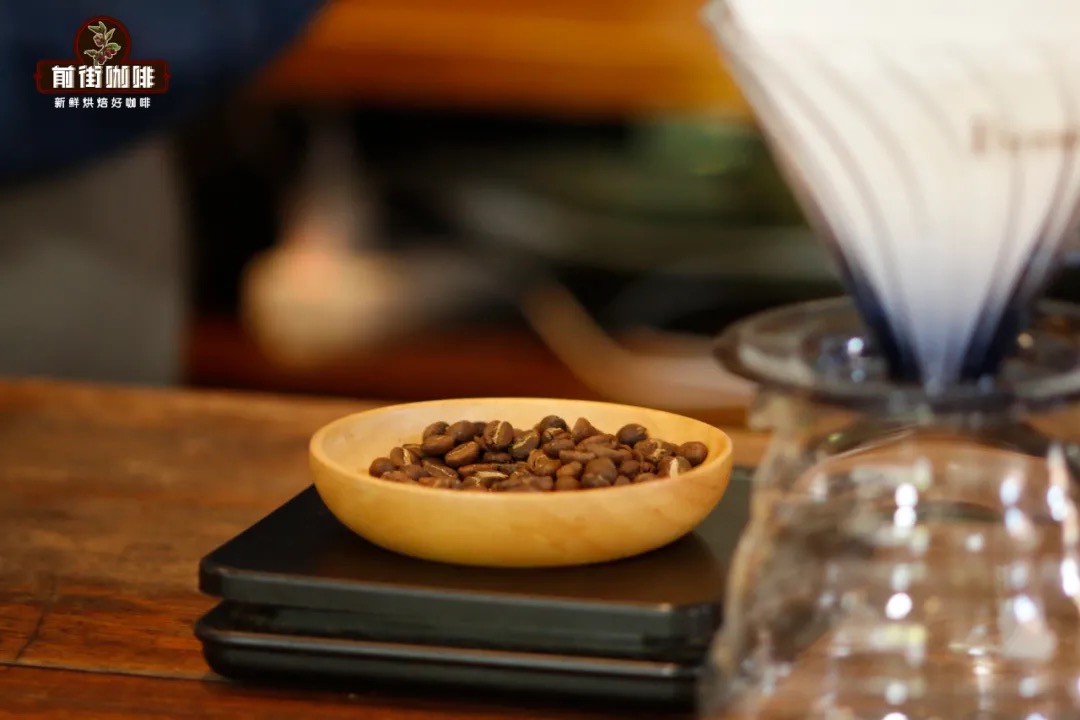
This time, Front Street Coffee selected Ethiopian Yirgacheffe Gudingding washed coffee beans to conduct a brewing comparison between different drippers. The parameters were set as 15g dose, 91°C water temperature, medium-fine grind (about the coarseness of fine granulated sugar), 1:15 brew ratio, poured in two stages.
"Heat Retention Comparison"
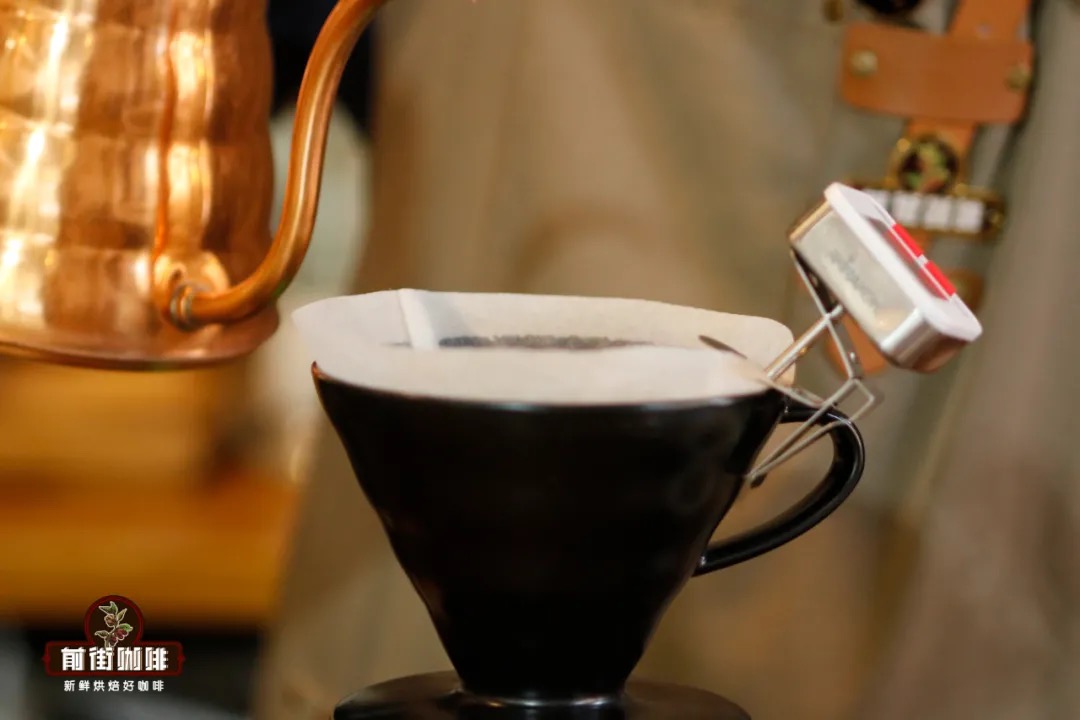
Front Street Coffee first tested the coffee bed temperature after pouring in the coffee grounds, the coffee bed temperature during blooming, the coffee bed temperature during the pouring stage, and the temperature of the brewed coffee after extraction was complete, under two conditions: without preheating and after thorough preheating.
Comparison without preheating the dripper
Comparison with even preheating of the dripper
From these two sets of data, it's clear that the ceramic dripper has the most outstanding heat retention during brewing, but there's an important prerequisite—the ceramic dripper must be preheated evenly. Although it retains heat well, due to the material's heat absorption rate and thickness, getting the entire dripper to a consistent temperature requires using more hot water.
As for glass, whether preheated or not, its temperature stability is somewhat more consistent than resin, maintaining a balance of coffee temperature throughout the entire extraction stage—it doesn't heat up slowly like ceramic, nor does its temperature climb rapidly like resin.
Resin ranks last among the three materials in heat retention, and it's quite "stubborn"—no matter whether you preheat or not, the coffee bed temperature during extraction doesn't fluctuate much.
So if the ceramic dripper retains heat so well, does the coffee it brews necessarily taste better? Not necessarily.
"Coffee Flavor Comparison"
In terms of flavor expression, Front Street Coffee believes that coffee brewed with resin and glass drippers has a richer layering, while coffee brewed with the ceramic dripper has a fuller mouthfeel but with a slightly green, astringent note in the finish.
Different flavor compounds in coffee are released at different temperatures. Resin and glass dissipate heat faster, so during brewing the coffee bed temperature rises with pouring, drops when pouring stops, then rises again with the next pour, forming a wave-like temperature variation. The ceramic dripper's temperature fluctuates relatively less, and the coffee is basically extracted in a high-temperature environment the whole time; combined with the ceramic dripper's slower flow rate than resin and glass, the flavor is fuller, and there may even be slight over-extraction.
"Flow Performance Comparison"
Although all three drippers feature curved spiral ribs on the wall extending from the rim down to the outlet hole, designed as much as possible to meet the coffee grounds' degassing needs, Front Street Coffee found through observation and touch comparison that the ribs of the resin and glass drippers feel more pronounced than those of the ceramic dripper. After wetting, a larger gap can be left between the filter paper and the dripper wall, thereby increasing flow rate—these two are suitable for brewing coffee beans with richer layering.
Before wetting | During blooming | During pouring | Extraction complete | |
Resin material | 28.6℃ | 80.4℃ | 86.2℃ | 83.2℃ |
Glass material | 29.1℃ | 83.5℃ | 86.3℃ | 83.3℃ |
Ceramic material | 44.3℃ | 83.7℃ | 87.5℃ | 87.2℃ |
The ceramic dripper's ribs feel relatively smooth, and after the filter paper is placed and wetted, it more easily clings to the dripper wall, narrowing the degassing channel, so the extraction speed is slightly slower than resin and glass—it's better suited for brewing coffee beans that need a full mouthfeel or high body.
So what material coffee dripper should you actually get?
In terms of value for money, resin is undoubtedly the best—drop-resistant and durable, completely sufficient for beginners. Glass and ceramic are relatively more prone to breakage and more expensive, especially glass. If you usually like drinking dark-roasted beans or pursuing coffee with a full mouthfeel, you can consider ceramic; if you value an attractive appearance more, glass would be a good choice.
The above content is compiled by CoffeeHunters, a coffee news website.


