







How much does coffee material cost in a single cup?
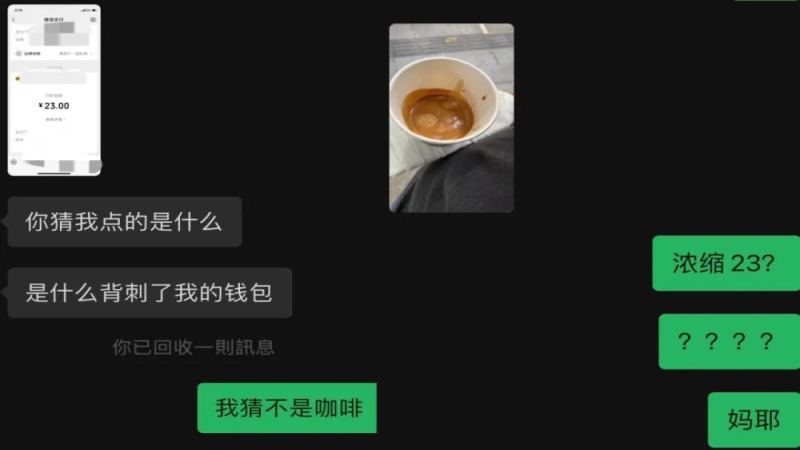
A double espresso priced at 23 yuan left one customer feeling stung, and complaints about confusing menus are common: some shops list no prices, some use only English names, and specialty drinks often exceed 40 yuan. The cost of a cup depends on store positioning, menu design, raw material costs, and cost-ratio calculations, which is why price variation is normal.
Rent, labor, utilities, renovation, and equipment investment differ from shop to shop, so an absolute cost figure is misleading. Coffee knowledge of basic cost ratios for espresso beans and milk gives independent cafés a reference range. Approaching pricing from store positioning and menu design helps owners set prices that cover costs without losing customers.
Many consumers have noticed that coffee shop menu prices are becoming increasingly baffling these days—an Americano easily costs 30 yuan, a specialty drink can breezily exceed 40 yuan, and when the bill comes, there's often a feeling of being "stung." So what exactly makes up the cost of a cup of coffee? And how should independent cafés scientifically price their products? This article approaches the topic from multiple angles—store positioning, menu design, raw material costs, and cost-ratio calculations—to sort out the basic logic of coffee shop pricing, and provides reference cost ranges for espresso beans and milk, helping coffee lovers and industry practitioners understand more clearly the economics behind a cup of coffee.
Professional coffee knowledge exchange. For more coffee bean information, please follow Coffee Workshop (WeChat public account: cafe_style)
For more specialty coffee beans, please add the private WeChat of Front Street Coffee (FrontStreet Coffee), WeChat ID: qjcoffeex
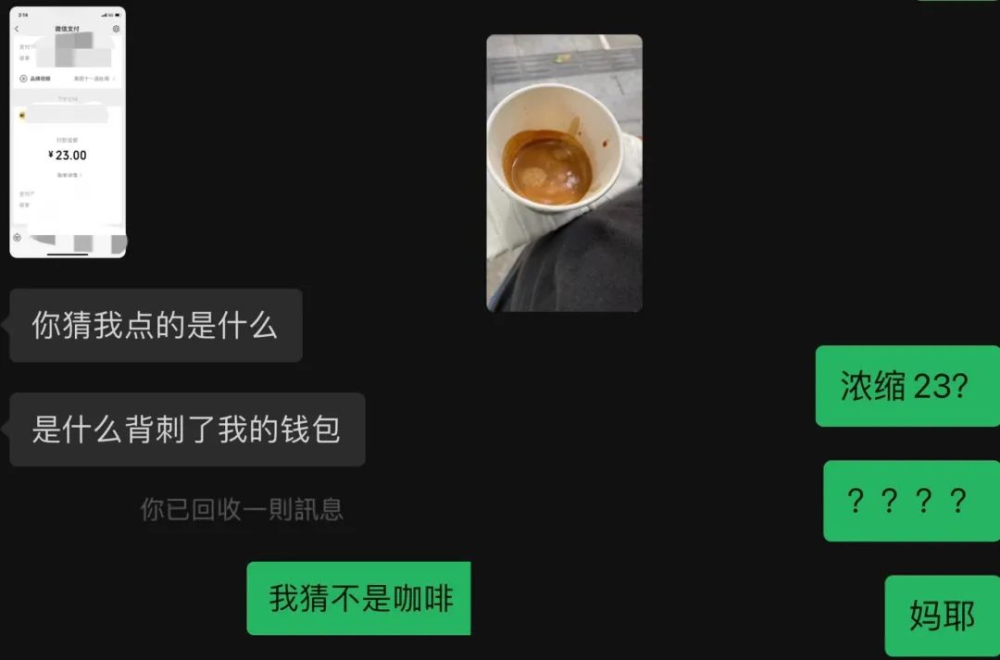
A while back, an acquaintance of mine sent me a receipt, full of surprise in his tone, saying he'd been "stung." At the time I thought he was overreacting, but when I asked, I learned that a double espresso actually cost 23 yuan—and suddenly I felt my own reaction was the exaggerated one.
Actually, it's not just him. Many netizens on social platforms have also complained that the way many coffee shops now label their prices is incomprehensible. Some shops only list product names without prices, some don't even have a Chinese menu—everything is in English—and only when it's time to pay do you realize it exceeded your expectations.
Some netizens say that even with clearly marked prices, seeing the numbers still makes their heart tighten. "Americano 30 yuan, latte 35 yuan, a specialty drink with a bit of syrup and fruit starts at over 40 yuan... I feel like I can barely afford to drink coffee anymore. The key is, the taste isn't even that amazing—spending this kind of money always feels like it's not worth it."
Faced with the ever-widening price range of coffee products today, many friends want to know: what exactly is the cost of a cup of coffee?
One thing should be clarified first: every coffee shop's rent, labor, utilities, renovation, and equipment investment are different, so price variations are normal. Therefore, this article won't directly calculate the absolute cost of a cup of coffee, but rather discuss how coffee shops typically price their products—and how they should price them.
"First define positioning, then design the menu, and finally costs and pricing"
From observation, the main reason many coffee shops sell at high prices is high rent and labor costs, combined with an inherently unreasonable menu structure. The store lacks a clear positioning for itself and hasn't researched the consumption habits of the surrounding customer base, resulting in an overly bloated menu that drives up material costs and increases waste.
So before designing a menu, a café must first clarify its positioning—whether it targets mass consumers, focuses on social media check-ins, or serves niche coffee enthusiasts. Objectively speaking, the flagship products on the menu are basically what the owner wants to promote and what customers are willing to accept.
The coffee products on the menu should match the store's location and style, which also means the location and decor themselves are part of the selling point. Therefore, the menu needs to be adjusted accordingly around these factors. For example: if the shop is in a residential community or small town, but the products and pricing follow the standards of a bustling commercial district or a big city, then both the menu and the prices will be intimidating.
So, treat the coffee menu as a product to be polished, making it a signature that draws customers to make a special trip, and then comprehensively consider costs and pricing. Only when positioning is clear can you better select materials, control costs, and price reasonably.
"How should menu products be priced?"
Many coffee shops actually buy materials first, then work backwards to products, so high pricing isn't their intention—it's that material costs themselves are high. They need to cover various expenses while also leaving a bit of profit margin.
So, you must first determine the coffee shop's main customer base, set an approximate price range, and then choose production materials.
If judging pricing from raw material prices, you can refer to the cost ratio—that is, the proportion of raw material costs in the product's selling price.
"Raw material cost = material cost × (1 + loss rate)" The loss rate is calculated at about 5%, such as the loss of defective beans in coffee beans.
"Cost ratio = raw material cost ÷ selling price × 100%"
For example (just an example): an Americano sells for 10 yuan, and its raw material cost should be around 3 yuan, so the cost ratio is 30%. Generally speaking, the cost ratio should not exceed 30% of the selling price, but it should also be combined with each store's actual situation, taking rent and labor costs into consideration.
"How to control material costs well"
Coffee equipment: choose only what's suitable, not what's expensive. It's not advisable to blindly spend money on expensive equipment right after opening—in the early stages, you really don't need to sink all your funds into equipment. The more expensive the equipment, the higher the product pricing will naturally be pushed.
Coffee materials: Whether it's coffee beans or other materials, when purchasing, you must choose suppliers, manufacturers, or brands with legal production qualifications—this is very important. Generally, the best-selling products in coffee shops are basically inseparable from espresso, so espresso greatly needs high cost-effectiveness, which is also the key to whether customers will come back to buy.
Espresso bean prices vary from high to low. Calculated per pound, espresso beans with an ordinary flavor profile range from 50–60 yuan; those with a more prominent overall flavor range from 70–80 yuan; those with more unique flavors, using estate coffee bean blends or SOE coffee beans, range from 90–150 yuan.
Generally, 1 pound of beans is about 454g. Calculated by double espresso, a cup of coffee beverage consumes about 17–20g of beans, which can make about 22–26 cups of product. The cost of espresso in one cup of product is 2.2–6.8 yuan.
Milk cost: ordinary fresh milk costs 11–13 yuan/L; better fresh milk costs 16–19 yuan/L. Based on the milk needed for a milk coffee plus loss, about 200ml is used, so 1L of milk can make 4–5 cups of beverage, with a cost of about 2.5–4.5 yuan.
But this is only the cost of coffee beans and milk. Adding in each store's rent, equipment, materials, and other costs, as well as positioning differences, independent cafés cannot compare with chain coffee shops. So it's normal for an independent coffee shop's beverage prices to be higher than chain stores.
Sometimes, when consumers go to an independent coffee shop for coffee, what they're after is the service and experience that chain stores can't provide. Product prices being slightly higher than chain stores is something everyone is mentally prepared for. Many people feel "stung" more because the output quality doesn't match the pricing, and combined with service that can't keep up, it feels not worth it.
Image source: Internet
The above content is compiled by CoffeeHunters, a coffee news website.


