







Search Results for: Mandheling Roasting
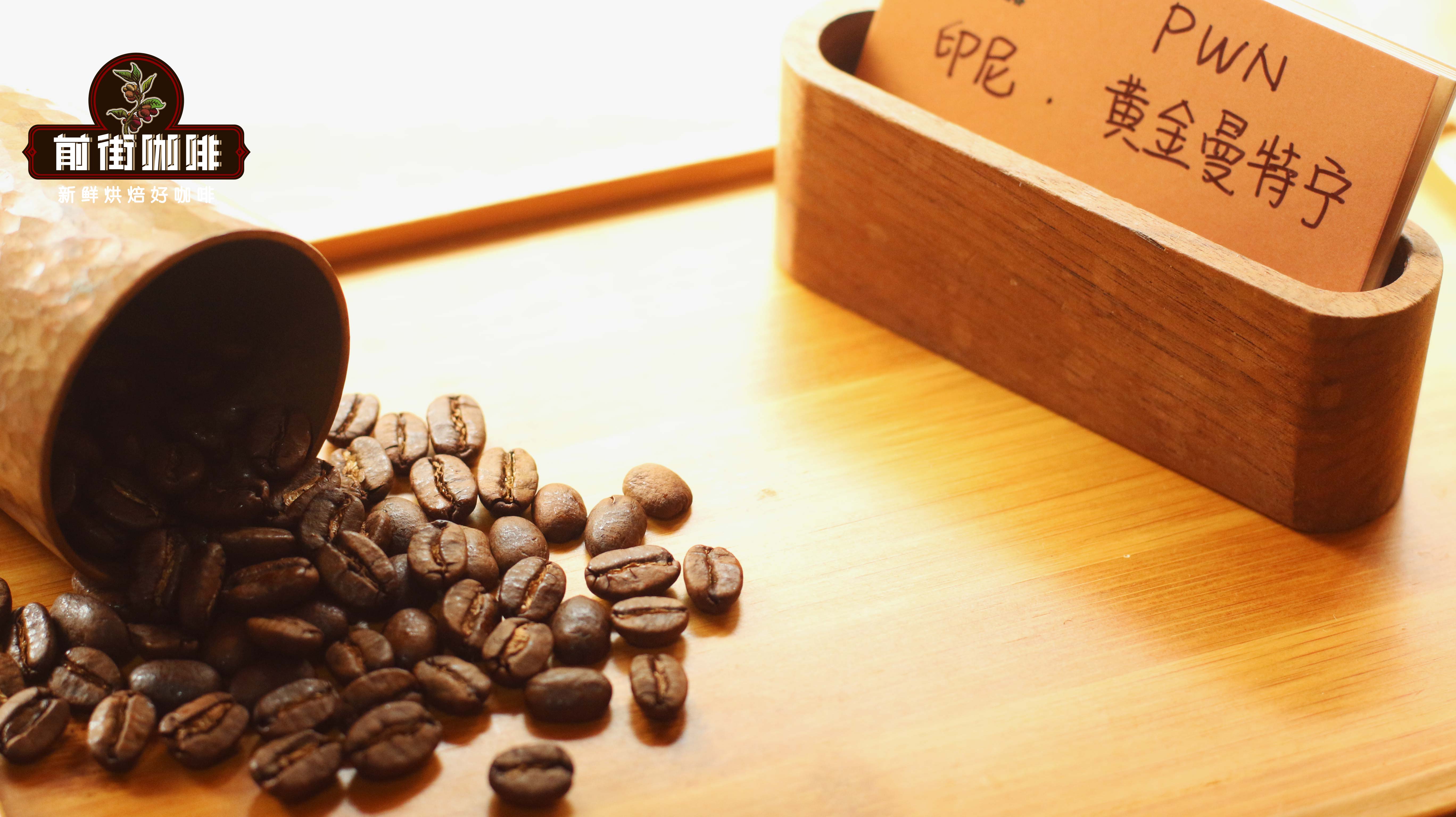
Is Golden Mandheling Really Not Sour? An In-Depth Analysis of Its Flavor Formation, Roasting Logic, and Brewing Key Points
When many people think of Golden Mandheling, what comes to mind is an impression of rich body, pronounced bitterness, and faint fruit acidity. This perception is in fact closely tied to the roasting approach adopted by most Golden Mandheling on the market—medium-dark to dark roasting has become almost the default option, and Front Street Golden Mandheling is no exception. But if we trace back to the green bean itself, Golden Mandheling is actually a coffee with fairly high acidity, and how that acidity expresses itself depends entirely on the depth of the roast. This article, from the perspective of Front Street Coffee, will systematically sort through the flavor origins of Golden Mandheling, PWN's quality control, Front Street's roasting philosophy, and how to brew it into a rich, smooth cup with a lasting sweet finish using a coarse grind, low water temperature, and an immersion-style dripper. [more…]

Sumatra Coffee Bean Flavor Analysis: Mandheling Varieties, Wet-Hulling Processing, and Roasting & Brewing Guide
Sumatra is one of Indonesia's most important coffee-producing regions, world-famous for Mandheling coffee. From the perspective of Front Street Coffee, this article systematically reviews the historical context of Sumatran coffee, the origin of the name Mandheling, and the connection between PWN and Golden Mandheling. The article focuses on the five Mandheling coffees on Front Street's bean list—Lintong, Golden, Tiger, Aged, and Wahana Estate Natural—analyzing each one's region, processing method, and flavor characteristics, while providing an in-depth explanation of the two-stage wet-hulling process and the special craft of aged wet-hulled coffee. In addition, it includes Front Street's roasting plans and brewing suggestions for these five beans, helping coffee enthusiasts fully understand the rich, full-bodied charm of Mandheling. [more…]
Deep-Roasted Mandheling Pour-Over Techniques and Flavor Tasting: A Complete Guide from Wet-Hulled Processing to Golden Mandheling
From instant coffee and espresso to specialty coffee, the three waves of coffee have made light roasts the mainstream, but not all beans are suited to light roasting. In this article, Front Street Coffee uses Mandheling, a representative of dark roasting, as an example to discuss the unique charm of dark-roasted coffee. Mandheling is not the name of a region or a variety, but a story that evolved from a misunderstanding during World War II, and it usually refers to Sumatran coffee. It is processed using the wet-hulled method, has low acidity, and relies on dark roasting to bring out caramel, herbal, and cocoa flavors. Front Street currently sells two options, Lintong Mandheling and PWN Golden Mandheling; the former is a G1 everyday drinking bean, while the latter is rigorously screened and stands out in quality. The article will also share the pour-over parameters and tasting points for dark-roasted Mandheling. [more…]
PWN Golden Mandheling vs. Lintong Mandheling Coffee Bean Varieties: Differences in Pour-Over Flavor and Mouthfeel
Mandheling is the representative coffee of Sumatra, Indonesia, renowned for its rich, herbal flavor. Front Street Coffee's year-round offerings, PWN Golden Mandheling and Lintong Mandheling, though both belonging to the Mandheling family, present distinct flavor profiles due to differences in origin, screening standards, and processing details. This article begins with the historical origins and naming of Mandheling, traces the development of Sumatran coffee, and focuses on comparing the varietal characteristics, processing methods, and cupping performance of PWN Golden Mandheling and Lintong Mandheling. It also introduces Front Street Tiger Mandheling, Aged Mandheling, and Wahana Estate Natural Mandheling. Additionally, it provides roasting approaches, brewing parameters, and flavor descriptions for the five beans, helping coffee enthusiasts understand how the wet-hulling process shapes Mandheling's classic taste, as well as the diverse possibilities of Mandheling in the specialty coffee wave. [more…]
Indonesian Golden Mandheling vs. Lintong Mandheling: A Comprehensive Comparison from Bean Varieties and Processing Methods to Brewing Flavor
Both Mandheling and Golden Mandheling come from Sumatra, Indonesia, and often confuse coffee lovers—what exactly is the difference between the two? From the perspective of Front Street Coffee, this article sorts out the core differences between Lintong Mandheling and PWN Golden Mandheling in terms of origin background, variety grade, defect rate, and processing method, and further extends to the roasting and brewing stages. The article also compares the cupping performance of Golden Mandheling from the two harvest seasons of May and October 2020, introduces the brewing parameters and technique for the KONO dripper, and helps readers understand why Golden Mandheling is cleaner, has a more prominent sweetness, and how it has become a representative of the Sumatra style. [more…]
How Does PWN Golden Mandheling Differ from Regular Mandheling? A Full Analysis of Flavor Characteristics, Wet-Hulled Processing Method, and Brewing Parameters
People who enjoy full-bodied coffee without acidity have likely heard of Mandheling. And among Indonesian coffees, the Golden Mandheling produced by PWN attracts even more attention. What exactly is the difference between it and ordinary Mandheling? This article begins with a common ordering scenario at Front Street Coffee shops, sorts out the two explanations for the origin of the name Mandheling, introduces PWN's company background and how to identify Golden Mandheling, and takes a deeper look at the Sumatra production region, the wet-hulling process, roasting curves, and cupping performance. Finally, it includes Front Street Coffee's brewing suggestions and flavor description to help you fully understand the unique qualities of this bean. [more…]
A Complete Analysis of Mandheling Coffee Flavor: The Origins of Golden Mandheling, Varieties, Processing Methods, and Brewing & Roasting Key Points
Many people ordering pour-over for the first time in a café specifically ask for "coffee that isn't sour," and baristas often recommend Mandheling. But what should Mandheling actually taste like? Why does it sometimes taste slightly sour? This article starts with the amusing story behind the name Mandheling, then traces the connection between Golden Mandheling and the PWN company, introduces the characteristics of the Ateng (Catimor) variety and Indonesia's unique wet-hulling process, and analyzes the relationship between Mandheling's acidity and roast level. At the end, it includes the origin information for Front Street Coffee's Golden Mandheling, roasting curve recommendations, and Kono dripper staged extraction parameters, to help you fully understand this full-bodied coffee. [more…]
Indonesian PWN Golden Mandheling G1 Washed Beans: Grade Classification, Market Trends, Green Bean Characteristics, and Roasting Recommendations
When it comes to Sumatra Mandheling from Indonesia, many coffee lovers are no strangers to it. The Golden Mandheling G1 washed beans produced by PWN are especially one of the most representative specialty coffees in the Mandheling family. This article centers on this bean, starting with a comparison between Front Street Golden Mandheling and Front Street Mandheling G1, discussing the differences in taste and the breadth of roasting flexibility, then extending to the stylistic differences between Mandheling from Sumatra's two major lake regions—Lake Toba and Lake Tawar—and finally sorting out the naming logic of Mandheling and the origin of PWN Golden Mandheling. Whether you are a beginner just starting out or a seasoned player who wants to understand Mandheling grading and flavor in greater depth, you will find useful references here. [more…]
Sumatra Mandheling Specialty Coffee Guide: A Complete Analysis of Lintong and Golden Mandheling Flavors, Wet-Hulled Processing, and Pour-Over Parameters
Mandheling coffee is deeply favored by enthusiasts for its rich, full-bodied mouthfeel and low-acid, deep aroma, making it especially suitable for dark roasting to bring out the sweetness and intense fragrance produced by caramelization. This article will provide an in-depth analysis of the producing region characteristics of Sumatra Mandheling and its wet-hulled processing method, and compare the roasting curves and cupping performance of two beans sold by Front Street Coffee: Lintong Mandheling and PWN Golden Mandheling. It will also share grinding, water temperature control, and drip extraction parameters for medium-dark roasted Mandheling, helping you brew a cup of Mandheling with a long sweet finish and clean flavor at home. [more…]
PWN Golden Mandheling | Where is the Indonesian Golden Mandheling coffee producing region? Introduction to Golden Mandheling green bean processing method, roasting curve, cupping flavor, and pour-over parameters
PWN Golden Mandheling 01 | Origin Introduction Indonesia's main coffee-producing regions are Sumatra, Java, and Sulawesi, with Mandheling from Sumatra being the most famous. Mandheling, also known as Sumatra coffee, North Suma [more…]
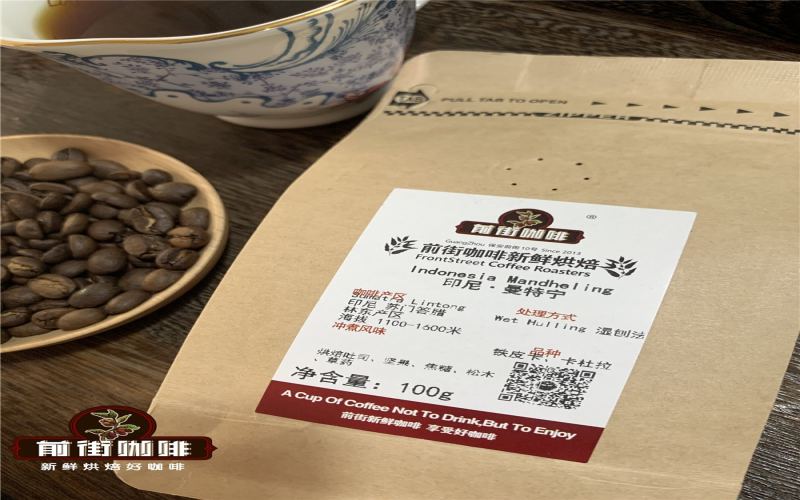
Introduction to Mandheling Brewing Methods | How to Describe the Flavor and Mouthfeel of PWN Golden Mandheling Coffee Beans? How Should Indonesian Mandheling Be Brewed to Taste Best?
At Front Street Coffee shops, there are always customers who make their needs clear as soon as they arrive: "Do you have any coffee that isn't sour and has a stronger taste?" At times like this, Front Street Coffee baristas usually offer two choices: Brazil and Mandheling. When explaining the flavor differences between the two [more…]
A Complete Guide to Indonesian Mandheling Coffee Beans: Comparing the Four Major Flavors of Lintong, Golden, Aged, and Tiger
Mandheling coffee is renowned for its herbal aroma and heavy body, standing out uniquely in the specialty coffee wave. From the perspective of Front Street Coffee, this article traces the historical development of Indonesian Sumatra coffee, analyzes the origin of the name Mandheling, and introduces one by one the origin background, processing methods, and flavor characteristics of five Front Street Mandheling coffee beans: Lintong, Gold, Tiger, Aged, and Wahana Estate Sun-Dried. It also covers the specific process of wet hulling, roasting suggestions, and brewing parameters for each bean, helping coffee enthusiasts gain a comprehensive understanding of the diverse facets of Mandheling. [more…]
Golden Mandheling Buying Guide: Prices and Where to Buy — A Comprehensive Look from Origin and Variety to Brewing and Roasting
Golden Mandheling, as a representative specialty coffee from Sumatra, Indonesia, is favored by enthusiasts for its full body, low acidity, and caramel sweetness. However, there are many products on the market bearing the name "Golden Mandheling," and only those genuinely produced by PWN qualify as authentic. This article begins with the distribution of growing regions, the tracing of varieties, and the principles of the wet-hulling process, then provides a detailed analysis of the green bean characteristics, roasting curves, and pour-over parameters of Golden Mandheling, and recommends the PWN Golden Mandheling produced by Front Street Coffee—half a pound, 227 grams, for only 89 yuan, costing less than 6 yuan per cup, offering extremely high value for money and making it a conscientious choice for everyday drinking. [more…]
A Complete Guide to Sumatra Coffee Bean Varieties: Flavors and Processing Methods from Lintong to Golden Mandheling
Sumatra, Indonesia is the birthplace of Mandheling coffee, and its unique wet-hulling process gives the coffee low acidity, full body, and herbal flavors. Front Street Coffee has long followed the Sumatra region. This article reviews the origin of the name Mandheling, the connection between PWN Company and Golden Mandheling, and focuses on comparing the flavor characteristics and roasting suggestions of five beans: Front Street Lintong Mandheling, Golden Mandheling, Tiger Mandheling, Aged Mandheling, and Wahana Estate Natural Mandheling. Whether you are a beginner just getting to know Mandheling or a coffee enthusiast wanting to understand the wet-hulling process in depth, you can gain a systematic understanding of the region and practical brewing references from it. [more…]
An In-Depth Analysis of Indonesian Mandheling Coffee Beans: Wet-Hulling Process, Golden Mandheling Characteristics, and Dark-Roast Pour-Over Flavor
Sumatra Mandheling coffee from Indonesia has long captivated countless coffee enthusiasts with its rich, full-bodied, and low-acid flavor, and is hailed as one of "the world's most important coffees." But do you know what role the special post-processing method known as wet hulling plays behind Mandheling's unique flavor? Why are the Mandheling regions of Lintong and Aceh regarded as the finest producing areas? And how does Golden Mandheling stand out among Indonesian beans with their extremely high defect rates? Starting from Front Street Coffee's bean-testing experience, this article will break down in detail Mandheling's producing regions, processing methods, grading, and roasting key points, and compare the flavor differences between Golden Mandheling and Gayo Mountain Mandheling under dark roasting and medium-light roasting, giving you a comprehensive understanding of this classic coffee bean. [more…]
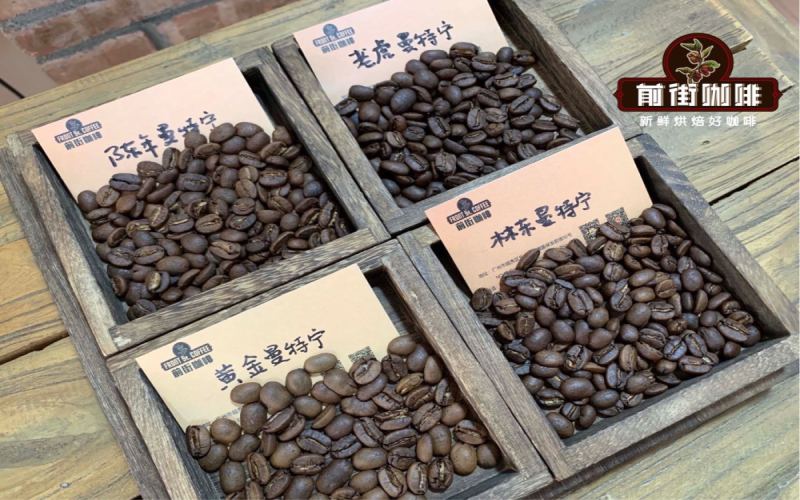
What is the difference between Mandheling Tiger and Mandheling? A detailed explanation of the Tiger Mandheling coffee bean variety, flavor, and taste characteristics.
Mandheling coffee is known for its rich, herbal flavor, and Front Street Tiger Mandheling is one of its more distinctive offerings. This article systematically breaks down the characteristics of Tiger Mandheling, from origin, variety, and processing method to roasting and brewing, and compares it with classic Mandheling. Front Street currently has five Mandheling coffees, including Lintong, PWN Gold, Tiger, Aged, and Natural Mandheling, each with its own distinct flavor profile. Tiger Mandheling comes from Sumatra Tiger Estate, is processed using the wet-hulled method, and consists of the Caturra, Typica, and Sidikalong varieties. After medium-dark roasting, it presents creamy, dark chocolate, and nutty notes. If you want to know exactly how Tiger Mandheling differs from ordinary Mandheling, this article will provide a complete answer. [more…]
Exploring Indonesian Golden Mandheling: A Comprehensive Analysis of Producing Regions, Wet-Hulling Processing, Roasting and Cupping, and Pour-Over Parameters
Golden Mandheling is one of the most representative specialty coffees from Sumatra, Indonesia, renowned for its full body, low acidity, caramel sweetness, and herbal aroma. This article starts with the distribution of producing regions, sorting out the terroir differences between Aceh Gayo, Lintong, and other areas, and explains in detail PWN's trademark registration and screening standards for Golden Mandheling; it then takes an in-depth look at the steps of the wet-hulling method (Giling Basah), its causes, and its impact on flavor and defect rates. Front Street Coffee, based on the condition of beans from the new harvest season, shares roasting curve design and cupping performance, and offers hand-brewing parameter suggestions for dark-roasted Mandheling, helping coffee enthusiasts gain a comprehensive understanding of this classic bean variety. [more…]
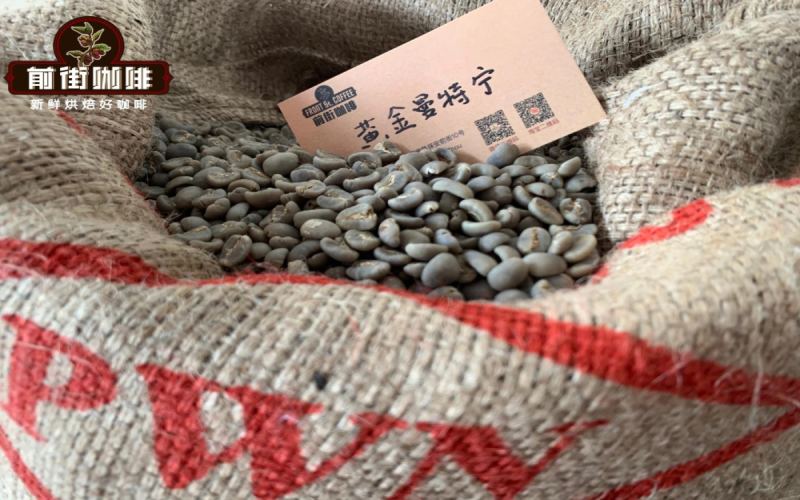
Sumatra Coffee | How Does Wet-Hulling Affect the Flavor of Indonesian Mandheling Coffee? Which Is Better: PWN Golden Mandheling or Lintong Mandheling?
Sumatran coffee can be considered the originator of bold, full-bodied coffee, and it is also the main producing region of Mandheling coffee. Not only is it rich in flavor and mellow in taste, it can be used both in coffee blends and enjoyed as a single-origin brew. Today, Front Street Coffee is focusing specifically on this coffee from the island of Sumatra. [more…]
Indonesian Coffee Bean Flavor Analysis: Why Is PWN Golden Mandheling Cleaner in Taste Than Regular Mandheling?
Indonesian Sumatra Mandheling coffee has always been known for its full body and herbal aroma, but many enthusiasts find that ordinary Mandheling often falls short in terms of cleanliness. Front Street Coffee's PWN Golden Mandheling, however, is highly popular for being almost acidity-free, high in cleanliness, full-bodied, and carrying herbal spice notes. This article will analyze in detail the fundamental reasons for the difference in flavor cleanliness between Golden Mandheling and ordinary Mandheling from perspectives including Indonesian coffee-producing regions, the terroir conditions of Mount Gayo in Aceh, PWN company's quality control system, and wet-hulling processing. At the same time, Front Street Coffee will also share green bean analysis, roasting suggestions, cupping reports, and brewing insights for this bean, helping you gain a comprehensive understanding of this deeply beloved coffee. [more…]
Complete Guide to Mandheling Coffee: Characteristics of Two Major Producing Regions, Roasting Approaches, and Brewing & Extraction Techniques
Mandheling stands out in the coffee world with its low acidity, full body, and pronounced bittersweet character. This article focuses on two Indonesian Mandhelings from Front Street Coffee—Lintong Mandheling and PWN Golden Mandheling—sorting out the regional background of Sumatra's "Two Lakes, Two Mandhelings," analyzing how medium-dark roasting shapes herbal spice and dark chocolate notes, and sharing practical tips for avoiding excessive bitterness during brewing and extraction. It also introduces the espresso performance of Front Street's classic blend and the flavor differences between the two Mandhelings under cupping comparison, helping coffee lovers understand Mandheling's personality and charm more comprehensively. [more…]