







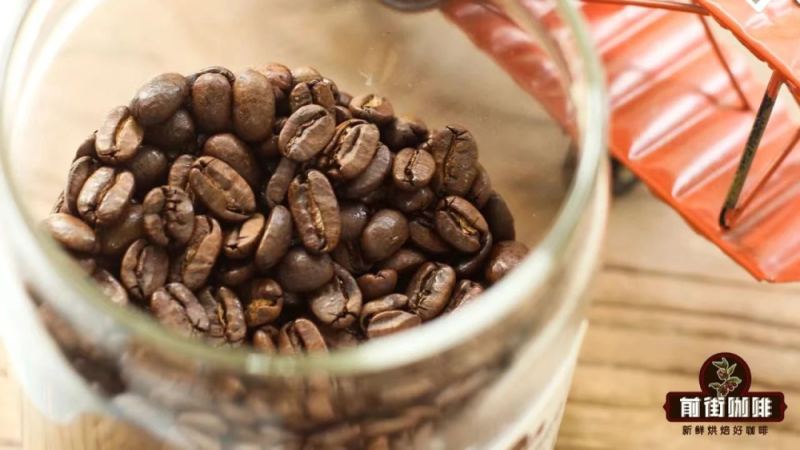

PWN GOLDEN MANDHELING
01 | Origin Introduction
Indonesia's main coffee-producing areas include Sumatra, Java, and Sulawesi, among which Sumatra'sMandhelingis the most famous.
Mandheling is also known as Sumatra coffee. Most of what is produced in North Sumatra is Gayo, mainly of the Ateng variety. In the far north, around Lake Tawar, it can be called Aceh coffee or Tawar Lake coffee. In the Lintong and Lake Toba areas of South Sumatra, it can be called Mandheling. The Lintong area is the true Mandheling producing region , and the best Mandheling varieties include four: Sidikalang, Bergendar, Siborong borong, and Telok Sanggul.
Lake Toba is located in the central part of North Sumatra Province. In 1888, the Dutch colonists moved “Java Mandheling” north to the Lake Toba area, creating the modern legend of Mandheling.
Lake Tawar is located in the central part of the Aceh Special Region, at the northern tip of Sumatra, with an area less than one-tenth that of Lake Toba. However, in recent years its coffee quality and output have surpassed Lake Toba.
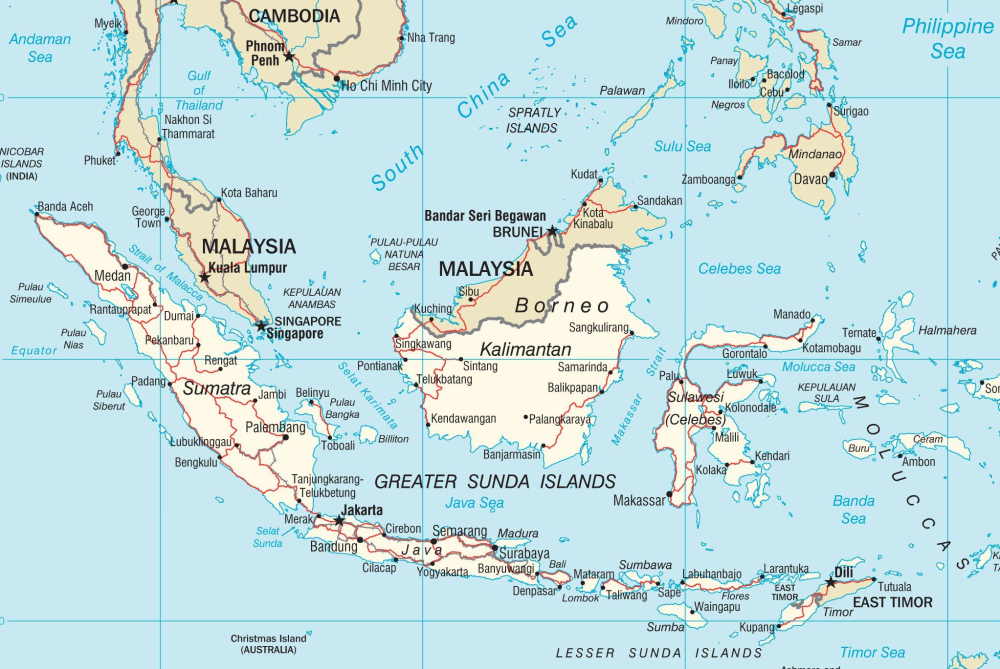
The Gayo Mountains are located in the Aceh producing region of North Sumatra Province. Most of the coffee farmers working locally in Gayo are local farmers. The term Gayo comes from a tribe in Indonesia's Aceh region. This area has ideal growing conditions, a long history and culture, and a unique flavor. The region widely adopts organic methods for growing coffee, without chemical fertilizers, and is considered a green coffee-producing area in the world. Therefore, Gayo coffee is often also called green coffee or Gayo organic coffee.
What isGolden Mandheling?
When it comes to Golden Mandheling, we have to start with PWN. This abbreviation is often mixed together with the name Mandheling coffee. It is actually the abbreviation of a company, Pwani Coffee Company.
This company is a very famous local coffee purchasing company in Indonesia, mainly purchasingMandheling coffee. Almost all of Indonesia's best-producing regions have been acquired by it, so most of the beans that come out of PWN are also unique specialty products.
AndGolden Mandhelingis a product produced by this company. After the green beans are purchased, they undergo one round of machine sorting plus more than three rounds of manual hand sorting to select plump, defect-free beans. In the end, only these excellent beans, screened layer by layer as if through a talent contest, can be classified as Golden Mandheling.
The purpose of machine sorting is first to screen out beans whose size must be above 18 mesh. The subsequent multiple manual sortings are to remove irregular defective beans. Reducing the defect rate greatly improves the quality of Mandheling coffee.
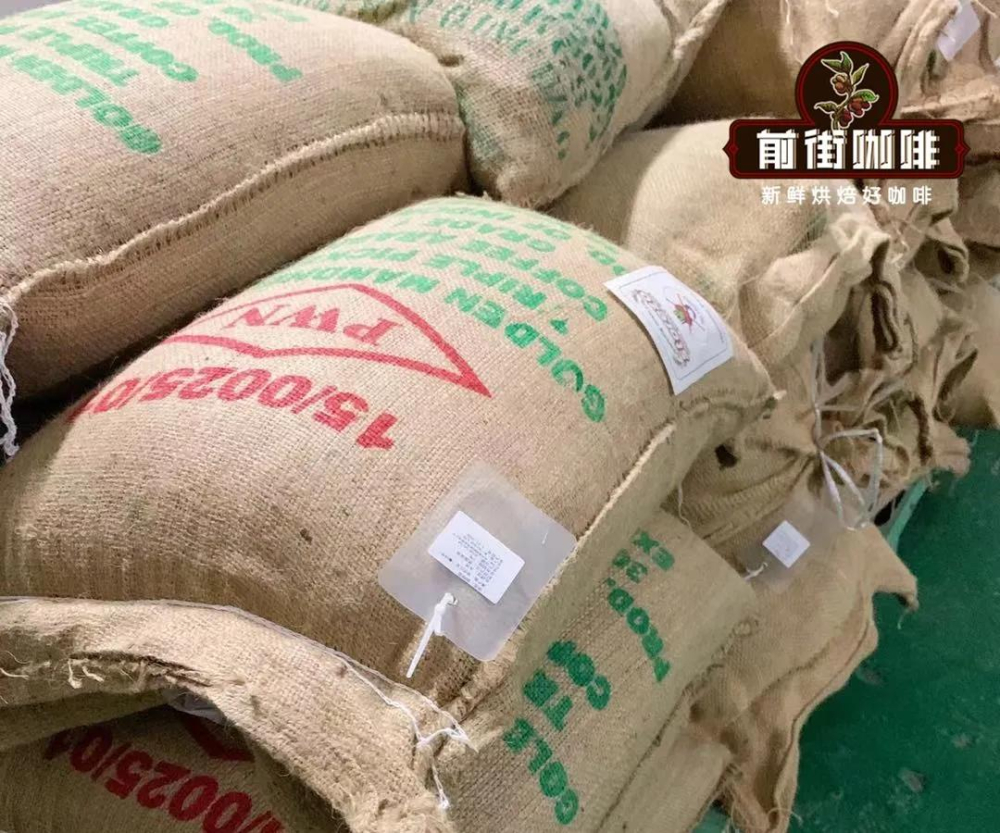
However, PWN registeredGolden Mandhelingas a trademark, which means that from then on only Golden Mandheling produced by PWN can be considered trueGolden Mandheling. Many beans on the market that are not from PWN but bear the Golden Mandheling name should actually be called specialty Mandheling.
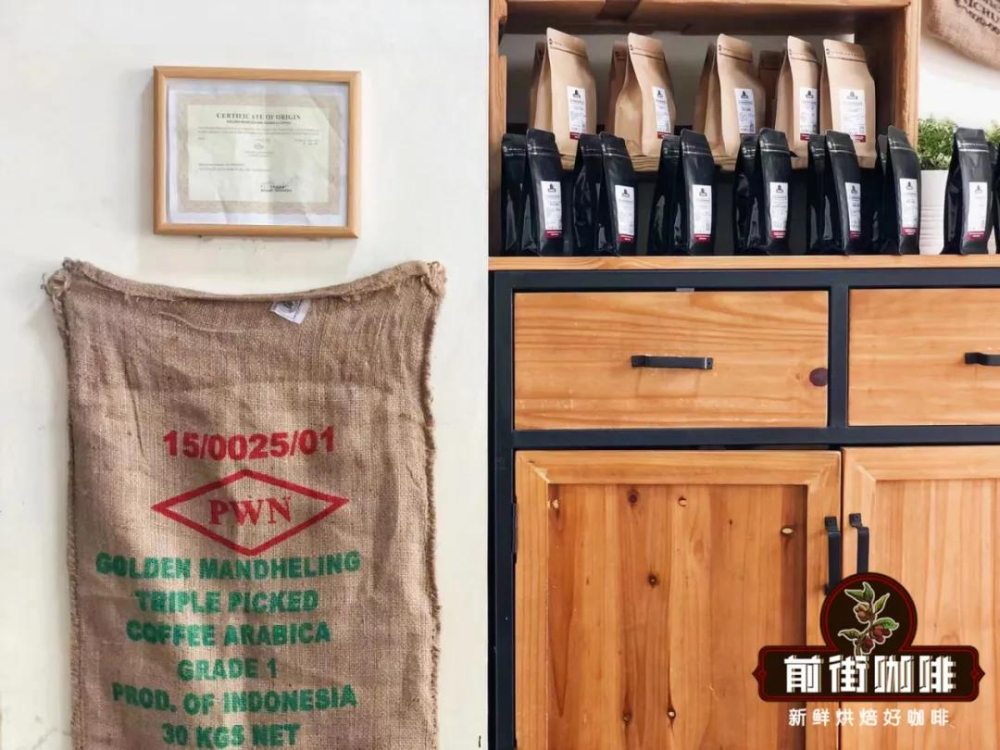
TheGolden Mandheling coffeebeans sold by FrontStreet Coffee all come from PWN. At Front Street's offline stores, you can see the certification certificate issued by PWN, as well as green bean bags printed with the PWN mark.
02 | Processing Method
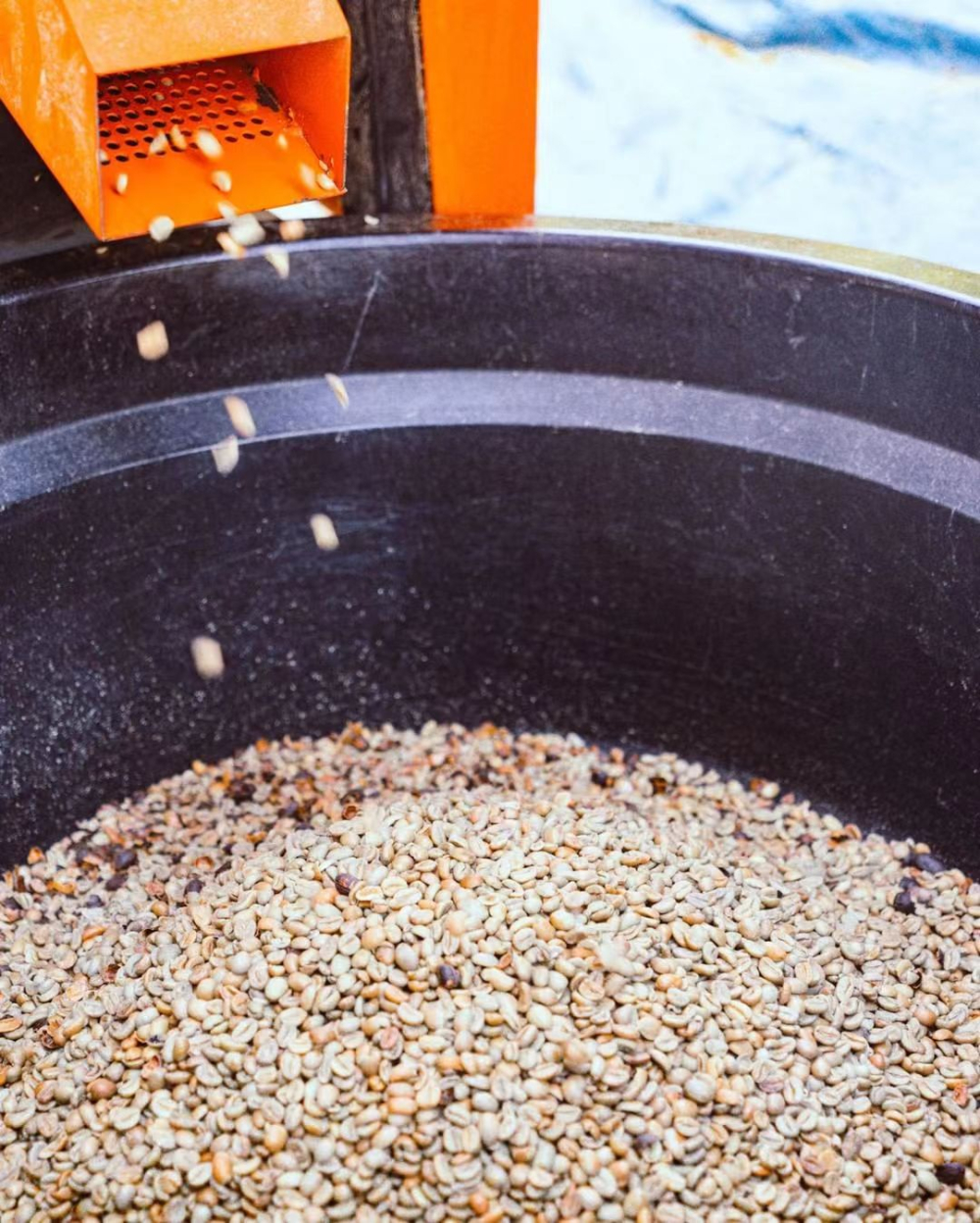
Wet hulling, also known as wet shelling, is called Giling Basah in the local language and is the traditional Indonesian coffee processing method. Judging from the name alone, wet hulling seems very similar to wet processing (washed processing). However, the cup profiles of these two processing methods are completely different. Coffee processed by wet hulling is usually full-bodied and intense, with a very distinctive character.
Steps of Wet Hulling Processing
① Remove the peel and pulp, keeping the parchment and mucilage
② Ferment in a water tank
③ Wash off the mucilage
④ Sun-dry with parchment for 2-3 days, to a moisture content of 20-24%
⑤ Remove the parchment
⑥ Dry the green beans to a moisture content of 12-13%
⑦ Prepare for export
Why use wet hulling?
a. Climate reasons
The tradition of using wet hulling in Indonesia begins with the local weather. Indonesia's humidity is between 70-90% all year round, with constant typhoons. In some areas, annual rainfall can even reach as much as 2,000 mm. You should know that green beans fear rain the most. So how does Indonesia overcome such harsh weather conditions to produce rich, full-bodied Mandheling coffee? It relies on wet hulling.
Under tropical climate conditions, coffee generally takes an average of 2-3 weeks to dry. But in Indonesia's extremely humid climate, drying coffee becomes a big problem. Coffee drying must take even longer, and during this period the coffee still maintains relatively high moisture, making it easier for bacteria to enter the green coffee beans.
In the ordinary washed process, the drying process is carried out with the parchment still on, thereby protecting the green beans to a certain extent from external damage. However, we can note that wet hulling removes the parchment for the final drying step. In this way, sunlight directly hits the surface of the green beans, causing the green coffee beans to dry rapidly, 2-3 times faster than in washed processing.
b. Economic benefits
In the 17th century, Dutch colonists first introduced coffee to Indonesia. These colonists pursued more and faster economic returns. Wet hulling greatly shortened the time spent on the farm and also greatly reduced labor costs. This coincided with the mindset of investors seeking rapid profit and lower costs. This was also one reason driving the wet-hulled process.

c. Defects and kuku kambing (goat hoof beans)
When wet hulling removes the parchment, the coffee's moisture content is still as high as 20-24%, whereas in general processing methods the coffee is only hulled after the moisture content drops to 10-12%. In a semi-dry state, the parchment can stick to the surface of the green beans, and removing the parchment is more difficult than when fully dry. The hulling process requires greater friction.
But on the other hand, semi-dry green coffee beans are very fragile at this point, with hardness far less than fully dry green beans, so the beans are relatively easy to crush and form small gaps. This is what we often call horse hoof or goat hoof beans (called kuku kambing locally).
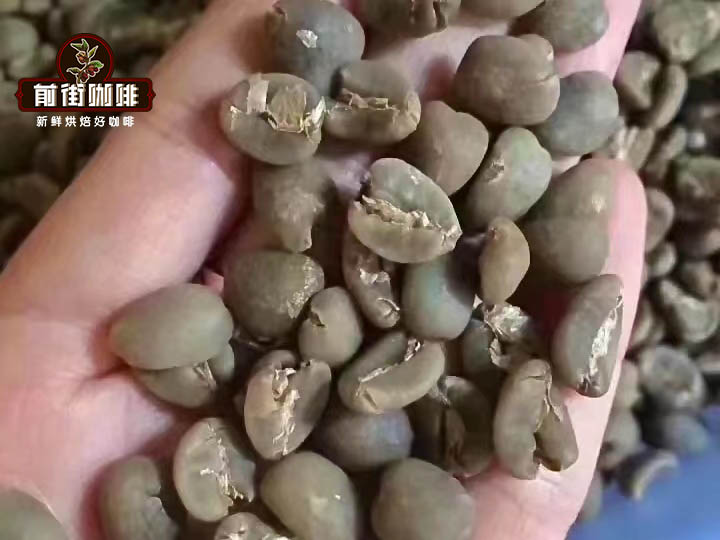
The extremely fast speed of wet hulling also causes Mandheling to have a higher defect rate. At processing plants, employees are arranged to hand-sort defects. There is generally DP (double-picked) and TP (triple-picked). Mandheling that has undergone triple picking is superior to double picking in terms of defect rate.
As for the flavor of wet-hulled coffee, aside from those subtle differences, we generally consider wet-hulled beans to carry earthy, smoky, and chocolate notes, with acidity described as low. They are full-bodied yet appear very dull.
The low acidity comes from a shorter, weaker fermentation process and a longer drying time. If you forgot about wet hulling's fermentation, go back and take another look. As for the earthy and other flavors of wet-hulled beans, opinions vary widely. Some say this is related to the bean varieties selected in wet-hulled producing regions (Tim lineage & Catimor lineage: with Robusta blood), some say it is the result of organic interaction between green beans and the external environment, and some even say it is because there are too many defective beans.
03 | Green Bean Analysis
PWN Golden Mandheling Gold Mandheling green beans
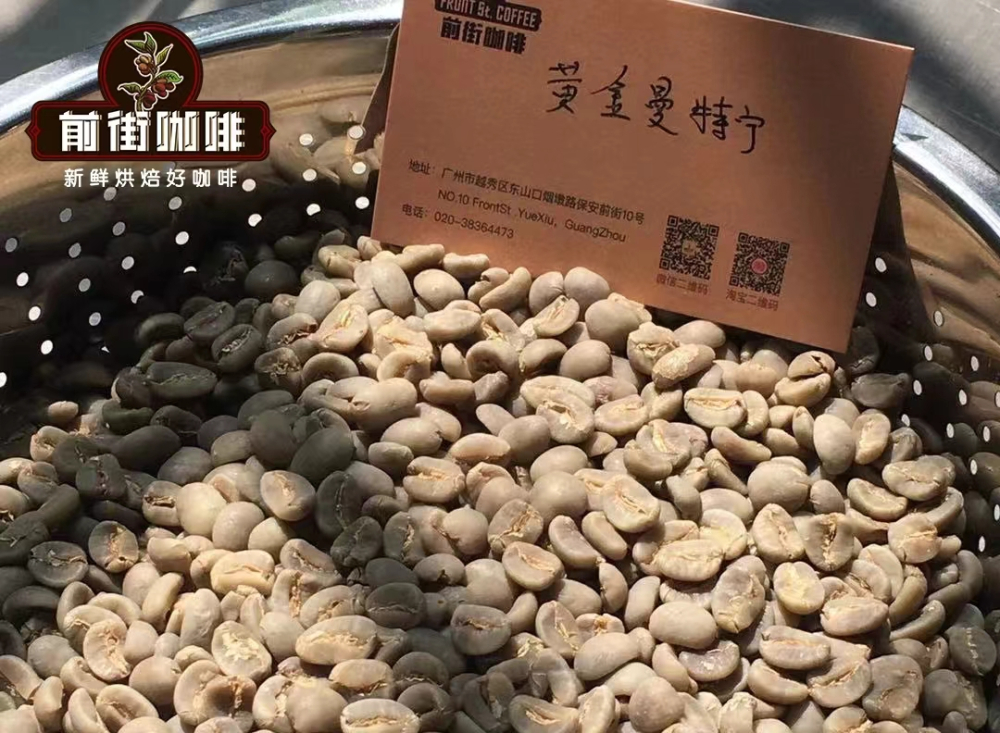
FrontStreet Coffee — PWN Golden Mandheling coffee beans
Region: Gayo Mountain, Aceh Province, Sumatra, Indonesia
Company: PWN Pwani Coffee Company
Altitude: 1100-1600m
Grade: G1, triple hand-picked
Processing method: wet hulling
FrontStreet Coffee chooses to drop the beansbefore second crack, retaining a little soft acidity.The cup has high sweetness and is rich and full-bodied. Flavor: baked toast, pine wood, caramel, cocoa, with a slight herbal earthiness.
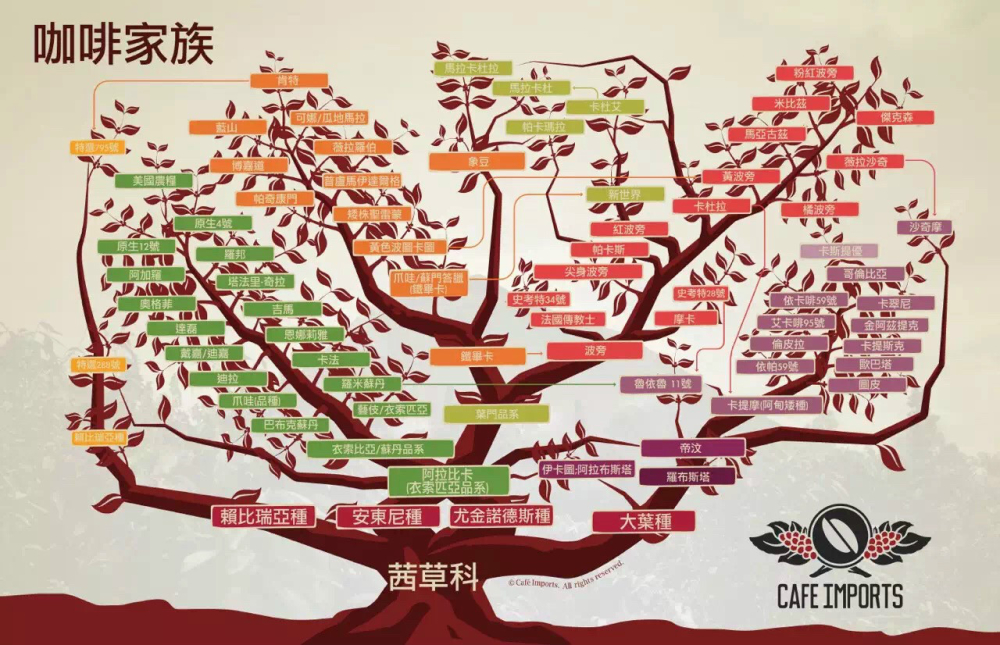
In the specialty coffee system, Sumatra coffee is a fascinating existence. You see, the famous Mandheling is actually not the name of a producing region, nor the name of a coffee bean variety, and even its bean variety sources are quite杂乱.
04 | Common Coffee Varieties in Indonesian Producing Regions
Ateng
is a hybrid variety between Arabica and Robusta, with several subtypes, widely planted in Sumatra and other small Indonesian islands. To put it plainly, it is a branch of Catimor. Ateng is the local name.
Djember
Djember, when looked up on Baidu, is a place name in Sumatra. It looks quite mysterious, but the variety is actually S-795. Because this bean variety was spread to the island by the Jember Coffee Research Center, local people call S-795 by this name.
What is S-795? It is a cross developed by an Indian botanist between the Typica mutant Kent and S-288.
And what is S-288? It is a natural hybrid between Arabica and Liberica.
Tim Tim
Tim Tim is a bean from Indonesia. Because of its long shape, many people call it horse-face bean, and some also call it long-strip Mandheling. In fact, Tim Tim is not a pure variety, but a variety formed by the natural hybridization of Arabica coffee trees and Robusta coffee trees.
This variety was discovered on the island of Timor in the 1940s and was cultivated because of its natural disease resistance. In the Americas this variety is called Hybrido de Timor, abbreviated as Tim Tim. In Indonesia this variety is also called Bor Bor.
05 | Roasting Analysis
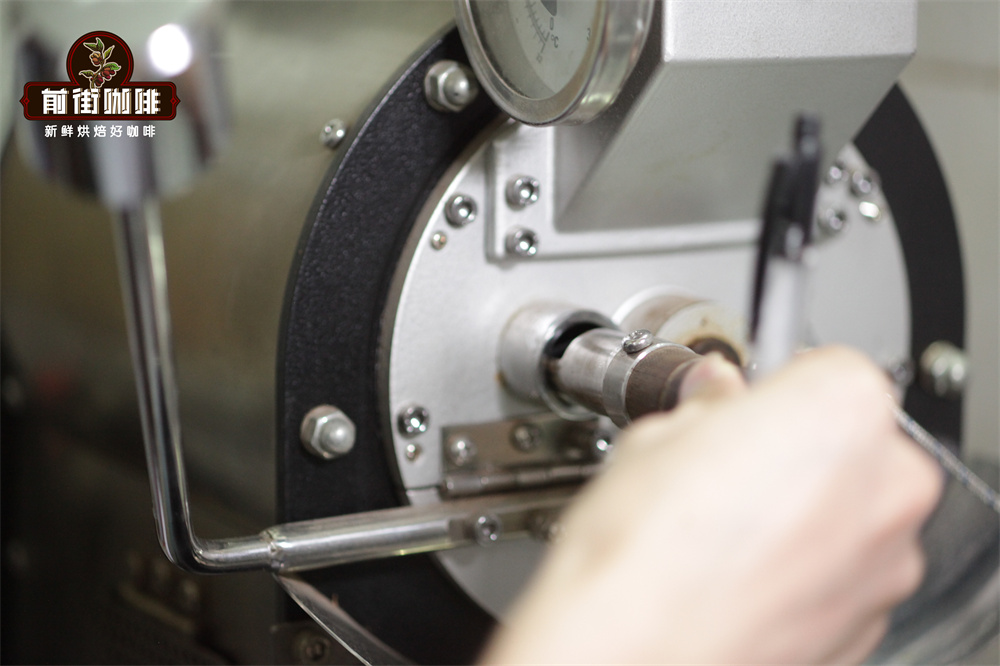
FrontStreet Coffee notes that Golden Mandheling is a green bean with relatively high moisture, showing a fairly large moisture deviation compared with sun-dried beans, so special attention must be paid during dehydration. For green beans with high moisture content, you can try closing the damper immediately after loading the beans, steaming for 30 seconds, then opening it to 3, until the color of the green beans turns light green or white, then open the damper to 4, and after first crack open it to 5 (maximum).
FrontStreet Coffee recommends keeping good data records before roasting: the coffee beans' moisture content, density, origin, processing method, and the roasting environment's temperature, humidity, and so on in the roasting room, and planning your roasting curve. During roasting, record the relevant chemical and physical changes. This will all help you better understand the final roasting result and help improve the roasting curve.
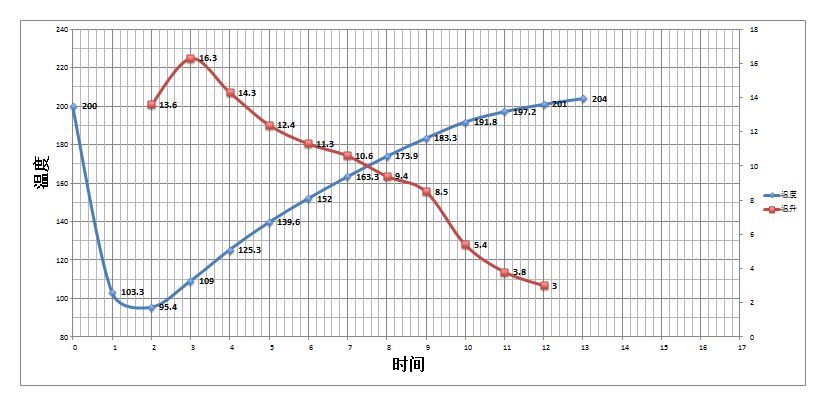
Roasting curve:
Charge when the drum temperature reaches 200°C, set the damper to 3, after 1 minute adjust the heat to 160°C, keep the damper unchanged, roast until the temperature reaches 148°C, when the bean surface turns yellow, the grassy smell completely disappears, and dehydration is complete, adjust the heat to 140°C, and change the damper to 4;
At the 9th minute, ugly wrinkles and dark streaks appear on the bean surface, and the toast aroma clearly turns into coffee aroma. This can be defined as the prelude to first crack. At this time, listen carefully for the sound of first crack. When first crack begins, reduce the heat to 60°C and fully open the damper (adjust the heat very carefully; do not reduce it so much that there is no crackling sound), and drop the beans at 204.5°C.
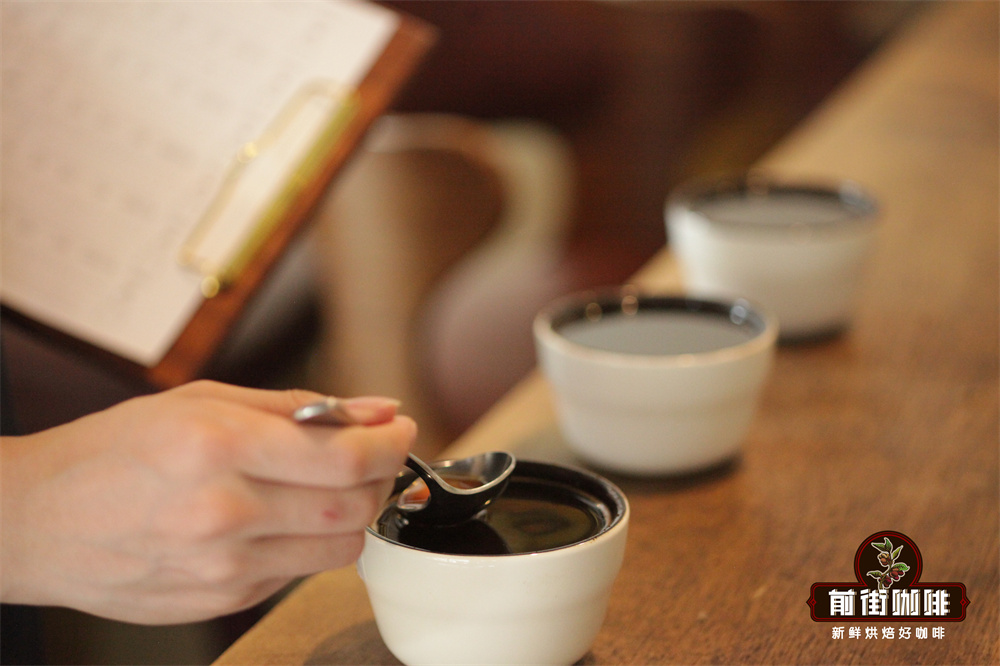
Cup test report:
Through comparative cupping, FrontStreet Coffee found that PWN Golden Mandheling drinks cleaner than Lintong Mandheling. Mandheling's original herbal, earthy, and woody notes are almost gone, but the caramel sweetness is stronger, and the fruity acidity is also brighter and more elegant. Generally, Lintong Mandheling is best roasted until after second crack before unloading, which can effectively reduce off-flavors, but Golden Mandheling has very good transparency and sweetness whether dropped before or after second crack, and the space for roasting interpretation is broader.
06 | Brewing Analysis
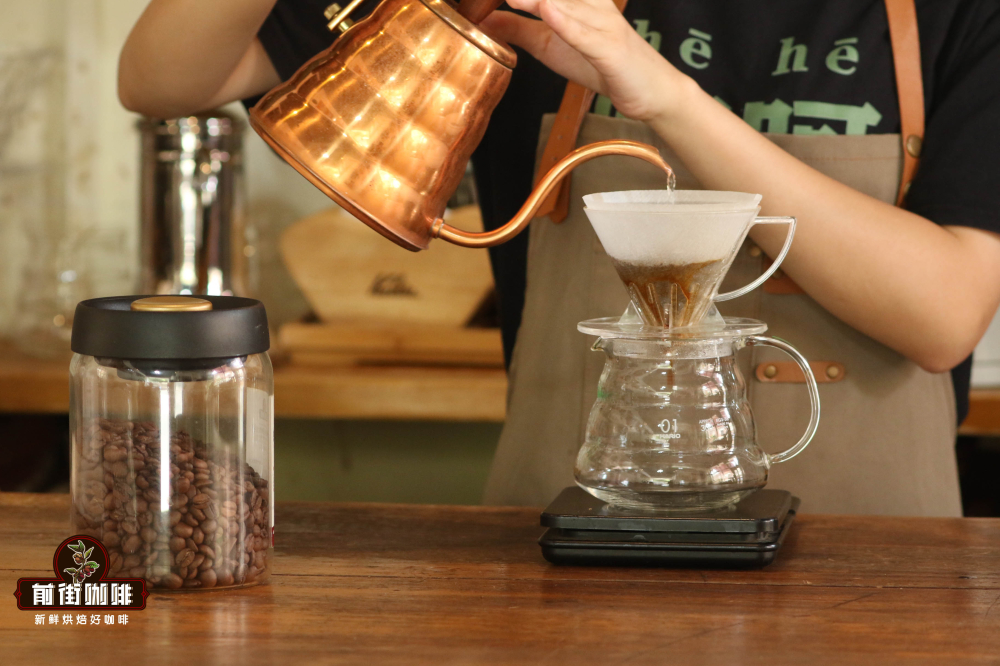
Front Street PWN Golden Mandheling coffee beans are roasted to a deep roast level. So that everyone can drink a more complete coffee flavor, all coffee beans sold are shipped within 5 days after roasting is completed, guaranteeing 100% fresh roasting.
Medium-dark roasted beans generally have a relatively high dehydration rate, so they are lighter in weight. During brewing, the grounds do not completely settle at the bottom, and as soon as water is poured in it is immediately absorbed. Because degassing is vigorous, there are bubbles all around the grounds, thus creating channels, and the fresher the beans, the longer these channels last, causing the water level to drop quickly. I generally use a coarse stream and slowly circle.
1. Dripper: KONO
2. Water temperature: 88°C
3. Grind size: medium-coarse grind (70% passing rate on China No. 20 standard sieve)
4. Roast level: medium-dark roast
5. Coffee dose: 15g
6. Coffee-to-water ratio: 1:15
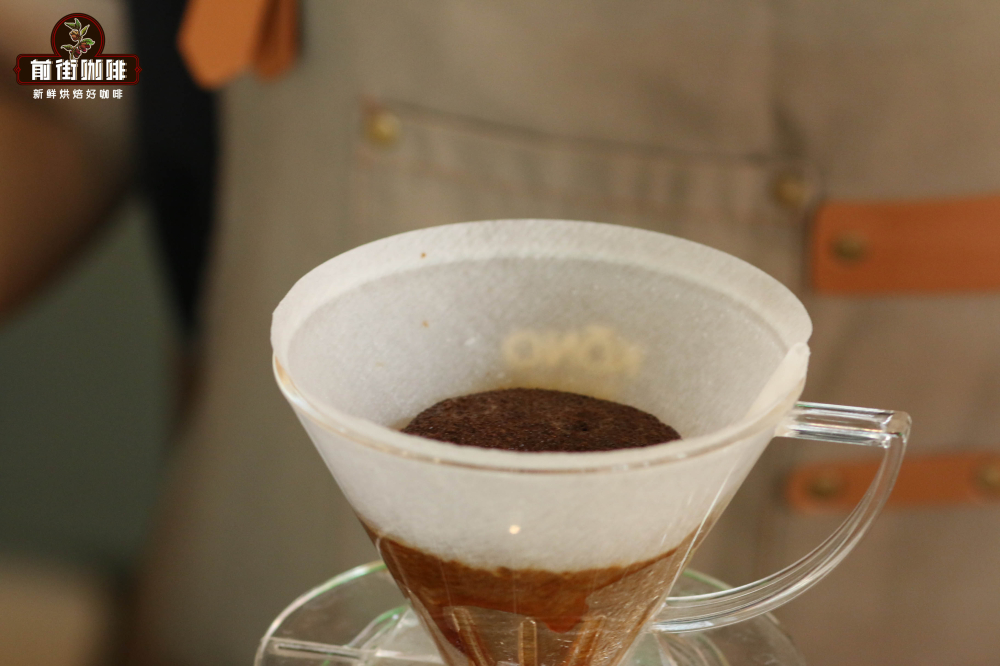
Staged pouring:Use twice the amount of water relative to the coffee grounds to wet the coffee bed, forming a dome, and let it bloom for 30s. Then pour in a thin stream in circles from the inside outward until 125g, then pause. Wait until the coffee bed drops to half the height of the dripper, then continue pouring the third stage with the same thin stream until 225g, until all the coffee liquid has filtered through. Remove the dripper; the time is about 2 minutes. Finally, swirl the coffee liquid in the server to even it out and it is ready to enjoy~

The hand-brewed Front Street PWN Golden Mandheling coffee has a varied overall layering, is rich and full-bodied, and has a clean mouthfeel. Nutty and caramel aromas, with chocolate notes, a long finish, and high balance.
The above content is compiled by CoffeeHunters, a coffee news website.

