







How Should an Industrial Coffee Roaster Treat Mandheling?
Mandheling is known for low acidity, full body, and distinct bitter notes. Two Indonesian examples, Lintong Mandheling from the Lake Toba region of North Sumatra and PWN Golden Mandheling from the Lake Tawar region of Aceh, show how medium-dark roasting shapes herbal spice and dark chocolate flavors. Grinding releases caramel, clove, and cedar aromas.
Lintong Mandheling comes from around Lake Toba at roughly 900 meters average altitude, and is wet-hulled, giving the signature herbal, stuffy aroma. An industrial coffee roaster needs to avoid pushing the profile too dark, or the cup turns bitter from over-extraction, like Guangdong herbal tea. Cupping the two side by side shows clear differences in body and bitterness. Traditional greek coffee offers a useful contrast in roast style.
Mandheling stands out in the coffee world with its low acidity, full body, and distinct bitter notes. This article focuses on two Indonesian Mandheling coffees from Front Street Coffee—Lintong Mandheling and PWN Golden Mandheling—outlining the regional background of Sumatra's "Two Lakes, Two Mandhelings," analyzing how medium-dark roasting shapes herbal spice and dark chocolate notes, and sharing practical tips to avoid excessive bitterness during brewing and extraction. It also introduces the espresso performance of Front Street's classic blend and the flavor differences between the two Mandhelings under cupping comparison, helping coffee lovers understand Mandheling's character and charm more comprehensively.
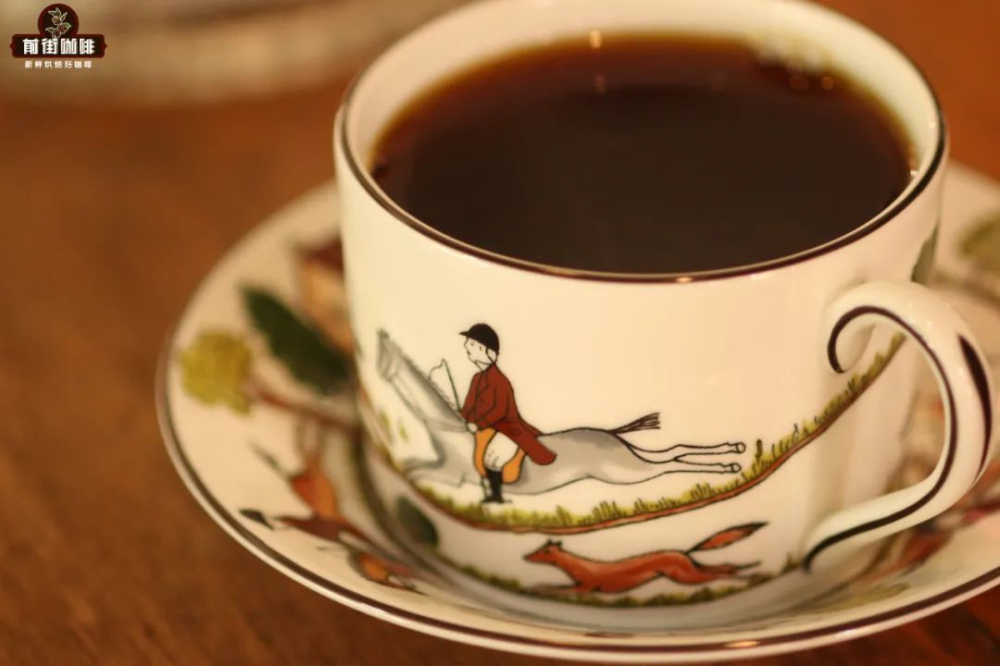
Quite different from the bright acidity of Front Street Yirgacheffe, Front Street Mandheling coffee presents a flavor profile of low acidity, rich thickness, and prominent bitterness. When grinding, you can smell the primal aroma of caramel, clove, and cedar intertwined; on the palate, it brings a full-bodied texture like unsweetened dark chocolate and roasted hazelnuts. If the brewing parameters are not controlled properly, the coffee can easily become only bitter due to over-extraction, like a cup of Guangdong herbal tea. Below are several key points to help everyone brew more layered aromas and a more pleasant taste from Front Street Mandheling.
"Two Lakes, Two Mandhelings"
Currently, Front Street's bean list retains two Mandheling coffees from Indonesia: one is Lintong Mandheling from the Lake Toba region in North Sumatra, and the other is PWN Golden Mandheling from the Lake Tawar region in Aceh. On the island of Sumatra, Mandheling produced around these two lakes is the most famous, and locals collectively call them "Two Lakes, Two Mandhelings."
What Front Street Mandheling refers to is Arabica coffee grown in the mountainous areas along Lake Toba in North Sumatra. Lake Toba is an alpine freshwater lake located north of Medan, the provincial capital of Sumatra, with an average altitude of about 900 meters. Lintong Mandheling is Mandheling in the traditional sense and belongs to the regular version. After wet-hulling processing, it carries Mandheling's signature herbal, stuffy aroma. For this reason, Front Street classifies Lintong Mandheling under its daily staple bean series, allowing friends who want to try something new to experience the unique aroma of Indonesian coffee.
If you prefer to get an espresso bean with Mandheling flavor, you might consider Front Street Classic Blend. This bean follows an old Italian coffee recipe, combining Mandheling, Brazil Red Bourbon, and a small amount of Robusta to restore the classic rich aroma as much as possible. When extracting espresso, the aromas of butter, roasted hazelnuts, caramel, and dark chocolate are rich and pungent, with a solid mouthfeel; made into black coffee, it is sweet and refreshing, while adding milk to make a latte gives a smooth and delicate result.
Front Street Golden Mandheling coffee is PWN Company's exclusive signature product. Because PWN registered the trademark "Golden Mandheling" early on, only Mandheling produced by this company can be named "Golden Mandheling." The characteristic of this coffee lies in the multiple rounds of screening the green beans undergo, giving it outstanding overall quality. PWN purchases Mandheling green beans of 18 screen size and above, with fewer than 3 defective beans in a 300-gram sample, reaching G1 grade, which is the highest standard for Indonesian green beans. It is then strictly subjected to 1 mechanical sorting plus 3 manual defect-picking rounds to ensure the coffee beans remain uniform in color, shape, and size. Therefore, Front Street PWN Golden Mandheling tastes cleaner and more transparent, with more prominent body and sweetness.
What Does Mandheling Taste Like?
Both Mandhelings focus on a profile of low acidity and high body. Front Street's roaster uses medium-dark roasting to present the typical Mandheling flavor while retaining more herbal spice aromas. Before launching any coffee bean, Front Street conducts at least one cupping evaluation; under unified standards, cupping allows us to judge the coffee's strengths and weaknesses more objectively. This time, Front Street puts Lintong Mandheling and Golden Mandheling together for a cupping comparison.
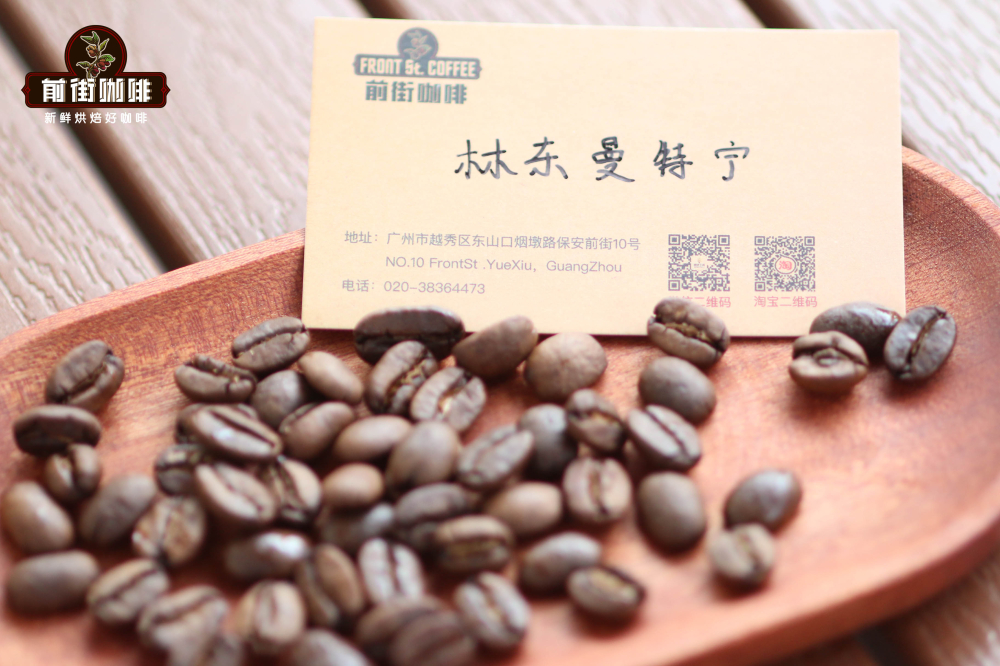
Front Street Lintong Mandheling has rich chocolate, black sugar, and nutty flavors, with a finish that shows herbal notes. Front Street PWN Golden Mandheling, meanwhile, offers aromas of pine, nuts, spices, and herbs at the dry fragrance stage; after hot water is poured, notes of licorice and caramel emerge; on the palate, there are flavors of dark chocolate, nuts, and spices, with an overall clean cup, obvious sweetness in the finish, and high body.
The above content is compiled by CoffeeHunters, a coffee news website.


