







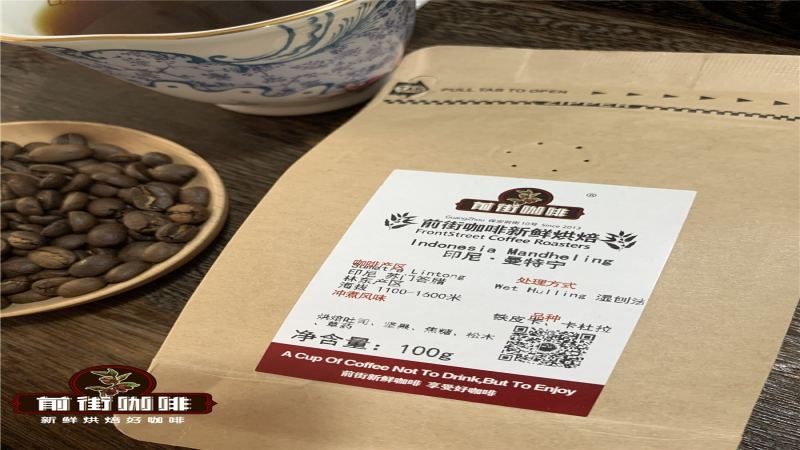
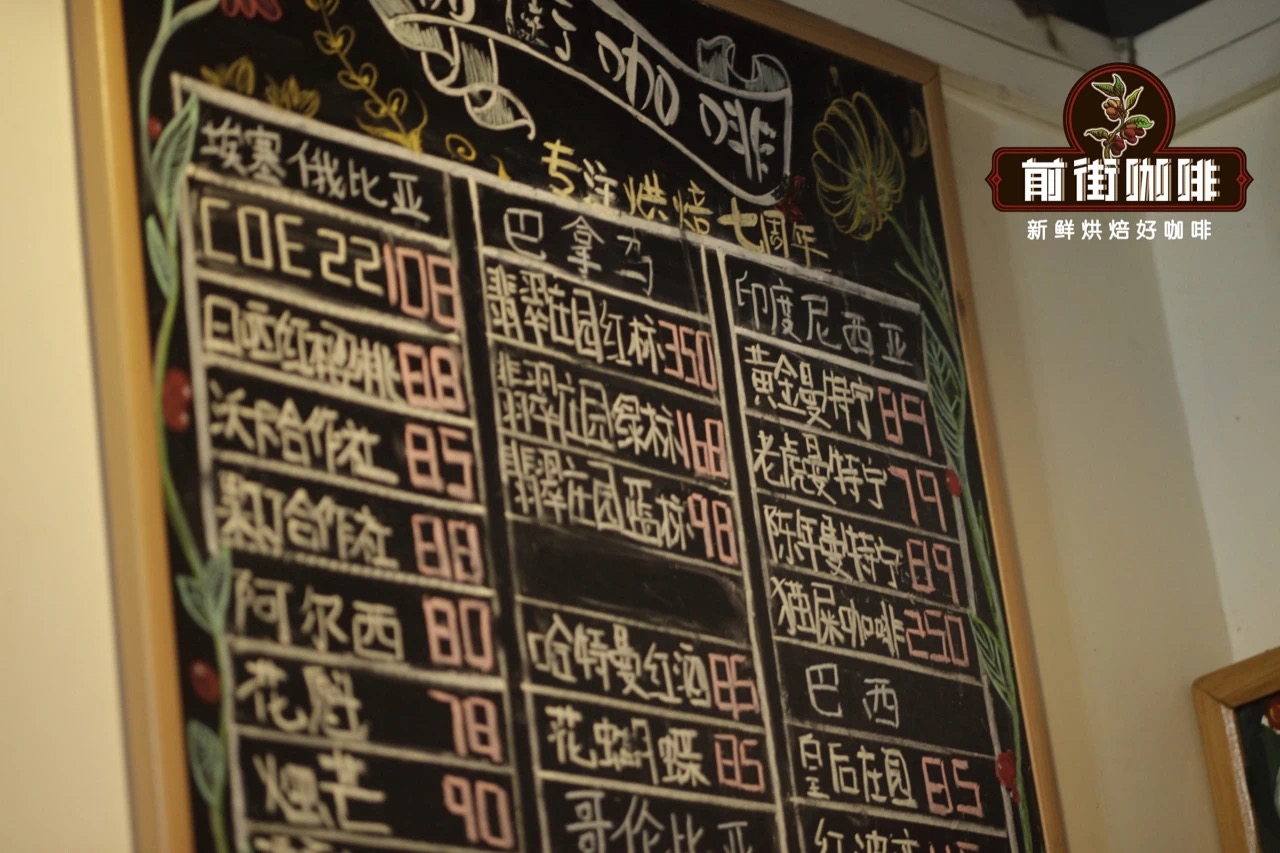
At Front Street stores, there are always customers who make their needs clear right away: "Do you have a coffee that isn't sour and has a heavier taste?" At times like this, Front Street Coffee baristas usually offer two choices: Brazil andMandheling. When explaining that the flavor difference between the two is that Brazil shows slight acidity at low temperatures, many truly "heavy-tasting" customers decisively choose Mandheling, and at the same time, many are also curious aboutGolden Mandheling, which Front Street lists in the first row of Indonesian coffees: "What kind of coffee is Golden Mandheling, and what is the difference between it and ordinary Mandheling?"
Front Street Coffee has always been committed to sharing more specialty coffee and related coffee knowledge with everyone. Today, Front Street Coffee is here to explain the difference between Golden Mandheling and ordinary Mandheling.
What is Mandheling?
The name Mandheling has a rather unusual origin. It was originally the name of an ethnic group in the Lintong area of Aceh Province, Indonesia. According to Front Street Coffee's research, there are two explanations for the origin of Mandheling.
The first: It is said that during World War II, when Japan colonized Indonesia, a Japanese soldier drank a very delicious coffee locally in Indonesia. In the early days, PWN had a rubber plantation on Sumatra and specifically collected raw rubber latex for export to Japan. Later, this Japanese soldier had a demand for coffee raw materials and entrusted PWN to purchase the best coffee beans in Indonesia's production areas. The person in charge of PWN then went to many production areas and collected many high-quality coffee beans to send to Japan for tasting. Among them was one that the Japanese greatly admired, so they asked what coffee it was. The person in charge of PWN originally wanted to say that this coffee was produced near Mandailing in the production area of its rubber department. But because it was inconvenient to disclose the commercial source, he said the name Mandheling. After that, PWN gradually entered the coffee bean raw material market.
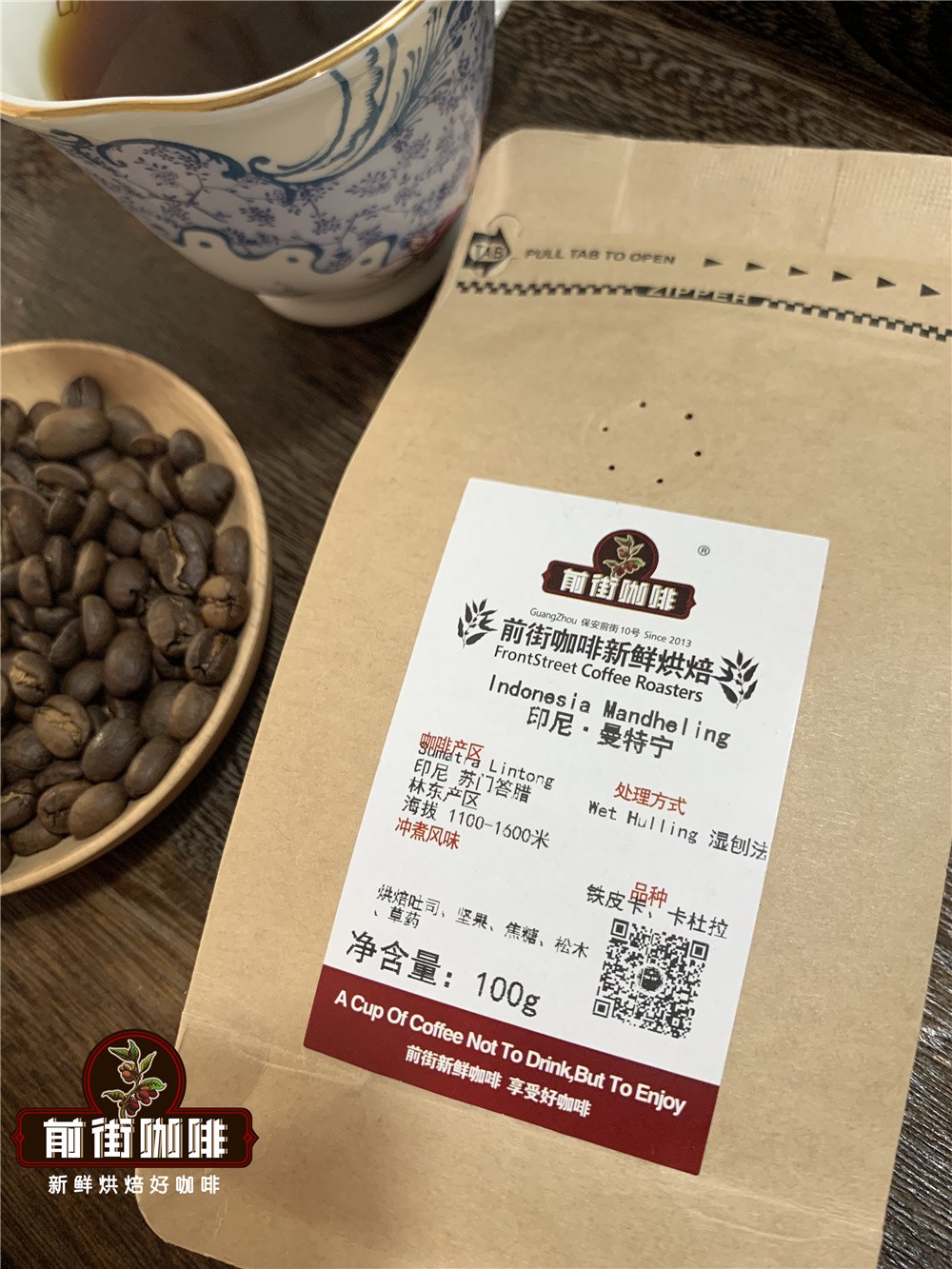
The second says that when a Japanese officer asked the shopkeeper what the coffee he was drinking was called, the shopkeeper mistakenly thought the other party was asking about his origin, so he answered: "Mandailing." But because the Japanese officer mispronounced it, he read "Mandailing" as "Mandheling." Thus, the name Mandheling spread. After the Japanese officer returned home, he could never forget the local Indonesian coffee, so he entrusted a local Indonesian trader to find green coffee beans. That green coffee bean trader was the founder of what is now the famous PWN company. Front Street believes that no matter what the story is, at least from these two small stories we can obtain the following information: Mandailing, the Japanese, and the PWN company. Around these three key words, let us officially begin the article below.
PWNGolden Mandheling
Earlier we said that PWN is Indonesia's most famous green coffee bean purchasing company, and the highest-quality Golden Mandheling coffee beans are often all purchased by PWN. At the same time, PWN has registered Golden Mandheling as a trademark, so only Golden Mandheling produced by PWN is authentic Golden Mandheling. Japan also has one called Ding Shang Golden Mandheling. So how do you judge whether Golden Mandheling is real or fake? Front Street believes there are mainly two methods: green bean burlap sacks printed with the PWN logo and the factory certificate for Golden Mandheling.
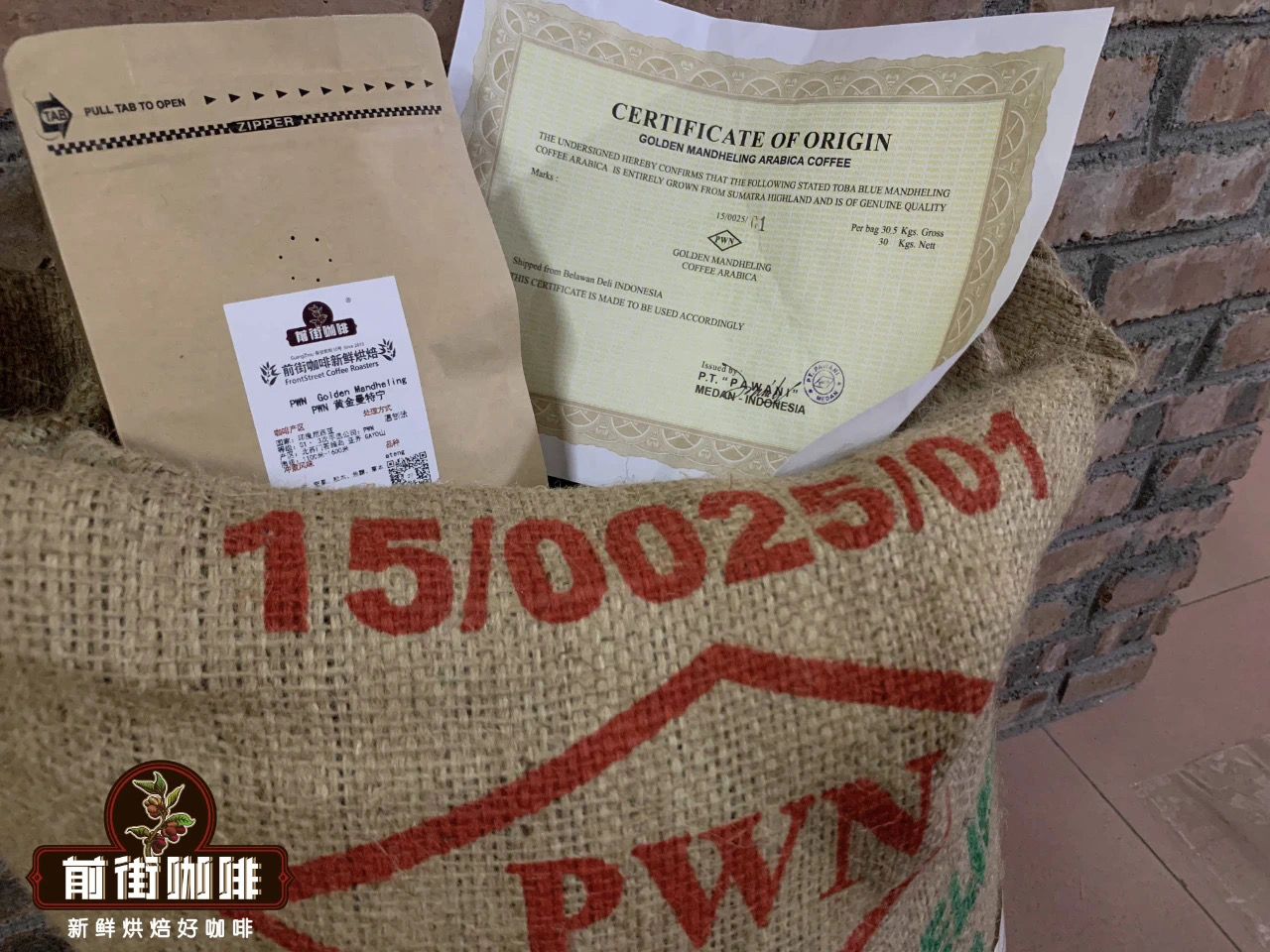
PAWANI (PWN) was founded in 1958,by an overseas Chinese family from Quanzhou, Fujian, located in Medan, an important port on Sumatra, Indonesia,and is a trading company engaged in export business. Since1957it began export operations, such as rubber, cassia seed, cloves, patchouli oil and other products, and of course also exporting Sumatra coffee beans to Japan. Asa long-established coffee bean exporter,the Mandheling produced by PAWANIwas first exported to Japan, and the Japanese attached great importance to this coffee, so they had extremely strict quality requirements. The coffee beans are all hand-picked and processed, then manually selected four times, giving them a classic and unique full body and strong mouthfeel, as well as a highly concentrated aroma.
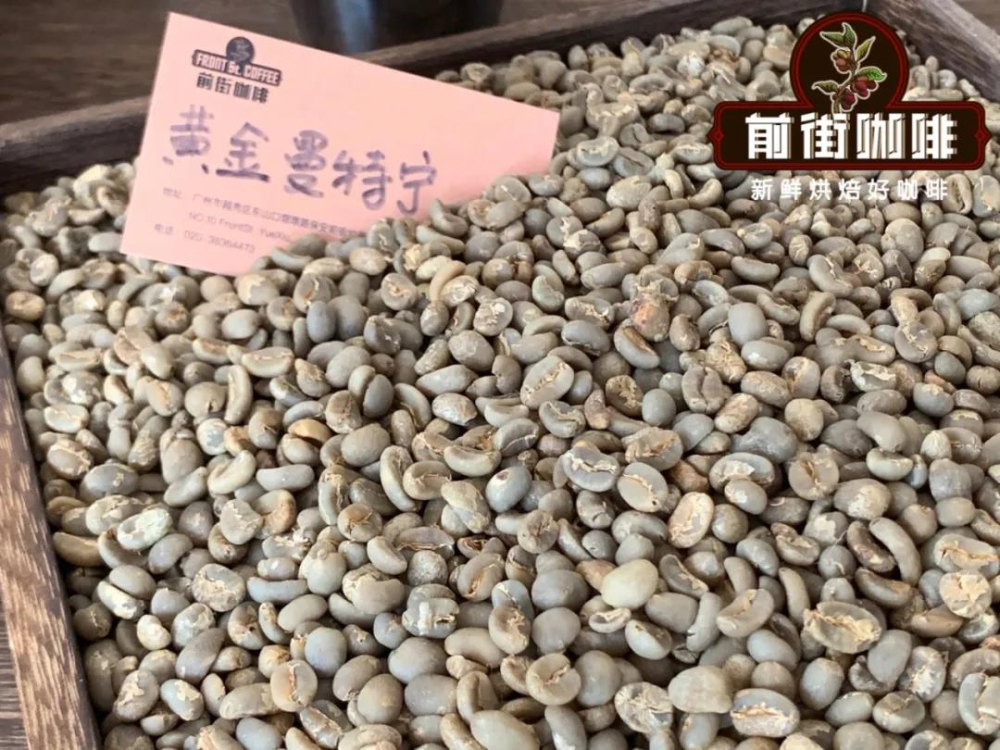
GoldenMandheling coffee bean characteristicsUnlike ordinary Mandheling. Golden Mandheling coffee beans have a smooth, fresh green appearance and are perfectly polished, but most Mandheling coffee has a mottled exterior.
Mandheling coffeeproducing regions
In Sumatra, Indonesia, famous coffee-producing regions include the GAYO mountains (that is, the Aceh producing region), Lintong and Sidikalang. Lintong Mandheling comes from beside LAKE TOBA, a famous tourist area in Sumatra, where the altitude is 1400-1800M, and the varieties are Jember, Garundang Typica, and Ateng.
In recent years, Mandheling from the Lintong area has also begun to be subdivided, and some Mandheling named after regions has begun to appear on the market (for example: Sidikalang, abbreviated as SDK Mandheling). The meaning of the Lintong area has also gradually narrowed to become the producing area near Lintongnihuta, while Lintong Mandheling often just represents Mandheling coffee.
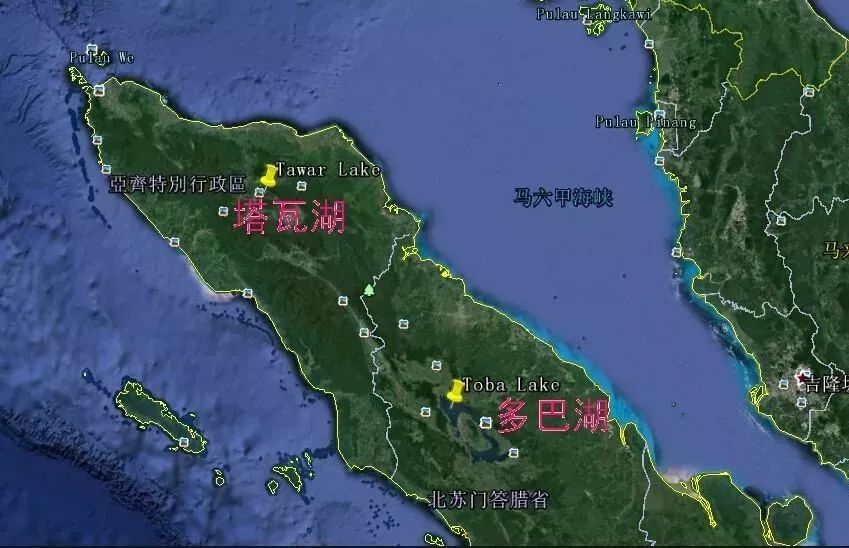
Golden Mandheling is mainly produced in Sidikalang, Sumatra, adjacent to Lake Toba, at an altitude of 1500 to 2000 meters. But it is worth noting that starting from the new crop season in 2020, Golden Mandheling is produced in the high mountain production area of GAYO by Lake Tawar in the more northern Aceh Province, and the bean variety has also changed from the original Typica to Ateng (the local Indonesian name for Catimor).
Mandheling's uniqueprocessing method: wet-hulling
Sumatra's climate is humid, and the three traditional coffee bean processing methods: natural, washed, and honey, all have very high requirements for sunlight conditions. Therefore, local coffee makers adapted to local conditions and invented this unique production method.
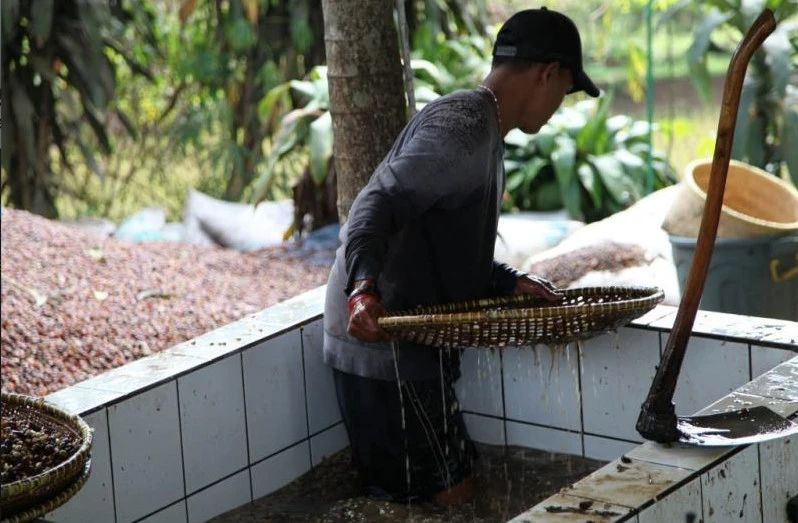
1. Remove the skin and pulp, retaining the parchment and mucilage
2. Ferment in a water tank
3. Wash off the mucilage
4. Sun-dry with parchment for 2-3 days, to a moisture content of 20-24%
5. Remove the parchment
6. Dry the green beans to a moisture content of 12-13%
7. Ready for export
Golden Mandheling and Lintong Mandheling roasting analysis
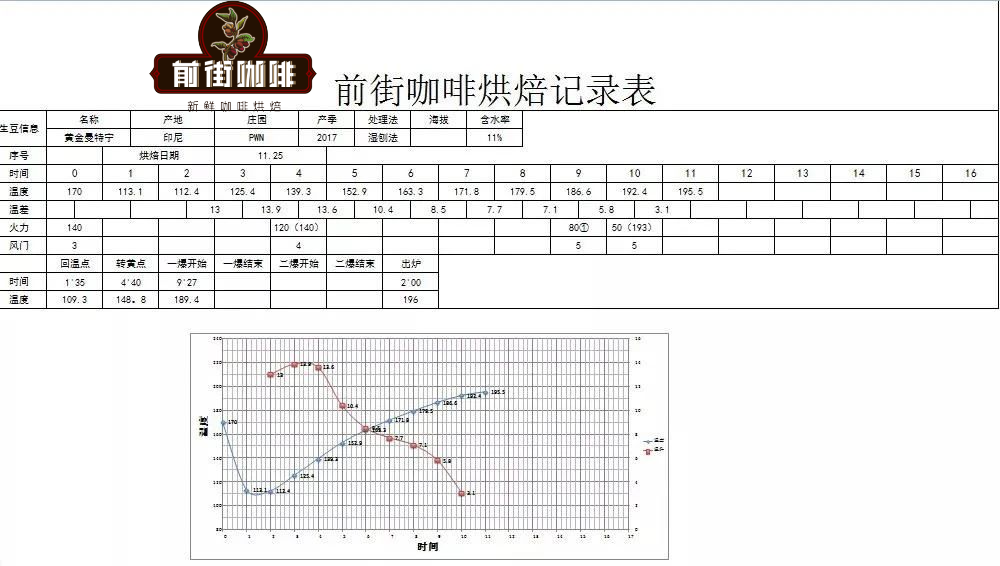
Front Street CoffeePWN Golden Mandheling coffee beansroasting curve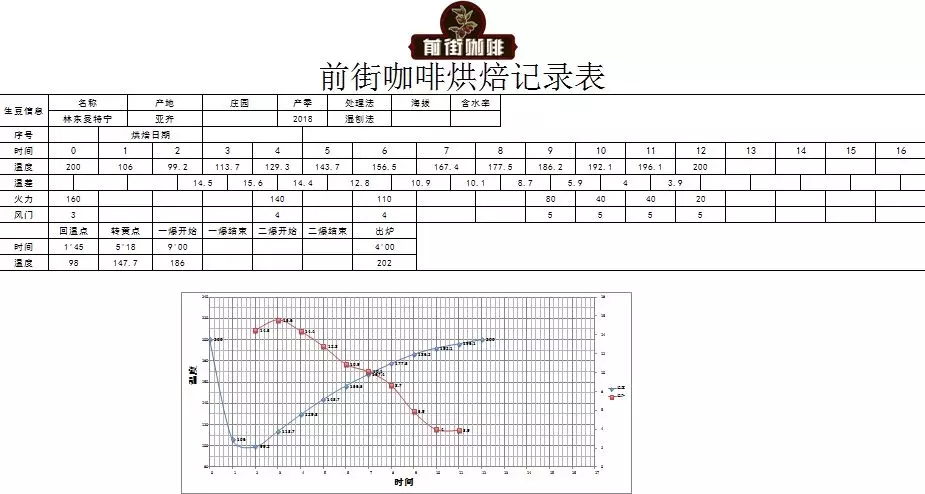
Front Street Coffee Lintong Mandheling coffee bean roasting curve
Golden Mandheling is a green bean with relatively high moisture. Compared with natural beans, there is a relatively large deviation in moisture, so special attention must be paid during dehydration. For green beans with high moisture content, you can close the air damper immediately after putting in the green beans, soak for 30 seconds, then open it to 3, until the color of the green beans turns light green or white, then open the air damper to 4, and after first crack open it to 5 (maximum).
Front Street Coffee suggests keeping good data records before roasting, including the coffee beans' moisture content, density, origin, processing method, roasting environment temperature in the roasting room, humidity, and so on, and planning your roasting curve. During roasting, record the relevant chemical and physical changes. This will all help you better understand the final roasting result and help improve the roasting curve.
Charge when the furnace temperature reaches 200°C, set the air damper to 3, adjust the heat to 160°C after 1 minute, keep the air damper unchanged, roast until 5 minutes 40 seconds at 148°C, when the bean surface turns yellow, the grassy smell completely disappears, and dehydration is complete, adjust the heat to 140°C, and change the air damper to 4; at 9 minutes 40 seconds, the bean surface shows ugly wrinkles and dark spots, and the toast smell obviously turns into coffee aroma, which can be defined as the prelude to first crack. At this time, listen clearly to the sound of the first crack point. At 9 minutes 54 seconds, first crack begins. Turn the heat down to 60°C, open the air damper fully (be very careful when adjusting the heat, it must not be so low that there is no cracking sound), and discharge at 204.5°C.
Golden Mandheling and Lintong Mandheling cupping report
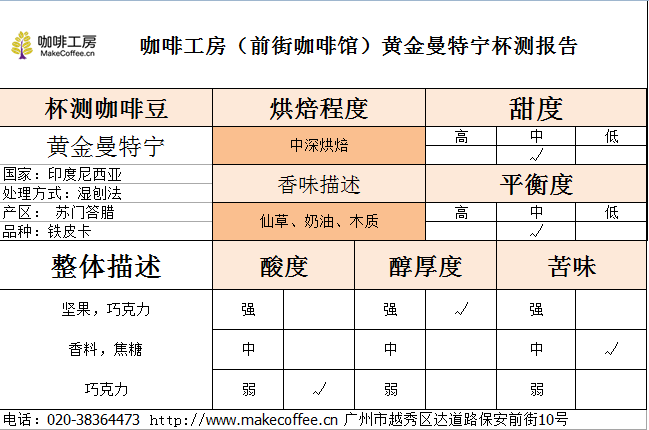
Golden Mandheling tastes cleaner than Lintong Mandheling. Mandheling's original herbal, earthy, and woody notes are almost gone, but the caramel sweetness is stronger, and the fruity acidity is also brighter and more elegant. Generally, Lintong Mandheling is best roasted until after second crack before discharging, which can effectively reduce off-flavors, but Golden Mandheling has good transparency and sweetness whether discharged before or after second crack, and the room for roasting interpretation is broader.
Front Street Coffee brewing analysis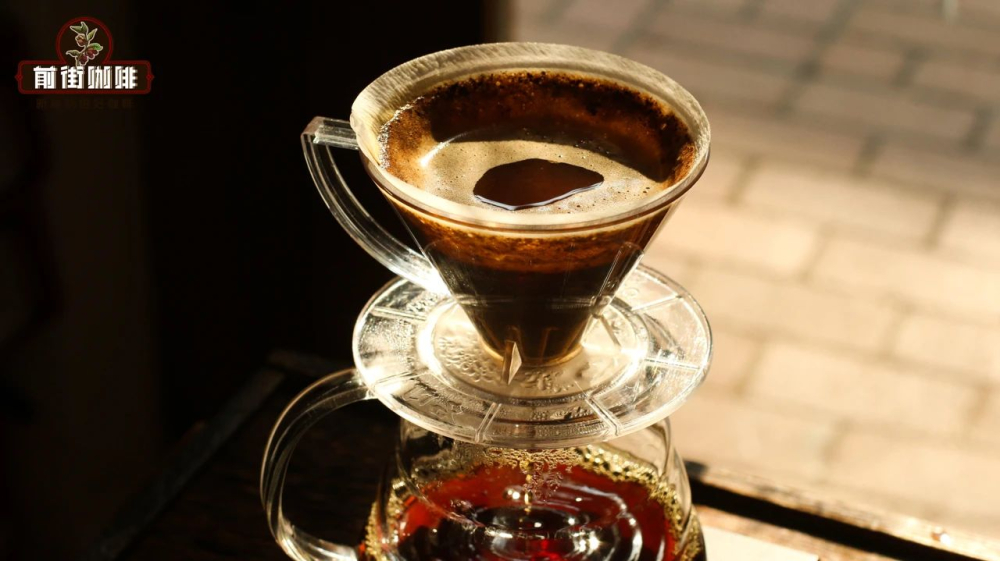
Front Street's two beans: Lintong Mandheling and Golden Mandheling, both use medium-dark roasting. Medium-dark roasted beans generally have a relatively high dehydration rate, so they are lighter in weight. During brewing, the grounds do not completely settle at the bottom. As soon as water is poured in, it is immediately absorbed. Because of vigorous degassing, there are bubbles around the grounds, thus creating channels. The fresher the beans, the longer these channels last, causing the water level to drop quickly. I generally use a thick stream of water and slowly go in circles.
Front Street brewing suggestions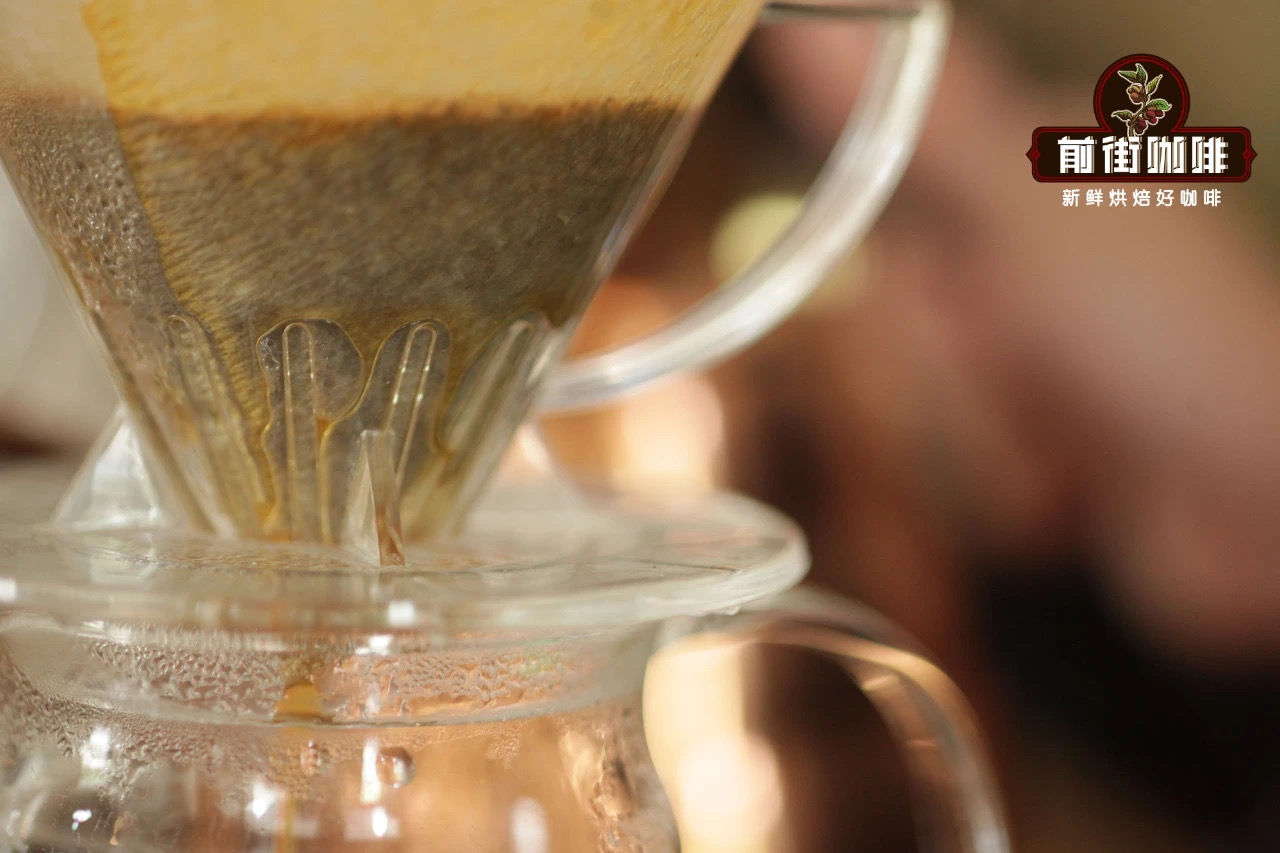
Dripper: KONO
Dose: 15 grams
Coffee-to-water ratio: 1:15
Water temperature: 86-88°C
Grind size: medium-coarse (70% passing rate on National Standard No. 20 sieve)
Front Street Coffee brewing method
For the first pour, use 30 grams of water to bloom for 30 seconds. For the second pour, pour in a small stream in circles until 125 grams, then pause. When the water level is about to expose the coffee bed, continue pouring for the third stage until 225 grams and stop pouring. When the water level is about to expose the coffee bed, remove the dripper. (Start timing at the beginning of blooming.) The extraction time is 2'00".

Golden Mandheling flavor description:Layered and changeable, clean, balanced, with a long-lasting caramel sweetness in the finish
Lintong MandhelingFlavor description:Herbal medicinal notes on entry, dark chocolate, caramel, sweet aftertaste
Golden Mandheling tastes cleaner than Lintong Mandheling. Mandheling's original herbal, earthy, and woody notes are almost gone, but the caramel sweetness is stronger, and the fruity acidity is also brighter and more elegant.
For professional coffee knowledge exchange and more coffee bean information please follow Coffee Workshop (WeChat public account cafe_style )
For more specialty coffee beans, please add the private WeChat of Front Street Coffee, WeChat ID: kaixinguoguo0925
The above content is compiled by CoffeeHunters, a coffee news website.


