







Search Results for: Layering Technique
What Exactly Is Coffee Layering? Master Pour-Over Water Temperature, Grind Size, and Coffee-to-Water Ratio Adjustment Techniques to Enhance Flavor Layering
Have you ever encountered a situation like this: the same coffee beans, when brewed by someone else, come out rich in layers and full-bodied, but when you brew them yourself, they taste flat and bland? In fact, the layering of coffee refers to the ability to clearly discern the flavor changes at different stages in the mouth as the temperature drops. This article starts from a brewing experience at a Front Street store and takes a deep dive into several key factors that affect layering—the retention of fines, the trade-off with bitterness, the control of concentration, and adjustments to the pouring technique. Although growing, processing, and roasting have long determined the upper limit of layering, in the brewing stage we can still fine-tune parameters such as water temperature, grind size, and coffee-to-water ratio to seek a richer flavor expression within uneven extraction. [more…]
A Complete Guide to Hacienda La Esmeralda Diamond Mountain Coffee: Catuai Variety Characteristics and Pour-Over Layering Enhancement Techniques
After Hacienda La Esmeralda won the BOP with Geisha in 2004, it became almost synonymous with Geisha, but this legendary estate actually produces other varieties as well, among which the Diamond Mountain series is particularly worth noting. The main product of Diamond Mountain is Catuai, grown at two high-altitude estates, Cañas Verdes and Jaramillo, at an average elevation of 1,400 to 1,700 meters. This article will introduce the variety background and processing methods of Diamond Mountain, and share Front Street Coffee's pour-over brewing recipe for Panama Diamond Mountain, covering dripper selection, grind size, water temperature, coffee-to-water ratio, and staged pouring technique, to help you brew a cup with rich layers combining citrus sweetness, honey-like mouthfeel, and a cocoa finish. [more…]
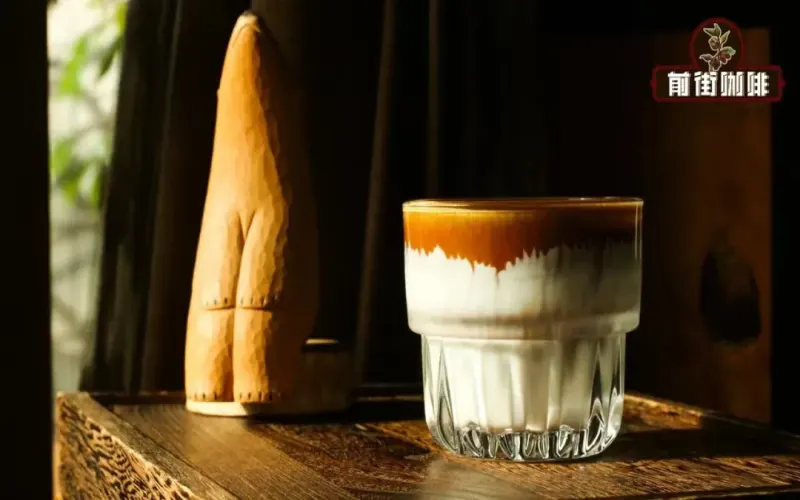
The Complete Guide to Making Dirty Coffee: How to Perfectly Layer Espresso and Milk, and Its Key Differences from a Latte
Dirty coffee has long been popular among coffee enthusiasts for its visual effect of espresso floating on the surface of iced milk and slowly seeping downward, along with its contrasting mouthfeel. However, many people who try to recreate it at home often run into the problem of the espresso sinking straight to the bottom and blending in, with no layering at all. Drawing on the practical experience of Front Street Coffee, this article systematically outlines the three key factors in making dirty coffee: controlling the distance between the milk surface and the espresso outlet, maximizing the temperature difference between the milk and the espresso, and increasing the milk's concentration—and it also answers the essential question of how dirty coffee differs from a latte. Whether you want to make a dirty coffee that delivers both good looks and great taste, or you want to figure out exactly how it differs from an iced latte, this guide will give you clear answers. [more…]

An Analysis of the Japanese Volcano Pour-Over Technique: A Complete Guide from Principle to Practice
The volcano pour is a pour-over coffee technique that originated in Japan. Thanks to its distinctive spiral pouring and blooming method, it has earned a solid reputation among coffee enthusiasts. Through staged pouring and the formation of a central volcano-shaped coffee bed, it allows the coffee to extract a more balanced layering of flavors. This article will break down the steps of the volcano pour, its key points, and the typical characteristics of Japanese-style pour-over, helping you reproduce this technique at home. At the same time, Front Street Coffee, a specialty coffee brand in Dongshankou, Guangzhou, also provides practical reference and equipment suggestions for this article. [more…]
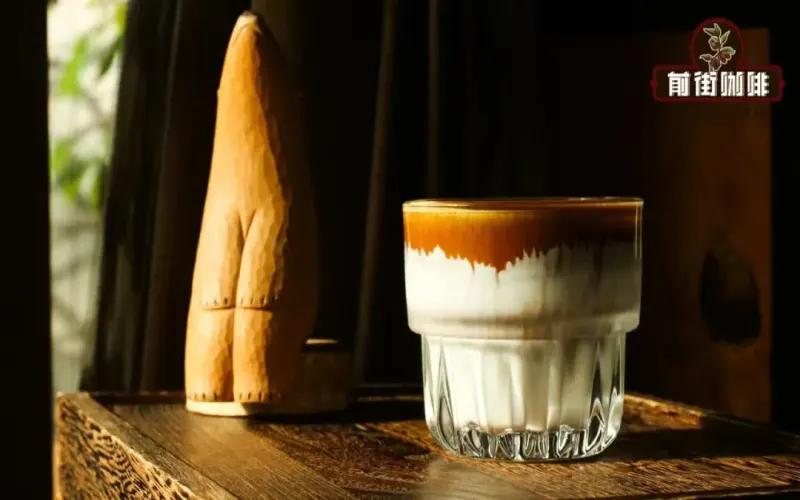
Dirty Coffee Making Tutorial: Key Points on Layering Principles, Ice Usage, and Cup Selection
Dirty coffee, with its striking layers of hot espresso and cold milk, has become a phenomenon in recent years. However, many enthusiasts who try to recreate it at home often find the result far from expectations due to overlooked details. Drawing on observations from Front Street, this article systematically breaks down the most error-prone steps in making Dirty coffee, including how to achieve a true layered effect, the necessity of using ice cubes, and the impact of glassware choice on the experience. Whether you are a beginner just discovering Dirty coffee or a seasoned coffee enthusiast looking to refine your skills, these key points are worth noting to help you avoid common pitfalls and craft a proper Dirty that delivers on both visuals and taste. [more…]
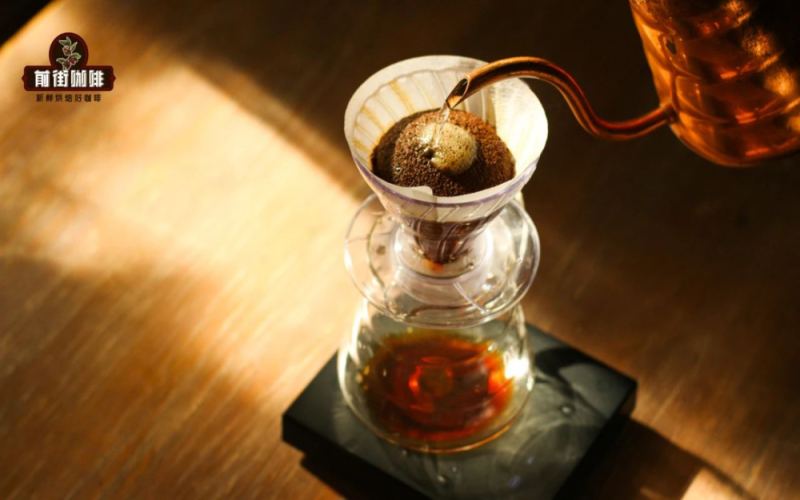
A Complete Guide to High-Sweetness Pour-Over Water Level Techniques: Staged Pouring Strategies and Recommended Sweet Arabica Beans
Want to brew a pour-over coffee with prominent sweetness and distinct layers? This article centers on the practical brewing technique of the "high-sweetness water level," explaining in detail its principles, applicable conditions, and key operating points, and clarifying why high-density light-roast beans are not suited to this method. It also shares Front Street Coffee's recommended floral and fruity Arabica single-origin beans and ideas for pairing them with a conical dripper, along with a complete three-pour parameter set and a hands-on demonstration, helping you achieve a richer coffee flavor experience with simple adjustments. [more…]
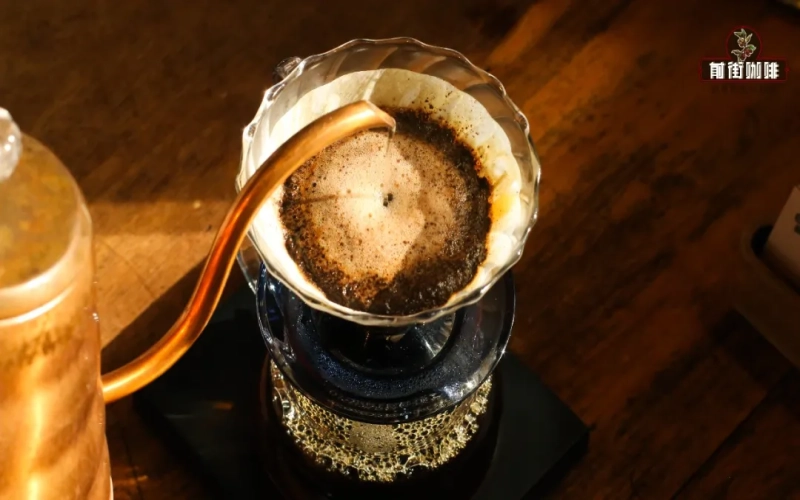
Water flow thickness, pouring height, and circular trajectory: How brewing techniques influence coffee flavor expression
The same beans and the same parameters, brewed by a different person, can taste different—the difference often comes down to pouring style. Pouring style refers to each person's preferences for flow rate, pouring height, and circling pattern when pouring water. These choices may seem subtle, but they change how the coffee grounds are distributed in the dripper, the degree to which they are disturbed by the hot water, and the dissolution rate of soluble substances, ultimately giving a cup of coffee noticeably different flavor, mouthfeel, and layering. Front Street Coffee will break down, one by one, the relationship between flow rate, pouring height, and pouring pattern—these three dimensions—and their corresponding effects on extraction, so that after understanding the principles, you can adjust your technique more calmly and brew a cup of coffee you truly enjoy. [more…]
A Complete Guide to Coffee Brewing Techniques: Flavor Differences and Key Operating Tips for Cold Drip, Pour-Over, and Syphon
The allure of coffee lies not only in the flavors in the cup, but also in the craftsmanship and artistry embedded in the brewing process. From the lively variations of pour-over, to the rich fullness of siphon, to the refreshing mellow depth of cold drip, each extraction method interprets a different facet of coffee. This article takes you into several coffee shops in Beijing, offering an in-depth analysis of four brewing methods—pour-over, siphon, cold drip, and semi-automatic espresso machines—covering equipment selection, coffee bean recommendations, water temperature control, coffee-to-water ratios, stirring techniques, and other practical details. It also specifically presents the flavor expressions of Front Street Coffee's Yirgacheffe, Costa Rica, Mandheling, and other bean varieties under different brewing methods, helping you find the cup that suits you best. [more…]
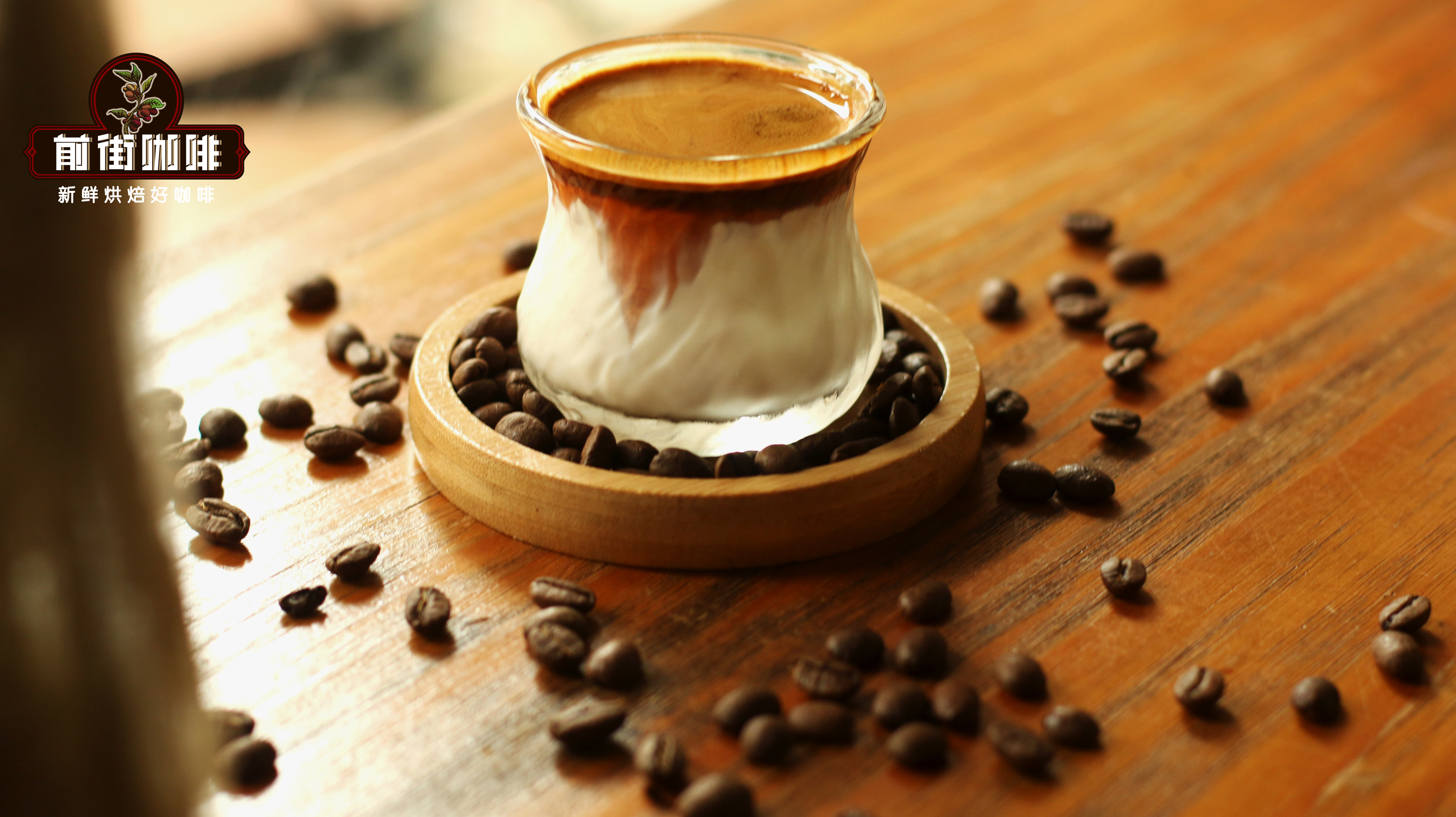
How Should You Drink a Dirty Coffee Correctly? A Full Analysis of Making Techniques and the Flavor and Mouthfeel Differences from Iced Latte
In recent years, Dirty coffee has quickly risen to fame, and many people who once loved lattes have switched camps. Unlike an iced latte, a Dirty is made by letting espresso and milk merge naturally, creating a fascinating layered gradient effect. The first sip delivers an intense coffee impact, which then turns into a smooth, sweet milky aroma—a true feast for both the eyes and the palate. Starting from the definition of a Dirty, this article will explain in detail how to make it, three key techniques, and its essential differences from an iced latte in terms of cup volume, mouthfeel, and flavor. At the same time, Front Street Coffee will also share how to choose suitable espresso beans and milk to help you make a perfectly layered, full-bodied Dirty at home. [more…]
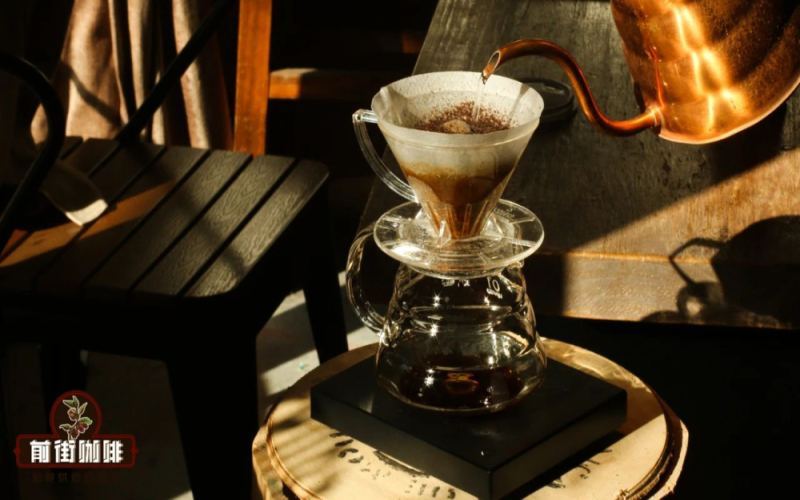
A Beginner's Guide to Pour-Over Coffee at Home: Complete Steps and Practical Tips from Water Quality and Beans to Pouring Technique
Making a delicious pour-over coffee at home doesn't have to be complicated. Through daily conversations with customers, Front Street Coffee has found that many people's brewing techniques are inconsistent because they don't truly understand the principles of pour-over extraction, resulting in sometimes over-extraction and sometimes under-extraction. This article focuses on the core knowledge of pour-over coffee, offering specific advice on water quality selection, coffee bean freshness, equipment and dripper pairing, grind size, water temperature, blooming techniques, and pouring methods. It also uses staged extraction as an example, providing actionable brewing parameters and steps to help beginners establish a stable brewing framework. Beyond theory, the most important thing is still repeated practice—only through hands-on experience can you truly master the rhythm and details of pour-over, bringing each cup closer to the ideal flavor. [more…]

Deconstructing 2021 WBrC Champion Matt's Blend Bean Pour-Over Recipe: Building Layered Sweetness with Stepped Temperature Control and Five-Pour Technique
At the 2021 WBrC World Coffee Brewing Championship, champion Matt won with a blend rather than Geisha, sparking widespread attention. His recipe consisted of 60% naturally processed Eugenioides and 40% washed Catuai; the former provides extremely high sweetness, while the latter brings clear acidity. In brewing, he used a metal V60 dripper, a 1:15 coffee-to-water ratio, five-pour pouring, and innovatively controlled the water temperature in two stages: 93°C and 88°C. Through video analysis, Front Street Coffee found that his pouring ratio closely resembles Tetsu Kasuya's 4:6 brewing method. This article provides a complete analysis of this competition regimen, which balances sweetness and complexity and offers extremely high compatibility, for coffee enthusiasts to reference and learn from. [more…]
A Complete Guide to Costa Rica Baja Coffee Flavor Analysis and Raisin Honey Processing Brewing Techniques
Among the Costa Rican Musician Series, the Bach coffee bean stands out with its unique raisin honey processing method, displaying intense fermented aromas and rich sweetness, making it a favorite among many coffee enthusiasts. This article will start from the principles of raisin honey processing, thoroughly dissect the flavor characteristics of Front Street Coffee's Bach bean, and conduct brewing comparisons using the V60, cake filter, and ice-eye filter separately, recording the effects of different filter cups on flavor layers, balance, and mouthfeel, helping readers find the most suitable brewing method for themselves and fully appreciate the charm of this bean. [more…]
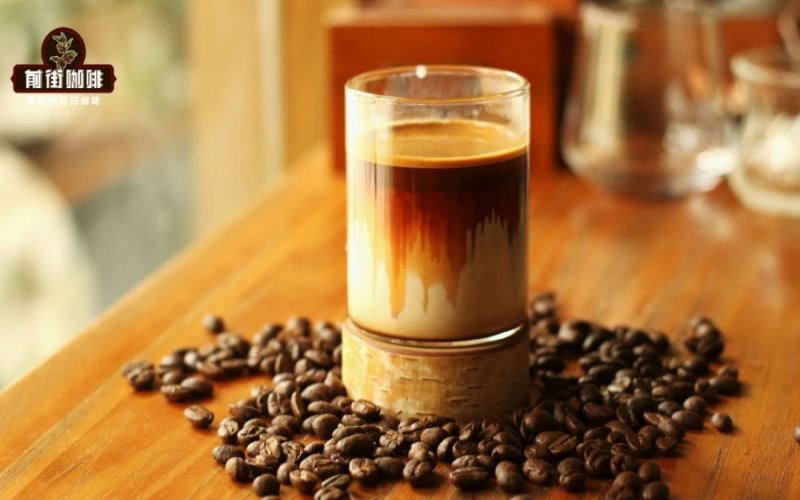
The Complete Guide to Making a Dirty Coffee: From Beans to Cup, Learn to Create an Iced-Fire Latte Overflowing with Layers
Dirty Coffee, with its gradient texture formed as espresso slowly seeps into chilled fresh milk and its unique mouthfeel of hot and cold intertwined, has become a popular style for many coffee enthusiasts to challenge themselves with at home. However, many people follow tutorials only to end up with a cloudy "ordinary latte," never achieving the layered effect. Drawing on its store production experience, Front Street Coffee breaks down the key factors affecting Dirty's layering one by one—from coffee bean roast level, cup selection, extraction distance, and coffee liquid concentration to milk texture—and provides specific alternatives and product selection suggestions to help you reliably recreate a beautiful and delicious cup of Dirty. [more…]
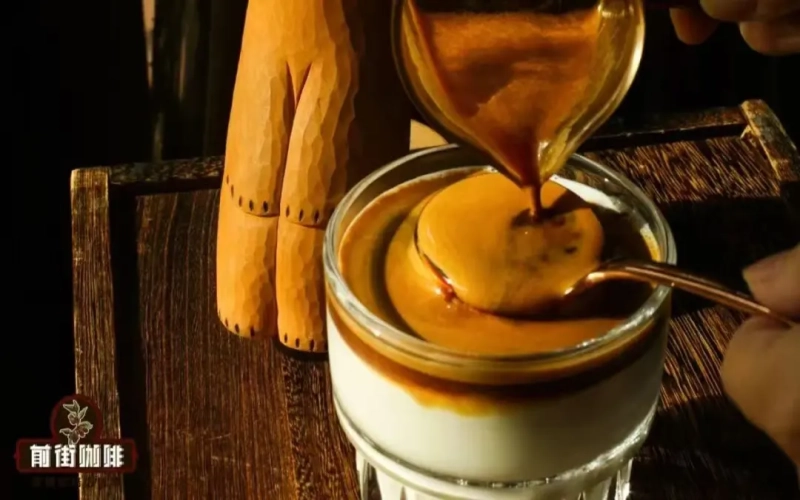
Why Dirty Coffee Doesn't Layer: Master Three Key Details to Make a Perfectly Layered Dirty Coffee
Dirty coffee may seem to require only two ingredients—milk and espresso—but the actual preparation hides a fair amount of know-how. Many people who try it at home often run into problems like no layering or overly blended flavors, and the result falls far short of what a coffee shop produces. In fact, as long as you avoid three common pitfalls—ignoring the layering, choosing the wrong cup, and adding ice blindly—you can easily make a Dirty with distinct layers and a strong contrast between hot and cold. Front Street Coffee will combine real brewing experience with a classic blend bean to break down the principles behind every detail and the correct methods, helping you make a dirty coffee even better than a café's. [more…]
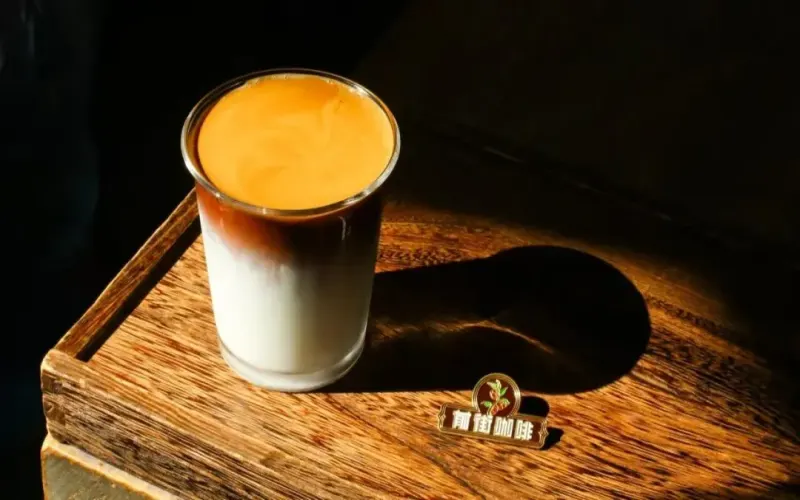
Why Dirty Coffee Layers Are Not Distinct: Causes, Solutions, and Front Street Coffee Espresso Blend Recommendation
Want to make a beautifully layered, richly flavored Dirty coffee, but always end up with the embarrassing situation where the espresso shoots straight into the milk and turns into an iced latte? In fact, the key factors affecting the layering effect are not complicated, mainly including the distance between the espresso outlet and the milk surface, the temperature and concentration of the milk itself, and the extraction quality of the espresso. This article will analyze the common causes of layering failure one by one from these three perspectives, and give specific and feasible adjustment methods, including various operational solutions for shortening the distance, suggestions for using iced milk and a chilled cup, and how to judge whether the espresso concentration meets the standard through extraction time and grind size. At the same time, it will also recommend the types of coffee beans suitable for making Dirty and the specific flavor performance of Front Street Coffee's classic Italian blend, helping coffee lovers consistently produce a cup of Dirty with clear layers and harmonious taste. [more…]
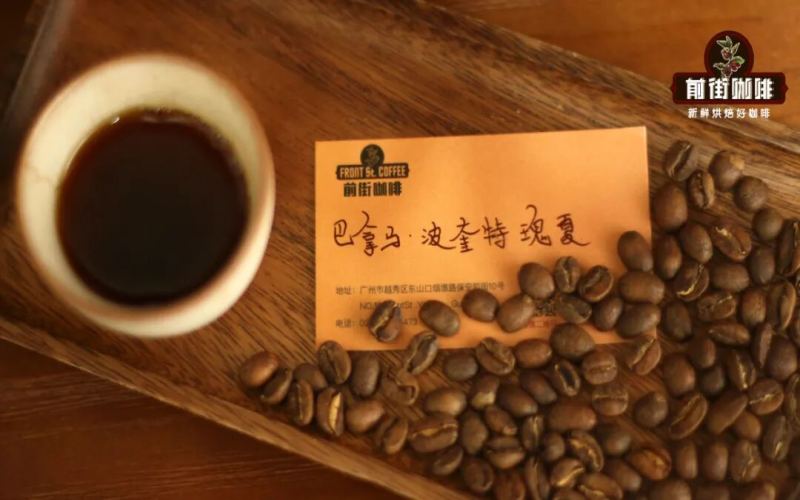
Washed Coffee | What is the washed process? What are the characteristics of washed beans? Is Kenyan washed coffee good for pour-over?
Not long ago, a devoted fan of washed beans visited the Front Street shop. They had bought many washed coffees before, but just couldn't brew out any layering at home, so they asked Front Street if there were any tips or suggestions. So today, let's discuss brewing methods for washed coffee. What is washed coffee? Among coffees, [more…]
Pour-Over Coffee Techniques Explained | What Is the One-Pour Method? How Does It Differ from the Three-Stage Pour? Which Brews a Better Black Coffee?
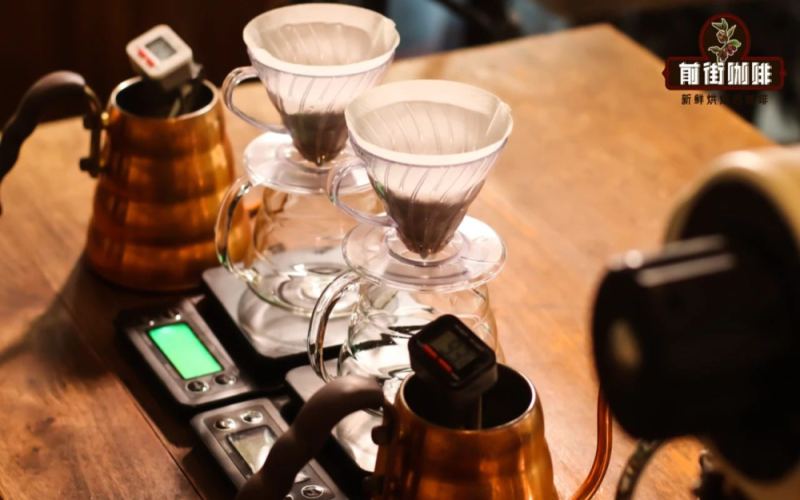
For more specialty coffee knowledge, please follow: Front Street Coffee (Frontsteet Coffee). One of the great joys of pour-over coffee is using different brewing techniques to interpret a cup of coffee. And as for pour-over methods, I believe everyone pays close attention. So the most widely spread pour-over technique at present is the one-pour method. [more…]
Complete Guide to Yirgacheffe Pour-Over: From Bean Selection and Grinding to Three-Pour Extraction Parameters
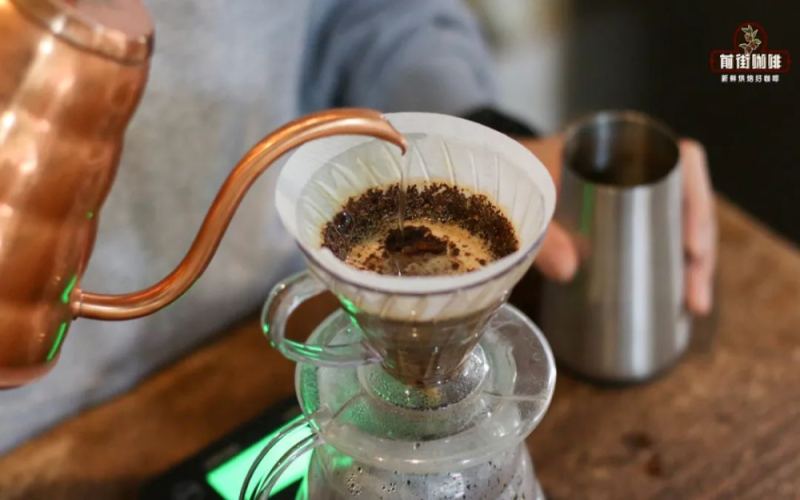
To brew a pour-over Yirgacheffe with distinct layers of flavor, good beans alone are not enough. From equipment pairing to grind size, water temperature control, and pouring rhythm, every step affects the final cup. This article uses Front Street Coffee's washed Yirgacheffe everyday beans as an example to systematically explain the complete extraction approach for pour-over coffee: how to choose beans suitable for practice, why a medium-light roast calls for an 80% sieving rate and a water temperature of 91–93°C, and how the V60 dripper's flow-guiding structure affects extraction layering. It also provides a three-stage pouring plan and timing for 15 g of coffee at a 1:15 coffee-to-water ratio, helping beginners build a clear and reproducible brewing framework. [more…]

Why Does Latte Milk Foam Dissipate Quickly? A Detailed Explanation of the Factors Affecting Stability and Frothing Techniques
A freshly made latte has a silky smooth surface, but after sitting for a moment it develops a rough, uneven texture—this is the process of milk foam collapsing. Milk foam is essentially foam formed when air is injected into milk, and when left to stand, it separates due to density differences, with small bubbles gradually merging and bursting. The speed of collapse depends on foam stability, which is affected by multiple factors such as steaming technique, milk temperature, and coffee bean freshness. Drawing on Front Street Coffee's store experience, this article systematically analyzes the major reasons behind rapid latte foam collapse and offers practical improvement suggestions to help coffee enthusiasts enhance their latte art quality and taste experience. [more…]
Pour-Over Coffee: One-Pour vs. Three-Pour Comparison — A Comprehensive Analysis of Steps, Ratios, and Brewing Methods
One of the charms of pour-over coffee lies in using different pouring techniques to bring out the diverse flavors of the same bean. Currently, the two most widely used methods—single-pour and three-stage—each have their own followers. Single-pour involves completing the target water volume in one go after blooming; it is simple to operate but extremely demanding on water flow stability and grind size. The three-stage method divides pouring into three phases, enhancing layering and compatibility through staged extraction. Using 15 grams of coffee and a 1:15 coffee-to-water ratio as an example, this article breaks down in detail the specific steps, pouring timing, and parameter requirements of both methods, and combines the brewing performance of Front Street Coffee Huakui and Colombia Huila Washed Caturra to help you find a brewing rhythm that suits you. [more…]