







How Do You Brew a Yirgacheffe Pour-Over?
Brewing a Yirgacheffe pour-over that shows a clear, layered cup comes down to matching beans, grind, water and pouring rhythm. Washed Yirgacheffe everyday beans work well for practice: medium-light roasts call for an 80% sieve pass rate and water at 91–93°C, poured through a V60 dripper whose ribs and wide exit shape the extraction.
The three-stage pour uses 15g of coffee at a 1:15 ratio, roughly 225g of water, split across timed pours so each stage extracts a different part of the flavor. A medium-fine grind, a brief bloom, and a steady spiral pour keep the bed even. Beans rested a few days after roasting behave more predictably than very fresh ones.
To brew a pour-over Yirgacheffe with a clear, layered flavor profile, good beans alone are not enough. From equipment pairing to grind size, water temperature control, and pouring rhythm, every step affects the final result in the cup. Using Front Street Coffee's washed Yirgacheffe everyday beans as an example, this article systematically walks through the complete extraction approach for pour-over coffee: how to choose beans suitable for practice, why a 80% sieve pass rate and 91–93°C water temperature are chosen for medium-light roasts, and how the V60 dripper's flow-guiding structure influences extraction layering. It also provides a three-stage pouring plan with time points for 15g of coffee at a 1:15 ratio, helping beginners establish a clear, replicable brewing framework.
Pour-over as an extraction method can restore the aroma and flavor of black coffee itself to the greatest extent. As specialty coffee becomes more and more popular, more coffee lovers have joined the pour-over camp, and everyone has begun to ponder extraction variables such as water temperature, coffee-to-water ratio, and pouring rhythm. Today Front Street Coffee will talk about exactly which steps are worth paying attention to if you want to brew a satisfying cup of pour-over.
Choosing Good Coffee Beans
For beginners just getting into pour-over, Front Street Coffee's suggestion is to start practicing with beans that offer good value for money. For one thing, you can build an understanding of regional flavors through different origins; for another, even if your technique is unpolished and you mess up the brew, it won't hurt too much.
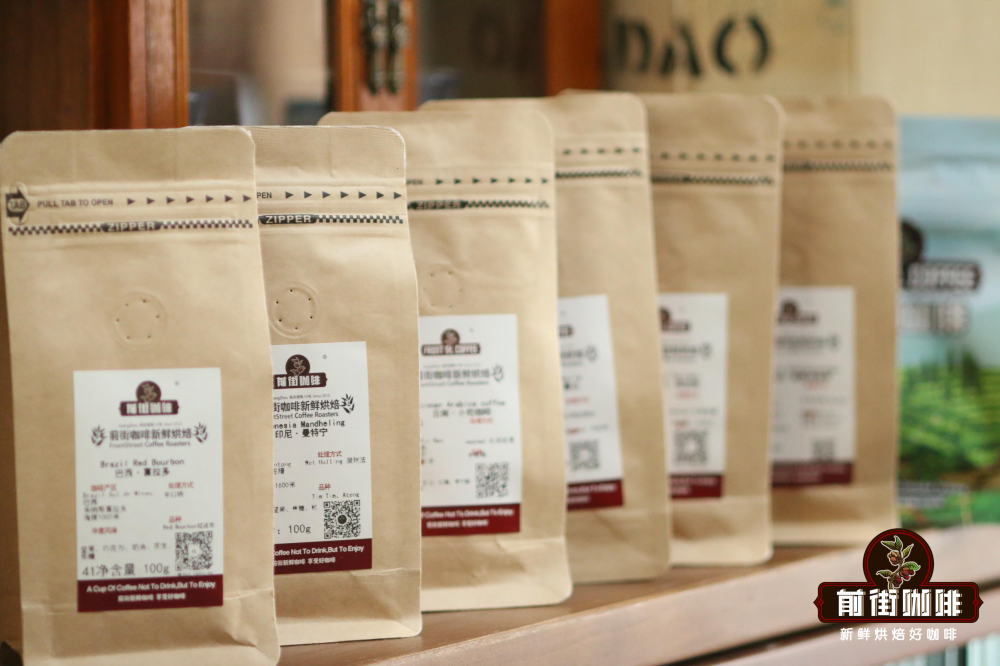
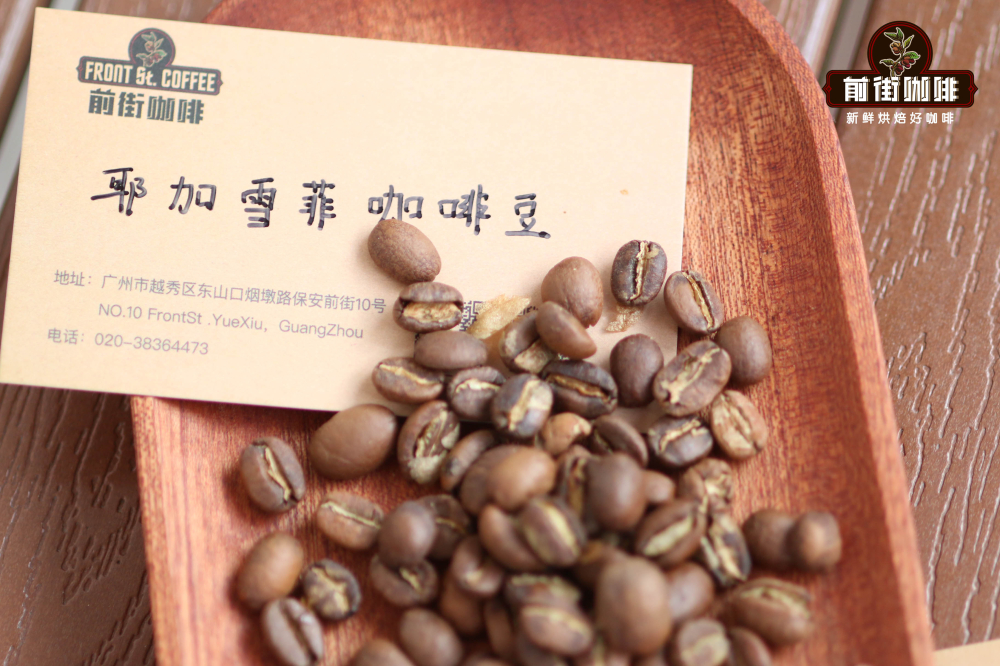
Front Street Coffee's bean list includes an everyday beans series, positioned to be tasty yet inexpensive. This series covers seven classic origins and includes multiple representative regions, varieties, and natural processing methods: Ethiopia's washed Yirgacheffe, Guatemala's washed Huehuetenango, Colombia's washed Huila, Brazil's semi-washed Cerrado, Costa Rica's washed Tarrazú, Indonesia's wet-hulled Lintong Mandheling, and China Yunnan's washed Baoshan. At an affordable price, you can experience the flavor direction of each region and then clarify which type of coffee you prefer—making this a particularly cost-effective series from Front Street Coffee.
Below, Front Street Coffee will use the highly renowned washed Yirgacheffe everyday beans as an example to share Front Street Coffee's extraction approach. The coffee beans shipped by Front Street Coffee are all freshly roasted within 5 days, with the aim of ensuring the beans are still at their best freshness when they arrive, securing more layering for the flavor in the cup.
Pour-over Equipment
Once the beans are ready, the next step is to choose the corresponding brewing equipment. Suitable equipment can help us enhance the coffee's positive flavors. To complete a pour-over extraction, at least the following are needed: pouring kettle, dripper, server, grinder, filter paper, electronic scale, and thermometer.
The grinder carries a lot of weight in the pour-over process, and the common types are manual and electric. Whichever you choose, the core requirement is to make the coffee grounds grind evenly enough. Grind size directly affects the direction of the taste: coarser grinds tend to underextract and taste thin; finer grinds tend to overextract and bring out bitterness. When calibrating grind size, Front Street Coffee uses a tool—the Chinese No. 20 0.85mm standard sieve. For medium-light roasted beans, Front Street Coffee usually controls the sieve pass rate at 75–80%; for medium-dark roasted beans, it maintains 70–75%. Yirgacheffe belongs to the medium-light roasted high-altitude beans, and Front Street Coffee wants to extract more aromatic substances, so it chooses a grind size with an 80% pass rate on the No. 20 standard sieve; on the shop's EK43s grinder, the corresponding setting is 10.
The thermometer is used to measure the hot water temperature. Water temperature works similarly to grind size: the higher the water temperature, the higher the extraction efficiency, the easier various substances are released, and the higher the concentration becomes. If you brew with water close to boiling, it is easy to bring out unpleasant bitterness. Therefore, when brewing medium-dark roasted beans, Front Street Coffee uses different parameters from those for light roasted beans. Medium-dark roasted beans have undergone more complete caramelization and more easily release bitter large-molecule substances. To suppress off-flavors, Front Street Coffee appropriately lowers the water temperature, recommending a range of 87–90°C; light roasted beans need a higher water temperature to stimulate aroma, so 91–93°C is used.
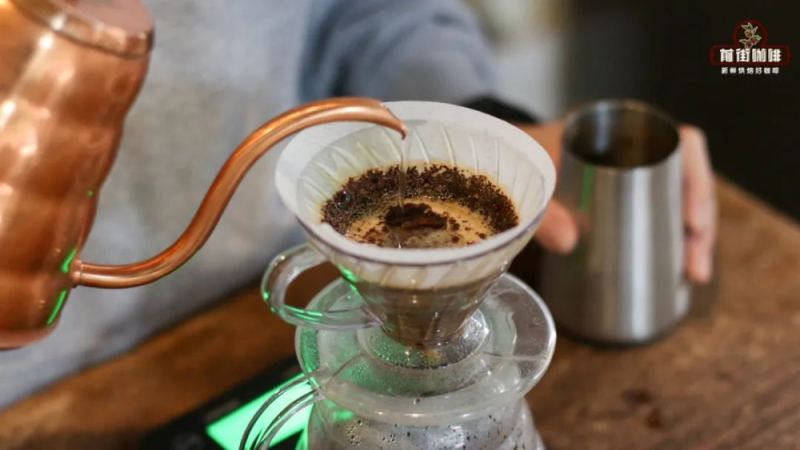
Front Street Coffee's daily shop output uses two drippers, the Hario V60 and KONO. The V60 is mainly responsible for lighter roasted beans, while the KONO corresponds to darker roasted beans. Here, the Front Street Coffee barista chooses a resin V60 dripper to extract Yirgacheffe. The V60 body has flow-guiding ribs connecting the top and bottom, and at the center of the bottom is a large round hole that can speed up the flow of water downward; the spiral exhaust grooves lengthen the water flow path, increasing the contact time between coffee grounds and hot water. Each stream of water converges along the grooves toward the center of the dripper, the pressure on the coffee grounds is more concentrated, and the final brewed coffee has richer layering.
Brewing Technique
Based on past brewing experience, Front Street Coffee suggests that beginners start with three-stage pouring. Staged extraction helps flavor substances dissolve more fully, makes the mouthfeel more layered, and at the same time avoids overextraction caused by soaking too long. Taking 15g of coffee grounds and a 1:15 coffee-to-water ratio as an example, the total water amount is 225ml, and the three stages are: 30ml, 95ml, and 100ml, corresponding to readings on the electronic scale of: 30g, 125g, and 225g.
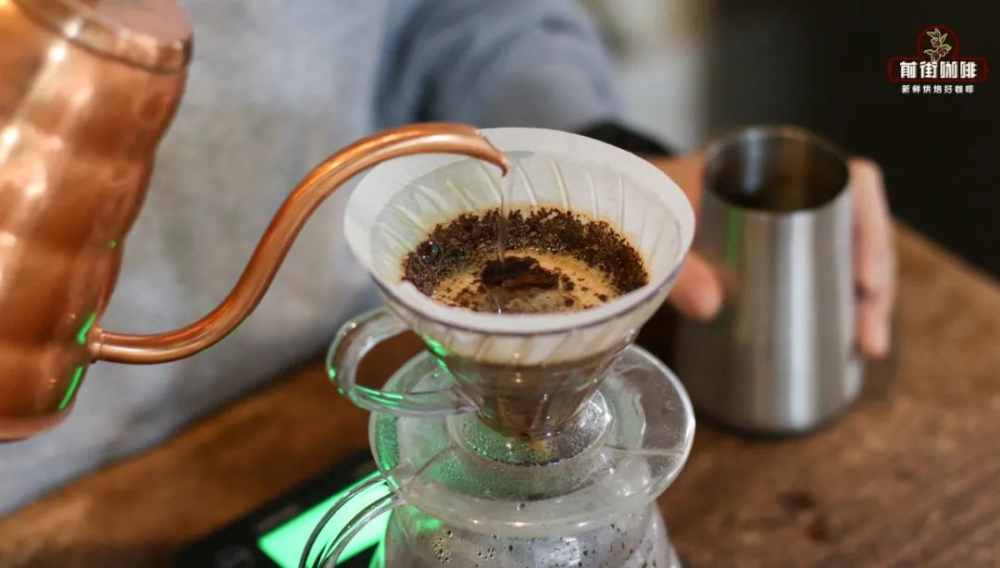
Fold the filter paper and fit it against the dripper, wet the filter paper with a small amount of water, and at the same time make the two fit more snugly, then discard the water in the server. Then pour in the coffee grounds and tap lightly to distribute the coffee bed evenly. For the first stage, gently pour 30g of water for blooming, with a bloom time of 30 seconds; for the second stage, pour to about 125g, maintaining an even and steady outward circular pour. When the coffee liquid has dropped by half, pour the final stage up to 225g. After all the coffee liquid has finished dripping, the total extraction time is about 2 minutes.
The reason pour-over coffee is so fascinating is that we can actively explore the flavor expression of extraction: adjust the brewing method according to the bean variety and roast level, choose different vessels to feel the diverse aspects brought by extraction, and regulate factors such as grind size, water temperature, flow rate, and pouring technique to change the extraction result. Every step brings a different taste and aroma experience—this is exactly where the fun of pour-over coffee lies.
For professional coffee knowledge exchange and more coffee bean information, please follow Coffee Workshop (WeChat public account cafe_style)
For more specialty coffee beans, please add the private WeChat of Front Street Coffee (FrontStreet Coffee), WeChat ID: qjcoffeex
The above content is compiled by CoffeeHunters, a coffee news website.


