







Not long ago, a washed-bean superfan visited Front Street Coffee. They had bought many washed coffees before, but just couldn't brew any layering at home, so they asked Front Street if there were any tips or suggestions. So today, let's discuss a brewing plan for washed coffee.
What is washed coffee?
The "washed process" in coffee is translated from the English "Washed process," and in producing regions it is also called“Wet process”, that is, "wet processing."
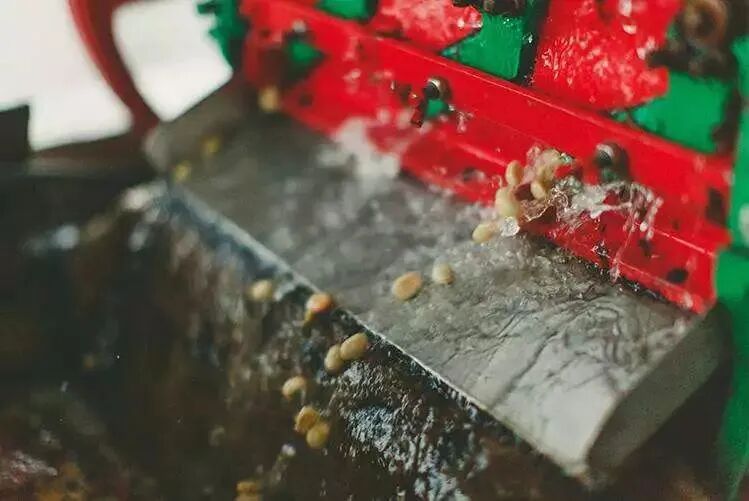
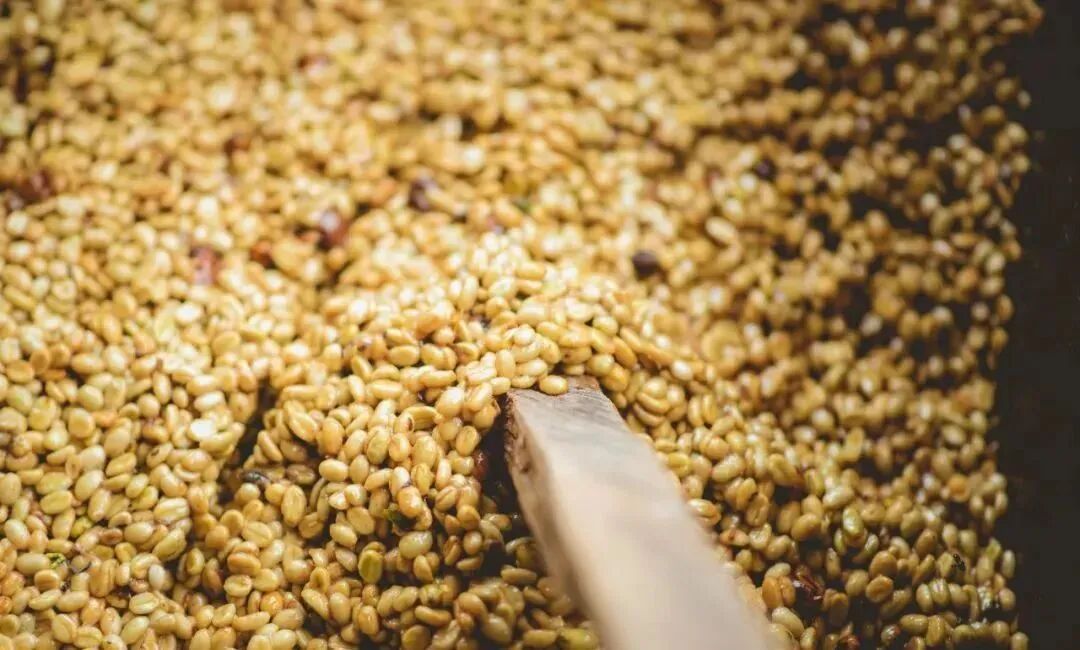
From the outside in, a coffee cherry consists of the skin, pulp, pectin, parchment, and coffee beans, and the coffee we drink every day is precisely the innermost seed. Conventional "washing" has a relatively simple sequence of steps: remove defects → machine depulp → ferment in water tank → rinse and wash → dry in the sun → hull → package. As for other washed processes, they are adjustments made on top of the traditional operation; for example, Kenya's double washing uses repeated soaking and washing to further remove residual pectin.
As a traditional method of processing green beans, the washed method was created to improve coffee quality, make each green bean batch stable and efficient to produce, and thereby achieve profitability. So even today, washing remains one of the most common and most popular processing methods in producing regions, and we can find traces of it in the information panels of many coffee beans, such as Front Street Coffee's Gedeb, Front Street Coffee's Little Tomato, Front Street Coffee's Emerald Green Label, Front Street Coffee's Kilimanjaro... all owe something to the washed method.
What are the characteristics of washed coffee?
Because during washing the green beans are kept bare and soaked in water to ferment, and afterward the pectin components are thoroughly removed by rinsing, compared with natural processing it can better highlight the characteristics of the coffee seed itself and has almost no fermentation feel, so its cleanliness is higher.
In order to more clearly present the regional (or varietal) character of the coffee, roasters will use an appropriate roast level for different washed beans, such as the bright citrus acidity of washed Gedeb, the tomato juice sensation of washed Kenya, the white floral aroma and clean, serene character of washed Panama Geisha... these are all things people are fascinated by in washed coffee. At the same time, many beginners fall into a misconception, thinking that "washed coffee must be more acidic than natural coffee."
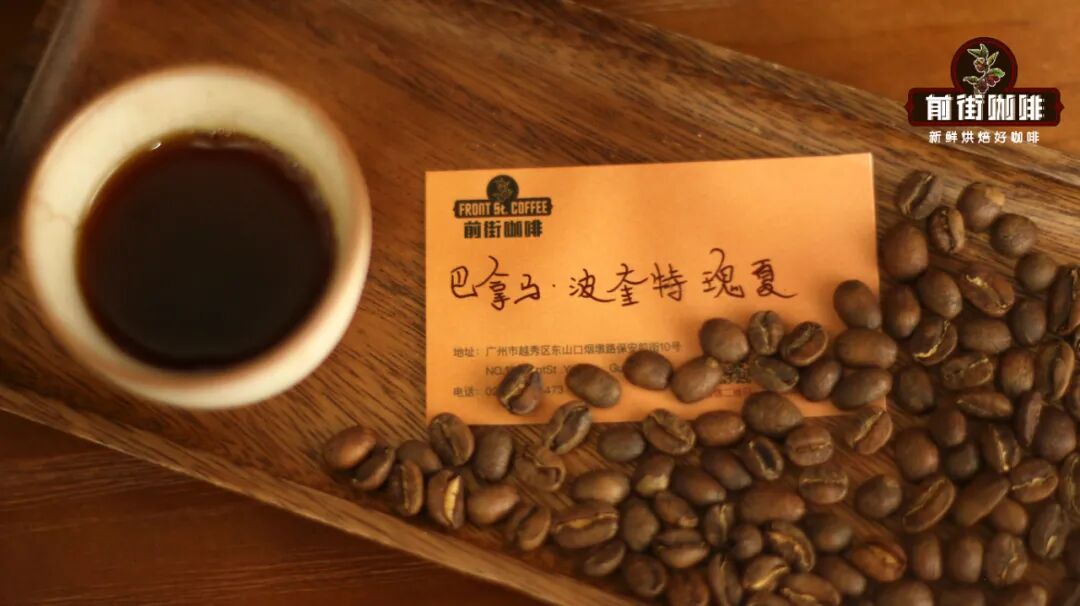
Front Street needs to correct one point: the acidity in the above coffees is mainly determined by the roast level and has little to do with the processing method. Here is an example: Front Street roasts the full-bodied Golden Mandheling to first crack and drops it, and it can still show high-intensity acidity. As for whether it tastes good, that is open to individual opinion.
The reason we feel that "washed beans are more acidic" is also because natural coffee is dried together with the skin and pulp, making it easy to release complex fermentation-type fruity aromas into the seed, letting us perceive mellow notes such as tropical fruit, slight wine aroma, candied fruit, and brown sugar. Front Street once compared washed Panama Geisha and natural Colombia Geisha using the same set of extraction parameters and found that indeed the natural Geisha smelled sweeter and more fragrant than the washed one, but on the palate the natural one's acidity was far higher than the washed one.
What brewing plan suits washed coffee beans?
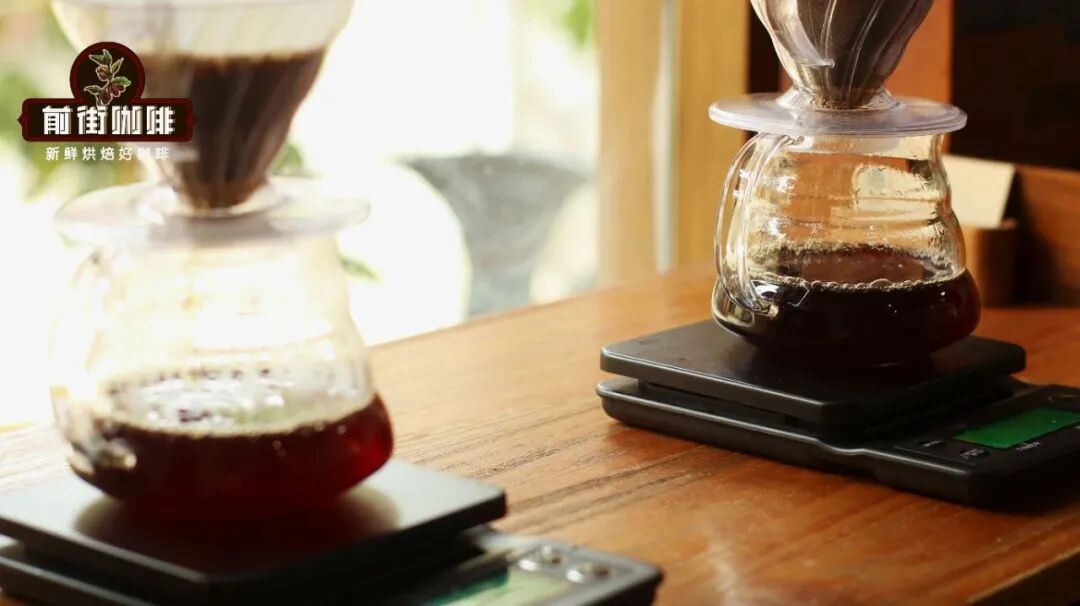
Front Street also said in the previous section that the reason many washed beans are so deeply loved is mainly their uniquely clean and serene flavor, as well as the bright floral and fruity notes shown under medium-light roasting. Therefore, if you want the coffee to taste clearly layered, the brewing strength should not be too high; Front Street chooses 1:16 for extraction.
In addition, under the same parameters, the lighter the roast, the lower the solubility of the coffee grounds in water. At this point, if you want to increase the coffee's extraction yield, besides the fine grinding and high water temperature that Front Street often mentions, you can actually also further manage it by adding more pours and increasing the circular water flow.
Although they are all washed processes, Front Street believes that coffees with fruity acidity can be roughly divided into two types: one is theclassic representative ofthick acidity like dark berriesseen in Kenya and Rwanda, and the other is the fresh charm of white flowers and citrus, which appears mostly in washed coffee beans from Ethiopia, Panama, Peru, and Colombia.
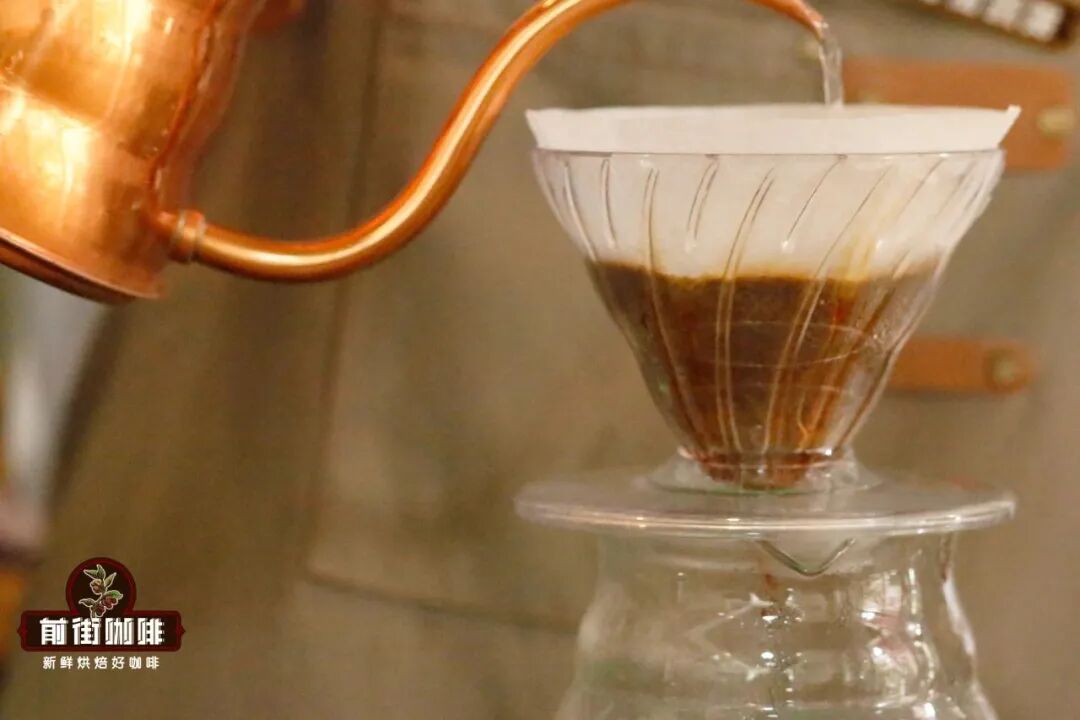
Here, Front Street's Little Tomato is chosen, a double-washed coffee from Kenya. In order to highlight its full, juicy mouthfeel and rich layering, Front Street pairs it witha V60 for extraction. The spiral raised rib design makes the water flow create a fuller "squeeze" on the coffee bed, satisfying the coffee particles' water absorption and expansion to the greatest extent.
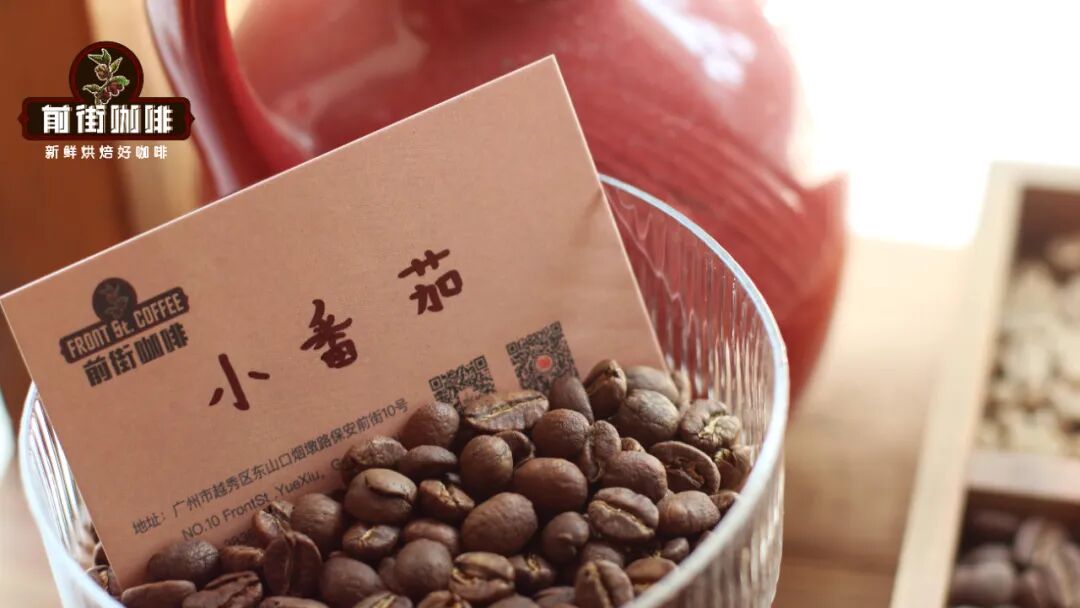
Coffee bean: Front Street Kenya · Little Tomato
Dose: 15 grams
Coffee-to-water ratio: 1:16
Total water amount: 240g (40g+70g+70g+60g)
Grind size: EK43 setting 10 (80% passing through a No. 20 sieve / C40 grinder 25 clicks)
Water temperature: 93°C
Dripper: Hario V60#01
Pouring technique: four-pour method
First pour 15g of coffee grounds into the V60 and gently tap level. For the first pour, use a small stream to pour 40g of water in a circular motion from the inside outward and bloom for 30 seconds. Be careful to wet all the coffee grounds so they can degas.
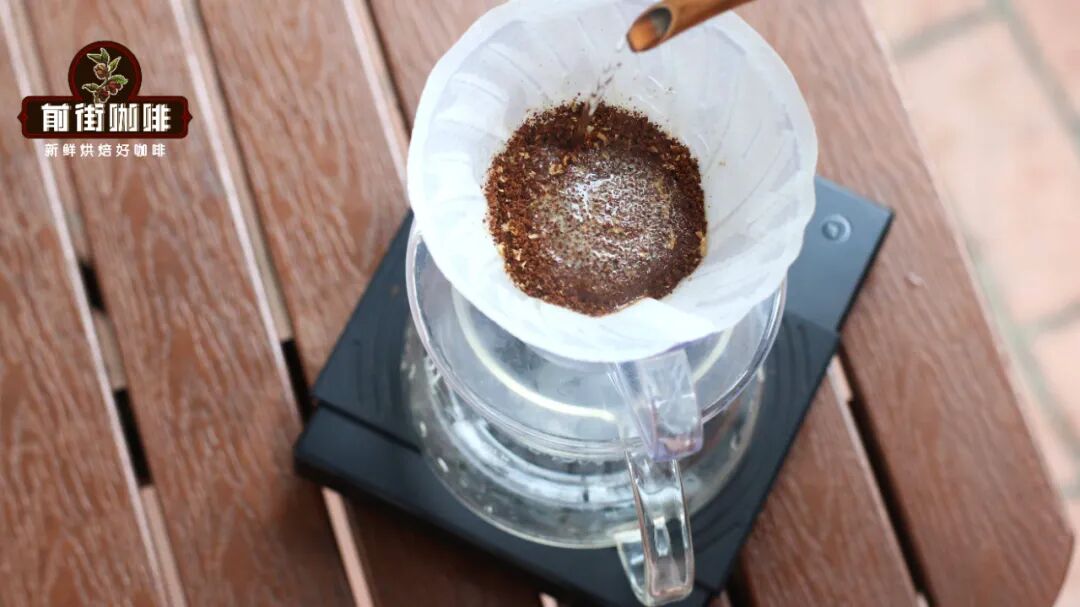
After 30 seconds, pour the second stage, pouring 70g of hot water vertically in a circular motion. You can raise the stream a little so the coffee bed quickly rises to half the height of the dripper, which allows the flavors to unfold better;
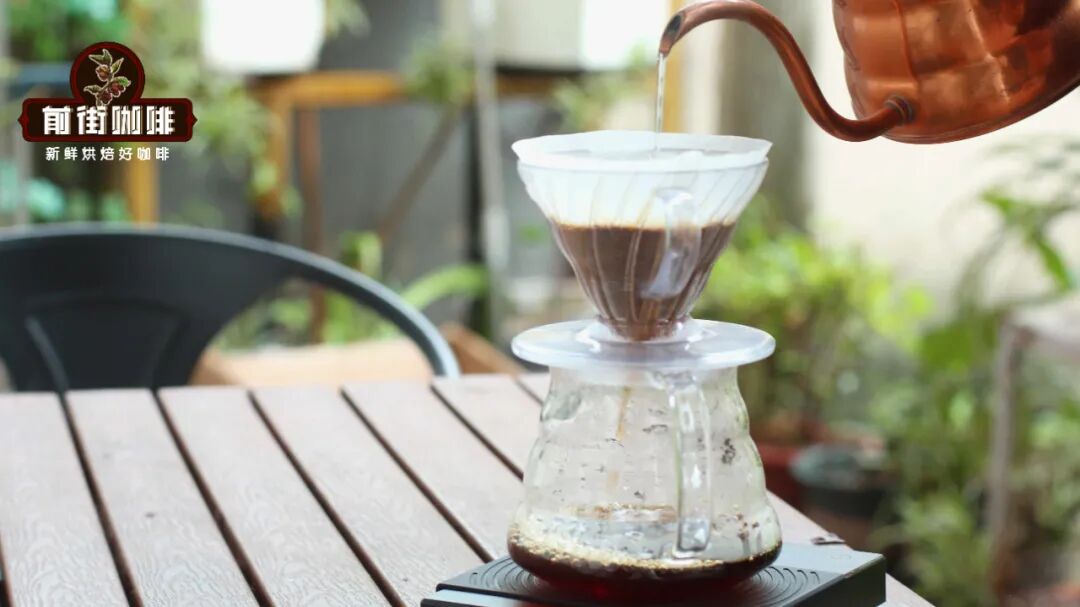
When the coffee liquid falls to the point where the coffee bed is almost exposed, at 1 minute 09 seconds, begin pouring the third stage. The technique and water amount stay consistent with the previous stage. After pouring 70g of hot water, the liquid level will just be even with the previous stage. Compared with the bloom, these two hot water pours are mainly responsible for releasing the fruity acidity and caramelized aroma of the washed beans, so be careful not to pour water onto the filter paper, as that can easily cause underextraction.
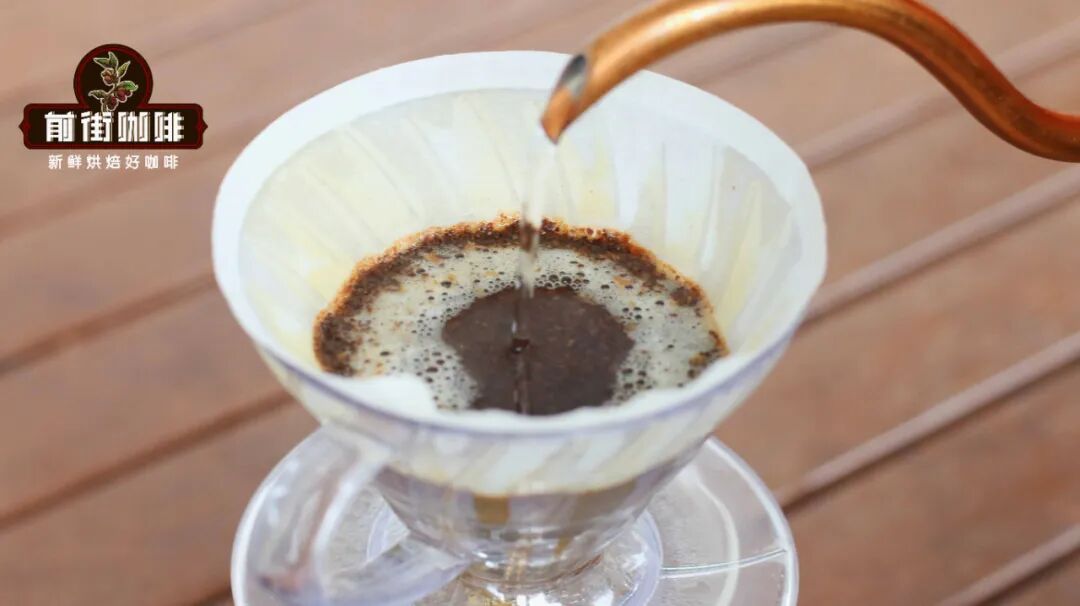
When the liquid level drops to the halfway point, at about 1 minute 41 seconds, begin pouring the final 60g. It is mainly responsible for extracting the sweet aftertaste and full body of the washed coffee, so there is no need for too strong a stream; just keep washing over the center point.
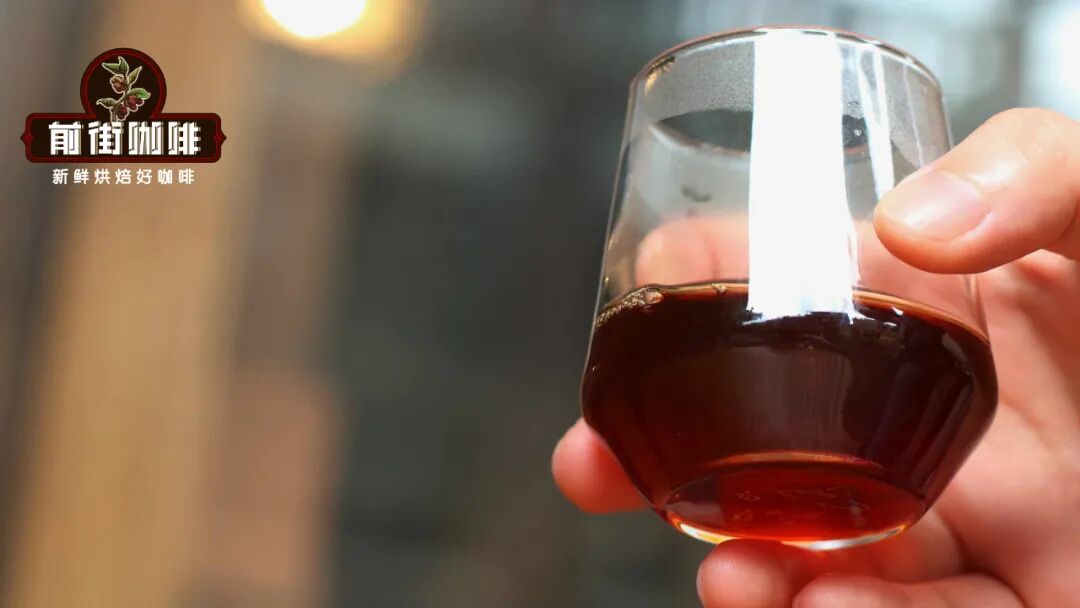
Brewed this way, Little Tomato really lives up to its name, with a dense tomato aroma. On the palate there is the rich berry acidity of blueberries and black grapes, plus a hint of caramel. As the temperature drops, soft light floral notes and snow pear flavors begin to become obvious, the juice sensation is solid, and both the layering and the lingering character are very rich.
The above content is compiled by CoffeeHunters, a coffee news website.


