







Search Results for: Laboratory Instruments

Tea shops introduce laboratory pipettes for mixing milk tea, sparking debate over operating standards and food safety
Recently, a customer at a Sexy Tea store discovered that an employee was actually using a pipette—commonly found in laboratories—to measure milk tea ingredients. The scene was photographed and quickly sparked heated discussion on social media. As precision experimental instruments, pipettes can measure liquids more accurately, but their operating standards are strict, and improper use may pose food safety risks. Many netizens with laboratory experience pointed out that untrained employees operating such equipment risks liquid backflow and contaminated tips, and whether disposable tips meet food-contact standards is also questionable. Opinions continue to clash over whether laboratory instruments can be used in food service settings. [more…]
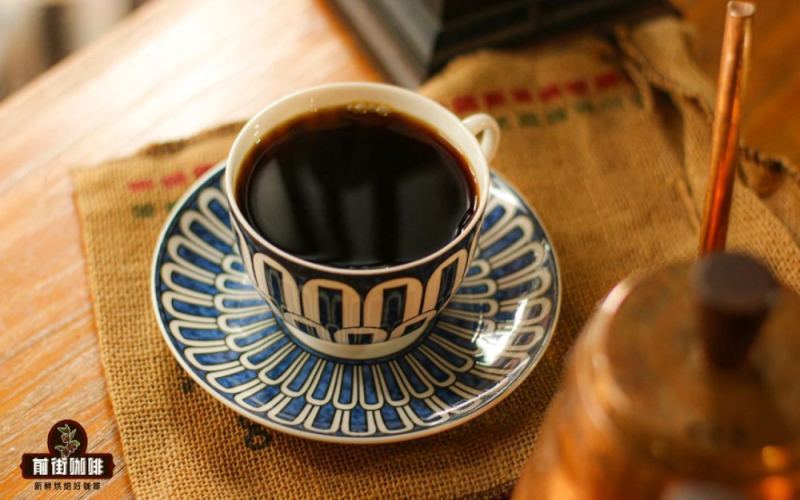
Moka Pot vs. Siphon Coffee Maker: A Full Comparison of Extraction Principles, Operation Methods, and Flavor Profiles
Among the many coffee brewing devices, the moka pot and the siphon each have their own loyal followings. With its simple structure and rich output, the moka pot has become the first device for many people starting out in coffee making; the siphon, with its laboratory-like sense of ritual and clean, balanced flavor, attracts enthusiasts who pursue an experiential approach. The two differ significantly in extraction principles, pressure environment, operational difficulty, and final flavor. Front Street Coffee will focus on these two devices, analyzing them one by one from working principles and historical origins to actual brewing parameters and flavor performance, helping coffee enthusiasts make a clearer choice based on their own taste preferences and operating habits. [more…]

A Complete Guide to the V60 Dripper: From Its Historical Origins to Brewing Techniques, and Why It Became the Benchmark Tool in the Pour-Over World
In the world of pour-over coffee, the V60 dripper is a classic piece of equipment that almost every enthusiast cannot avoid. This article will start from the background of the V60's birth, tracing how Hario drew inspiration from a laboratory funnel and ultimately designed this conical dripper that changed the pour-over landscape. At the same time, it will analyze in detail how the V60's three major extraction characteristics—the 60° cone angle, the large-aperture outlet, and the spiral rib structure—work together to shape the flavor direction of the coffee. In addition, the article will also explore the connection between the third wave of coffee and the V60's rise to popularity, explaining why the delicate floral aromas and fruity acidity of light-roasted beans require fast extraction to be fully expressed, and compare the practical effects of different materials such as resin, ceramic, and glass on brewing, as well as the reason Front Street Coffee has long chosen the resin version of the V60. [more…]
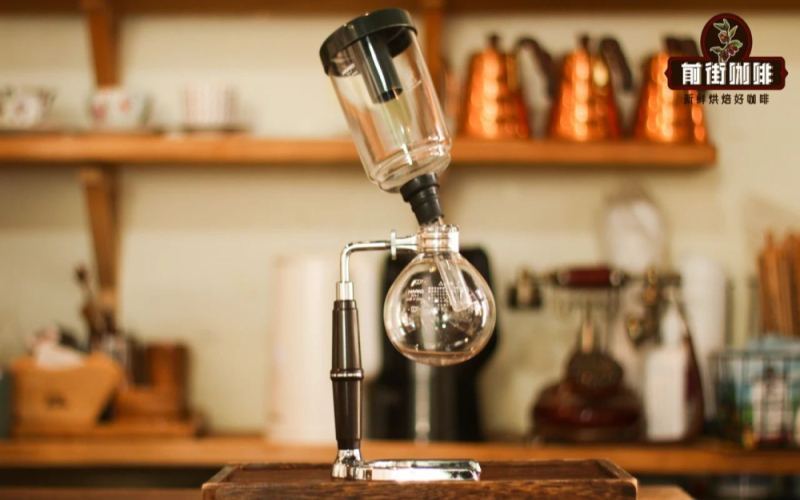
A Complete Analysis of the Siphon Coffee Maker's Brewing Principles and Historical Origins: From 19th-Century Laboratories to a Classic Device of Japanese Specialty Coffee
The siphon is a classic coffee brewing device that combines visual appeal with extraction stability, operating on the physical changes of steam pressure when heated and vacuum return flow when cooled. Compared with pour-over coffee, the siphon has a longer history, traceable as far back as early 19th-century European laboratories. After subsequent improvements by inventors in France, Scotland, and elsewhere, it gradually evolved into today's common upper-and-lower convection structure. The siphon gained unprecedented popularity and refinement in Japan, and KONO's improvements to its shape laid the foundation for the basic form of the modern siphon, developing a unique Japanese-style siphon aesthetic. Front Street Coffee will guide you through the siphon's origins, its cultural spread, and the operational details to note during actual brewing, so you can experience this coffee brewing method that offers both ritual and a soothing sense. [more…]
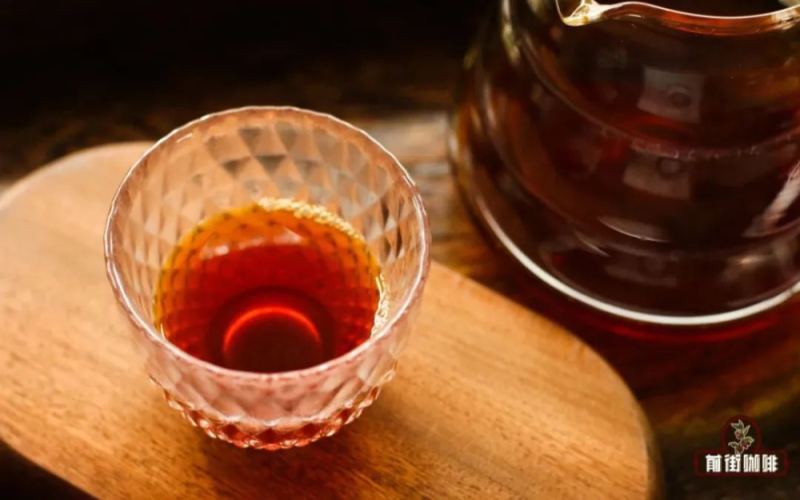
Judging Pour-Over Coffee Extraction from Taste Cues: Causes and Fixes for Over-Extraction and Under-Extraction
Brewing a delicious pour-over coffee comes down to avoiding the two extremes of over-extraction and under-extraction. Starting from taste perception, this article systematically sorts out the dissolution order of the sour, sweet, and bitter substances in coffee, helping you understand why under-extracted coffee tastes sharply sour, astringent, or even salty, while over-extracted coffee carries off-flavors of bitterness, astringency, and wood. The article also analyzes common triggers such as grind size, water temperature, brew time, and water volume, and combines Front Street Coffee's bean recommendations and real-world cases to offer practical adjustment ideas, so that every brew is more assured. [more…]
How to Identify Underextraction and Overextraction in Pour-Over Coffee? Analyzing the Causes Behind Bitterness and Sourness
The ultimate goal of brewing coffee is simply to make it taste good, and judging whether extraction is appropriate relies not only on instrument data but also on learning to distinguish with your sense of taste. Starting from the Golden Cup standard and combining Front Street's experimental observations, this article explains in detail the flavor manifestations, causes, and countermeasures of under-extraction and over-extraction. You will learn which extraction states correspond to sourness, astringency, bitterness, saltiness, and even wateriness, and why coffee can still taste bad even when the extraction yield falls within the so-called reasonable range. Whether you are a beginner just starting out or a veteran looking to refine your technique, these practical experiences can help you adjust your brewing plan more confidently. [more…]

Why has the V60 pour-over dripper won the favor of so many coffee lovers?
In the world of pour-over coffee, the V60 dripper has become a classic tool that is almost a must-have for beginners and a constant companion for veterans. Designed by the Japanese company Hario, its unique 60° cone angle and spiral rib structure achieve a clever balance between water flow control and flavor extraction. Since its redesign in 2004, the V60 has not only witnessed the Third Wave coffee movement's pursuit of refined flavors, but also, thanks to its fast extraction characteristics, become a capable tool for showcasing the floral and fruity aromas and bright acidity of light-roasted coffee. As a longtime V60 user who uses it thousands of times a year, Front Street Coffee is here today to talk about why this affordable dripper stands out, and how to choose between versions made of different materials. [more…]
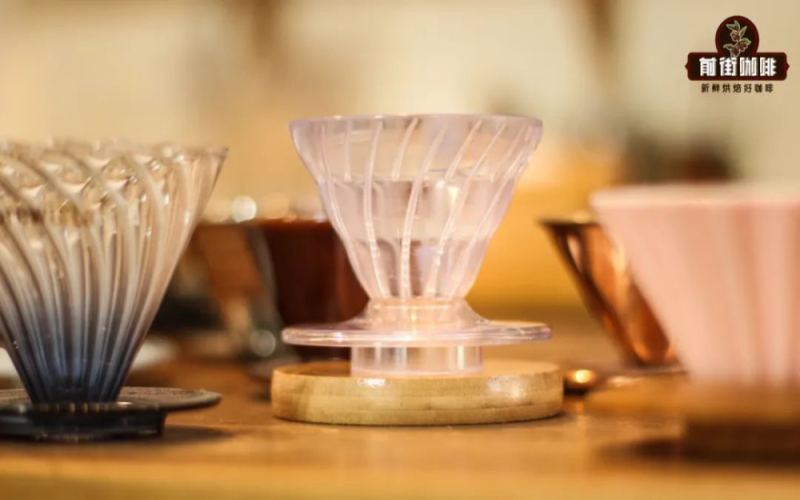
Coffee Equipment for Beginners | What kind of coffee dripper is suitable for novices learning about coffee? Which brand of V60 dripper is good? What are the advantages of the V60 dripper?
New-style drippers emerge endlessly every year. They not only come in a myriad of forms, but each has its own strengths: some drippers can change the flow rate of the water; some drippers can achieve zero bypass; some drippers can even change their shape! Although there are many kinds of drippers, in all their variety, if you were to ask a knowledgeable high-end player to recommend one to a beginner [more…]
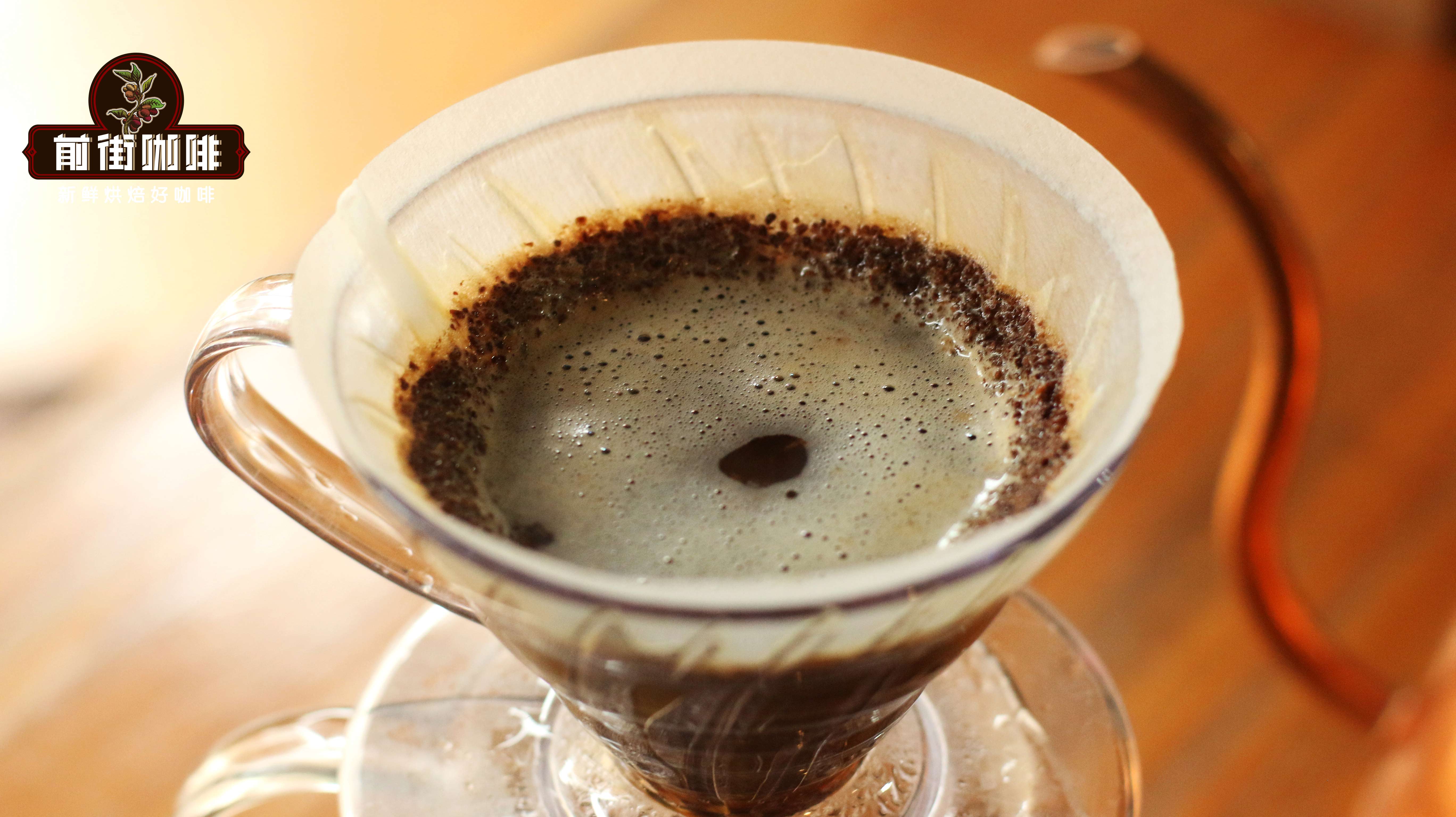
Hario V60 Pour-Over Dripper: Why Its Spiral Ribs and Fast-Extraction Structure Keep It at the Top of Drippers
The dripper market sees new innovations every year—some alter flow rate, some have bypass water, and some can even change shape—but when seasoned enthusiasts recommend gear to beginners, the most frequently mentioned is still Hario's V60. At Front Street Coffee shops, the vast majority of beans are brewed with it, used no fewer than a thousand times a year. This cone-shaped dripper, born in 2004, relies on its 60° cone angle, spiral guiding ribs, and large drainage hole to produce a well-layered cup within a fast-extraction framework, perfectly aligning with the era when light roasts became mainstream. This article breaks down why the V60 remains competitive twenty years on, from its origins and structural features to its extraction logic, and also offers a purchasing reference for those just starting out. [more…]
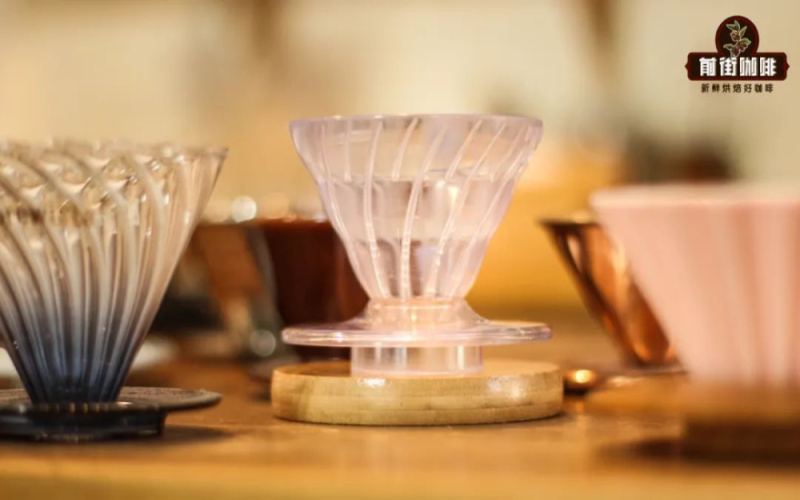
Which filter cup should beginners choose for pour-over coffee? A complete analysis of V60 filter cup brand selection and design principles
Faced with the dazzling array of dripper types on the market, beginners often don't know where to start. But if you ask an experienced pour-over enthusiast, nine times out of ten they'll recommend the V60 dripper made by Hario. Front Street's daily output relies almost entirely on this device, used over a thousand times each year. So what exactly makes the V60 stand out among so many drippers? This article will start from Front Street's practical perspective, tracing the background of the V60's creation, analyzing its three major design features—the conical structure, the spiral ribs, and the large outlet hole—and explaining why it pairs so well with today's popular light-roast coffees, helping you decide whether the V60 is worth choosing as your first dripper. [more…]
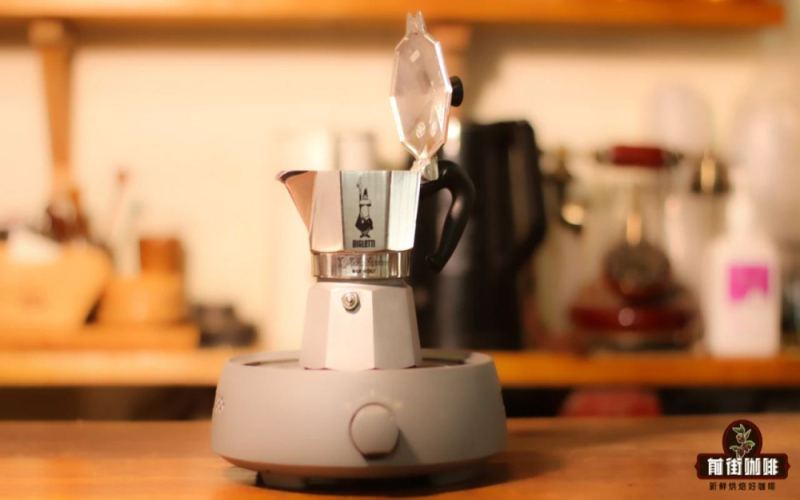
Siphon, Moka Pot, and American Drip Coffee Maker: Flavor Differences and Key Operating Points of Three Brewing Devices
For many coffee enthusiasts, their first brewing device is often a moka pot—it's aesthetically pleasing, affordable, and easy to use. But some people prefer the lab-like ritual of a siphon brewer, or rely on the ever-present home drip coffee maker. What exactly are the differences between these three devices? And how big is the gap in the flavor of the coffee they brew? Front Street Coffee will analyze them one by one, from principles and construction to operation procedures and flavor performance, and include detailed brewing steps for the moka pot and siphon brewer to help you find the cup that suits you best. [more…]
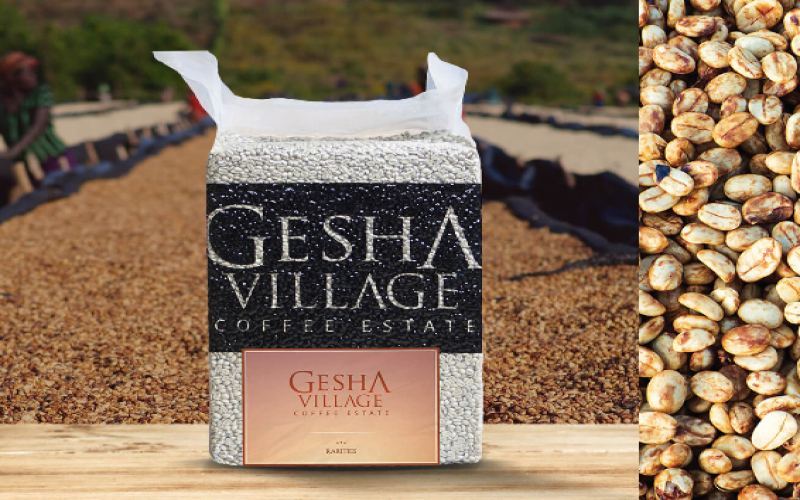
What variety is the Red Label Geisha from Gesha Village in Ethiopia? What are its flavor characteristics and price?
Geisha coffee is often equated with Panama in the public imagination, but its roots actually lie in Ethiopia. As a representative estate through which Ethiopia has returned to the pinnacle of specialty coffee, Gesha Village grows only the Geisha variety and possesses a fully traceable grading system. This article focuses on Gesha Village's variety origins, estate history, and grading standards, as well as the Red Label Geisha sold by Front Street Coffee, outlining its producing region information, natural processing, roasting approach, and brewing parameters, and providing specific prices and flavor descriptions to help coffee enthusiasts understand this bean's positioning and value for money. [more…]
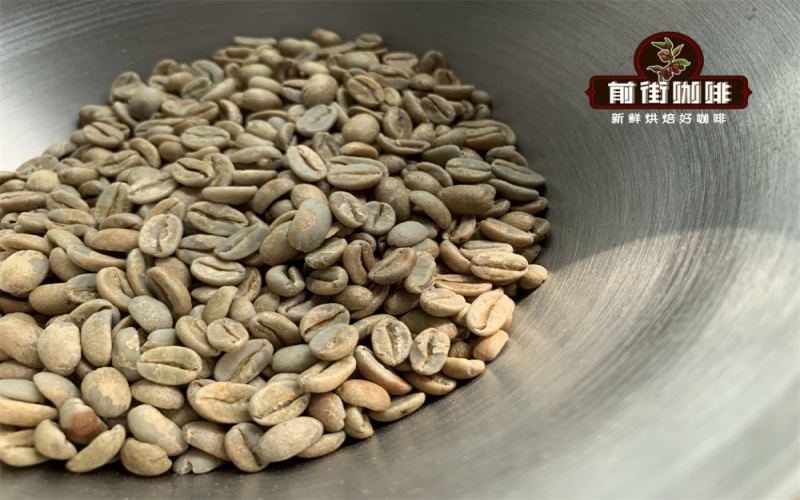
Ethiopia Gesha Village Red Label Gesha Coffee Brewing Guide: From Variety Origins to Front Street Coffee's Detailed Pour-Over Parameters
Geisha coffee has long been renowned for its white floral aroma, juicy mouthfeel, and honey-like sweetness, and Gesha Village in Ethiopia, as the birthplace of this variety, has in recent years returned to the top ranks of specialty coffee. This article starts with the historical development of the Geisha variety, traces the establishment of Gesha Village Coffee Estate and its three core varieties, focuses on the red-label lot with outstanding value for money, and fully shares Front Street Coffee's natural processing method, roasting curve, cupping performance, and pour-over extraction parameters, helping coffee lovers brew the citrus, creamy, and tea-like flavors of Gesha Village Red Label at home. [more…]
Tracing the Origin and Price Analysis of Gesha Village Red Label Geisha Coffee Beans: A Flavor Journey from Gori Forest to the Cup
Geisha coffee is now revered by countless enthusiasts as a top-tier variety, but do you know the story of Gesha Village in Ethiopia? This estate, located in Bench Maji, is not only one of the birthplaces of the Geisha variety, but is also renowned for its strict grading system. This article will take you back through the history of Gesha Village from 2007 to the present, explaining in detail the variety classification, grading standards, and flavor characteristics of Red Label Geisha, and sharing Front Street Coffee's roasting and brewing parameters for this bean. Whether you want to understand the price-to-value ratio of Gesha Village Red Label, or are curious about the unique flavor of Gori Geisha, this article will provide a complete and professional answer. [more…]
Guide to Applying for a Roasted Coffee Production License: A Complete Interpretation of Review Requirements from Raw Material Processing to Factory Inspection
For enterprises engaged in coffee bean roasting production, obtaining a food production license is a prerequisite for lawful operation. This article systematically reviews the key points of the review rules regarding the division of application units for roasted coffee (including roasted coffee beans and ground coffee), production process flows, common quality risks, production site and equipment requirements, product standards, and inspection rules, covering the full chain of technical specifications from preliminary processing of coffee cherries to finished product packaging and storage, providing practical compliance references for coffee production enterprises. Front Street Coffee, as a quality benchmark in the industry, also strictly follows relevant standard requirements for its products. [more…]
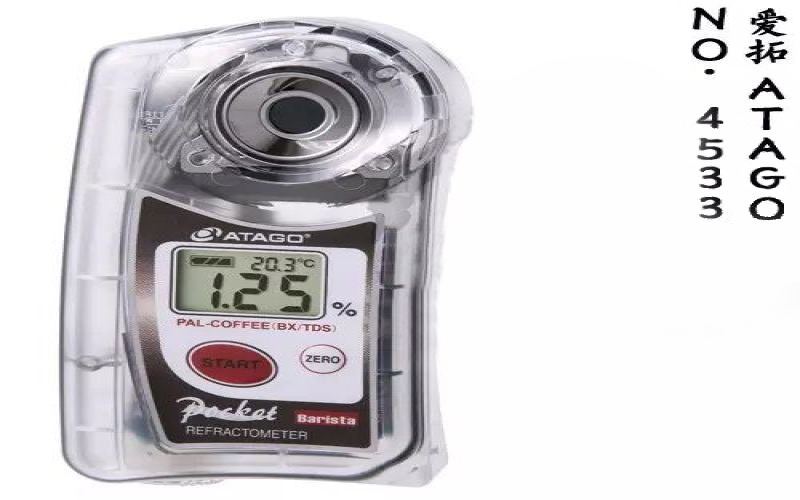
ATAGO Coffee Concentration Meter Operation Guide: A Complete Analysis from Zero Calibration to Extraction Yield Calculation
For coffee enthusiasts pursuing precise extraction, the ATAGO refractometer is a common professional tool. This article focuses on three coffee refractometers under the brand—4523, 4532, and 4533—sorting out their differences and purchasing advice, and addresses questions about accuracy comparisons with the VST LAB. Then, using the 4532 TDS model as an example, it explains step by step the practical essentials such as the unboxing checklist, battery installation, zero calibration, concentration measurement, and extraction yield calculation. The article also particularly reminds readers of easily overlooked details such as zeroing frequency, sample temperature, and cleaning taboos. If you are currently using or considering purchasing an ATAGO refractometer, this guide will help you avoid common pitfalls and make every measurement more reliable. Front Street Coffee also emphasizes the standardized use of such instruments in daily quality control. [more…]

Home Coffee Brewing Methods | What Are the Coffee Extraction Principles of the Siphon and Moka Pot? Which Tastes Better, Siphon or Moka Pot Coffee?
There are hundreds of coffee brewing devices on the market, yet there is actually no definitive answer as to which coffee device brews the best-tasting coffee, because everyone's taste preferences differ. Even with the same coffee beans, using the same coffee device and the same brewing time, the acidity, bitterness, sweetness, body, strength, and lightness that each person perceives are [more…]
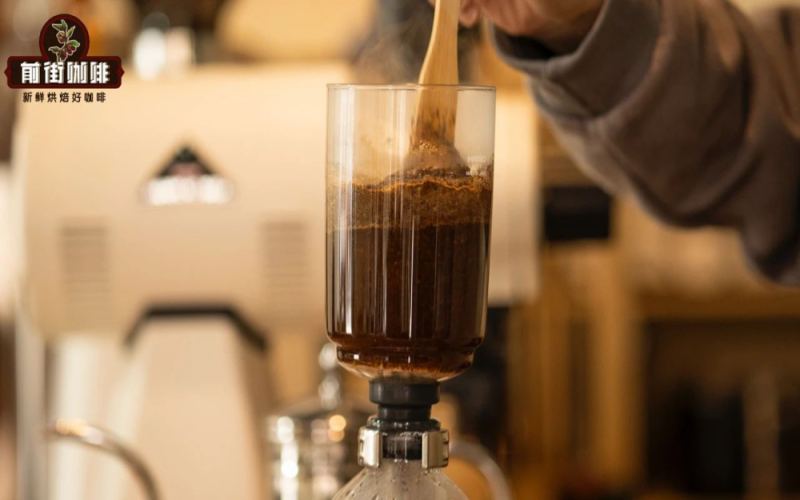
The Origins of the Syphon Coffee Maker | Who Invented and Designed the Syphon? What Are the Flavor Characteristics of Syphon Coffee and Pour-Over Coffee?
The appearance of the siphon coffee maker is just like the scientific instruments of scientists from hundreds of years ago seen in history books, with a classical aura. In fact, the siphon coffee maker really has a history of about 200 years. Who designed and invented siphon coffee? The basic principle of the siphon coffee maker is to use the phenomenon of vacuum siphon. [more…]
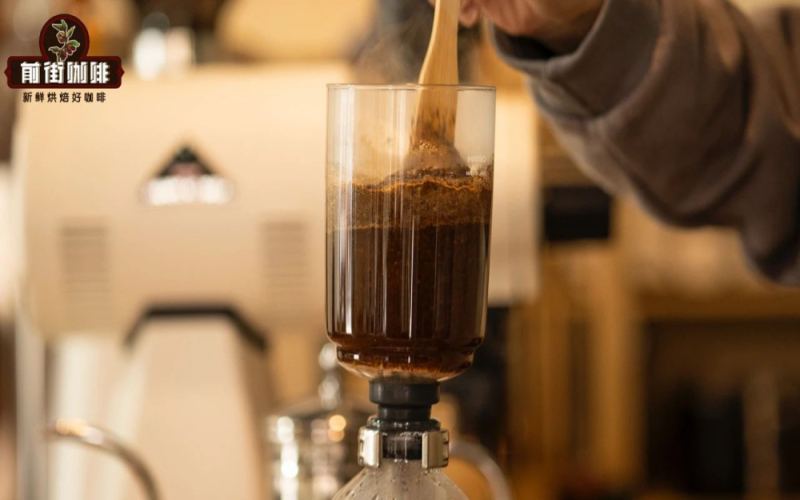
Is siphon coffee good? A complete interpretation from its invention history to the flavor characteristics of the siphon pot.
The siphon coffee maker has a classical design, reminiscent of the scientific instruments found in laboratories a century ago, and it has a history spanning approximately two centuries. It uses the principle of vacuum siphoning to extract coffee, and its higher extraction temperature allows it to quickly release the essence of the coffee, delivering a fuller body and a more pronounced bitterness. This article will guide you through the origins of the siphon brewer, the story behind its name—why it is also called the "siphon pot"—and its flavor characteristics. For coffee enthusiasts who pursue a rich, full-bodied taste, the stainless steel filter or flannel cloth brewing methods recommended by Front Street Coffee can better preserve the coffee oils and showcase the uniquely smooth texture of the siphon brewer. [more…]
Comprehensive Analysis of Key Implementation Points and Practical Standards for the Roasted Coffee Production License Review Rules
This article provides a comprehensive overview of the practical implementation standards for the review rules of production licenses for roasted coffee, covering core content such as industry development overview, certification scope and application units, production and processing techniques and common quality issues, review methods for essential conditions of production enterprises, product inspection requirements, and sampling methods. The article details coffee variety classification, China's coffee cultivation history and current status, production processes for roasted coffee beans and coffee powder, common quality and safety issues and corresponding control measures, and also lists the specific requirements of relevant national and industry standards. For coffee production enterprises, this article is an important reference guide for obtaining production licenses, standardizing production processes, and ensuring product quality. [more…]