







Why does pour-over coffee taste sour or bitter?
Bitterness usually points to over-extraction, while sourness points to under-extraction. The common reference is the Golden Cup standard: an extraction yield between 18% and 22% is considered reasonable, below 18% is under-extraction, and above 22% is over-extraction. In the cup, under-extraction often shows up as sourness, saltiness, or a thin, watery body, and over-extraction as bitterness and dryness.
Judging extraction works backward from flavor rather than from lab measurements, since few people measure concentration for every cup. Coffee can still taste bad even inside the so-called reasonable range. Adjust grind size, water temperature, and brew time to move the cup toward balance, and start with a single-origin bean whose profile matches the flavors you actually enjoy.
The ultimate goal of brewing coffee is simply to make it taste good, and judging whether extraction is appropriate relies not only on instrument data but also on learning to discern with your sense of taste. Starting from the Golden Cup standard and combining Front Street's experimental observations, this article explains in detail the flavor manifestations, causes, and countermeasures of under-extraction and over-extraction. You will learn which extraction state corresponds to sourness, bitterness, saltiness, and even wateriness, and why coffee can still taste bad even when the extraction yield falls within the so-called reasonable range. Whether you are a beginner just starting out or a veteran looking to refine your technique, these practical experiences can help you adjust your brewing plan more confidently.
When it comes to brewing coffee, everyone's pursuit ultimately leads to the same goal—making it taste good. Although everyone's understanding of "tasty" varies, as long as you roughly avoid both over-extraction and obvious under-extraction, the cup is basically sound. For this reason, friends who want to improve their brewing skills should especially learn to judge extraction states based on real cases.
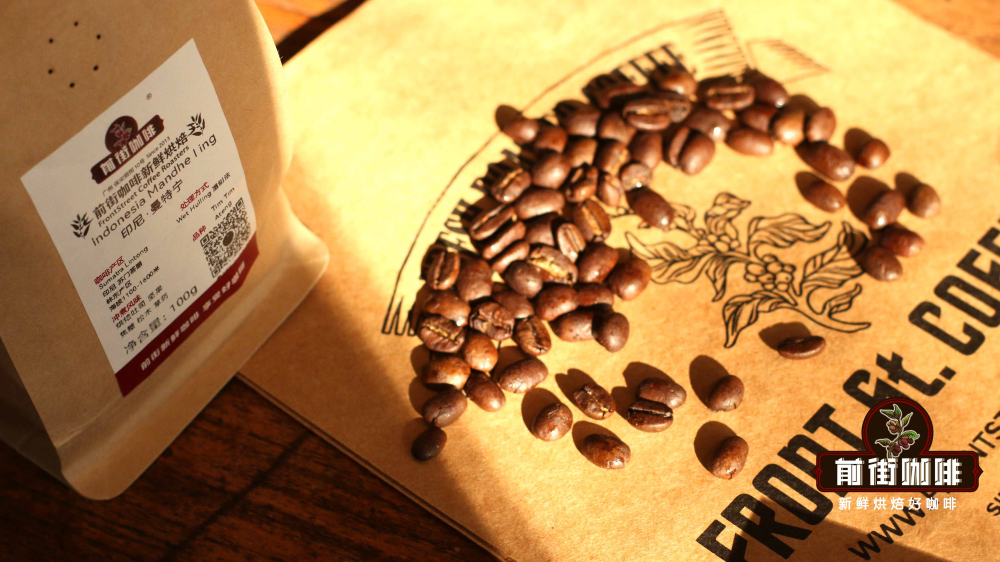
Since judging extraction conditions relies on working backward from flavor, the first step into the world of specialty coffee is to pick a single-origin bean that suits your taste. If you prefer a fresh floral and fruity profile, you can try Front Street. Washed Butterfly; if you like delicate sweet aromas with tropical fruit flavors, Front Street. Strawberry Candy would be a good choice; if you pursue a rich and full-bodied mouthfeel, Front Street. Indonesia Mandheling can let you experience that wild spicy aroma.
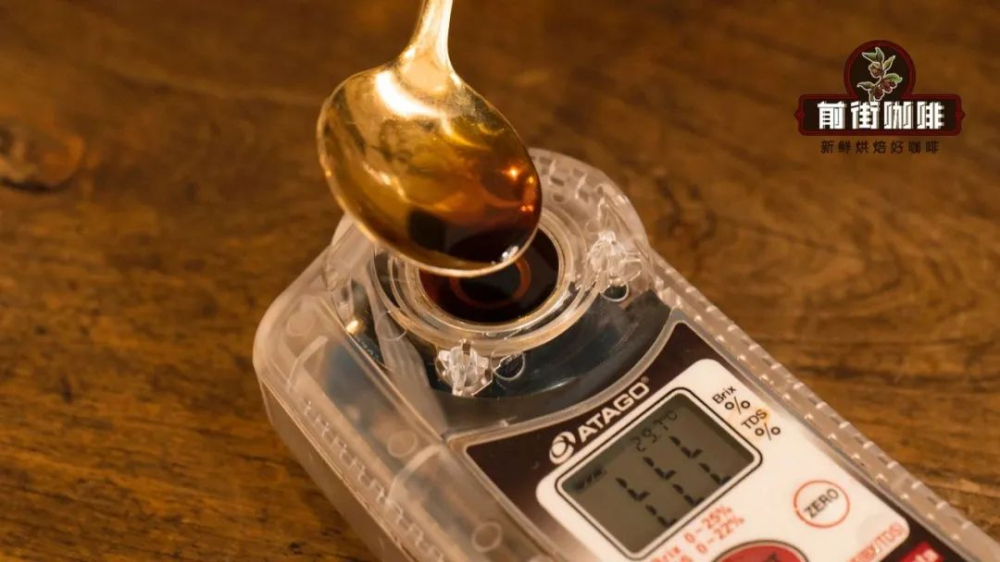
Most people who have systematically studied coffee theory know that mainstream research once gave a reference range: an extraction yield between 18% and 22% is considered reasonable, below 18% is under-extraction, and above 22% is over-extraction. This is what is often called the Golden Cup standard.
But brewing coffee is, after all, an extremely everyday affair. Not to mention ordinary enthusiasts, even experienced baristas do not constantly pull out laboratory instruments to measure concentration and then calculate the extraction yield of each cup one by one.
After many comparative experiments, Front Street noticed that coffee whose extraction yield falls exactly within the Golden Cup range can still produce unpleasant flavors, while some coffee with an extraction yield above 22% still tastes smooth. This is mainly related to the flavor substances contained in the beans themselves and their dissolution characteristics, and the details involved are quite numerous.
When brewing a pot of coffee, there are countless factors that can affect the extraction of substances—bean hardness, roast level, resting time, grind size, water temperature, coffee-to-water ratio, dripper structure, agitation method, and so on. Each one can subtly change the final flavor. In Front Street's view, brewing coffee should be an adaptive process, not something to get bogged down in. Rather than relying on instrument measurements every time and calculating a pile of data, it is better to learn to use taste indicators to judge whether the coffee you brewed is over-extracted according to the actual situation.
Generally speaking, the dissolution of flavor substances follows a certain order: light components related to acidity are extracted first, followed by sweet molecules, and finally the bitter substances with the largest molecular weight, so bitterness is released the slowest.
When most coffee particles are in an under-extracted state, it means the flavor substances carried out by the water are very limited. At this point, the acidity of the front section dominates, and the components responsible for sweetness and body have not yet been released before extraction ends. As a result, the coffee first tastes weak in aroma, and no clear flavors can be captured on the tongue. Fruity, acidic light roasts often also show abrupt astringency and sharp sourness, with a thin mouthfeel and almost no aftertaste; dark roasts, because they lack the most essential parts (body, caramel notes, sweet finish, etc.), taste noticeably watery and lack layering.
If you also taste saltiness in the coffee, that may be a sign of under-extraction. Normally, the probability of saltiness appearing in coffee is very low because it is masked by acidity, sweetness, and bitterness; but under-extracted coffee lacks the covering of sweet substances, so saltiness is exposed. However, compared with other tastes, the presence of saltiness in coffee is itself very weak, so it is often ignored by the taste buds.
There are many causes of under-extraction. Common ones include grinding too coarse, water temperature being too low, brewing time being too short, or insufficient water poured.
Front Street once encountered a customer who said she bought our Colombia. Sidra and brewed it according to the suggested method, but the coffee had no aftertaste. Upon further questioning, it turned out that she usually had a habit of cutting off the flow, removing the dripper every time before the coffee liquid had finished dripping. As a result, the coffee-to-water ratio was off to begin with, and because the tail end was missing, the coffee showed sharp acidity.
Another extraction state is the one people encounter more often when brewing at home—over-extraction, which means hot water has carried out too many substances from the coffee, mainly large-molecule components released in the latter stage. They mostly manifest as bitter, dry, messy, woody, straw-like, and other harsh characteristics, so they are also more easily noticed. If these flavors appear, it is most likely caused by too many fines leading to excessively long steeping time, or by water temperature being too high. For specific solutions, you can refer to Front Street's previous article "Coffee Tastes Too Bad? Helping You Solve All Kinds of Problems."
In addition, some friends have reported that although the coffee they brewed cannot be said to have any negative flavors, it just does not taste very good. None of the flavors stand out, the overall impression is dull, and when swallowing, a bitter note rises in the throat.
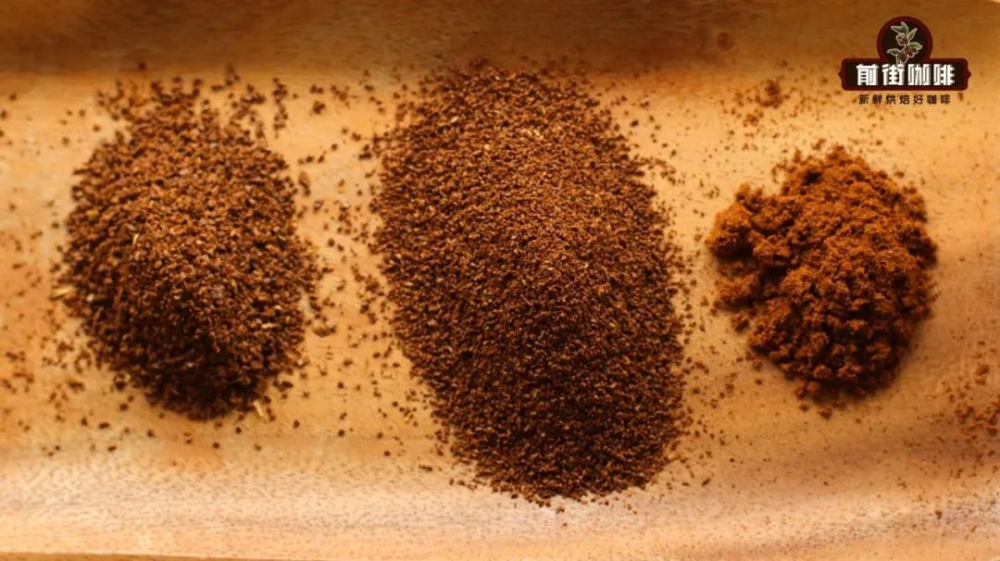
If you have also encountered this situation, it is most likely because the coffee was brewed too strong, or possibly because the extraction yield was unexpectedly high but had not yet reached the level of "over-extraction." At this point, you can add 10–20 ml of bypass water to the carafe and try to bring the overly high concentration back down through dilution.
The above content is compiled by CoffeeHunters, a coffee news website.


