







How Far Back Does the History of Siphon Coffee Go?
The siphon coffee maker works on the vacuum siphon principle, using a higher extraction temperature to pull a fuller body and more pronounced bitterness from the grounds. Documented records place the first glass vacuum pot in 1830s Berlin, credited to S. Leoff. The upright design close to the modern shape was patented in 1841 by Madame Vassieux in Lyon, France.
The device is roughly two centuries old, and its English name, Syphon, explains why it is also called the Syphon pot. One anecdote: Beethoven counted out 60 beans each morning for coffee made in a two-flask glass setup similar in structure to a siphon. He died in Vienna in 1827, so a prototype may predate the records.
The siphon coffee maker has a classic design, reminiscent of the scientific instruments used in laboratories a century ago, and it has a history of about two centuries. It uses the vacuum siphon principle to extract coffee, with a higher extraction temperature that quickly releases the essence of the coffee, bringing a fuller body and more pronounced bitterness. This article will guide you through the invention and origins of the siphon pot, the reason behind its name—why it is also called the Syphon—and its flavor characteristics. For coffee enthusiasts who pursue a rich and full-bodied taste, the stainless steel filter or flannel cloth brewing method recommended by Front Street Coffee can better preserve the coffee oils and showcase the unique roundness of the siphon pot.
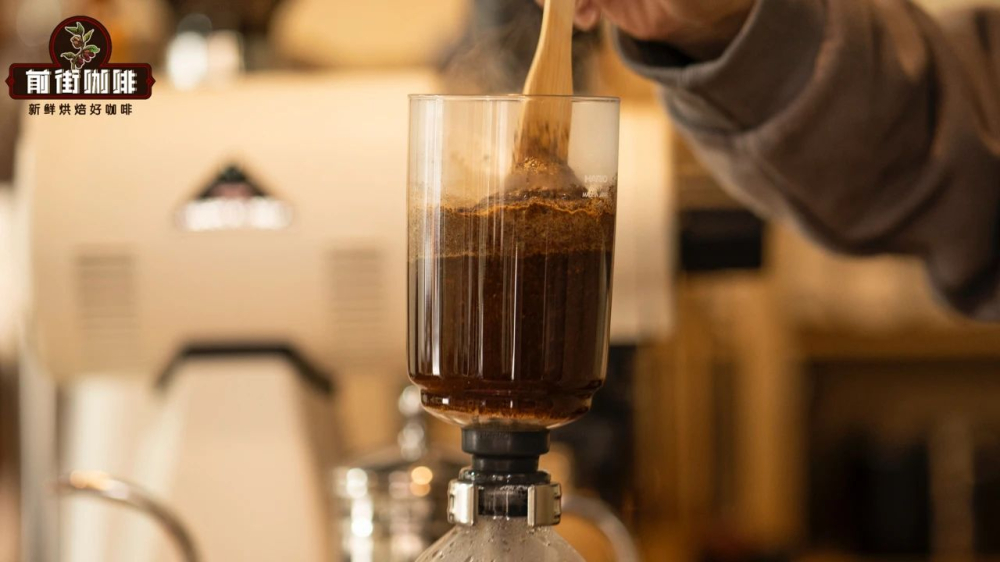
The appearance of the siphon coffee maker always brings to mind the experimental equipment used by scientists centuries ago in history textbooks, exuding a classical charm. In fact, this type of coffee maker has indeed been around for about two hundred years.
Who designed and invented siphon coffee?
The core principle of the siphon coffee maker relies on the vacuum siphon effect. According to documented records, the glass vacuum pot was first invented in the 1830s by S. Leoff in Berlin, Germany. This glass pot quickly spread throughout Europe and spawned various improved versions. The siphon coffee maker with a shape close to the modern upright design was designed and patented in 1841 by Madame Vassieux in Lyon, France.
There is also a rather interesting historical anecdote: the great composer Beethoven would personally count out 60 coffee beans every morning to make coffee for himself, and the coffee maker he used was similar in structure to the siphon type, with a glass flask on both top and bottom. However, Beethoven passed away in 1827 in Vienna, Austria, which means that the prototype of the siphon coffee maker may have existed even before documented records.
In addition, the English name for the siphon coffee maker is Syphon, and due to phonetic association, it is also called the Syphon pot. So when you see the term "Syphon pot" in the future, you should know it refers to the siphon coffee maker.
Why is it called syphon?
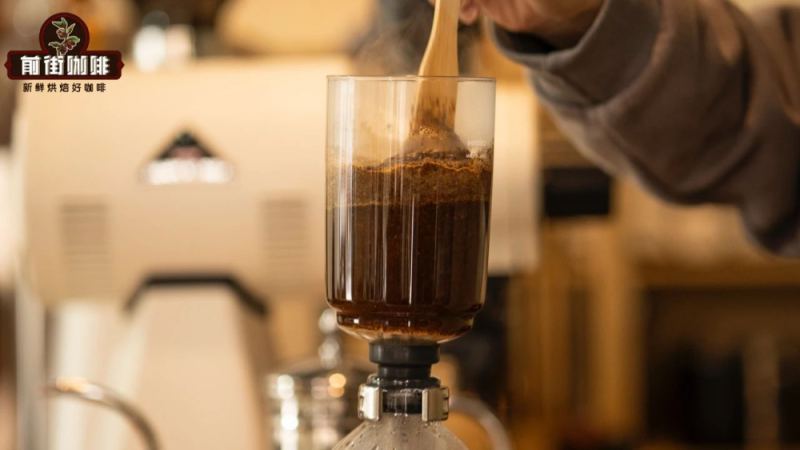
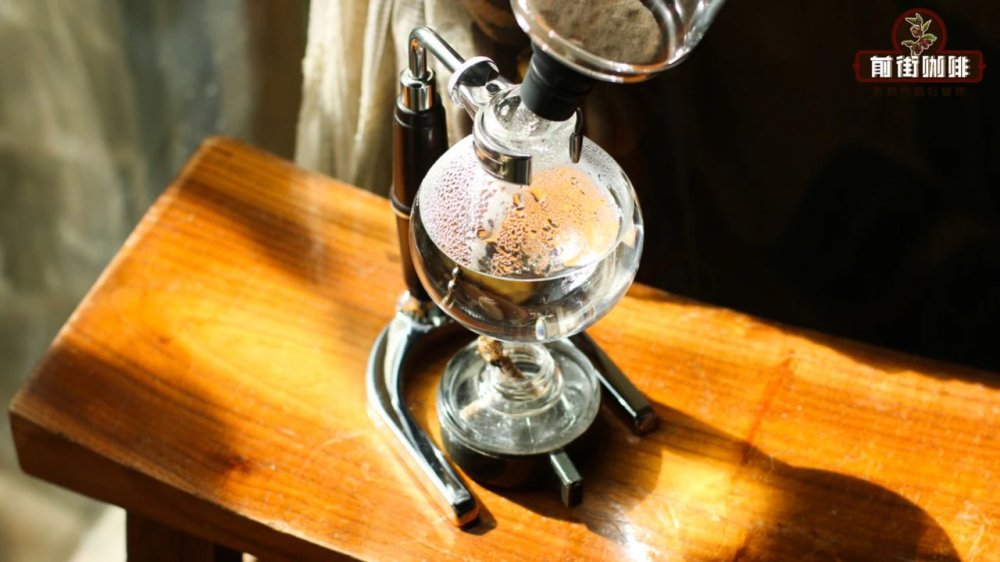
The siphon pot, also known as syphon, originated in Germany and is a method that uses the pressure generated when water boils to assist in coffee extraction. The pot is divided into two parts, upper and lower, connected by a tube in the middle. After water is heated and turns into steam, the pressure on the water surface increases, and the boiling water rises along the tube to the upper part, where coffee grounds are added, and then it flows back down through a device equipped with a filter cloth, after which it is ready to drink.
Flavor characteristics of siphon coffee
If the strength of pour-over coffee lies in its ability to bring out the fruity acidity and aroma of the coffee, with a full flavor and clear layers, then siphon coffee extraction is at a higher temperature, and the essence of the coffee is released in a very short time, making the final product more bitter. At the same time, because the flannel filter cloth used in the siphon coffee maker does not filter out the coffee oils, the siphon coffee has a fuller and rounder mouthfeel.
The above content is compiled by CoffeeHunters, a coffee news website.


