







Search Results for: ATAGO
ATAGO Coffee Concentration Meter Operation Guide: A Complete Analysis from Zero Calibration to Extraction Yield Calculation
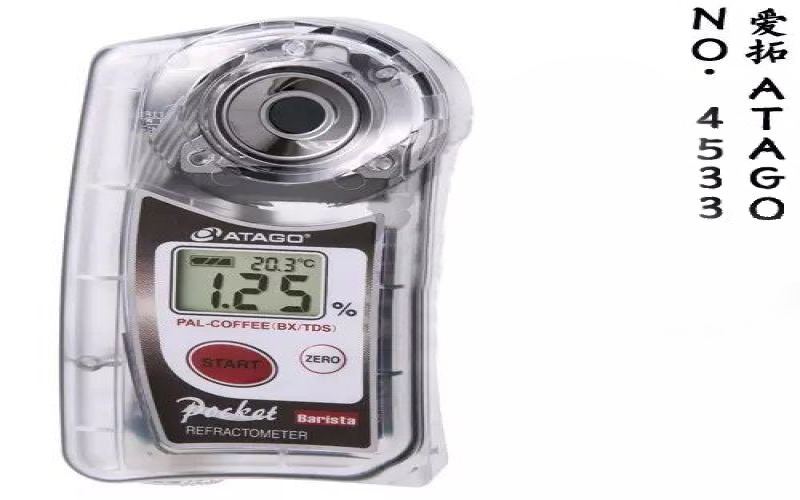
For coffee enthusiasts pursuing precise extraction, the ATAGO refractometer is a common professional tool. This article focuses on three coffee refractometers under the brand—4523, 4532, and 4533—sorting out their differences and purchasing advice, and addresses questions about accuracy comparisons with the VST LAB. Then, using the 4532 TDS model as an example, it explains step by step the practical essentials such as the unboxing checklist, battery installation, zero calibration, concentration measurement, and extraction yield calculation. The article also particularly reminds readers of easily overlooked details such as zeroing frequency, sample temperature, and cleaning taboos. If you are currently using or considering purchasing an ATAGO refractometer, this guide will help you avoid common pitfalls and make every measurement more reliable. Front Street Coffee also emphasizes the standardized use of such instruments in daily quality control. [more…]
ATAGO Refractometer Operation Guide: How to Convert TDS Readings to Golden Cup Extraction Yield
Front Street Coffee received a question from an enthusiast who wants to know how to get started with coffee concentration measuring instruments like ATAGO. This article will demonstrate the operating procedure of the instrument step by step, explain the meaning of the two readings, Brix and TDS, and show how to use the measured TDS value to calculate the coffee's extraction yield. The article will also introduce the two core standards of the Golden Cup theory—extraction yield of 18%–22% and concentration of 1.2%–1.45%—as well as the flavor characteristics brought by under-extraction and over-extraction, helping you more accurately judge whether a cup of coffee falls within the ideal range in your daily brewing. [more…]