







Search Results for: Kono-Style Pour-Over
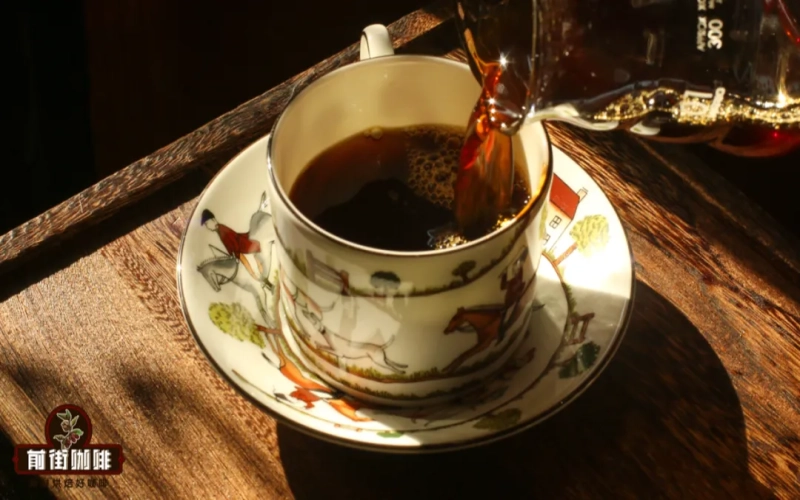
The Complete Kono-Style Drip Method Tutorial: How Japanese-Style Pour-Over Overcomes the Challenge of Extracting Fresh Beans
Freshly roasted coffee beans contain a large amount of carbon dioxide, and brewing them directly often leads to uneven extraction and imbalanced flavor. To address this, the Japanese developed a series of solutions, among which the Kono-style drip method is considered a classic. It uses water droplets instead of a water stream to pre-wet the coffee grounds, waits for sufficient degassing before switching to a stronger flow for extraction, and finally adjusts the concentration through bypass. In this article, Front Street Coffee will use PWN Golden Mandheling as an example to break down in detail the parameter settings and operating steps of this brewing method, helping you brew a rich, balanced, and delicious cup even with fresh beans. [more…]
What Does Coffee Body Mean? A Comprehensive Analysis from Mouthfeel to Brewing for Choosing Full-Bodied Coffee Beans
When tasting a cup of coffee, besides focusing on flavor expression, mouthfeel is also a dimension that cannot be ignored. Flavor corresponds to taste and smell, while mouthfeel relates to the tactile experience—this is what the coffee world often calls Body. When coffee is smooth, full, and rich on the palate, it indicates excellent Body; if it feels rough, thin, or astringent, the Body is poor. The fineness of oils and fibers is the key factor determining Body quality. This article starts from the concept of Body, recommends two representative coffee beans with a rich style, and breaks down in detail the operational key points and underlying principles of Kono-style pour-over for enhancing richness, helping coffee enthusiasts better balance flavor and mouthfeel in their pour-over practice. [more…]
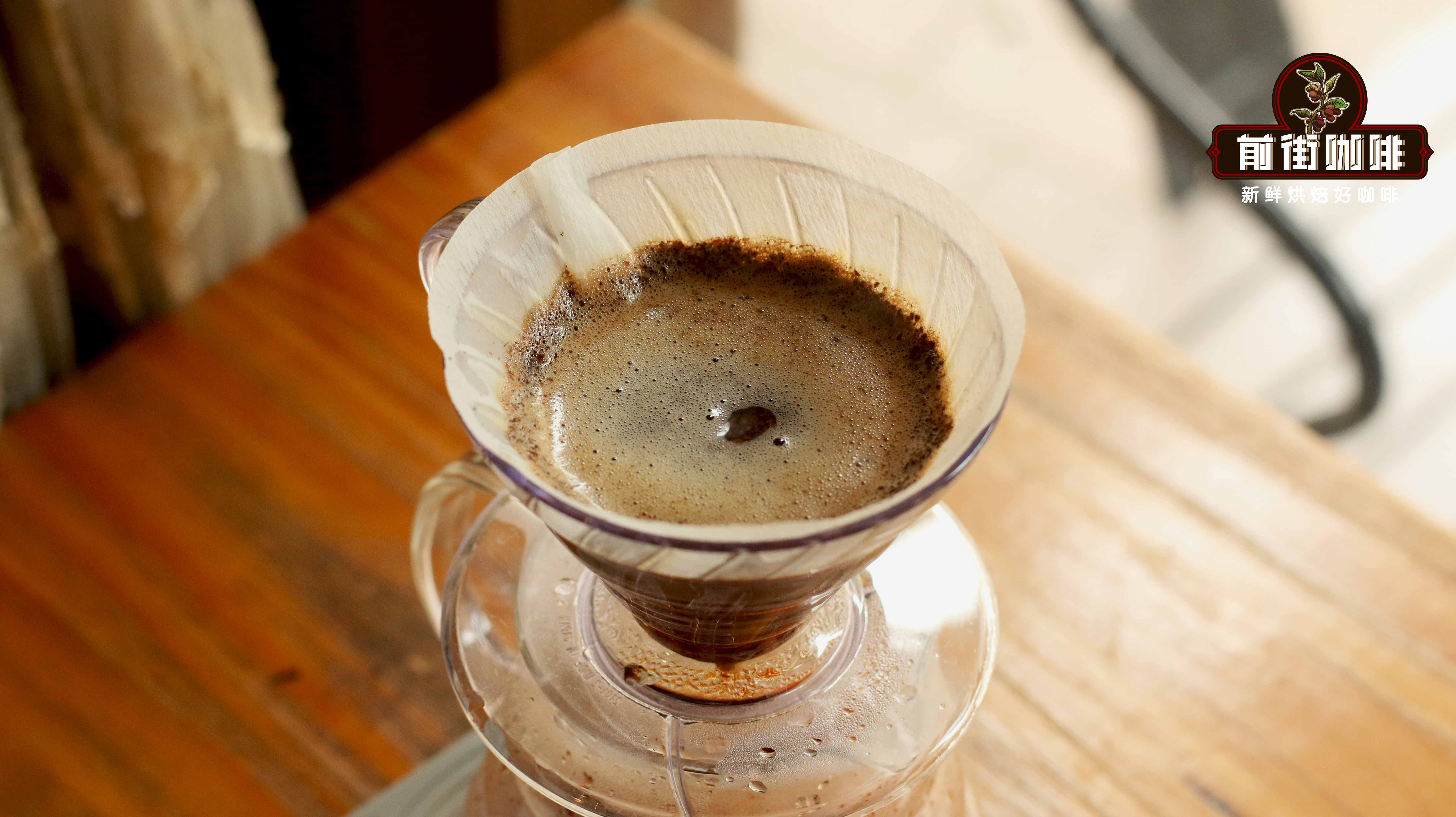
A Complete Analysis of Five Pour-Over Coffee Techniques: Detailed Parameters for One-Pour, Three-Stage, Stirring, 4:6, and Kono Methods
Pour-over coffee may seem simple, but in reality every pouring technique brings out a completely different flavor profile. Front Street Coffee's daily in-store offerings uniformly use the three-stage pour, but the baristas know well that changing the pouring height, water temperature, flow rate, or number of stages is equivalent to creating an entirely new brewing method. This article compiles five distinctive pour-over techniques—the one-pour method, the three-stage method, the agitation method (Rao's spin method), the 4-6 method, and the Kono-style method—breaking down their key operational points and suitable scenarios one by one, along with Front Street Coffee's complete brewing parameters, so that coffee enthusiasts can try them at home one by one and, through comparative tasting, find the cup that best suits their own taste. [more…]

A Complete Guide to the Kono Drip Method: From Grind Size to Pouring Rhythm, the Ultimate Pursuit of Mellow Sweetness in Dark Roast Coffee
The drip method, hailed as one of the most challenging brewing techniques in the pour-over field, was invented in 1973 by the Kono family, founders of the Kono brand. Through its unique rhythm of dripping first and then pouring, it allows dark-roasted coffee to present a fuller body and higher sweetness. This article will provide a complete analysis of every detail of the Kono-style drip method, from its origin and background, brewing principles, and equipment selection, to specific parameters and step-by-step operations. Front Street Coffee uses Sumatra PWN Golden Mandheling as an example to share the complete process and precautions of this high-concentration, low-extraction brewing method, leading you to appreciate the charm of the drip method. [more…]

Types of Black Coffee | What is Japanese-style Coffee? What Are the Japanese Coffee Brewing Methods? What Are the Differences Between Japanese-style and Italian-style Coffee?
Coffee is a beloved beverage all over the world and the most popular drink globally. When it comes to dedication to coffee, Japan undoubtedly stands out, because Japan's coffee culture has a very long history, and Japanese coffee craftsmen are also highly dedicated. As another mainstream representative, [more…]
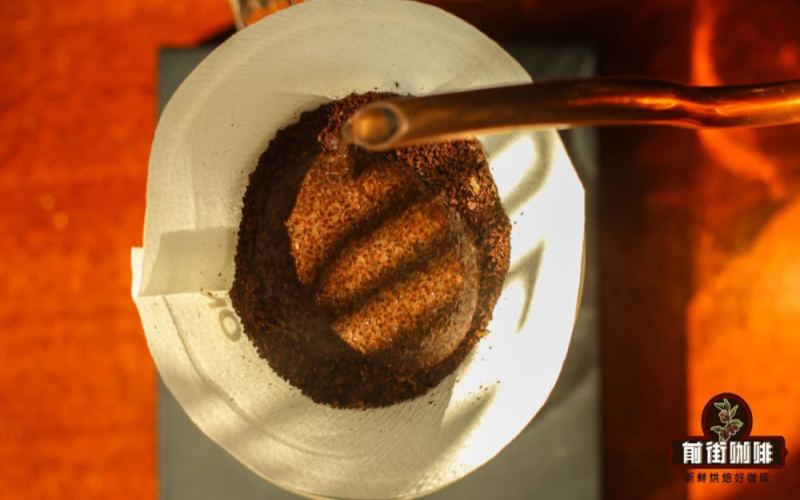
Single-Origin Pour-Over Beans for Beginners | What Are the Four Japanese Pour-Over Techniques? How Do Different Coffee Brewing Methods Affect Coffee Flavor?
Recently, many coffee-loving friends who come to Front Street Coffee to buy coffee beans have asked Front Street how to correctly brew pour-over coffee to bring out its best flavor. Front Street also often says that the process of pour-over coffee is a kind of enjoyment, and coffee brewed by one's own hands feels even more delicious on a spiritual level. So this Front Street article will introduce [more…]
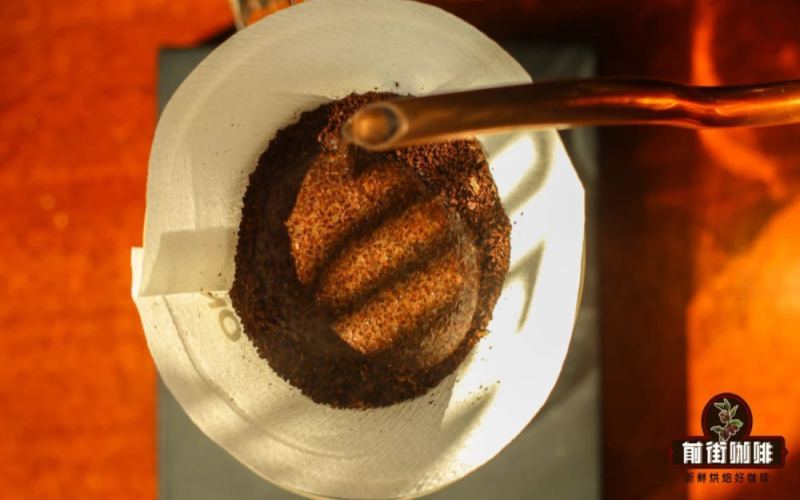
How to Choose Beginner Pour-Over Coffee Beans? Four Japanese Brewing Techniques and Recommended Everyday Beans from Africa, Asia, and the Americas
Many coffee enthusiasts who come to Front Street to buy beans ask: how can you hand-brew a coffee to bring out its best flavor? Front Street has always felt that brewing by hand is an enjoyment in itself, and coffee you brew yourself tastes all the more satisfying psychologically. This article first sorts out the four most mainstream Japanese hand-brewing techniques—Matsuya style, Kono style, volcano pour, and the zigzag pouring method—explaining their key operational points and taste characteristics; then, by the three major producing regions of Africa, Asia, and the Americas, recommends several high-value Front Street everyday beans suitable for beginners to practice with, along with specific brewing parameters and techniques, in the hope of helping every coffee lover. [more…]
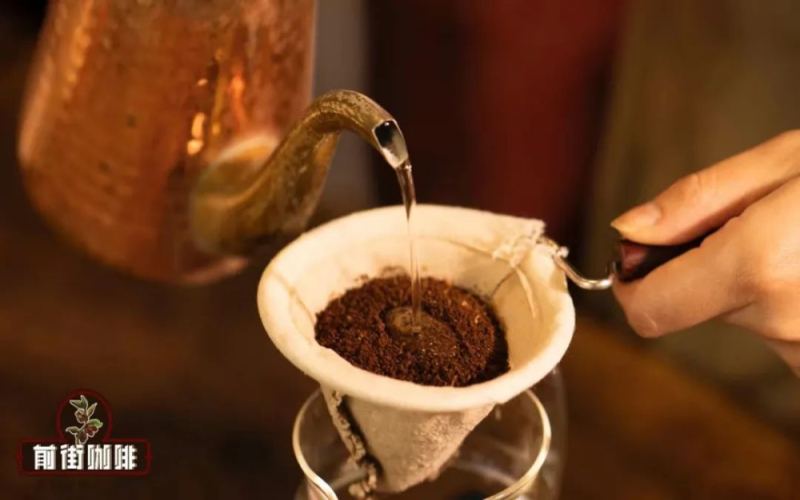
Comparison of the Three Major Japanese Dark Roast Brewing Methods: Principles and Operational Characteristics of Kono Drip, Matsuya-Style, and Volcano Brewing
Deep-roasted coffee beans are known for their rich, mellow bitterness, and the Japanese brewing tradition includes three classic methods designed specifically for such beans: the Kono drip method, the Matsuya-style brewing, and the volcano pour. Though they take different paths, their core goal is the same—to fully unlock the steady, grounded flavors of dark-roasted beans. The Kono method uses drip-style blooming to extend degassing time, the Matsuya style pursues stable extraction through ultra-high pouring and an extra-long bloom, while the volcano pour creates an erupting effect with segmented small-circle pours. All three generally use a higher coffee-to-water ratio, and some require bypass dilution. This article breaks down each method's origins, operating logic, and flavor profile one by one, and explains why these approaches are better suited to dark-roasted beans. [more…]
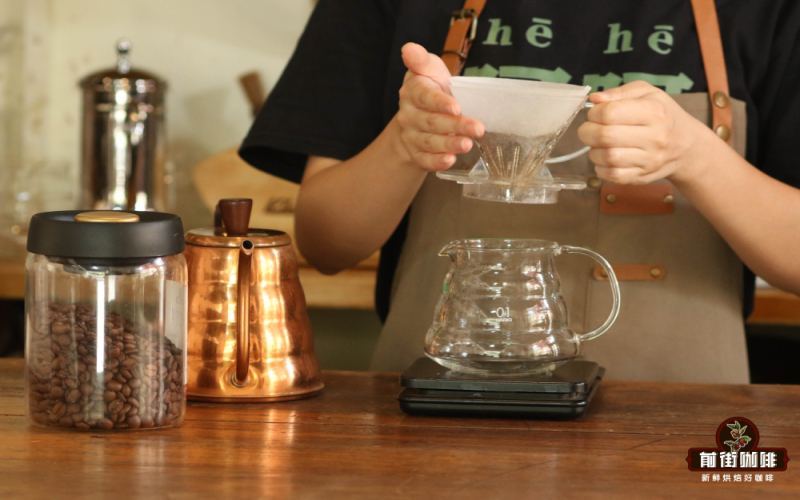
Analysis of the KONO dripper's design principles and brewing characteristics: How the short-rib structure affects extraction flavor and recommended coffee beans
As a well-known Japanese coffee equipment brand, KONO's cone-shaped dripper occupies an important position in the pour-over coffee world thanks to its unique short-rib design. Starting from the historical origins of the KONO dripper, this article takes a deep dive into how its rib structure slows the flow rate and extends the steeping time by limiting the space for air to escape, thereby improving extraction balance and body. At the same time, in response to the brewing needs of medium-to-dark roasted coffee beans, it shares the real-world parameters used at Front Street Coffee stores, including grind size, water temperature, coffee-to-water ratio, and a three-pour pouring scheme, and recommends a number of classic beans that pair well with this dripper, helping coffee enthusiasts fully master the logic of using the KONO dripper. [more…]
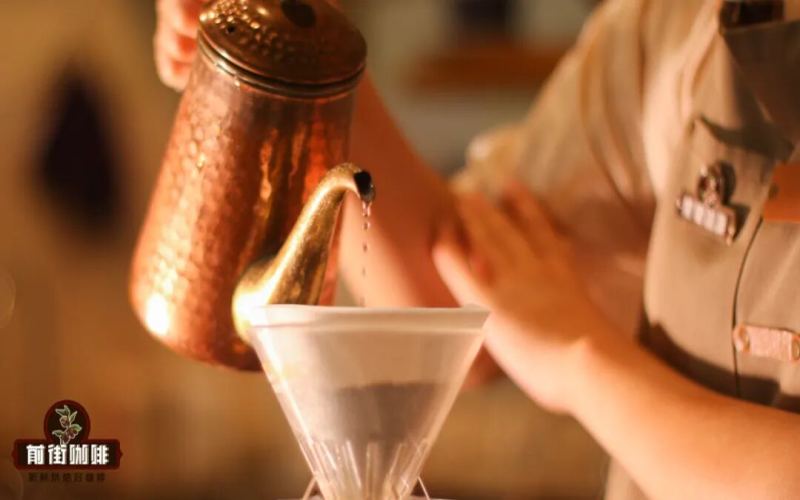
Brewing Methods | What kind of coffee beans is the drip method of pour-over coffee suitable for? What is the specific process of brewing pour-over coffee with the drip method?
As we all know, there are many ways to brew pour-over coffee. Apart from all-around methods that are beginner-friendly, such as the three-pour and 4:6 methods, there are also some lesser-known, high-difficulty techniques better suited to experienced brewers. For example, the brewing method Front Street Coffee is sharing today—just mastering it [more…]

Essential Home Pour-Over Coffee Knowledge | Which Brewing Method Suits Coffee Beginners? What Brewing Parameters Should Beginners Pay Attention To?
Pour-over coffee can be quite a magical thing for many coffee enthusiasts. Front Street Coffee (FrontStreet Coffee) believes there's no need to view pour-over coffee as too profound. When frequently chatting with customers, Front Street Coffee (FrontStreet Cof [more…]

Pour-Over Coffee Beginner's Guide: From Water Quality to Pouring Technique, Mastering the Key Points of Consistent Extraction
Friends who are just getting into pour-over coffee often feel that it is something of a mystery, but in fact, as long as you understand the principles of extraction, many confusions can be easily resolved. In daily conversations with customers, Front Street Coffee has found that most people brew inconsistently because they do not understand the logic behind pour-over. This article sorts out the core knowledge of pour-over coffee one by one, from water quality selection, coffee bean freshness, equipment and dripper pairing, grind size, water temperature control, blooming techniques, to pouring methods, and uses V60 staged extraction as an example to give specific parameters and operating steps, helping beginners build a systematic brewing framework and gradually improve consistency through repeated practice. [more…]
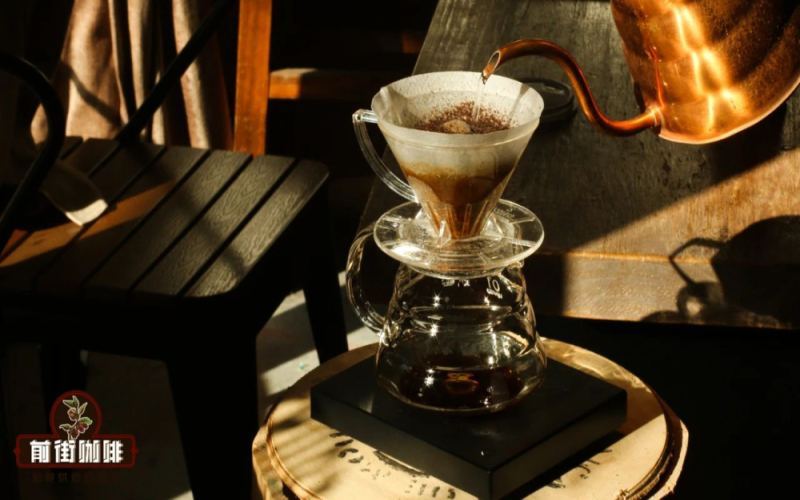
A Beginner's Guide to Pour-Over Coffee at Home: Complete Steps and Practical Tips from Water Quality and Beans to Pouring Technique
Making a delicious pour-over coffee at home doesn't have to be complicated. Through daily conversations with customers, Front Street Coffee has found that many people's brewing techniques are inconsistent because they don't truly understand the principles of pour-over extraction, resulting in sometimes over-extraction and sometimes under-extraction. This article focuses on the core knowledge of pour-over coffee, offering specific advice on water quality selection, coffee bean freshness, equipment and dripper pairing, grind size, water temperature, blooming techniques, and pouring methods. It also uses staged extraction as an example, providing actionable brewing parameters and steps to help beginners establish a stable brewing framework. Beyond theory, the most important thing is still repeated practice—only through hands-on experience can you truly master the rhythm and details of pour-over, bringing each cup closer to the ideal flavor. [more…]

Beginner Pour-Over Coffee Bean Recommendations and Analysis of Four Major Japanese Techniques: From Yirgacheffe to Mandheling
To brew pour-over coffee at home that rivals a café, choosing the right beans is only half the battle—brewing technique matters just as much. In this guide, compiled by Front Street Coffee, we'll first introduce you to Japan's four most iconic pour-over methods—the Matsuya style, the Kono style, the volcano pour, and the zigzag pouring method—breaking down the key steps and flavor outcomes of each. Then, organized by the three major growing regions of Africa, Asia, and the Americas, we'll recommend high-value single-origin coffee beans for pour-over beginners, including Front Street washed Yirgacheffe, Front Street Lintong Mandheling, Front Street PWN Golden Mandheling, and Front Street Guatemala Huehuetenango, along with specific brewing parameters and technique tips to help you find the cup that best suits your taste. [more…]
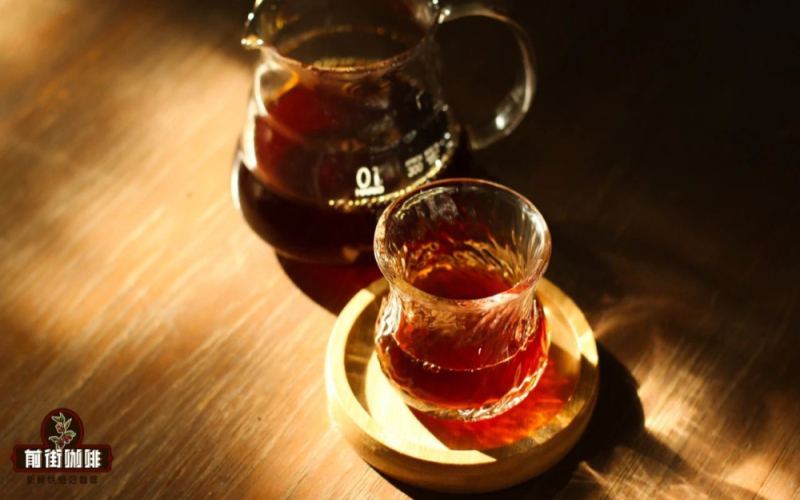
A Beginner's Guide to Pour-Over Coffee: Equipment Recommendations, Brewing Step-by-Step Guide, and Cost-Effective Everyday Beans
The appeal of pour-over coffee lies in the fact that everyone can brew a flavor that is uniquely their own. This article is aimed at home enthusiasts and small coffee shops, and provides a systematic overview of all the equipment needed to get started with pour-over—from gooseneck kettles, drippers, and grinders to filter papers, digital scales, thermometers, and carafes—offering an analysis of the pros and cons of specific brand models along with purchasing advice, and including a complete eight-step brewing tutorial. Finally, it recommends several highly cost-effective Front Street single-origin coffee beans, at a cost of only about six yuan per cup, making them ideal for daily practice and home enjoyment. [more…]
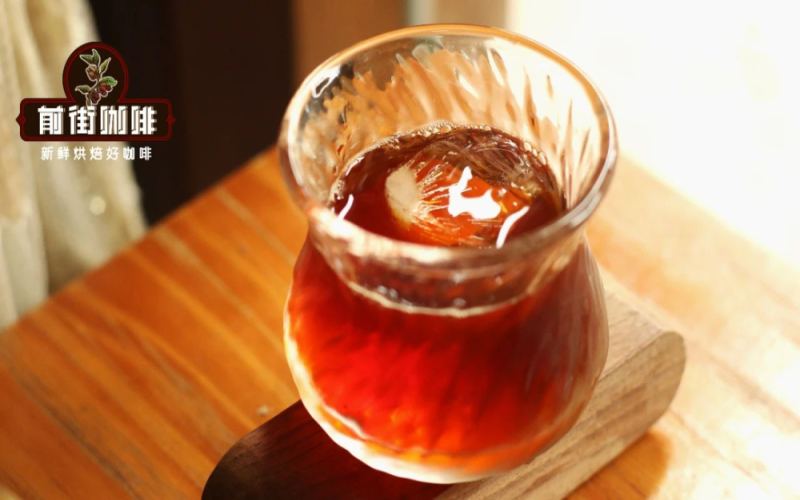
How Is Iced Pour-Over Different from Hot Pour-Over? Coffee-to-Water Ratio, Brewing Logic, and Front Street Coffee Bean Recommendations
As temperatures rise, the choice between iced pour-over and hot pour-over has become a topic of interest for many coffee lovers. The same bean, brewed as a hot drink or a cold drink, takes on completely different flavor directions. Behind this lie two different brewing logics: hot pour-over uses a full coffee-to-water ratio to extract and showcase the bean's original layers; iced pour-over reduces the water amount, increases extraction efficiency, and then relies on ice cubes to dilute and cool it down. Understanding these differences can help you more accurately judge how a bean is best brewed. This article will compare brewing principles, flavor expression, aroma characteristics, and more, and will also include Front Street's bean list recommendations for different taste preferences, so you can still enjoy the cup you love even in the heat of summer. [more…]

Analysis of Hot vs. Cold Flavor Differences in Pour-Over Coffee: Which Coffee Beans Are Better for Iced Pour-Over?
Front Street's store bean list is extensive, and many customers face a dilemma after choosing their coffee beans: should they make a hot pour-over or an iced pour-over? What exactly is the difference in flavor between the two? This article starts from Front Street's actual brewing parameters, analyzes the construction logic of iced pour-over, and conducts a hot-versus-cold comparison using four representative coffee beans—Ethiopia TOH Uraga, Papua New Guinea Bird of Paradise, Indonesia Golden Mandheling, and Colombia Flower Moon Night—evaluating them across three dimensions: aroma, flavor, and mouthfeel. The results show that hot pour-over generally has the advantage in aroma richness and layering, while iced pour-over is more popular in summer thanks to its cold-drink appeal. The article also points out that light-roast and anaerobic-process coffee beans are more suitable for making iced pour-over, while medium-dark roast beans are not very suitable. [more…]

Iced Pour-Over Coffee Bean Selection Guide: Flavor Differences Between Hot and Iced Brewing and Front Street Coffee's Recommended Bean List
In the heat of summer, iced pour-over coffee becomes the top choice for many coffee lovers. But not all coffee beans are suitable for iced brewing, and there are clear differences in flavor and mouthfeel between hot pour-over and iced pour-over. Starting from Front Street Coffee's actual brewing methods, this article compares in detail the differences between iced pour-over and hot pour-over in grind size, coffee-to-water ratio, water temperature, and pouring technique, and uses three beans—Front Street Ethiopia Huakui, Brazil Queen's Estate Yellow Bourbon, and Indonesia Golden Mandheling—for flavor comparisons. It also sorts out the types of coffee beans suitable and unsuitable for making iced pour-over, and recommends standout beans such as Front Street Ethiopia TOH Washed Champion Bean Huaxu, Front Street Strawberry Candy, Front Street Blackberry, Front Street Colombia Sidra, and Front Street Big Belly, helping you choose the right beans in summer and make a clean, refreshing cup of good coffee. [more…]

Can iced pour-over coffee be brewed directly with ice water? A detailed explanation of the extraction principles and parameters of Japanese-style iced pour-over and hot pour-over
Many people, when first encountering iced pour-over, have this thought: since hot americano uses hot water and iced americano uses ice water, then if hot pour-over uses hot water, shouldn't iced pour-over just use ice water directly? This idea sounds reasonable, but pour-over extraction is far from that simple. This article will first clarify the underlying logic of extraction, then explain why brewing with ice water is theoretically feasible but almost no one actually does it in practice, followed by an analysis of the relationship between Japanese-style iced pour-over and hot pour-over, complete parameters from Front Street Coffee for both hot and iced brewing, and finally a real result from an ice water brewing experiment, for coffee enthusiasts' reference. [more…]
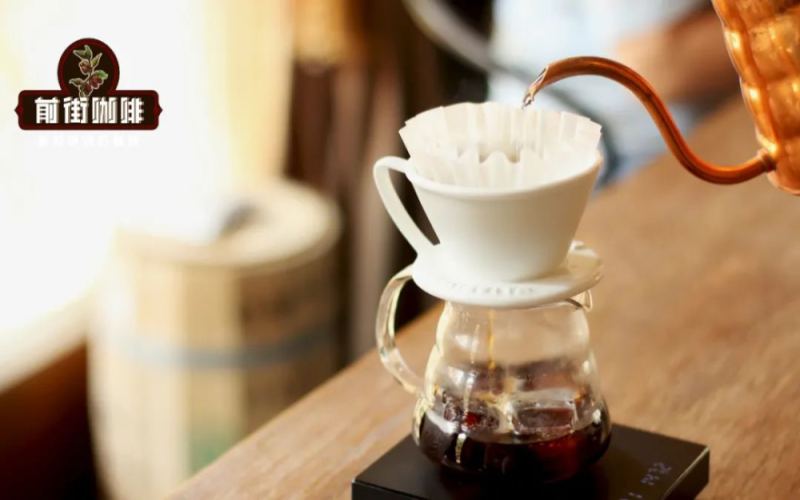
A Complete Analysis of the Flavor Differences Between Iced and Hot Pour-Over: Which Coffee Beans Are Better for Iced Brewing?
During the National Day holiday, many coffee enthusiasts visited the shop to buy coffee beans and also asked Front Street about a common confusion: the same beans, when brewed as hot pour-over, have excellent aroma and taste, but when made into iced pour-over, the flavor becomes vague, the mouthfeel is thin, and it even tastes like water. Why exactly is this? Front Street selected four coffee beans with different styles and conducted hot pour-over and iced pour-over extractions respectively, comparing them from the three dimensions of aroma, flavor, and mouthfeel. This article will take washed medium-light roast, natural medium-light roast, dark roast, and fermented beans as examples, presenting the true performance of each under the two brewing methods one by one, and deeply analyze the reasons why iced pour-over flavor becomes weaker. Finally, it will give suggestions for selecting coffee beans suitable for making iced pour-over, helping everyone enjoy a rich yet refreshing iced coffee even in hot weather. [more…]