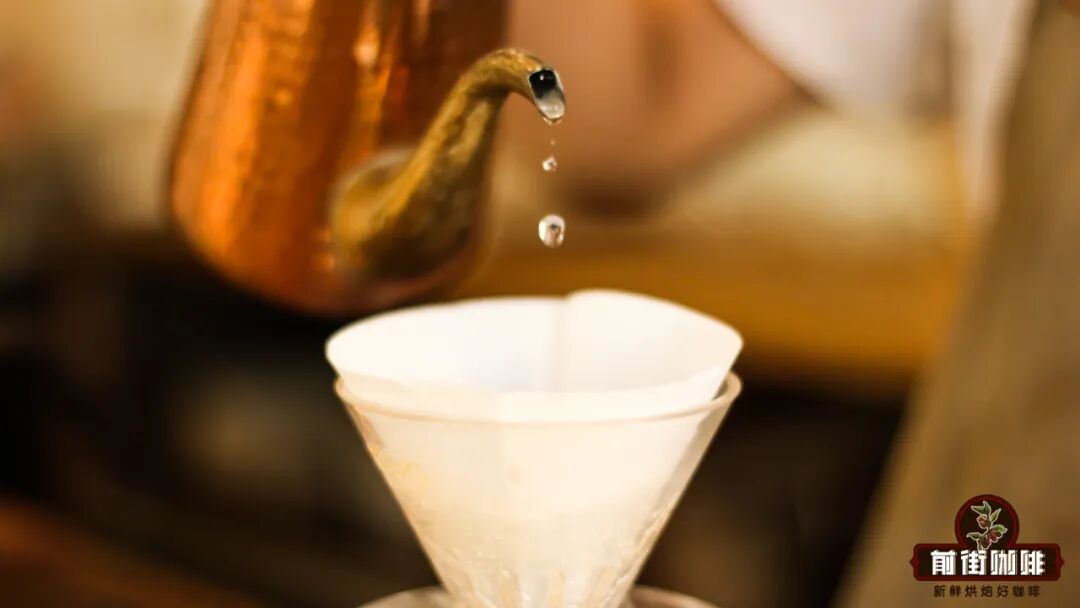
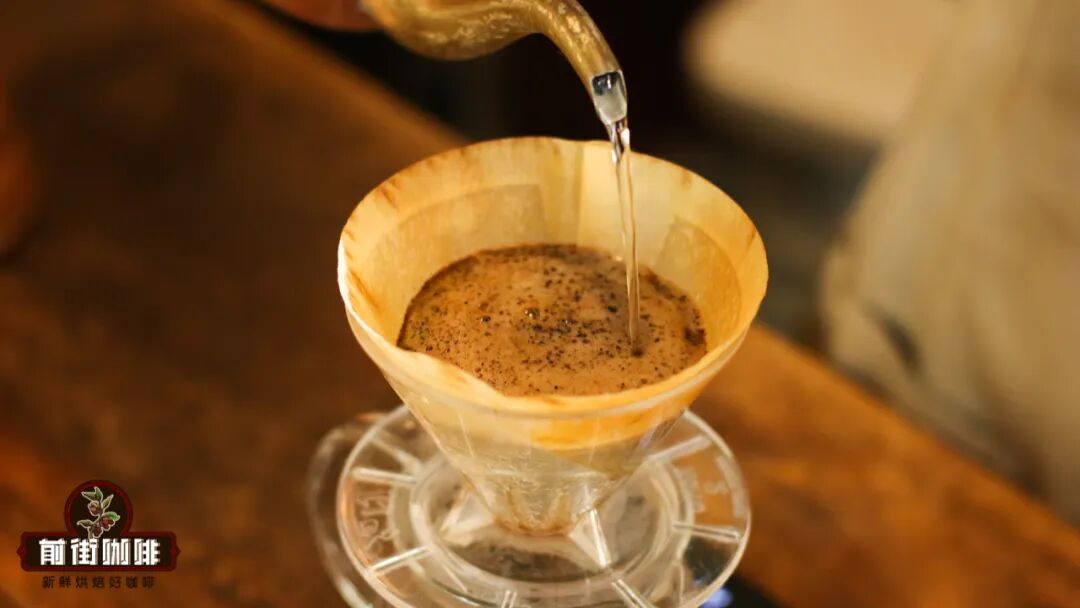
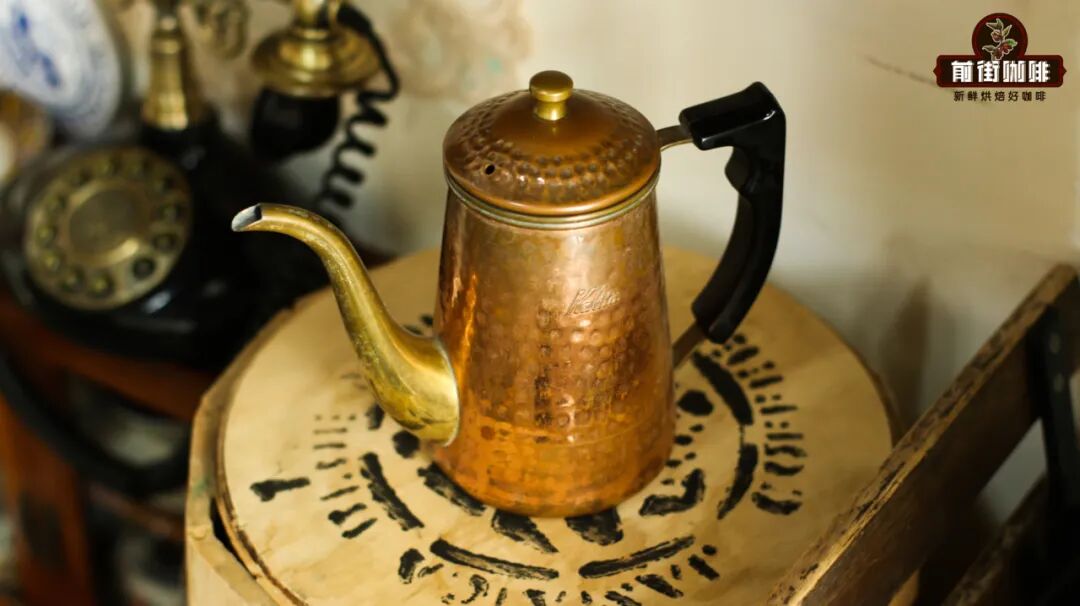
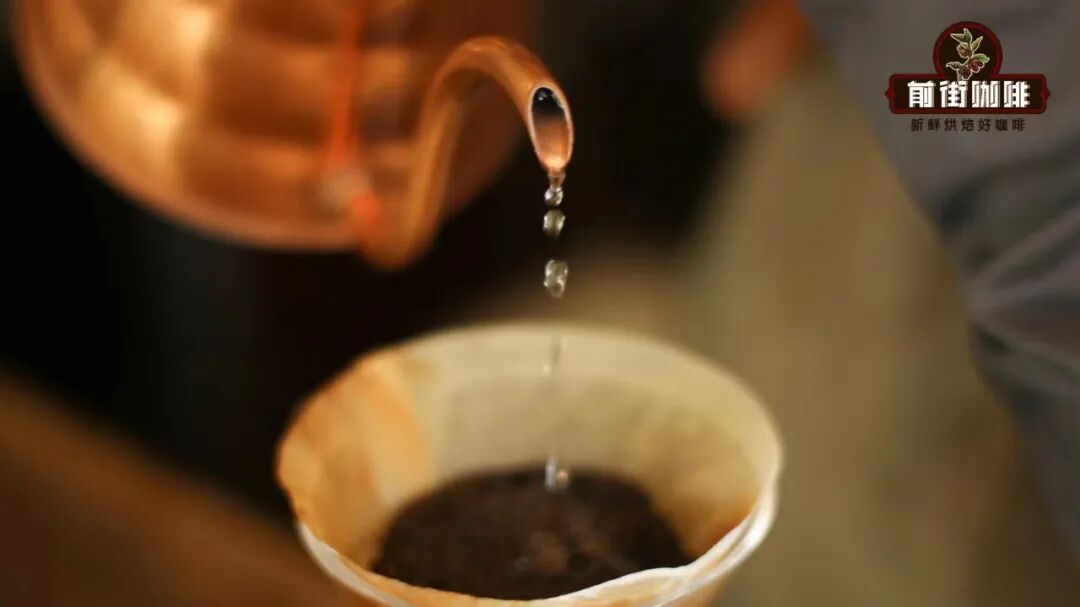
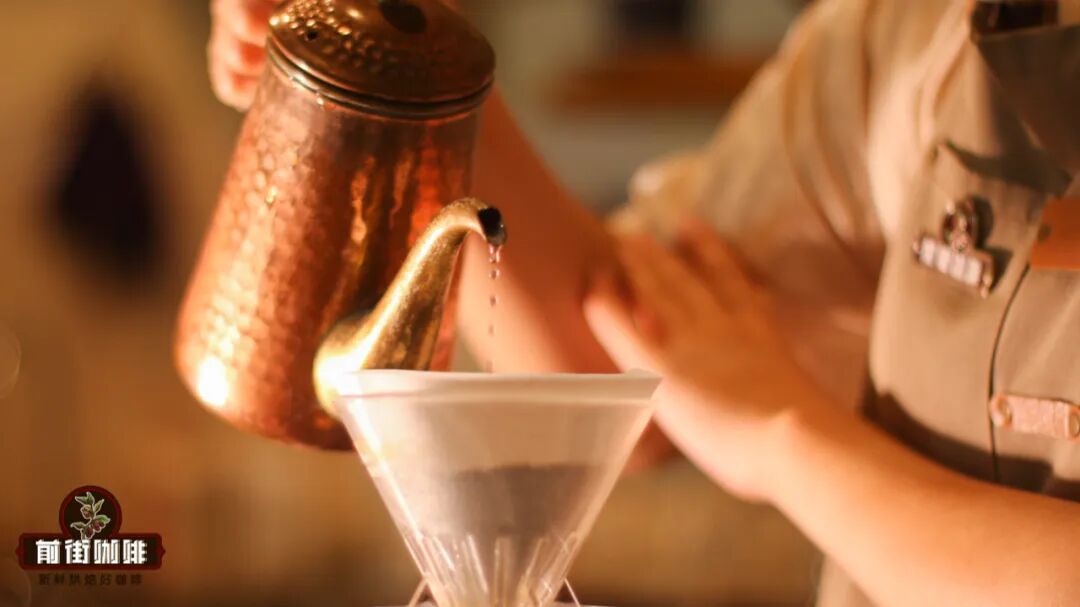
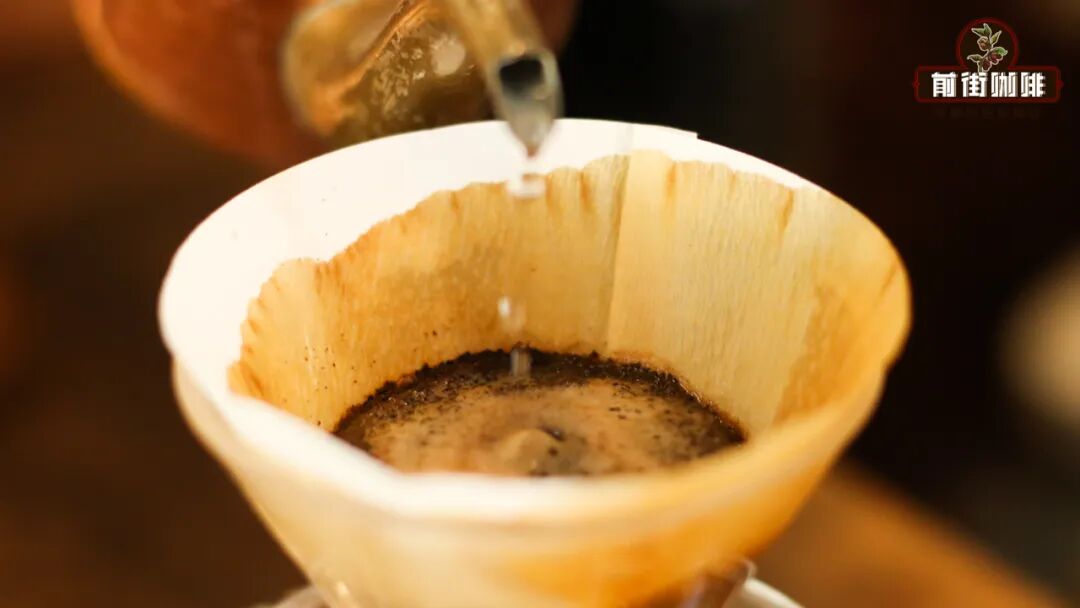
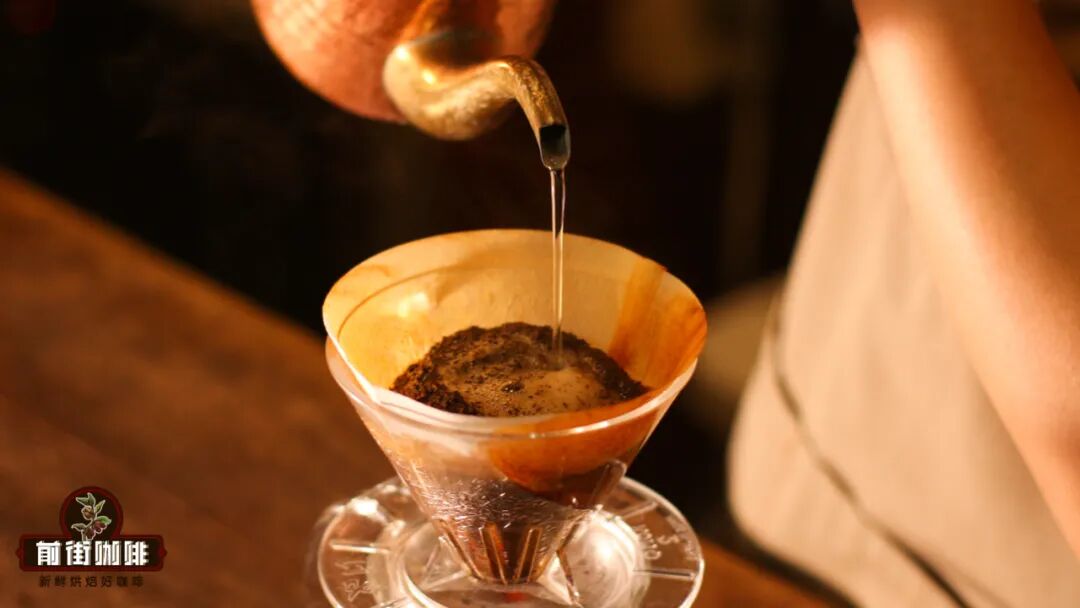
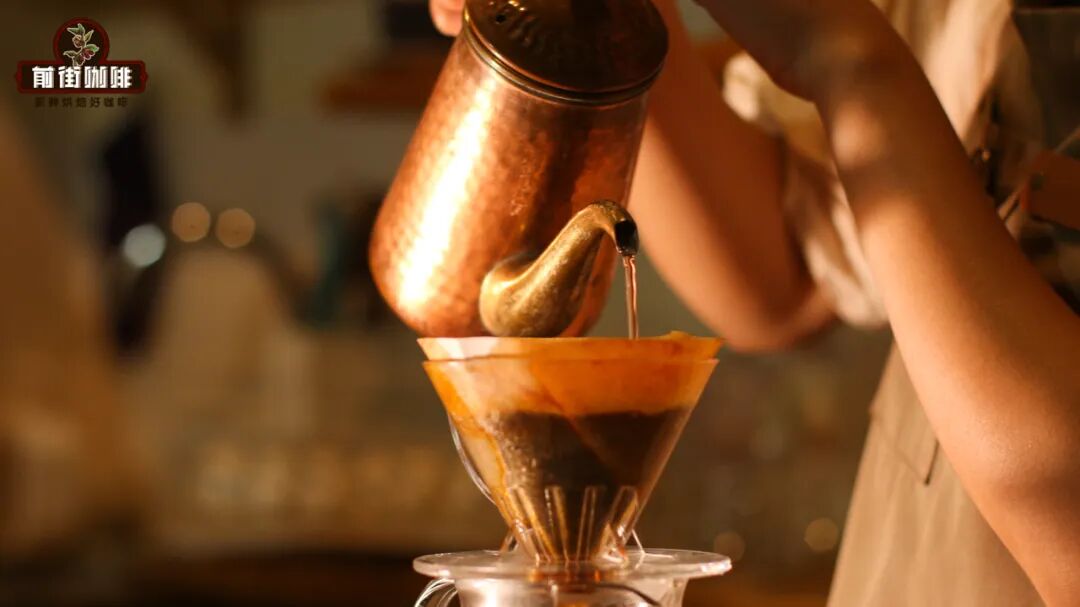
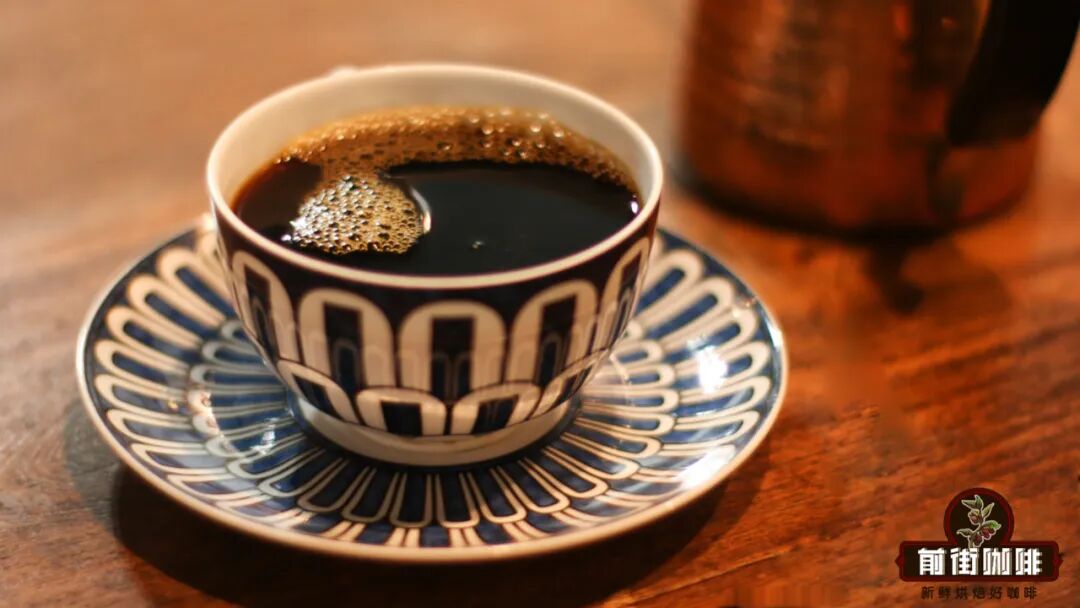
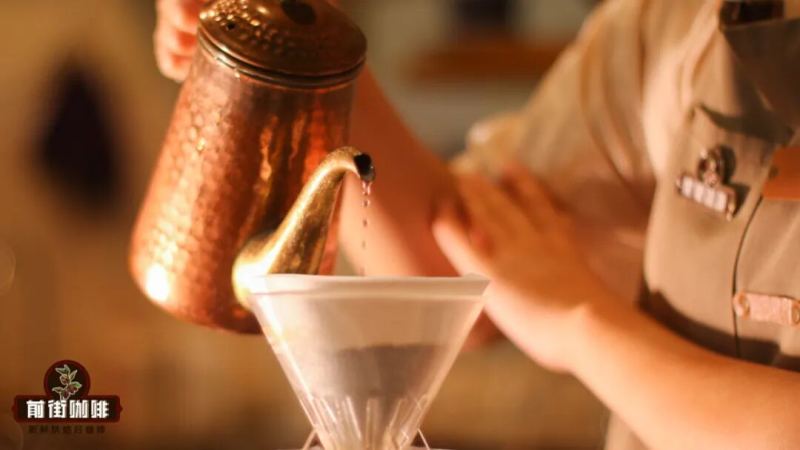
As we all know, there are many ways to brew pour-over coffee. Apart from versatile and beginner-friendly methods like the three-stage pour and the 4:6 method, there are also some lesser-known, high-difficulty brewing techniques better suited to experienced brewers.For example, the brewing method Front Street is sharing today—just mastering its pouring technique alone might take over half a month. It wouldn't be an exaggeration to call it the hardest brewing method in history. Front Street has actually shared this brewing method many times before—it's the drip method.The drip method originated in 1973 and was invented by the Kono family, who founded the Kono brand. If you're a regular reader of Front Street, you're probably already very familiar with this brand. The family started out making siphon brewers, and later developed a method to easily brew rich, full-bodied coffee—the Kono dripper.Likewise, back in an era when rich, full-bodied coffee was the pursuit, the drip method was developed around this same concept. Because of this, the method is better suited to brewing dark-roasted coffee. Dark-roasted coffee brewed this way not only has a richer, fuller body but also delivers greater sweetness.Let Front Street first give a rough overview of the drip method's process. Although it's a multi-pour brewing method, like most other brewing methods, it can mainly be divided into two stages: blooming and main extraction.The first stage requires saturating all the coffee grounds with water dropped one drop at a time. The purpose is to give the coffee grounds enough time to release their internal gases, allowing the hot water poured in afterward to extract more thoroughly—essentially replacing the blooming step.The second stage is the main phase for extracting flavor compounds from the coffee. At this point, we need to turn the dripping water into a stream, dissolving a large amount of the coffee's flavor compounds until the target water amount has been poured and extraction is complete.Although it sounds simple when summarized like this, anyone who has actually tried it will know that drip pouring is truly much harder than imagined, because this dripping stage lasts quite a long time. From Front Street's many brews, the time is usually around 2 minutes—very long. Only with a very high level of proficiency can you ensure that the hot water is delivered as individual drops throughout this period.Secondly, the pour-over kettles we use today are not well-suited to the drip method, because they typically have a narrow spout and long neck, designed to pour a more vertical stream. The drip method is better suited to kettles with a short neck and wide spout, such as a crane-neck kettle orKalita's gooseneck kettle. If you use our current type of gooseneck kettle for the drip method, it's not impossible, but the difficulty doubles.(A wide-mouth, short-neck gooseneck kettle)That's why Front Street says it's the hardest pour-over method in history, bar none. But then again, although it's difficult, it's highly visually appealing—not just the endless stream of dripping water, but also the brewer's calm, focused, and concentrated demeanor, which carries a real sense of craftsmanship. So next, let Front Street share how to actually brew this Kono-style drip method!Because this brewing method better brings out the characteristics of dark-roasted beans, the coffee beans Front Street is using today are still the darkest roast on the bean list—Front Street Sumatra PWN Golden Mandheling. It happens to be on today'spromotion list, so those who like it can grab it(Yep, the promotion has started)!Earlier, Front Street mentioned that coffee brewed with the drip method has greater sweetness. The reason is that it uses a relatively large coffee-to-water ratio for brewing, and finally needs to be diluted with bypass water to adjust the coffee's concentration—it's a high-concentration, low-extraction brewing method. So it won't extract the tail-end flavors of the coffee, and naturally won't have too much bitterness, which is why the sweetness is enhanced.But because the extraction time is relatively long, the coffee will still carry some bitter compounds to enhance the body. The brewing parameters are as follows:Coffee-to-water ratio: 1:12Brewing temperature: 90°CGrind size:EK43at 10.5 setting, 70% passage rate on a No. 20 sieve, fine granulated sugar consistencyBefore brewing, there's one thing we need to note: there's no need to pre-wet the filter paper, because during the dripping stage, the color of the filter paper serves as the criterion for determining whether the dripping stage can end. So we need to keep it dry before brewing. Although it's not pre-wetted, you don't need to worry about how well the filter paper fits the dripper. As long as you press down on the filter paper with the weight of the coffee grounds, it will fit the dripper perfectly.Now, let's begin the dripping.When dripping, there's no need to pour in circles—just concentrate the pour at the center of the coffee bed, because the hot water will slowly spread outward and saturate the surrounding coffee grounds.How much dripping is enough to stop? There are two reference criteria. The first is the state of the coffee bed. When all the coffee grounds in the dripper have absorbed water, moistened, and expanded, that means you can move on to the next step. The other is the filter paper Front Street mentioned earlier.Since the filter paper hasn't been pre-wetted, it will continuously absorb coffee liquid and take on the coffee's color. When we see that the filter paper has been completely stained with the color of the coffee liquid, that means the coffee grounds have been fully saturated, and we can then switch to a stream of water to brew the coffee.The second stage is poured in several increments. First, we use a small stream in a small circle to slowly pour hot water into the center of the coffee bed. When the water level is about to rise above the coffee bed, we stop pouring, and wait until the hot water has mostly drained through before starting the next pour. This step may need to be repeated 2–3 times, until two-thirds of the water has been poured, then we switch to a larger stream.When pouring with a larger stream, we pour in circles from the inside out, then simply pour all the remaining water in one go.Total time: 3 minutes 39 seconds. After brewing is complete, we can add an appropriate amount of hot water according to our preference. Here Front Street added 40ml of hot water, resulting in a moderate concentration. Then we swirl the carafe to mix it evenly, and now we can begin tasting!Very nice! The Golden Mandheling brewed this way indeed has a rich, full-bodied mouthfeel. You can clearly taste chocolate, nuts, spices, and pine wood aromas. It's overall rich but not bitter, and distinctly different from Golden Mandheling brewed conventionally.If you haven't tried the drip method yet, you can still give it a light try—it's quite fun! But note that before brewing, we need to level the coffee grounds so the hot water can better saturate them evenly. Also, during the dripping process, we should keep the kettle spout as low as possible to prevent splashing from the water drops. Just these two things to keep in mind~ The above content is compiled by CoffeeHunters, a coffee news website.