







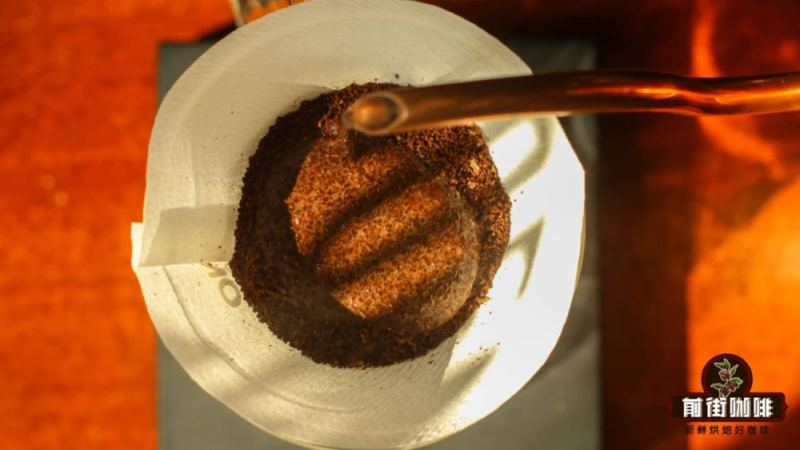
Recently, quite a few coffee enthusiast friends who came to Front Street store to buy coffee beans asked Front Street how to properlyhand-brew coffeeto bring out its best flavor, and Front Street also often says that the process of hand-brewing coffee is a kind of enjoyment, and coffee brewed by one's own hands feels even more delicious on a spiritual level. So this article from Front Street will introduce the four major hand-brewing techniques.
The Four Major Japanese Hand-Brewing Techniques
Coffee enthusiast friends who are familiar with Japan all know that Japanese people especially pursue artisan craftsmanship, so of course they also have an ultimate pursuit of how to brew coffee with a special flavor. Therefore, they have developed several hand-brewing methods to present the best flavor of coffee beans, and the hand-brewing methods of the baristas in Front Street stores are also based on hand-brewing techniques developed by Japanese people, with the aim of presenting coffee beans from different producing regions to coffee enthusiast friends in the best quality.
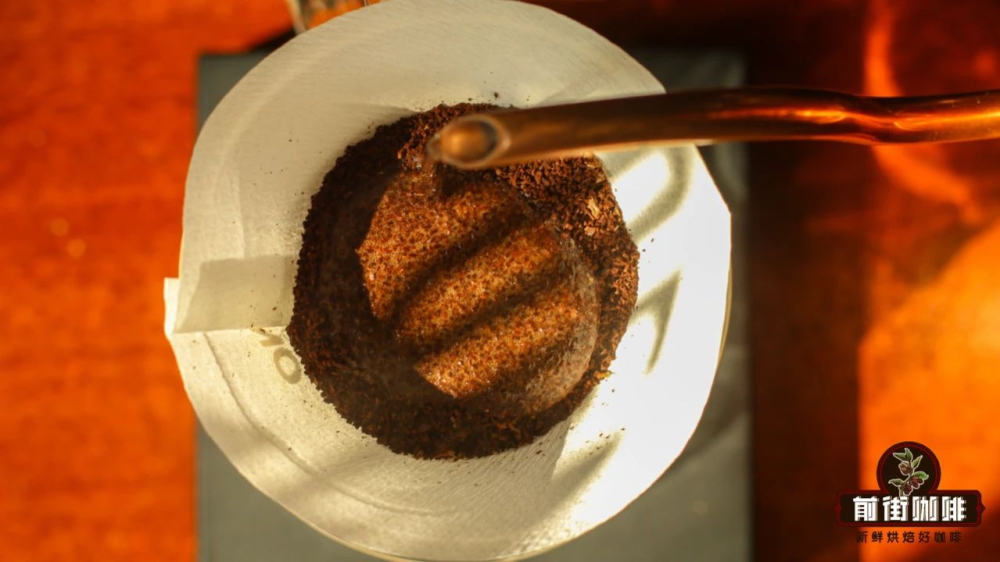
The following are the four most common hand-brewing methods in Japan:
1. Matsuya-style hand brewing
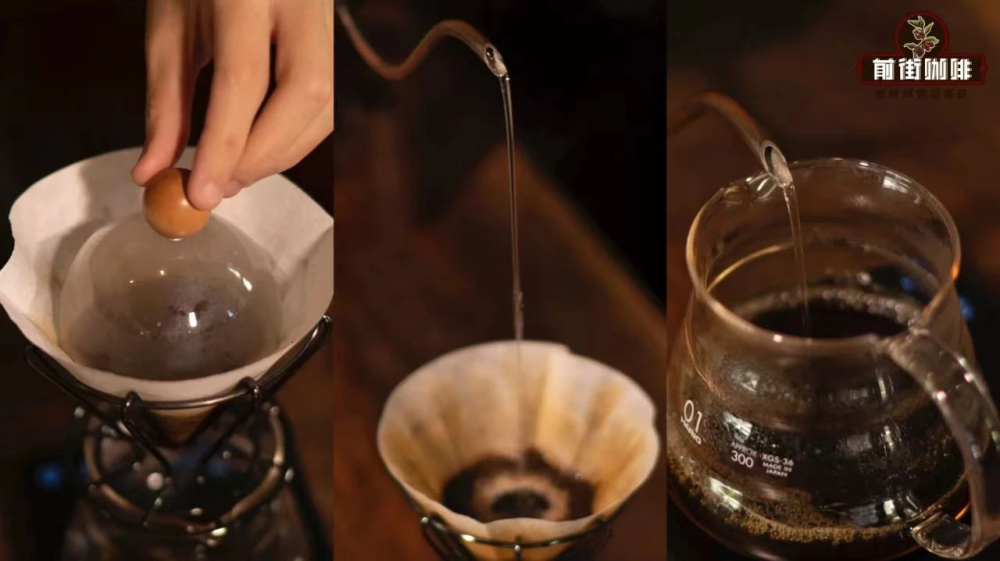
The Matsuya-style hand-brewing method was invented by Kazuyoshi Matsushita in 1962. He independently developed a filter paper that would not hinder the expansion of the coffee bed and a corresponding metal stand to maintain the angle of the filter paper. Front Street believes that what makes this hand-brewing method special is the use of coarsely ground coffee powder and a long steaming period. During brewing, first make a large well in the coffee grounds, then above the dripper, pour a thin stream of water from high to low until the coffee liquid begins to drip, then pour in a circular motion, drawing circles outward to wet the coffee grounds, cover with a lid, and steam for 3 minutes. After 3 minutes, begin pouring water evenly and continuously. When the coffee liquid reaches half of the coffee pot, stop pouring, and finally add hot water to dilute it.
Taste: Coffee brewed with this method changes little in flavor even after some time, and it will not become cloudy.
2. Kono-style hand brewing

Kono-style hand brewing is what the industry calls the drip method. As the name suggests, it uses a dripping form for brewing, like an hourglass, dripping bit by bit onto the coffee grounds. Through this technique, the coffee grounds can have a full steaming effect. This brewing method requires a very stable pouring technique and patience; the general approach is to first let water concentrate and pre-wet the coffee grounds little by little. When about one-third has dripped, you can begin pouring water. When the water level of the coffee grounds reaches the top, you can pause until the water level drops to half, then pour water again.
Taste: The drip method can highlight the sweetness of the coffee, avoiding sourness and bitterness.
3. Volcano-style hand brewing

The volcano-style hand-brewing method uses the carbon dioxide contained in the beans. Through multiple steamings, the coffee grounds puff up like a volcanic eruption, so dark-roasted coffee beans are more suitable for this method, because dark-roasted beans have more carbon dioxide. This hand-brewing method is mostly paired with flannel, because the middle coffee bed is very thick, so water is mainly poured in the center, in a position about the size of a coin. The first half of volcano-style brewing is to fully extract without damaging the coffee bed; the second half is to pour water evenly to prevent excessive extraction in the middle and achieve a diluting effect. The first third of volcano-style brewing is over-extraction, and the latter two-thirds is under-extraction. These coffee liquids need to be mixed together at the end to obtain a perfect cup of coffee.
Taste: Volcano-style brewed coffee has a thick mouthfeel and high concentration.
4. Zigzag pouring method

This is a brewing method independently researched by Teruhisa Tahara, a barista at Coffee Rankan and first-place winner of the Japan Barista Championship: it uses flannel as the filter tool and is hailed as flannel-style espresso. Because the entire process has no steaming step and the extraction time is only 40 seconds, its feature is pouring water onto the coffee grounds in a zigzag pattern, with the aim of even pouring. After even pouring, when the extracted liquid dripping from the flannel becomes concentrated, increase the water flow, until the extracted liquid begins to become lighter, then increase the water flow again.
Taste: The coffee has a fragrant and mellow mouthfeel, a solid body, and obvious sweet aftertaste.

From this, it can be seen that hand-brewing coffee methods are not so easy to master, but Front Street believes that hand-brewed coffee actually has no rigid requirements, and everything can be adjusted manually.
For example, water quality, coffee dripper, coarseness of ground coffee beans, ratio of coffee grounds to water, strength and height of the hand-brewing water stream, brewing extraction time, or circling and dripping can all create subtle differences in coffee flavor. But after accumulating a certain amount of experience, coffee enthusiast friends can make changes according to personal preferences and habits, thereby brewing the single-origin coffee flavor that best suits their own taste.

Therefore, Front Street believes that hand brewing is indeed a discipline. If you want to hand-brew a cup of coffee with excellent flavor, you must practice a lot. Next, Front Street will recommend somesingle-origin hand-brew coffeebeans suitable for hand-brewing beginners.
Coffee enthusiast friends all know that coffee beans from different producing regions have different flavors. For example, African coffee tends to have citrus and lemon acidity, relatively fresh and bright, while Asian coffee beans tend to have a mellow mouthfeel, and American coffee tends toward nutty and cocoa flavors. So Front Street will recommend coffee beans with relatively high cost performance from these three continents to hand-brewing beginners.
Recommended African single-origin coffee
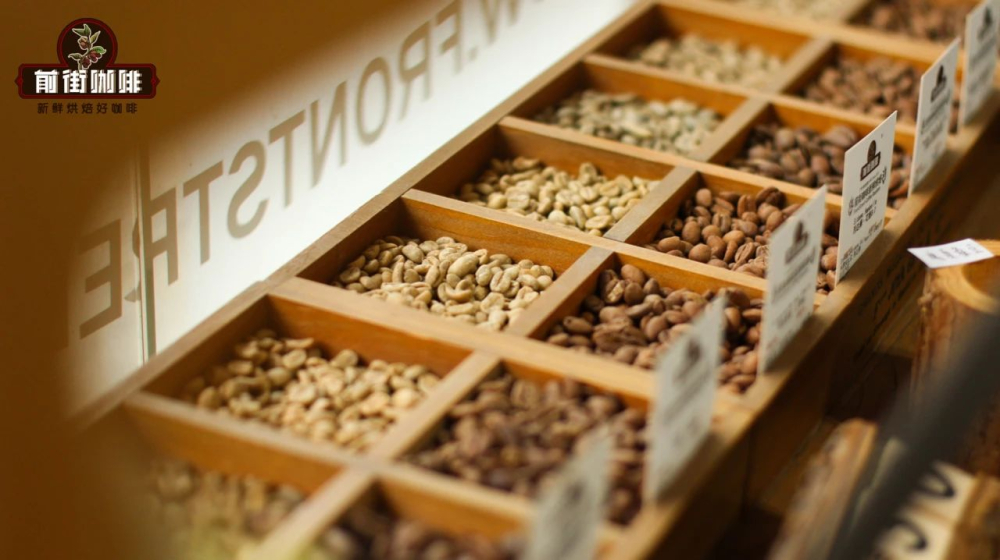
First, the most representative coffee producing region in Africa is none other than Ethiopia. Among them, Front Street washed Yirgacheffe coffee from Ethiopia is quite famous. Front Street believes that coffee enthusiast friends are no strangers to it. It occupies a corner of the specialty coffee market with its charming fruit acidity. Front Street stores also sell Front Street washed Yirgacheffe daily drinking beans. Coffee beans processed by the washed method are relatively clean and bright in flavor, and can better highlight the most original taste of Ethiopian Yirgacheffe coffee, further highlighting its citrus and lemon acidity. Front Street also often says that washed coffee beans best reflect the basic flavor of a producing region. Therefore, Front Street believes that this Front Street washed Yirgacheffe is very suitable for practicing hand brewing. This Front Street washed Yirgacheffe is also a representative of light-roasted coffee beans.

FrontStreet Coffee · Ethiopian Washed Yirgacheffe Coffee Beans
Country: Ethiopia
Region: Yirgacheffe
Altitude: 1800-2000m
Variety: Local heirloom varieties
Processing method: Washed
Flavor: Jasmine, berries, lemon, citrus
FrontStreet Coffee hand-brewing suggestion
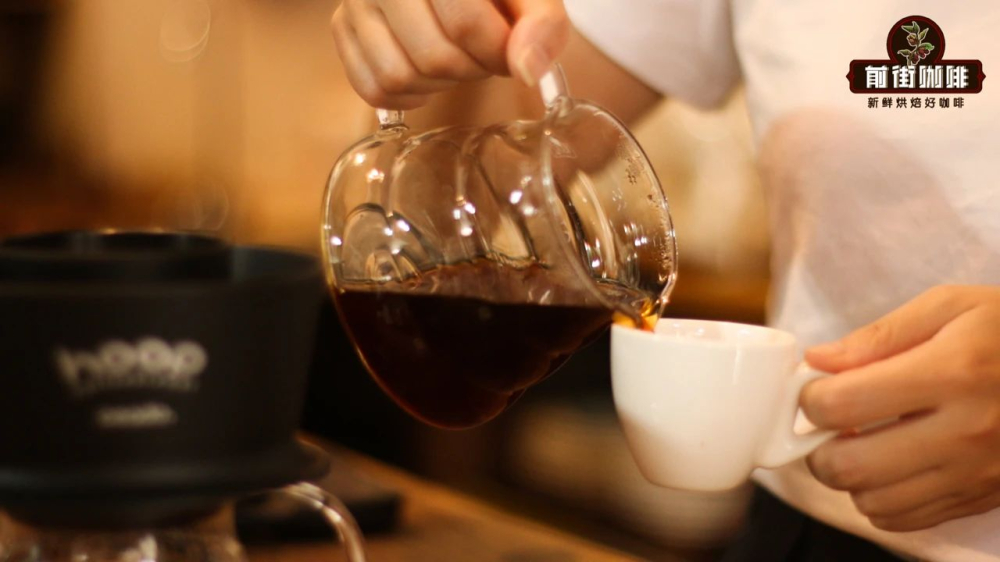
In order to fully extract the fruity acidity of Yirgacheffe, Front Street uses a higher water temperature and a finer grind for extraction, but to avoid over-extraction caused by high temperature, it uses a faster-flow dripper, such as the V60 dripper. The V60 dripper has a 60-degree cone shape. The conical angle allows the coffee grounds to be concentrated together, and during pouring it also allows the water flow to automatically gather toward the center of the dripper, ensuring sufficient contact time between water and coffee grounds, thereby extracting a suitable coffee liquid. In addition, the ribs on the inner side of the V60 dripper extend clockwise in a spiral from the bottom to the top, leaving enough gap between the filter paper and the dripper, improving water flow, and combined with the large hole at the bottom, the flow rate is relatively faster than many drippers.
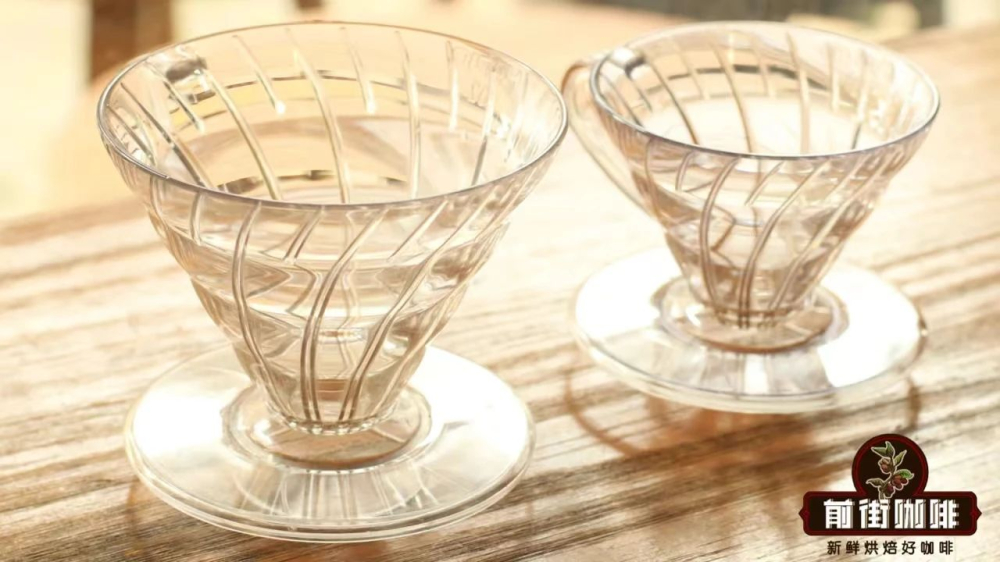
The specific brewing parameters at Front Street Coffee are: V60 dripper, water temperature 90℃, water-to-coffee ratio 1:15, coffee dose 15g, grind size (80% passing through China standard No. 20 sieve).

Regarding grind size, Front Street would like to remind you that even if they are all Front Street Yirgacheffe, due to different grades, Front Street will still sift each bean once to determine its respective grind size. Front Street brewing method: first rinse the filter paper and preheat the dripper and coffee pot. Use 30g of water for a 30-second bloom, pour in a small stream in a circular motion until 125g, then pause; when the water level drops and is about to expose the coffee bed, continue pouring until 225g and stop; when the water level drops and is about to expose the coffee bed, remove the dripper. (Timing starts from the beginning of the bloom.) Extraction time is 2'05".
Recommended Asian single-origin coffee
The most representative coffee from Asian producing regions is none other than Indonesia's Front Street Mandheling. Therefore, Front Street has specially launched a Front Street Mandheling daily drinking bean for coffee enthusiasts who are just starting out. Its coffee processing method is Indonesia's unique wet-hulling method. Coffee beans processed by wet hulling carry a special tobacco and earthy aroma, very distinctive. Therefore, Front Street Mandheling also has considerable fame in the single-origin coffee world, and Front Street daily drinking beans themselves are intended to let new coffee enthusiasts understand coffee flavors in the most cost-effective form. So this Front Street Indonesian Mandheling coffee bean is perfect for hand-brewing practice.

Here Front Street will also explain that there are many types of Mandheling, such as the king of Mandheling, Front Street PWN Golden Mandheling. Its flavor is cleaner than our common Front Street Lintong Mandheling, the earthy fishy smell has also disappeared, and the sour, sweet, and bitter tastes are very balanced. This is because the PWM company that produces Front Street Golden Mandheling attaches great importance to the quality of coffee cherries and requires four rounds of manual selection of the best flawless coffee cherries before they can be used to make Front Street Golden Mandheling coffee. Therefore, in terms of price, Front Street Golden Mandheling is also relatively expensive. But Front Street suggests that coffee enthusiast friends who are able may wish to compare Front Street Lintong Mandheling daily drinking beans with Front Street PWN Golden Mandheling in brewing, which can give hand-brewing beginners a good comparison of the flavor expression of coffee beans from the same producing region.
FrontStreet Coffee Lintong Mandheling (Daily Drinking Bean) Coffee Beans
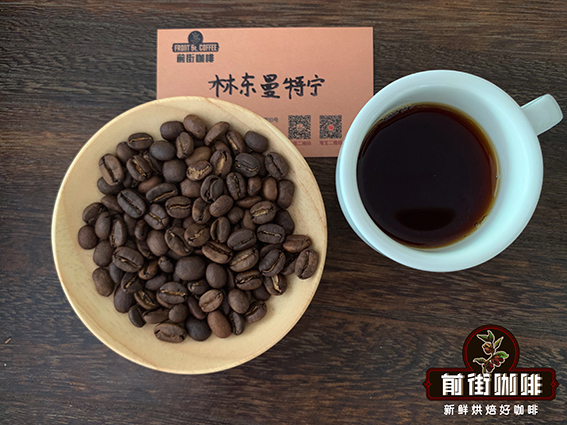
Region: Lintong producing region, Sumatra
Altitude: 1100-1600 meters
Variety: Typica, Caturra
Processing method: Wet-hulled
Flavor: Toasted bread, nuts, caramel, pine, herbs
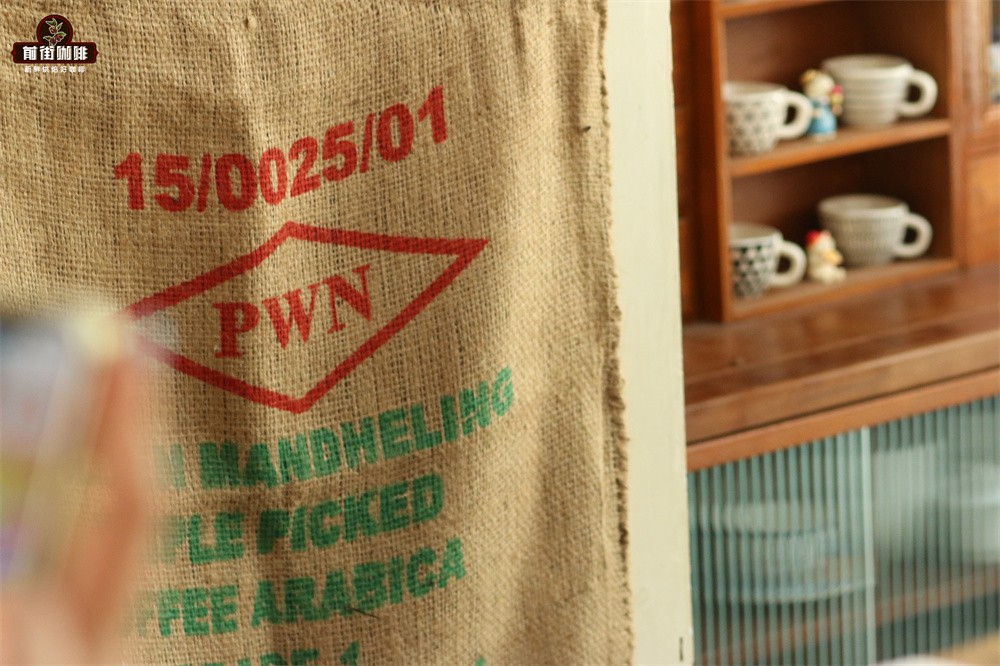
FrontStreet Coffee · PWN Golden Mandheling Coffee Beans
Region: Mount Gayo, Aceh, Sumatra
Altitude: 1100-1600 meters
Variety: Ateng
Grade: G1, 3 times hand-sorted
Processing method: Wet-hulled
Flavor: Spices, herbs, caramel, pine, nuts, chocolate
FrontStreet Coffee hand-brewing suggestion
When brewing Front Street Mandheling coffee beans, Front Street tries to keep the brewing parameters consistent. Since Front Street sun-dried Mandheling uses medium-light roasting, while the other four Mandhelings use medium-dark roasting, coffee beans with different roasts use different brewing parameters.
Brewing parameters for light-medium roasted coffee beans: V60 dripper, 1:15 coffee-to-water ratio, 15g coffee dose, 90℃ water temperature, grind size (80% passing through No. 20 standard sieve)
Brewing parameters for medium-dark roasted coffee beans: Kono dripper, 1:15 coffee-to-water ratio, 15g coffee dose, 88℃ water temperature, grind size (70-75% passing through No. 20 standard sieve)
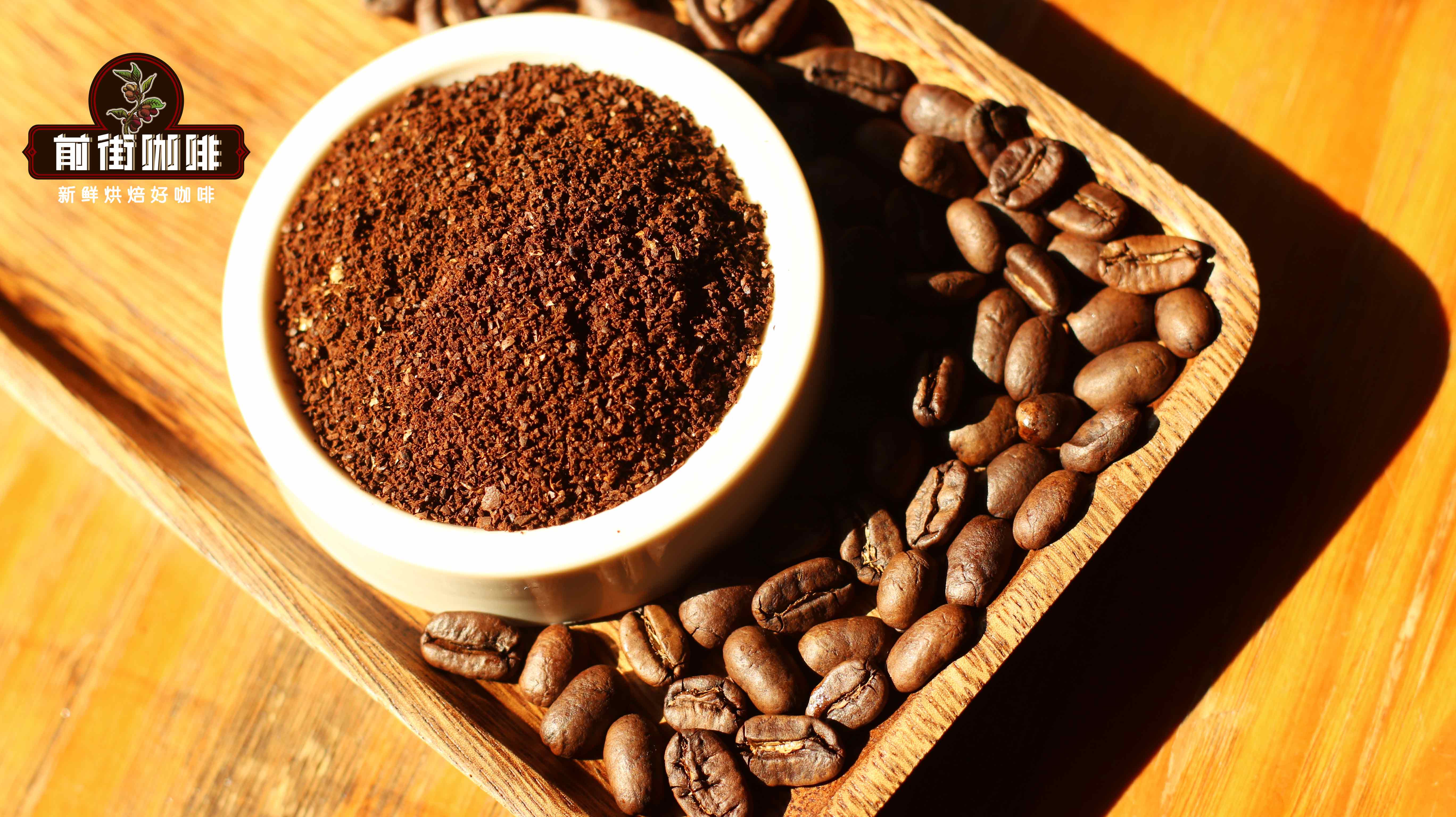
Front Street uses segmented extraction: use 30g of water for a 30-second bloom, pour in a small stream in a circular motion until 125g, then pause; when the water level drops and is about to expose the coffee bed, continue pouring until 225g and stop; when the water level drops and is about to expose the coffee bed, remove the dripper. (Timing starts from the beginning of the bloom.) The V60 dripper extraction time is 2'00", and the Kono dripper extraction time is slightly longer at 2'10".
【Flavor Description】
Front Street PWN Golden Mandheling: Layered and varied, mellow and clean, high balance, rich nutty and caramel aroma, with chocolate notes, and a lasting finish.
Front Street Lintong Mandheling: Herbal and medicinal on the entry, dark chocolate, caramel, sweet aftertaste.
Recommended American single-origin coffee
Finally, for American coffee producing regions, Front Street recommends Front Street Huehuetenango coffee beans (daily drinking beans) from Guatemala. Its coffee beans also use the washed processing method, so the flavor is also cleaner and brighter, suitable for hand-brewing beginners; and the reason Front Street recommends thissingle-origin coffeebean to hand-brewing beginners is that its flavor falls between the previous two, Front Street Ethiopian Yirgacheffe and Front Street Indonesian Mandheling. Front Street mentioned above that Front Street Yirgacheffe's roast level is light, so its flavor expression is less mellow, while Front Street Indonesian Mandheling is a dark-roasted bean, so its flavor expression highlights more mellowness. This Front Street Guatemala Huehuetenango is roasted by the roaster to a medium roast, so its flavor expression is more balanced.
FrontStreet Coffee · Guatemala Huehuetenango Coffee Beans
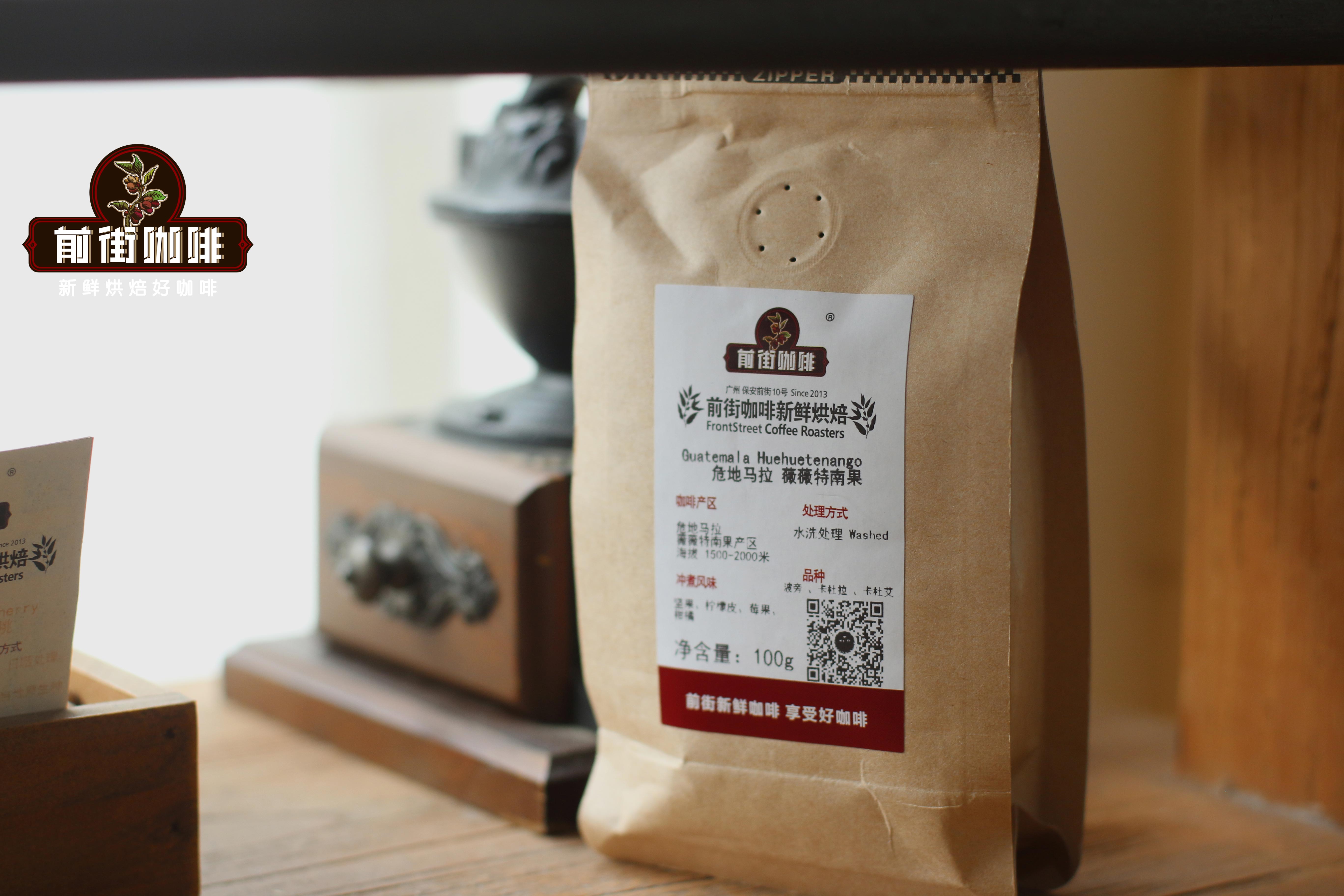
Country: Guatemala
Region: Huehuetenango
Altitude: 1500-2000m
Variety: Bourbon, Caturra, Catuai
Processing method: Washed
Bean appearance: Relatively uniform bean shape
Flavor: Nuts, lemon peel, berries, citrus
FrontStreet Coffee brewing suggestion
The brewing parameters used by Front Street are: V60 dripper, 90℃ water temperature, 1:15 coffee-to-water ratio, 15g coffee dose, grind size (80% passing through No. 20 standard sieve)
Front Street brewing method: 30g water for a 30-second bloom, after the bloom pour in a circular motion until 125g, after the water level drops by half continue pouring until 225g, wait until all the water has dripped through, then remove the dripper. Total extraction time 2 minutes.
The above are Front Street's hand-brewing methods and hand-brewedsingle-origin coffeebean recommendations for all hand-brewing beginners. I hope this article can help all coffee enthusiast friends.
For more specialty coffee beans, please add the private WeChat FrontStreet Coffee, WeChat ID: kaixinguoguo0925
The above content is compiled by CoffeeHunters, a coffee news website.


