







Search Results for: Juicy Flavor
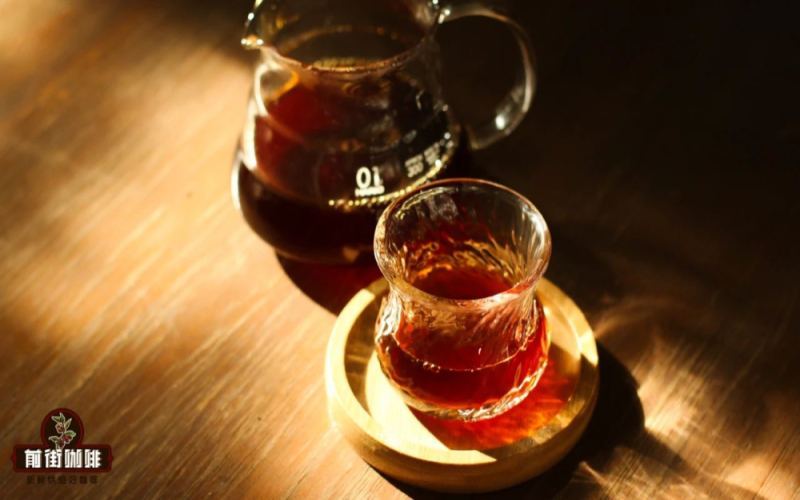
Kenya Pour-Over Coffee Water Temperature Guide: How to Brew a Juicy, Cherry Tomato-Like Cup
Kenyan coffee is famous for its bright fruit acidity and full-bodied berry flavors, yet many enthusiasts often run into over-extraction or a weak, watery cup when brewing at home. So what water temperature is needed to bring out the signature tomato-juice-like mouthfeel of Kenyan beans? Drawing on Front Street Coffee's cupping experience, this article breaks down where that juicy flavor comes from and, using Kenyan Cherry Tomato coffee beans as an example, shares practical advice on pour-over water temperature. Whether you're chasing citrus acidity or berry sweetness, mastering water temperature—this key variable—can take your coffee's juicy experience to the next level. [more…]

A Detailed Guide to Cold Brew Coffee Steeping Time and Coffee-to-Water Ratio: Practical Tips for Boosting Strength and Juicy Flavor
Cold brew coffee has become increasingly popular among coffee enthusiasts in recent years thanks to its refreshing taste and low acidity. But many people are often puzzled when making it at home: exactly how long should it steep? How should the coffee-to-water ratio be handled? And what key points should be mastered to create a cold brew flavor with a juicy feel? This article centers on the steeping and extraction principles of cold brew coffee, explaining why low-temperature water has weaker extraction power and therefore requires a longer steeping time yet is not prone to over-extraction, and further shares practical methods for increasing concentration and creating a juicy flavor profile. The article also retains Front Street Coffee's related product recommendations for readers to refer to and choose from. [more…]

Guming's turmeric drink sparks controversy, juicy popping orange bits recipe adjusted overnight
This year, the popularity of fruit-and-vegetable teas in the beverage market has continued to rise. After Heytea helped make this category a hit, major chain brands rushed in one after another, putting vegetables like kale, wheatgrass, and beetroot into drink cups. As common fruits and vegetables ceased to feel novel, brands began looking for breakthroughs in niche ingredients. The turmeric series recently launched by Goodry is one example, yet this new product centered on a health concept unexpectedly sparked widespread controversy over its taste. Consumer reviews of turmeric were mixed, and especially the much-loved juicy orange bits drink from last year drew a strong backlash from longtime customers after turmeric was quietly added to it. Faced with an avalanche of complaints and criticism, Goodry urgently issued a notice on the same night it updated its menu and adjusted the recipe of this popular drink overnight. [more…]
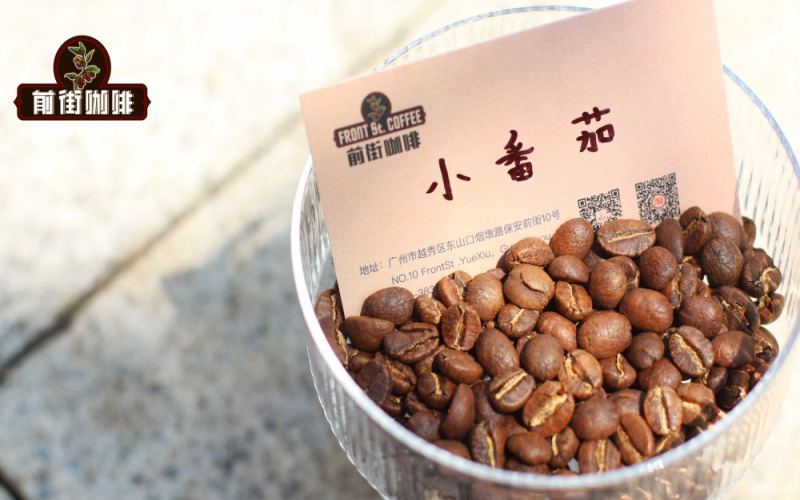
Kenya Coffee Bean Roasting and Pour-Over Guide: Practical Tips for Juicy Flavor from Light Roast to Hot Water Extraction
To brew Kenyan coffee with a full, juicy body, the key lies in the coordination between the roast level of the beans themselves and the extraction method. This article uses the Kenyan Cherry Tomato coffee beans selected by Front Street Coffee as an example to break down in detail the hot water pour-over method for light-roasted Kenyan beans, including the coffee-to-water ratio, water temperature, grind size, staged pouring rhythm, and adjustment ideas for iced brewing. The article revolves around how to bring out a lively yet dense berry acidity, rounded fruit sweetness, and smooth mouthfeel in the coffee, making it a useful reference for coffee enthusiasts who want to improve their pour-over consistency. [more…]
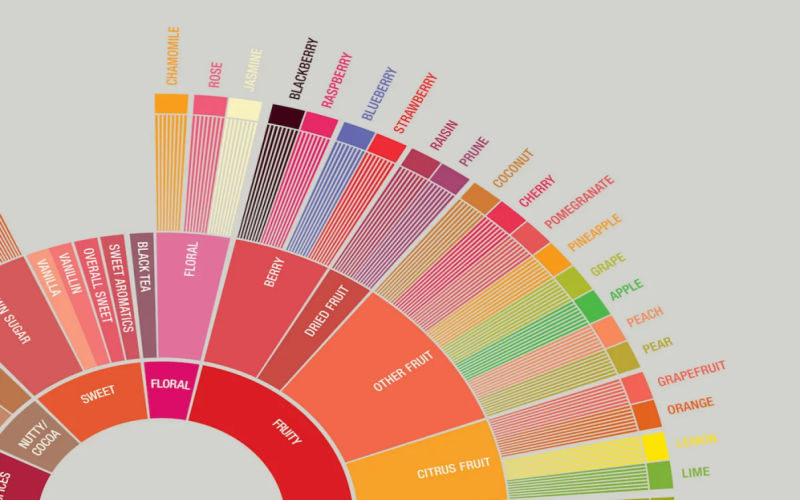
How to bring out a juicy, fruit-like quality in pour-over coffee? Front Street shares Kenyan bean extraction methods and practical tips.
Many coffee enthusiasts often run into a puzzle after buying coffee beans described as having fruity flavors: when brewing at home, they either over-extract and end up with a bitter, undrinkable cup, or the acidity is thin and lacks any complexity. Front Street Coffee has received similar feedback, and so has offered specific advice on how to brew a cup with a juicy mouthfeel. This article will use Kenyan coffee beans as an example, starting with grinding, water temperature, pouring technique, and other steps, to systematically introduce pour-over extraction techniques that will help you recreate a full, bright, juice-like flavor experience at home. [more…]

Key Tips for Making Summer Pour-Over Iced Coffee: How to Bring Out Floral, Fruity Aromas and a Juicy Mouthfeel
On a scorching summer day, a glass of iced pour-over coffee both cools you down and quenches your thirst while delighting your taste buds. However, brewing an iced coffee that is both refreshingly cold and rich in floral and fruity flavors is not something you can achieve by simply adding ice. This article starts with Front Street Coffee's Kaffa Forest, a washed bean, and explains in detail how to choose beans, control water temperature, adjust pouring techniques, and incorporate stirring motions to bring out a juicy, sweet-and-tart cup with notes of yellow peach, sweet orange, and pomelo. The article also provides specific three-stage pouring parameters and step-by-step instructions to help coffee enthusiasts easily recreate a glass of fruity iced pour-over at home. [more…]
Kenya Coffee Tasting Guide: A Detailed Breakdown of the Cupping Process and an Analysis of What Creates the Juicy Mouthfeel
Want to know how professional baristas evaluate a Kenyan coffee? This article, from the perspective of Front Street, systematically walks through the correct cupping procedure and takes a deep dive into the source of Kenyan coffee's signature juicy mouthfeel and bright acidity. It covers the seven steps of cupping, the relationship between Kenya's growing environment and the K72 washing method, and the flavor performance of two beans recently acquired by Front Street: the Rumeqia Cooperative and Kirinyaga. Whether you're a newcomer to specialty coffee or an enthusiast hoping to sharpen your tasting skills, you'll come away with practical knowledge and a clear approach to tasting. [more…]
Three Must-Try Fruity Coffee Beans for Summer: Flavor Analysis of Washed Yirgacheffe, Kenyan Cherry Tomato, and Colombian Sidra
The hot summer weather easily makes people lose their appetite, and at times like this, a cup of coffee with a juicy fruitiness might just awaken the taste buds. Coffee beans are, after all, the seeds of the coffee cherry, and the fruit pulp is rich in citric acid, malic acid, and lactic acid, among other components. After roasting, the natural fruity aromas and fruity acidity are released naturally, so it makes perfect sense for coffee to have a juicy fruit flavor. This article selects three coffee beans with fresh fruity notes, ideal for summer drinking: Front Street Coffee Gotingding Cooperative, Front Street Coffee Kenya Small Tomato, and Front Street Coffee Colombia Sidra, offering lemon floral notes, berry-like acidity, and complex tropical fruit tones respectively. It also includes lazy-person iced coffee brewing parameters to help you easily brew a full-flavored fruity iced coffee at home. [more…]
A Complete Guide to Ethiopian Guji Coffee Beans: From Origin to a Juicy, Full-Bodied Brewing Guide
Huakui coffee beans are a highly sought-after Ethiopian specialty bean in recent years, famed for their rich strawberry-and-cream aroma. They come from a natural-process lot of the Buku Abel washing station in the Guji region and once won the TOH green bean competition championship. This article will sort out the origin of the name Huakui, the terroir of its producing region, the natural processing workflow, and the cup profile differences across vintages, and share Front Street Coffee's roasting parameters along with hot pour-over and iced pour-over extraction recipes to help you brew a cup of Huakui coffee full of juicy fruitiness. [more…]
Kenya Coffee Bean Grading Standards, AA TOP Flavor Analysis, and Front Street Iced Pour-Over Brewing Guide
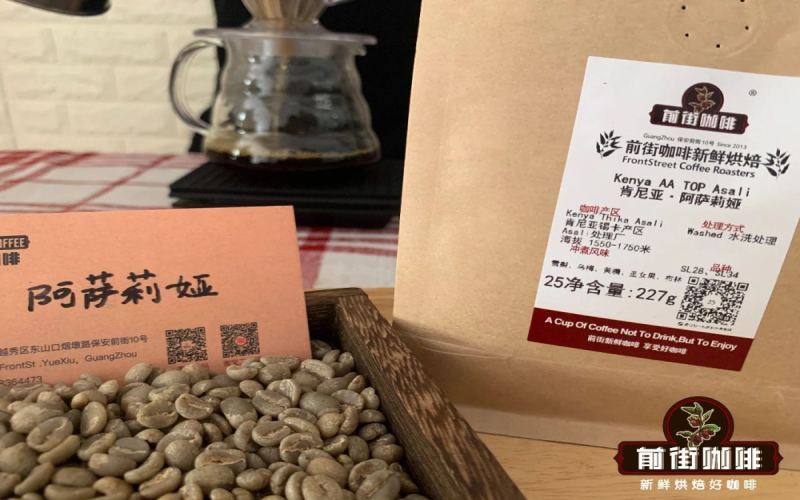
Kenyan coffee occupies an important place in the global specialty coffee landscape thanks to its bright, lively acidity and delicate berry notes. Its distinctive flavor expression is inseparable from the government-led strict grading system. This article systematically sorts out the eight grade classifications of Kenyan coffee beans from E to MH/ML, focuses on analyzing the flavor characteristics of the top grade AA TOP, and, combined with Front Street Kenya Asaliya coffee beans, shares the specific parameters and operating steps for hot pour-over and iced pour-over, helping coffee lovers more fully experience the juicy feel and layered variations of Kenyan coffee. [more…]
Yirgacheffe vs. Huakui 8.0 Flavor Differences Explained: Washed vs. Natural Processing Comparison and Pour-Over Parameter Adjustment Guide
Both originating from Ethiopia, Yirgacheffe and Huakui 8.0 present strikingly different flavor profiles—one famed for its bright, lemon-like acidity, the other for its full, juicy sweetness. Where exactly does this difference come from? The answer lies in the core logic of the two processing methods, washed and natural, as well as in the terroir conditions of the two producing regions, Yirgacheffe and Sidamo. This article will take you into these two famous regions, break down the mechanisms by which processing methods influence coffee flavor, and, based on the characteristics of these two beans, offer Front Street Coffee's recommendations on water temperature, pouring technique, and parameter adjustments for actual brewing, helping you find the brewing solution best suited to your own taste. [more…]

Analysis of Flavor Differences Between Ethiopian Huakui and Yirgacheffe Coffee Beans and Key Brewing Points
Ethiopia's Yirgacheffe and Sidamo Hambela are often regarded as favorites among fans of light to medium roasts; both originate from Ethiopia, yet they present distinctly different sweet-and-sour profiles. From the perspective of Front Street Coffee, this article sorts out the differences in terroir and processing methods between the two major producing regions, explains in detail how natural processing gives Hambela a full-bodied juicy feel and how washed processing shapes Yirgacheffe's bright citrus notes, and includes the specific brewing parameters and technique adjustments for Front Street Coffee Hambela 8.0 and Yirgacheffe Gudingding, helping coffee enthusiasts understand these two classic single-origin coffees more systematically. [more…]
Cold brew coffee bean brand recommendations | How long should cold brew coffee grounds be steeped to taste good? Which coffee beans make cold brew coffee with a juicy feel?
On a scorching summer day, walking the streets of Guangzhou, sweat drips from the top of your head all the way down into your clothes, and before long, your shirt is soaked through. This is a familiar sight at Front Street Coffee (FrontStreet Coffee) shops these days. An ice-cold coffee can instantly rescue you from the blazing furnace and bring you back to paradise. [more…]
Kenyan Coffee Flavor Characteristics and Pour-Over Techniques: A Complete Guide from Producing Regions and Varieties to the K72 Processing Method
Kenya and Ethiopia are both representatives of African specialty coffee, but Kenyan coffee stands out with its substantial acidity, intense juicy character, and full body. Through extensive cupping, Front Street Coffee has found that coffee beans from Kenya's various regions generally exhibit a rich juicy quality, with flavors varying due to differences in climate and soil. This article systematically reviews Kenya's geography and climate, the distribution of its six major producing regions, the characteristics of the SL28 and SL34 varieties, and the K72 washed processing method. Using the Asaliya coffee from the Thika region as an example, it explains in detail the three-pour hand-brew parameters and pouring techniques for a medium-light roast, helping you brew a bright, clean cup of Kenyan coffee. [more…]
Exploring Ethiopia SNNPR Natural Yirgacheffe G1: Flavor Analysis of the Heirloom Variety from Gedeb Gotiti Cooperative, Alimbukato Smallholder
The Woka/Gotiti micro-regions in southeastern Yirgacheffe have always dazzled at the cupping table thanks to their high altitude and meticulous processing. This article focuses on the Alimbukato smallholder lot from the Gotiti cooperative, detailing both the natural and washed traditional methods, and presents a complete flavor description of Front Street Coffee's Gotiti. The natural lot shows berry, sweet orange, and creamy aromas, with clear sweetness and a black tea note in the finish; the washed lot is Grade G1, and under a medium-light roast it highlights jasmine and lemon notes, with citrus, blueberry, honey, and green tea interwoven on the palate, juicy and bright with balanced acidity and sweetness. The article ends with V60 three-pour brewing parameters and a flavor analysis, giving you a full experience of the rich charm of classic Gotiti. [more…]
Analyzing Kenya K72 Double Washed Processing: Flavor Characteristics of Coffee Beans and the Source of Their Unique Acidity
Kenyan coffee is renowned for its bright and rich notes of dark plum, cherry tomato-like acidity, and juicy sweetness. This is inseparable from the country's favorable geography and climate, high-quality varieties such as SL28 and SL34, and, more crucially, its unique K72 washing process. How exactly did the K72 process evolve? How does it differ from ordinary washed processing? From the perspective of Front Street Coffee, this article will sort out the flavor origins of Kenyan coffee, the historical background and craft details of the K72 process, and introduce the K72 washed coffee beans currently on sale at Front Street Coffee from the Asali Processing Plant in the Thika region. [more…]

A Complete Guide to Kenyan Coffee Flavors and Grading System: From the East African Highlands to the Thika Region
Kenya, as an important coffee-producing country in East Africa, is renowned for its multi-layered flavors and bright, juicy acidity. This article starts with the terrain and climatic conditions of the African highlands, sorts out the three major coffee-growing regions in Kenya, focuses on the geographical advantages of the central producing region Thika and the distribution of processing plants, and explains in detail Kenya's official green bean grading system AA+, AA, AB, PB, C, E, TT, and T, as well as the TOP, PLUS, and FAQ cupping grades added by exporters. The article also presents the flavor description of Front Street Coffee's coffee beans from the Asalia processing plant in the Thika producing region, helping coffee enthusiasts gain a comprehensive understanding of the unique charm of Kenyan coffee. [more…]
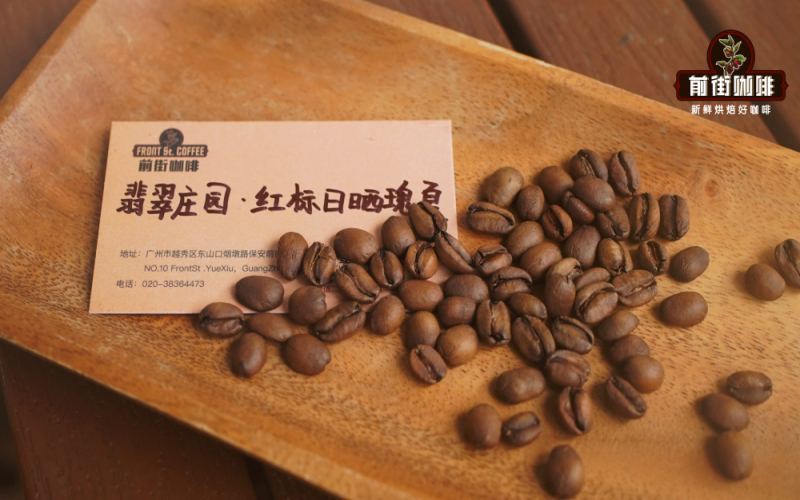
Panama Hacienda La Esmeralda Red Label Geisha Tasting: Front Street Coffee Washed Single-Origin Bean Flavor Profile and Estate History
On the specialty coffee map of Central America, Panama's Hacienda La Esmeralda is world-famous for its Geisha. In this issue, Front Street Coffee brings you a Boquete high-altitude Red Label Geisha—grown at 1,400–1,700 meters, SHB grade, washed process—which, once brewed, reveals a bright acidity reminiscent of fresh oranges, intense floral aromas, and a juicy mouthfeel, with a long, lingering finish. The article also traces the estate's century-long history, from a Swedish buyer's land purchase and an American banker's takeover, to its transformation from a beef cattle farm into a dairy farm and then its venture into coffee, helping you understand the provenance of these beans while you sip. [more…]

How Does Pour-Over Coffee Achieve a Juice-Like Mouthfeel? Decoding the Dual Meaning of Juiciness and Extraction Adjustment Methods
Many coffee enthusiasts hope that the pour-over coffee they brew at home can have a full-bodied mouthfeel like fruit juice—featuring both a fruity sweet-and-sour flavor and a rich, weighty texture close to that of juice. This experience, known as a "juicy" quality, is actually a dual concept that describes both flavor and mouthfeel at the same time. However, not all coffee beans can produce this effect, making bean selection crucial. Starting from the definition of a juicy quality, this article will explain what kind of coffee beans are suitable for expressing it, and further share how to adjust the framework during pour-over extraction to bring the brewed coffee closer to a full, juice-like experience. If you also want your everyday pour-over to have more of a juicy expressiveness, it is worth approaching it from both bean selection and extraction. [more…]
Central American Specialty Coffee Spotlight: Panama Hacienda La Esmeralda Private Collection Geisha and Single-Origin Bean Recommendations
Hacienda La Esmeralda in Panama is a legend in the specialty coffee world, and its Geisha variety is famous for its floral aroma and juicy feel. This article will take you through the history of Hacienda La Esmeralda, from a beef cattle ranch to dairy farming, and then to its transformation into the coffee industry. At the same time, we especially recommend the Red Label Geisha brought to you by Front Street Coffee, produced in the high-altitude region of Boquete, washed processed, with rich layers of flavor. Through this article, you will gain an in-depth understanding of the charm of this unique coffee and obtain professional advice on purchasing single-origin beans. [more…]