







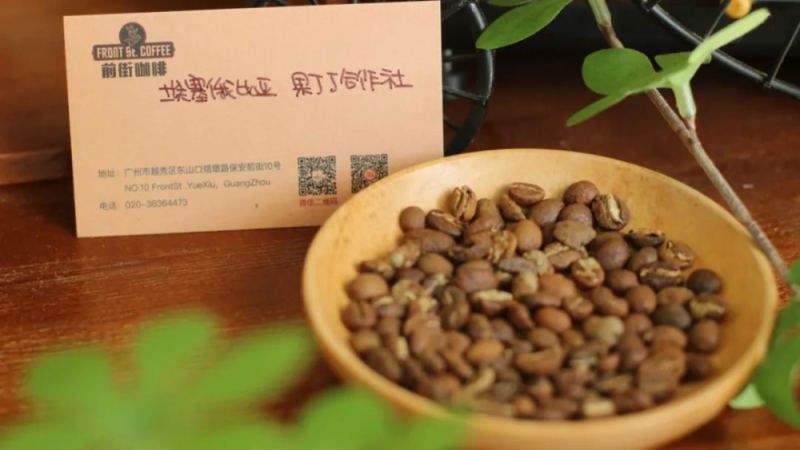
How does black ivory coffee compare to Gotiti heirloom lots?
The Gotiti processing station in southeastern Yirgacheffe produces both natural and washed lots from the Alemu Bukato smallholder heirloom variety. The natural version shows berry, sweet orange, and cream aromas with clear sweetness and a black tea finish. The washed G1 lot, under a medium-light roast, leads with jasmine and lemon, plus citrus, blueberry, honey, and green tea on the palate.
Processing drives those differences. Natural cherries dry on African raised beds for two to three weeks with hand sorting and regular turning, then moisture drops to 11 to 12 percent before export. Washed lots are depulped, fermented one to three days, channel-washed for 30 to 60 minutes, and dried about 14 days. This stands apart from black ivory coffee and luwak coffee made from beans digested by animals.
The Worka/Gotiti micro-region in southeastern Yirgacheffe consistently impresses at the cupping table thanks to its high altitude and meticulous processing techniques. This article focuses on the Alemu Bukato smallholder lot from the Gotiti Cooperative, detailing both the natural and washed traditional methods, and provides a complete flavor description of Front Street Coffee's Gotiti. The natural lot presents berry, sweet orange, and creamy aromas with a clear sweetness and a black tea note in the finish; the washed lot is Grade G1, and under a medium-light roast it highlights jasmine and lemon notes, with citrus, blueberry, honey, and green tea interweaving on the palate—sweet, tart, and juicy. At the end, we include V60 three-pour brewing parameters and flavor analysis to help you fully experience the rich charm of classic Gotiti.
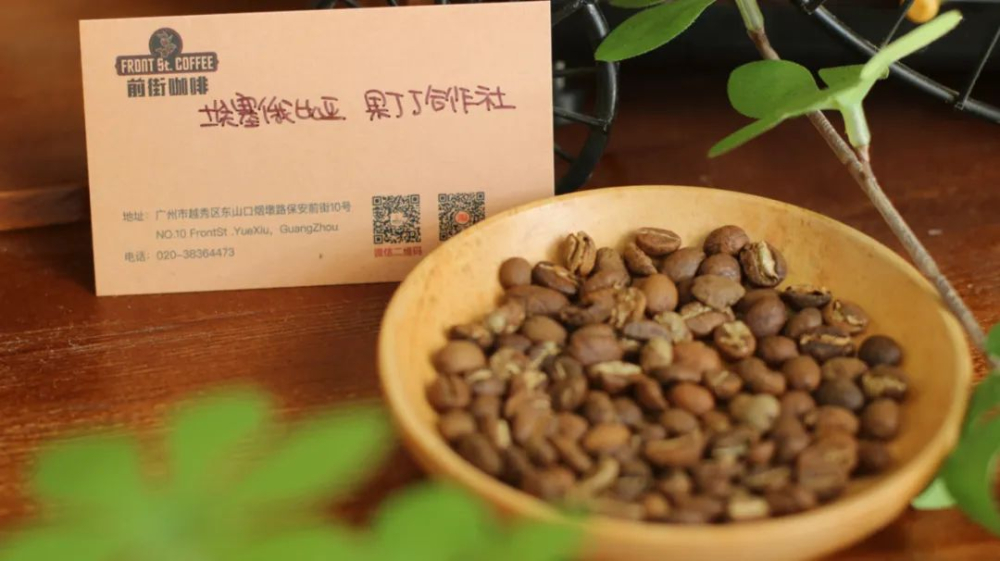
Ethiopia SNNPR | Natural Yirgacheffe G1 | What are the flavors of the Gotiti Cooperative Alemu Bukato smallholder heirloom variety?
The Gotiti processing station Alemu Bukato (Banko Gotiti - Alemu Bukato) produces both natural and washed lots. Under the traditional natural method, farmers deliver coffee cherries to the processing station, where they are spread directly on African raised beds to sun-dry for 2-3 weeks. During this time, underripe cherries are removed by hand, and experienced workers turn the cherries at regular intervals. After drying is complete, the pulp and parchment (mucilage layer) are removed, and the beans are stored in warehouses until moisture drops to 11-12% before export. Front Street Coffee's Gotiti made using the natural method has complex aromas of berries, sweet orange, and cream, with a clear sweetness and a black tea note in the finish.
In the washed process, the skin and pulp of the cherries are first removed using a depulper, then the beans are left to rest in fermentation tanks for 1-3 days until the mucilage layer breaks down (the duration depends on local temperature and humidity conditions). Next, the parchment beans are washed through water channels for 30-60 minutes; through the channel design and water flow, low-density, inferior beans are removed. The high-quality parchment beans are then placed on African raised beds to dry for approximately 14 days. After drying, they are first stored in the processing station's warehouse, and before export the parchment beans are transported to a Dry Mill for hulling.
Front Street Coffee's washed Gotiti is the highest grade, G1, and is roasted to a medium-light level, highlighting jasmine and lemon notes. On the palate, there are flavors of citrus, blueberry, honey, and green tea. It has a refreshing mouthfeel, is sweet, tart, and juicy, and is perfect for summer drinking.
It then undergoes a series of elaborate screening processes including foreign matter removal, silver skin polishing, gravity sorting, and color sorting, before finally being bagged for export. Do you all remember the rich, juicy, and intensely floral sweet-tart flavors of last year's washed Gotiti Village?
Whenever we blind cup Ethiopian coffees at the cupping table, the remote Worka/Gotiti micro-region in southeastern Yirgacheffe always sparks our curiosity and attention, and its quality has never disappointed us. Beyond the advantages of high altitude and environment, after visiting in person we found that they are also very meticulous in their processing methods. The proportion of underripe beans on the sun-dried cherries on each raised bed is much lower than at most processing stations, and the selection of breathable mesh fabric on the raised beds, the thickness of the sun-dried cherries, and other details are all carefully considered. These seemingly ordinary small details can greatly affect quality and flavors in the cup. The region's inherent advantages combined with meticulous processing methods make this micro-region truly unique.
Region: SNNPR Region
Gedeo Zone
Yirgacheffe
Gedeb Woreda
Altitude: 2,020 meters (processing station GPS-measured elevation)
Smallholder cultivation is actually distributed at approximately 1,900 - 2,100 meters
Variety: Ethiopian heirloom
Annual rainfall: 1,500 ~ 2,000 mm
Processing method: Ethiopian traditional refined natural sun-dried processing method
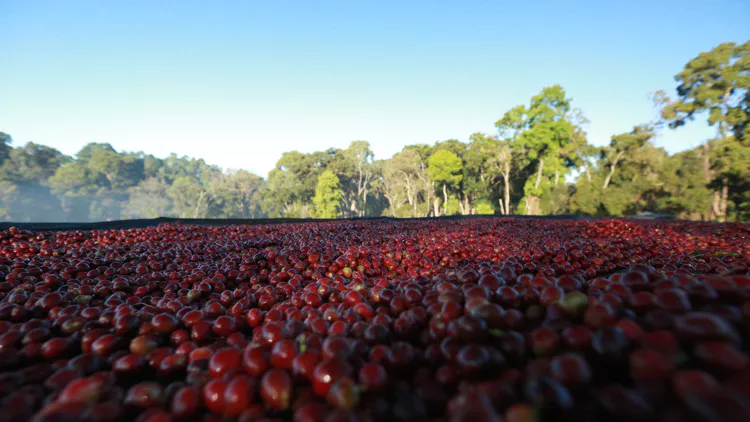
Flavor: The dry fragrance is sweet berry, mango, and peach aromas. On sipping, there are intense blueberry, strawberry, grape, mango, and peach notes. The flavor is rich and powerful; when cooled, it is like a blended juice of blueberry, grape, and white peach. The finish is a long-lasting berry and floral note—the classic Gotiti sweet, juicy, and full-bodied flavor is utterly captivating.
Dripper: Hario V60
Water temperature: 91~93°C
Grind size: fine sugar
Brewing method: water-to-coffee ratio 1:15, 15g coffee, first pour 25g water for a 25s bloom, second pour to 120g water then pause, wait until the water level in the coffee bed drops to half before pouring again, slowly pour until 225g total water, extraction time about 2:00
Analysis: Using a three-pour brewing method clearly defines the coffee's front, middle, and back-end flavors. Because the V60 has many ribs, drainage is faster, and pausing the pour can help extend the extraction time.
The above content is compiled by CoffeeHunters, a coffee news website.


