







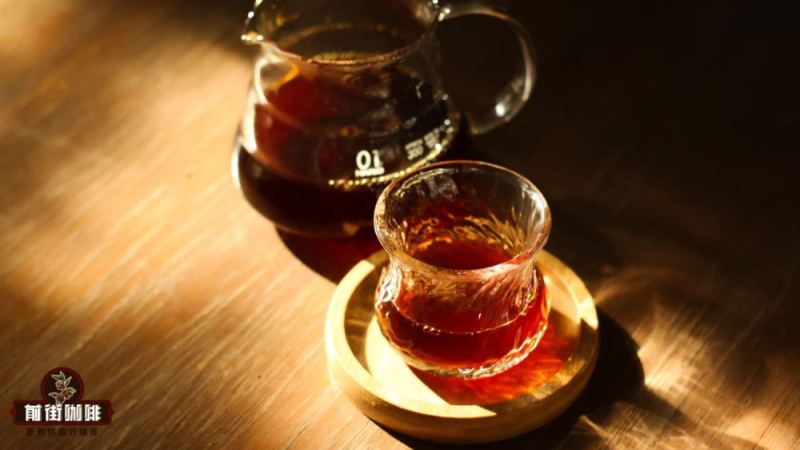
Kenyan coffee is famous for its bright fruit acidity and full-bodied berry mouthfeel, yet many enthusiasts often run into over-extraction or a thin, watery cup when brewing at home. Exactly what water temperature can unlock the signature tomato-juice-like texture of Kenyan beans? Starting from Front Street Coffee's cupping experience, this article breaks down where that juicy mouthfeel comes from, and uses the Kenyan Cherry Tomato coffee beans as an example to share practical advice on pour-over water temperature. Whether you're chasing citrus acidity or berry sweetness, mastering water temperature—this key variable—can take your coffee's juicy experience to the next level.
For more specialty coffee knowledge, please follow the WeChat official account: FrontStreet Coffee
The bright, vivid fruit acidity of Kenyan coffee, along with its full, solid mouthfeel, leaves a deep impression on everyone who tastes it. At Front Street, we've encountered many beans from different growing regions across Kenya during cupping. If high acidity is the soul of a good cup of coffee, then Kenyan coffee is undoubtedly the finest interpreter of that soul. It has another unique trait: most coffees with bright acidity tend to lack a substantial mouthfeel—Ethiopian beans, for instance, are clean and refreshing on the palate—but Kenyan coffee delivers a berry-juice sensation that coats the entire mouth, with a texture reminiscent of tomato juice.
Not long ago, a friend complained to Front Street: the flavor notes on the coffee beans they bought were full of fruit descriptors, yet their own brew either came out over-extracted or with nothing but thin acidity. So they asked Front Street how to brew a cup with that juicy quality.
When tasting coffee, everyone forms different associations based on their own taste preferences and memories. The juicy quality in coffee usually comes from the fruity aromas captured through orthonasal olfaction, combined with the acidity and sweetness brought by retronasal olfaction after swallowing, together creating an experience as if you were eating a piece of fruit.
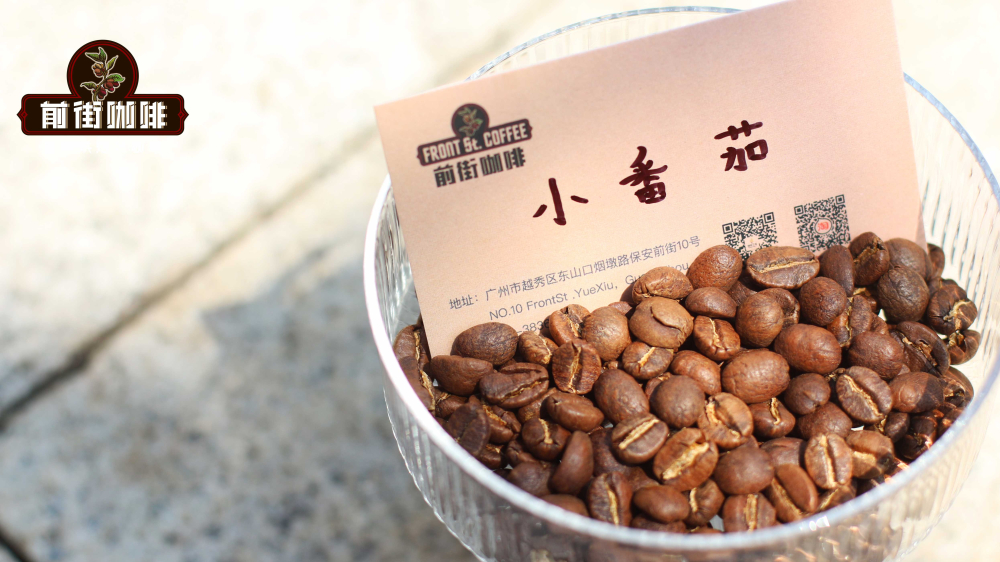
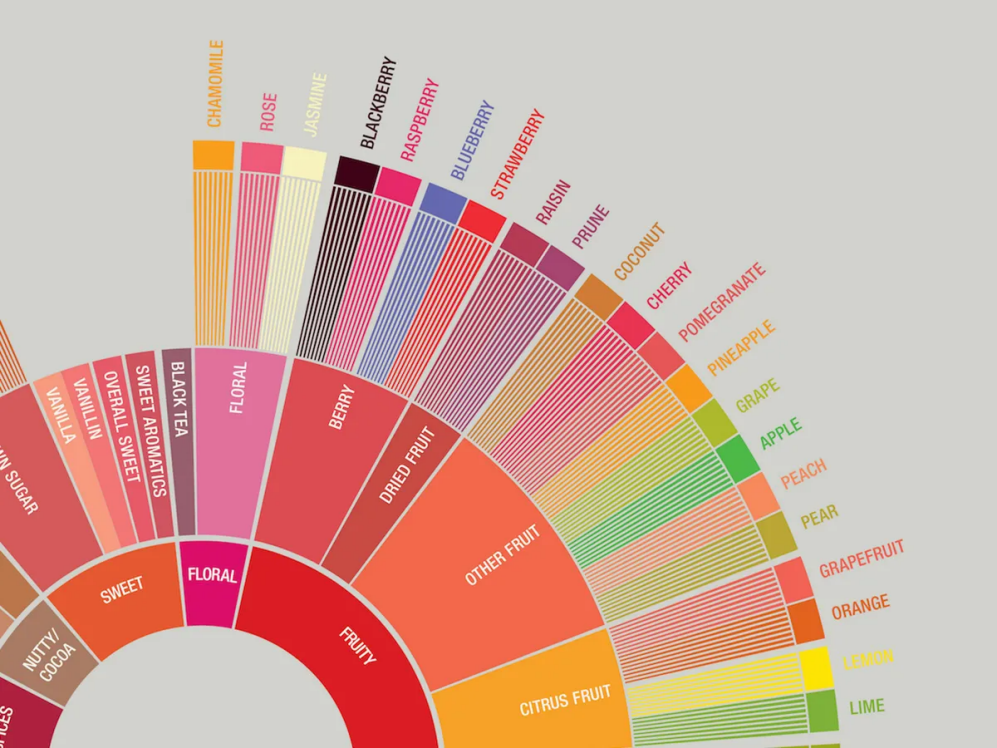
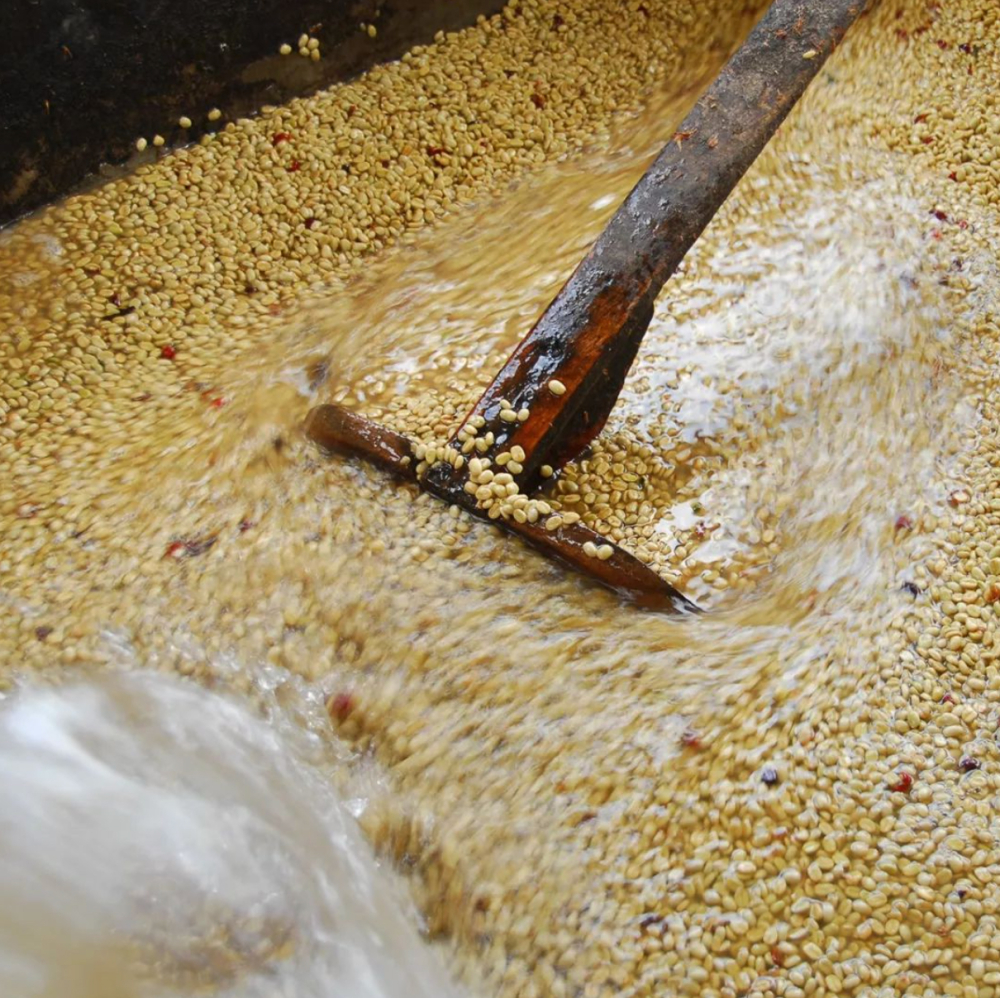
As the saying goes, you can't make bricks without straw. To brew a coffee with a juice-like mouthfeel, the prerequisite is that the beans themselves contain floral and fruity aromatic compounds, and that the roast level happens to preserve acidity while highlighting sweetness. Juicy flavors cover a wide range—citric acid, malic acid, tartaric acid, lactic acid, and so on. Common fruit flavor descriptors include citrus, lemon, passion fruit, apple, honey pomelo, berries, grape, apricot, peach, plum, and more. Here, Front Street has chosen the quintessential representative of juicy coffee—Kenyan Cherry Tomato coffee beans—for demonstration. Kenyan coffee comes from Africa, and quality beans are almost always processed using the washed method. Meticulous roasting better showcases the region's distinctive lemon, citrus, and grapefruit flavors, with a refreshing mouthfeel and a subtle sweet-tart balance.
The above content is compiled by CoffeeHunters, a coffee news website.


