







Search Results for: turmeric

Guming's turmeric drink sparks controversy, juicy popping orange bits recipe adjusted overnight
This year, the popularity of fruit-and-vegetable teas in the beverage market has continued to rise. After Heytea helped make this category a hit, major chain brands rushed in one after another, putting vegetables like kale, wheatgrass, and beetroot into drink cups. As common fruits and vegetables ceased to feel novel, brands began looking for breakthroughs in niche ingredients. The turmeric series recently launched by Goodry is one example, yet this new product centered on a health concept unexpectedly sparked widespread controversy over its taste. Consumer reviews of turmeric were mixed, and especially the much-loved juicy orange bits drink from last year drew a strong backlash from longtime customers after turmeric was quietly added to it. Faced with an avalanche of complaints and criticism, Goodry urgently issued a notice on the same night it updated its menu and adjusted the recipe of this popular drink overnight. [more…]

The Evolution of Milk Tea Toppings: From Tapioca Pearls to Duck Shit Aroma, the Three CoCo Brothers and the History of Boba Milk Tea
Ordering a milk tea now, pudding, pearls, and grass jelly are already standard options. Thirty years ago, the earliest milk teas were far less elaborate. Starting from 1987, when Taiwan's Chun Shui Tang dropped tapioca pearls into milk tea, the matter of adding toppings has gone through a long process of being banned, recombined, cross-industry experimentation, and a rotating lineup of niche fruits. CoCo都可 combined pearls, pudding, and grass jelly into one drink, giving rise to the now-familiar "Milk Tea Three Brothers." Nowadays the direction of toppings has shifted again—lemon tea is actually more popular without toppings, and new faces like Yashixiang, bergamot, turmeric, and peach gum have appeared one after another. This piece reviews the key milestones in milk tea toppings and also shares some observations from Front Street Coffee on current tea beverage trends. [more…]
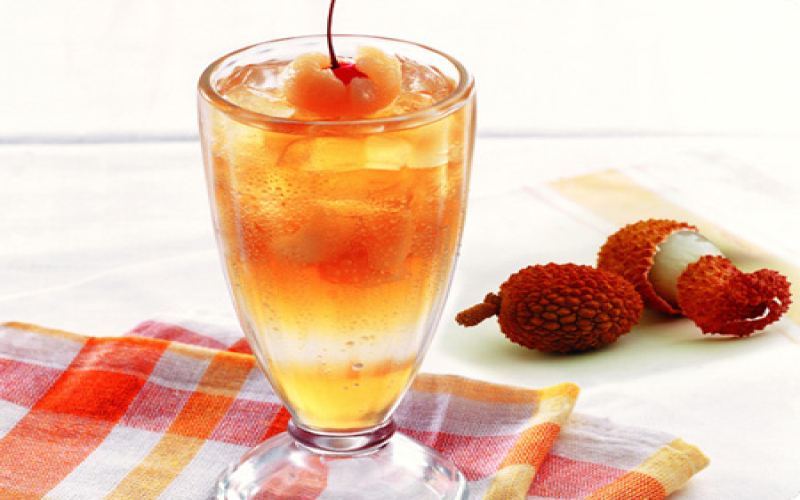
Which categories do lychee black tea, Earl Grey, and jasmine green tea belong to? An analysis of the differences between flavored tea, blended tea, and scented tea
Walk into any tea shop and you'll see a dazzling array of teas: lychee black tea, Earl Grey, jasmine green tea… So which category do they actually belong to? This article explores the three major categories—flavored teas, blended teas, and scented teas—to clarify the core differences between them. Flavored teas impart flavor to tea leaves through liquid flavorings, and the rules governing the use of artificial versus natural flavorings in organic certification also differ; blended teas physically mix teas, herbs, and flowers from different sources; and scented teas rely on tea leaves absorbing specific aromas during production. Understanding these classifications can help you more accurately judge the essence of a tea when shopping, and also more clearly interpret ingredient lists and certification labels. [more…]
Top Ten Specialty Coffee Beans in the World: A Flavor Journey from Panamanian Geisha to Hawaiian Typica
On the world map of specialty coffee, there are always some beans that become legends thanks to their unique flavors and scarce yields. This roundup by Front Street Coffee of the world's top ten specialty coffee beans covers classics ranging from Panama's Hacienda La Esmeralda Geisha to Hawaii's Kona Mystery Typica. Among them, some dominate cupping competitions with floral and citrus notes, some captivate literary giants and politicians with lychee and citrus aromas, and others create an irreplaceable taste of place through distinctive processing methods. Whether you are an acid-loving type or a full-bodied devotee, this list is worth savoring carefully. Next, let us approach these dazzling stars of the coffee world one by one, and see which ones you have already met on the tip of your tongue. [more…]