







What Makes a Juicy Coffee Extraction Happen in Pour-Over?
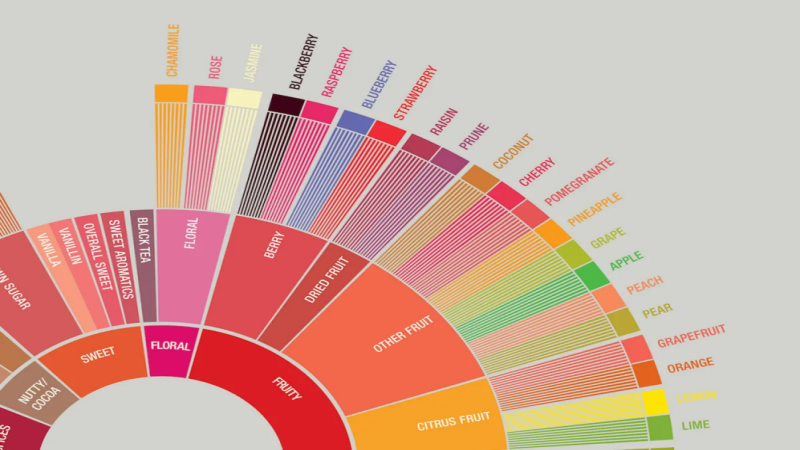
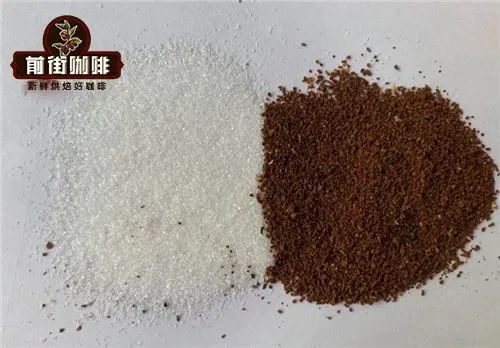
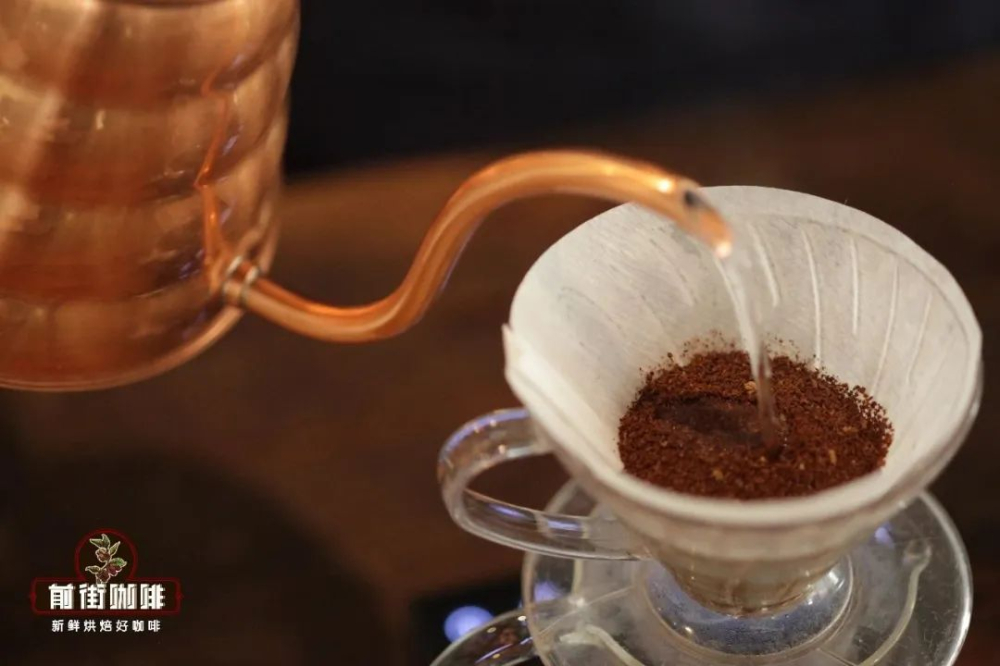
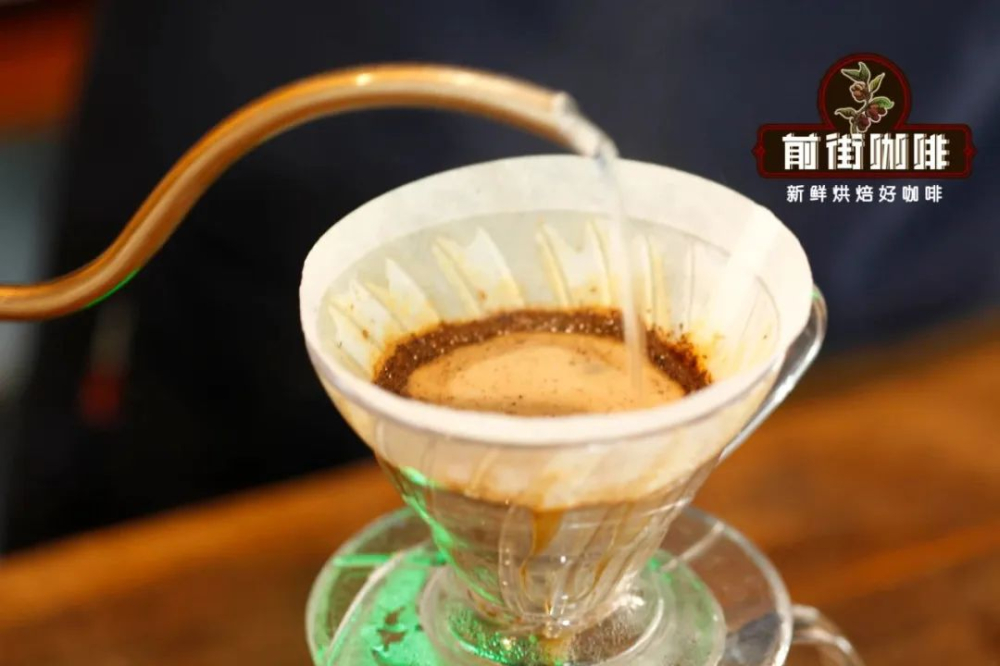
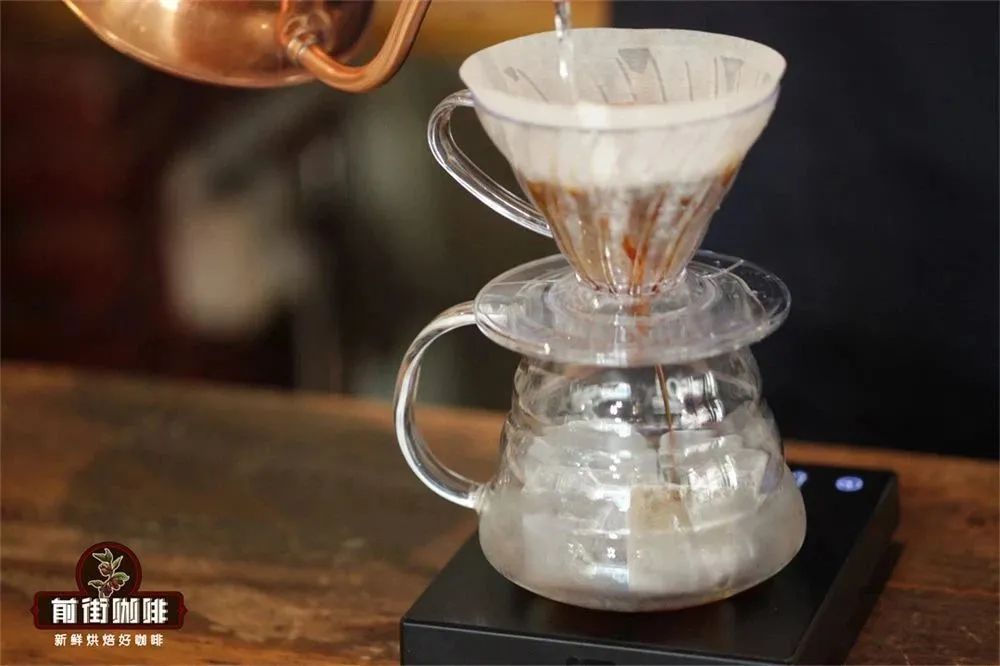
A juicy, fruit-like cup comes from even extraction, not from a single trick. Front Street Coffee advises adjusting grind size, water temperature, and pouring technique together, using Kenyan beans as the example. Too fine a grind or water that is too hot pulls out bitterness; too coarse or too cool leaves thin acidity with little sweetness.
Water temperature for brewing coffee usually sits in a moderate range that coaxes fruit acids out without scorching them, so start there and change one variable at a time. Keep the pour steady and the bed level, taste the result, then adjust grind slightly finer or coarser until the cup tastes bright and full rather than sharp or hollow.
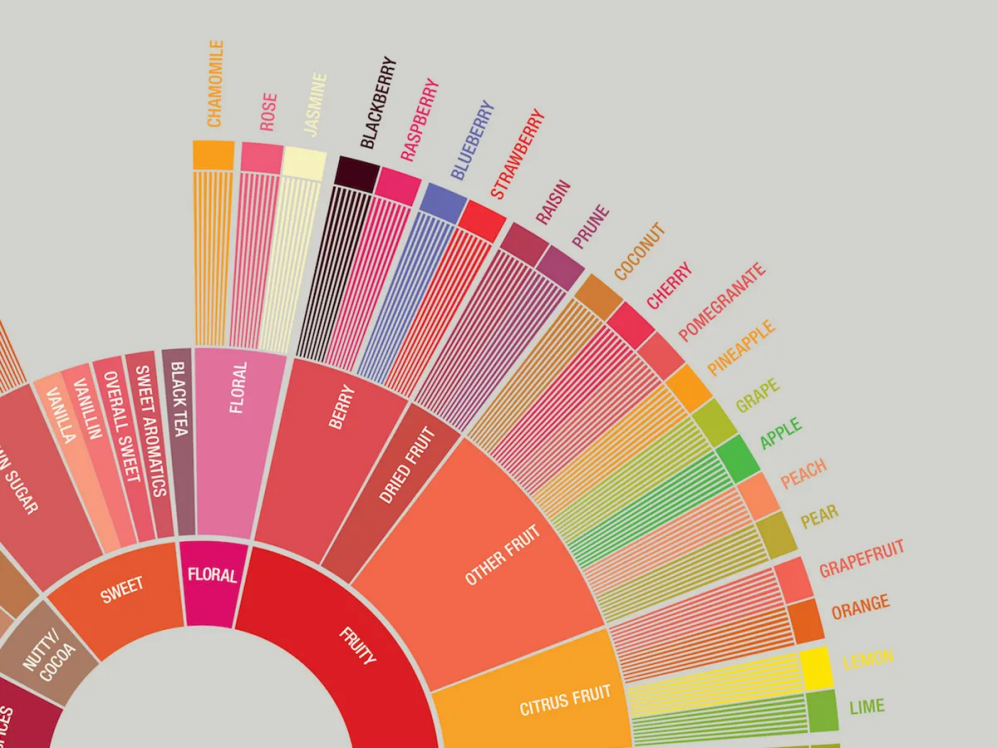
Many coffee enthusiasts often encounter a dilemma after purchasing coffee beans described as having fruity flavors: when brewing at home, they either over-extract, resulting in a bitter and unpalatable cup, or end up with thin acidity and no complexity. Front Street Coffee has received similar feedback and has therefore offered specific advice on how to brew coffee with a juicy mouthfeel. This article will use Kenyan coffee beans as an example, covering aspects such as grinding, water temperature, and pouring technique, to systematically introduce pour-over coffee extraction techniques, helping you recreate a full, bright, juice-like flavor experience at home.
Front Street Coffee previously received a message from a friend: every time he selected coffee beans, the flavor descriptions were filled with various fruity notes, but when it came to brewing himself, the result was either over-extraction or acidity that was thin and lacking sweetness. So he specifically asked Front Street how to bring out the juicy quality of coffee.

- END -
The above content is compiled by CoffeeHunters, a coffee news website.


