







Search Results for: Jasmine-Scented Coffee Beans
What flavor does jasmine-scented Phoenix Dancong have? A complete guide to Phoenix Dancong aroma types, tasting, and storage
Phoenix Dancong has always been famed for its rich aromas, among which the jasmine-scented type is especially unforgettable after just one sip. Starting from the actual flavor of light-aroma Phoenix Dancong, this article guides you through why it can present a pure fragrance almost like a natural bouquet, and what main types Phoenix Dancong can be divided into according to aroma profile. The article also explains in detail the flavor differences between spring tea and snowflake tea, suggested brewing parameters, its effects on health, and key points for everyday storage. Whether you are a beginner just getting to know Dancong or a tea lover wanting to learn more about floral-style oolong, you will find practical reference information here. Front Street Coffee will also draw on years of tea-selection experience to sort out these key points for you. [more…]
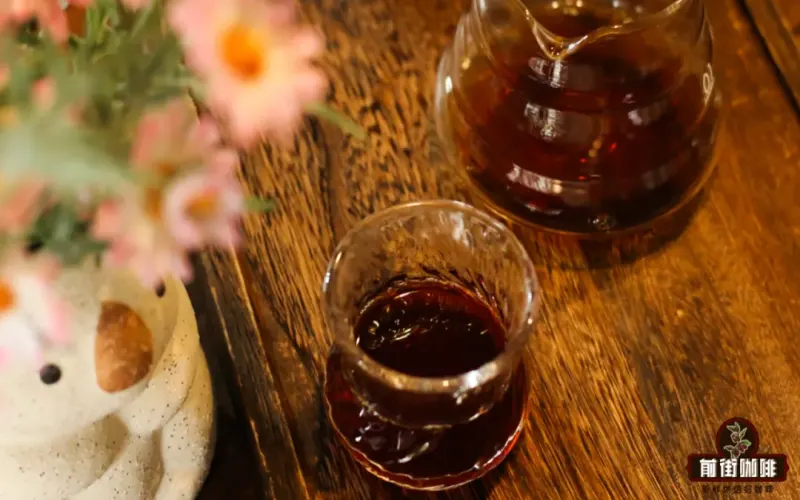
Why Do Coffee, Tea Aromas, and Floral Notes Always Go Together? Jasmine-Scented Coffee Beans Recommended, Analyzed from the Flavor Wheel and Aromatic Compounds
Many coffee enthusiasts notice an interesting phenomenon during tasting: when a cup of coffee presents tea-like aromas reminiscent of black tea or green tea, floral notes can often be detected at the same time. This is no coincidence—tea and floral aromas largely overlap at the molecular level. This article starts with the new flavor wheel shared by Front Street Coffee, combines it with a scientific analysis of aromatic compounds in tea, explains why black tea is classified under the "floral" category, and further sorts out the floral compounds commonly found in green tea, black tea, and oolong tea, such as cis-methyl jasmonate, β-ionone, β-damascenone, nerolidol, and more. Once this pattern is understood, it can also become a useful trick for capturing coffee flavors. At the end, Front Street Coffee will recommend several coffee beans that easily express tea and floral notes, including Boquete Geisha, Yirgacheffe Gudingding, and Colombia Walking Geisha, and explain how origin, altitude, processing method, and roast level affect flavor expression. [more…]
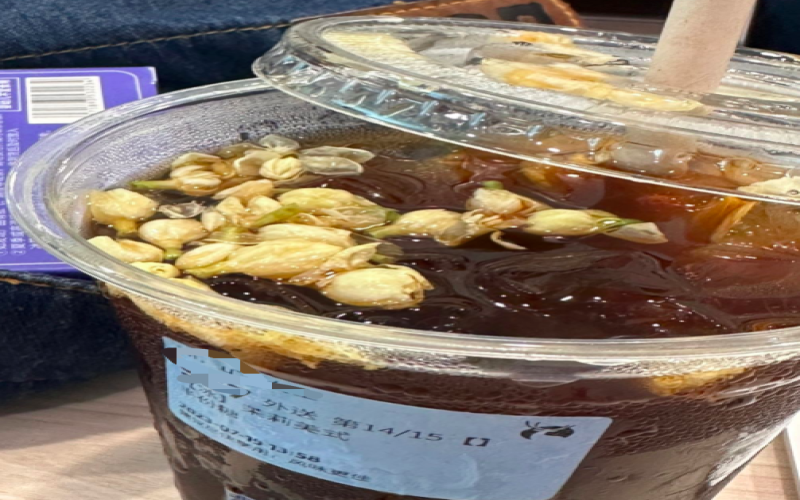
Luckin Jasmine-Scented Americano Relaunched, Intense Jasmine Aroma Sparks Divided Opinions
Last summer, Luckin Coffee launched a jasmine Americano that was hastily taken off the menu just four days after its debut, sparking plenty of speculation. Now this tea-coffee hybrid has returned under the name "Jasmine Aroma Americano," still made with a blend of double-petal jasmine tea infusion from Hengzhou, Guangxi, and coffee liquid, but without the dried jasmine flowers that once garnished the cup. The relaunched product quickly set off a check-in craze, with endless discussion on social media. Some praise its rich floral aroma and find it smoother than last year's version, while others complain it tastes too heavily of artificial flavoring, like something you'd smell in household products. Is this tea-coffee drink—"all aroma, no flower"—a sincere comeback or just a pale imitation? Let's take a look at the real feedback from the first wave of tasters. [more…]

Hacienda La Esmeralda Geisha Full Guide: Flavors of the Three Producing Regions, Red/Green/Blue Label Grading, and Pour-Over Guide
Geisha coffee began in the primitive forests of Ethiopia, and after passing through many countries, it shot to fame by winning the 2004 BOP competition with Panama's Hacienda La Esmeralda, becoming a legend in the specialty coffee world ever since. This article systematically traces Geisha's origins and spread, explains its strict requirements for growing conditions, and compares the cultivation backgrounds and flavor differences of Geisha from Colombia, Costa Rica, and Ethiopia. The article also details Hacienda La Esmeralda's grading standards for Red Label, Green Label, and Blue Label, as well as market changes such as the discontinuation of Blue Label and the emergence of Volcanic Rock, and at the end includes Front Street Coffee's V60 three-stage brewing parameters and complete flavor descriptions of four Geisha coffees to help you truly understand this famous jasmine-scented bean. [more…]
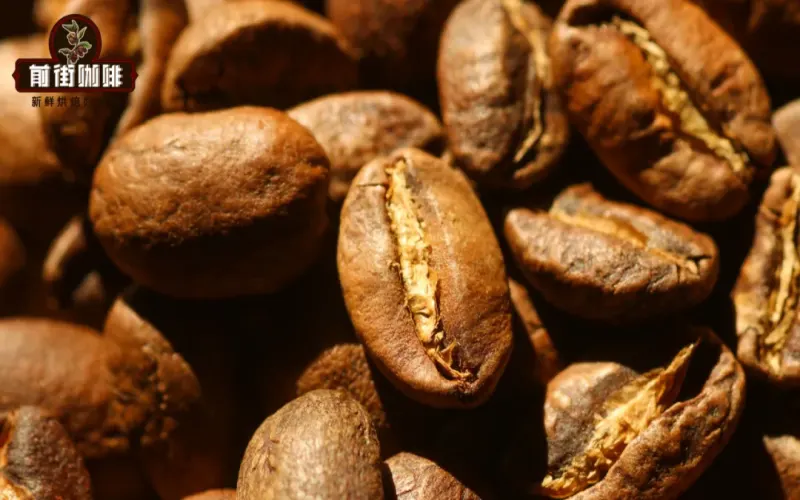
How does the roast level shape coffee flavor? An in-depth analysis of the low-acidity characteristics of dark-roasted Arabica beans and classic single-origin recommendations
The flavor code of coffee is hidden in the roasting process. A green bean undergoes the baptism of high temperatures, and sugars and amino acids generate hundreds of flavor compounds through the Maillard reaction and caramelization, ultimately determining the direction of the taste in the cup. Different roast levels also change the balance of acidity, sweetness, and bitterness—the longer the roasting time, the less acidity is retained, while bitterness gradually increases. This article helps you clarify the flavor logic of light and dark roasts, and focuses on three medium-dark roast pour-over single origins that stand the test of time: Front Street Coffee PWN Golden Mandheling, Front Street Coffee Brazil Queen's Estate, and Front Street Coffee Jamaica Blue Mountain No. 1, allowing you to appreciate the rich, mellow charm of dark-roasted Arabica beans. [more…]
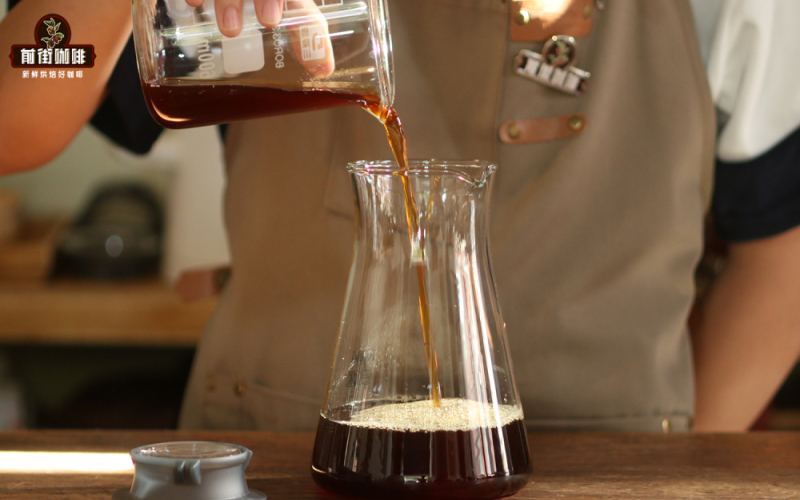
What's the Difference Between Cold Brew Coffee and Iced Americano? A Full Breakdown of Low-Temperature Extraction Flavor Characteristics, Cold Brew Making, and Storage
Although cold brew coffee and iced Americano are both iced coffee drinks, the core difference lies in the extraction temperature: cold brew uses low-temperature long-steeping, while iced Americano is hot espresso diluted with water and then poured over ice. Low-temperature extraction reduces the release of bitter compounds while fully preserving the sweet and sour flavors, so cold brew tastes cleaner and fuller; Americano, on the other hand, is rich, bold, and robust. This article explains in detail the brewing principles and flavor differences of the two, and shares a cold brew coffee brewing tutorial, suitable coffee bean choices, and storage period recommendations, helping you understand and make cold brew coffee more professionally. [more…]
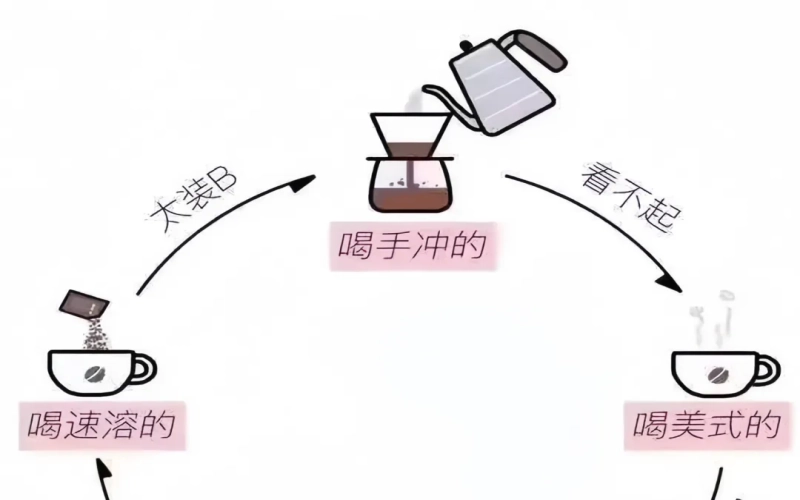
What Is Black Coffee? The Real Difference Between Americano and Pour-Over, and How Espresso Is Made
Americano and pour-over both belong to the black coffee camp, yet they are often compared side by side to determine which is superior, even giving rise to the stereotype that "Americano is inferior to pour-over." This article, from the perspective of Front Street, first clarifies the respective definitions and brewing logic of Americano and pour-over coffee, then breaks down where this prejudice comes from across three dimensions: bean selection, price, and operation. The article also explains that blended beans are not necessarily inferior to single-origin beans, that Americano may actually cost more, and the technical difficulty behind espresso production, helping readers understand that the two types of coffee are inherently equal and that a hierarchy of contempt should not exist. [more…]
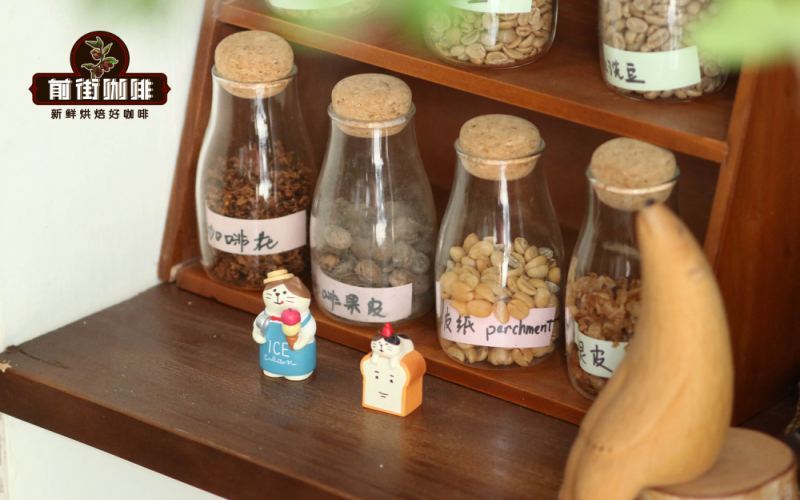
How to Choose Between Natural, Washed, and Honey Processing? A Complete Analysis of Coffee Bean Processing Steps, Flavor Differences, and Historical Origins
The same coffee cherry, processed in different ways, can end up tasting completely different in the cup. Natural processing often brings out more pronounced fermented sweetness and greater complexity, while washed processing usually delivers a cleaner cup and brighter acidity. Methods adapted to local conditions, such as honey processing and wet hulling, also play their own roles in different origins. How are these processing methods carried out step by step? Why do they have such a big impact on flavor? From the structure of the coffee cherry, to the fine details of natural and washed processing, and on to the history and standardization considerations behind the birth of these methods, this article will systematically sort through the steps, flavor differences, and origins of processing methods such as natural, washed, and honey processing, while weaving in the flavor characteristics of several representative Front Street Coffee beans, to help you understand more clearly the relationship between processing methods and coffee flavor. [more…]
How Long is the Freshness Period of Green Coffee Beans? Distinguishing New Beans, Old Beans, Aged Beans, and Vintage Beans, and Key Storage Points
Many coffee enthusiasts know that roasted beans should be drunk fresh, but green beans also have their own levels of freshness. Beans harvested in the current year are called new crop, those from the previous year are old crop, and those stored for more than a year are aged beans. The moisture content of green beans directly affects roasting difficulty and flavor performance. Washed beans usually range between 11.5% and 12.5%, wet-hulled Mandheling can reach 13%, and sun-dried Mocha varies widely. Beyond the usual freshness changes, there are also deliberately extended aging processes and monsoon-aged weathered coffees. This article focuses on the freshness classification of green beans, differences in moisture content, methods for judging appearance and aroma, and the handling logic behind aged beans and monsoon beans, to help you make more accurate judgments when buying and storing. [more…]
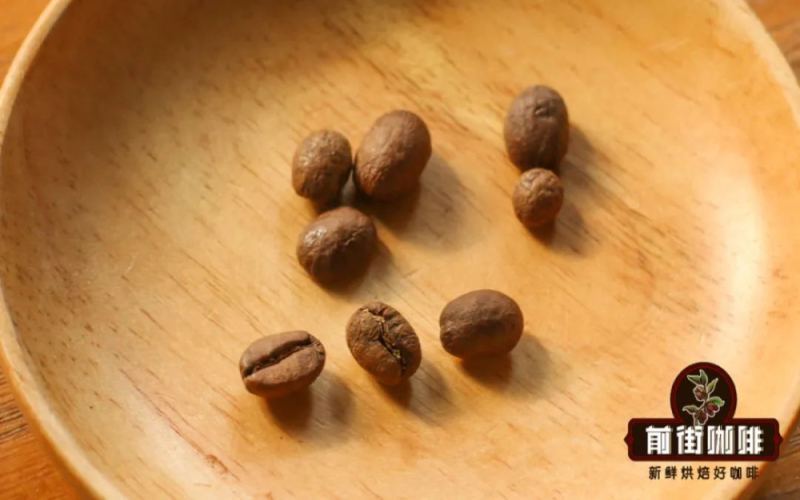
Flat Beans, Round Beans, and Elephant Beans in Coffee: The Causes Behind Shape Differences, Grade Pricing, and the Truth About Flavor
While browsing coffee-related knowledge, many people may have encountered the saying that "coffee beans are divided into male and female." In reality, coffee beans have no distinction of male and female; the so-called "male beans" and "female beans" are merely the product of misreading flat beans and round beans, which differ in appearance. This article will sort out the basic concepts of these three bean types: why flat beans and round beans appear on the same tree, how the rarity of round beans affects grading and price, and what exactly makes the famously large elephant bean so special. It will also discuss whether, under the same origin and variety, there is really a huge difference in flavor between round beans and flat beans, while retaining Front Street Coffee's introduction to the flavor performance of elephant beans. [more…]

Should You Sort Out Defective Beans Before Brewing Coffee? Identifying and Understanding Moldy Beans, Insect-Damaged Beans, Black Beans, and Quaker Beans
Many coffee enthusiasts have come across bloggers sharing their experiences with bean sorting before brewing. The main purpose of sorting beans is to remove defective beans that carry negative flavors. This article focuses on this topic, systematically outlining the types, causes, and identifying characteristics of common coffee defects, including moldy beans, insect-damaged beans, black beans, and the more unusual quaker beans, while explaining their specific impact on coffee flavor. It also addresses a practical question: if the chosen merchant is reliable enough and the beans have undergone multiple rounds of sorting before and after roasting, is it still necessary to sort beans by hand yourself? Drawing on Front Street Coffee's sorting process and a 15g Panama Boquete Geisha as an example, the article offers a useful reference answer. [more…]
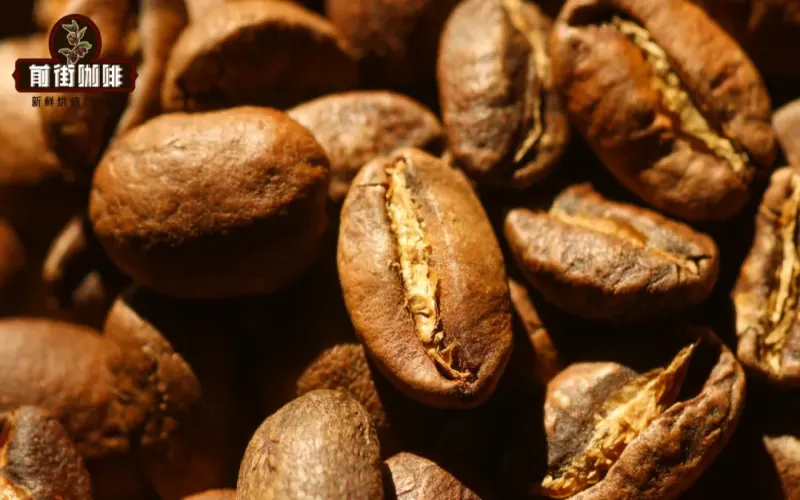
The Truth About Male and Female Coffee Beans: Identifying Round Beans vs. Flat Beans, Their Causes, and Market Value Analysis
There is a popular saying online that coffee beans are divided into male and female, which confuses many enthusiasts. In fact, coffee beans have no gender differences; the so-called "male beans" and "female beans" are simply round beans and flat beans with different shapes. This article will trace the origin of this claim, explain the reasons for the formation of round beans, and analyze their special status in coffee grading and pricing. At the same time, we will also discuss whether there is really a difference in flavor between round beans and flat beans, and why most producing regions do not specifically screen for round beans. By understanding these basic facts, you will be able to view differences in coffee bean shapes more rationally and no longer be misled by marketing talk. [more…]
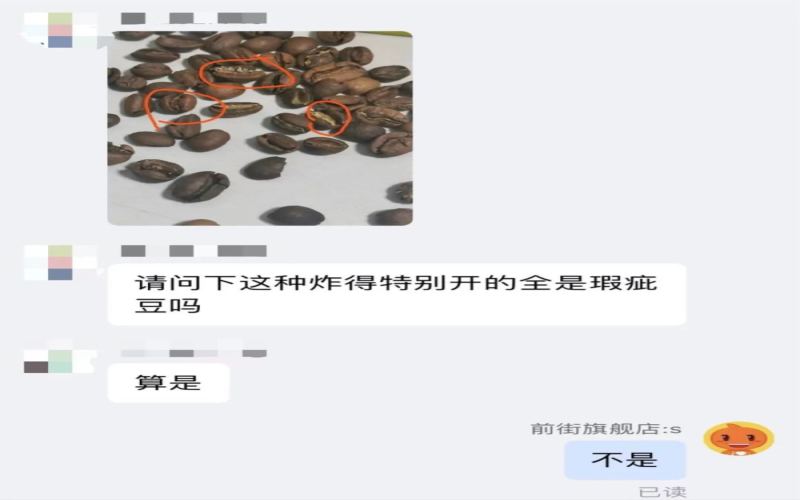
Guide to Identifying Coffee Defect Beans: Analysis of Several Bean Types Commonly Misjudged by Consumers and Their Causes
Many pour-over coffee enthusiasts often have doubts about the appearance of the beans after purchasing single-origin beans, and even mistake normal beans for defective ones. There are two main reasons for this misunderstanding: first, consumers who only come into contact with roasted beans rarely see truly defective beans; second, they treat coffee beans as products of an industrial assembly line, assuming they have a fixed standard appearance. In reality, most defective beans are already controlled at the green bean stage, and after roasting there is also manual sorting. This article will systematically sort out the definition of defective beans, the defect rate requirements in green bean grading, and focus on explaining several commonly misjudged situations such as peaberry, burst beans, uneven color, and shriveled wrinkled beans, to help readers view the appearance of coffee beans more rationally. [more…]
Do Coffee Beans Really Have Male and Female Types? Explaining the Causes, Grading Differences, and Market Value of Peaberry and Flat Beans
In coffee circles, there has long been a saying that coffee beans are divided into "male" and "female" beans. Some people call oval beans "male beans" and flat beans "female beans," and use this to drive up the price of round beans. However, the truth is that coffee beans have no gender distinction. The difference between round beans and flat beans comes from whether the ovule was successfully pollinated during fruit development. Round beans are sought after because they are rare, but they show no significant flavor difference from flat beans of the same variety from the same origin. This article will systematically sort out the origin of round beans, their particle size characteristics, the logic of grading and pricing, and the actual attitudes of various producing regions toward round beans, to help you view this special bean shape rationally. [more…]
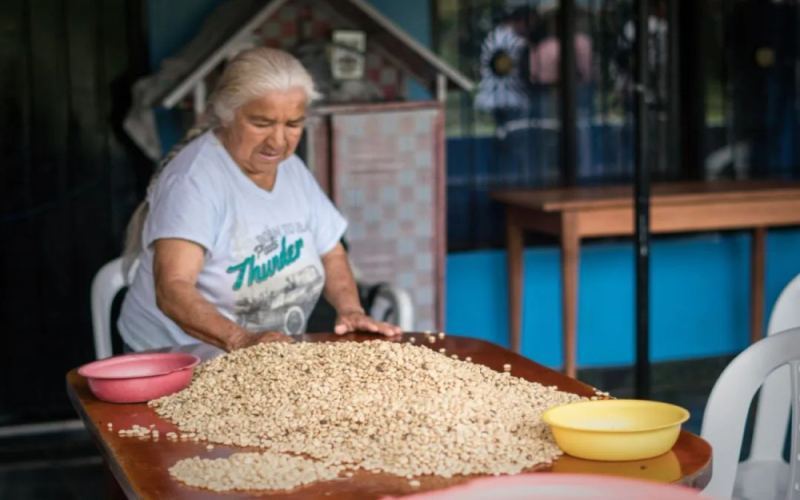
Do defective beans really change coffee flavor? From grading to roasting, we teach you to accurately identify various coffee bean defects.
Defective beans are generally considered in the specialty coffee world to affect the flavor performance of a cup of coffee. If you have the habit of buying coffee beans and brewing at home, do you need to specifically pick out defective beans before brewing? In fact, green coffee beans undergo grading after processing, and most grading systems include a defect rate indicator. The number of defects in high-grade coffee beans has already been pressed to a very low level. From green bean grading, removal before roasting, to screening after roasting, with layer upon layer of checks, there is basically no need to worry about defective bean issues when buying roasted single-origin coffee beans. However, some coffee beans that look like defects are actually normal phenomena. Front Street Coffee has summarized several common types of situations that are easily misjudged, to help everyone distinguish them accurately. [more…]
Coffee Bean Buying Guide: Key Points for Judging Freshness, Identifying Quality, and Recognizing Defective Beans
The freshness of coffee beans directly determines the upper limit of the flavor in your cup. Starting from practical buying tips, this article teaches you how to tell whether beans have absorbed moisture or oxidized by squeezing them by hand, chewing them, and smelling their aroma, and explains why freshly roasted beans need to rest for a week before being brewed. At the same time, the article also introduces the consistency differences between single-origin beans and blend beans in terms of particle size and color, as well as the spoilage signal indicated by oil appearing on light-roast beans. In addition, the article lists common types of defective beans, including fermented beans, dead beans, black beans, insect-bored beans, and broken beans, to help you quickly screen out high-quality coffee beans by appearance. It is recommended to buy only as much as you can consume within half a month, and the related products from the Front Street Coffee brand are also worth paying attention to. [more…]

Freezing Coffee Beans for Storage | Should Coffee Beans Be Stored in the Refrigerator? Why Freeze Coffee Beans? How Should Coffee Beginners Store Coffee Beans Daily?
"Front Street Coffee recently noticed a topic in our chat group." How do you all store your coffee beans after buying them? In the fridge! I've seen many coffee experts keep their beans in the fridge. But won't the beans get damp in the fridge? The fridge is dry! (So Front Street Coffee interviewed various coffee beans 🎤) [more…]

Espresso Bean Grind Size | What is the coffee-to-water ratio for extracting espresso from espresso beans? Can espresso beans be used to make pour-over black coffee?
Friends who often follow Front Street should know that Front Street focuses on freshly roasted coffee. Freshly ground coffee is not the same as fresh, and of course, the fresher the better is not always true. Front Street generally provides coffee beans that are two to three days past the roast date. Coffee beans that have rested for a few days can better express their true flavors when brewed. Front Street not only offers single [more…]
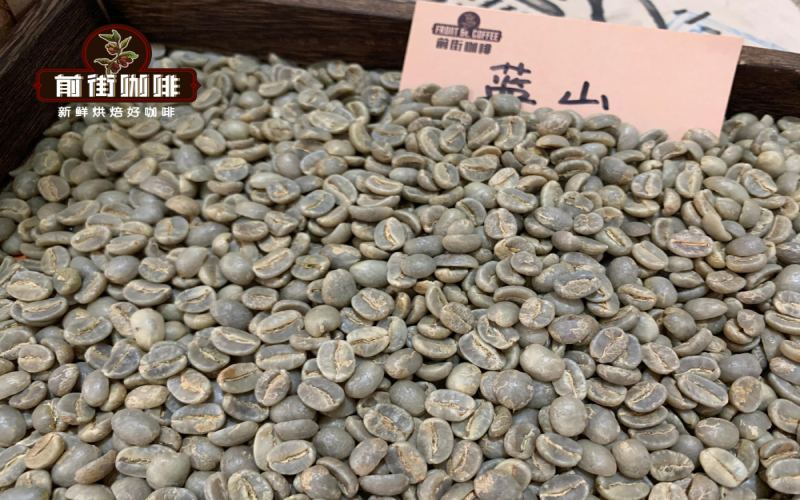
Comprehensive Guide to Green Coffee Beans: Quality Assessment, Crop Year Classification, Shipping Methods, and Storage Essentials
Green coffee beans are the starting point that determines the flavor of a cup of coffee. From color and luster to moisture content, every detail reveals the quality code of green beans; the terms "new crop," "current crop," "old crop," and "aged crop," named by harvest year, record how time shapes flavor. During transoceanic shipping, temperature and packaging methods also influence the fate of green beans—low-temperature containers, temperature-controlled storage, and vacuum aluminum foil bags are all effective means of extending good flavor. The ultimate preservation challenge points to a simple yet expensive answer: vacuum packaging followed by freezing. This article systematically organizes the complete knowledge of green beans from identification to storage, and includes practical advice from Front Street Coffee, taking you deeper into understanding this green seed. [more…]
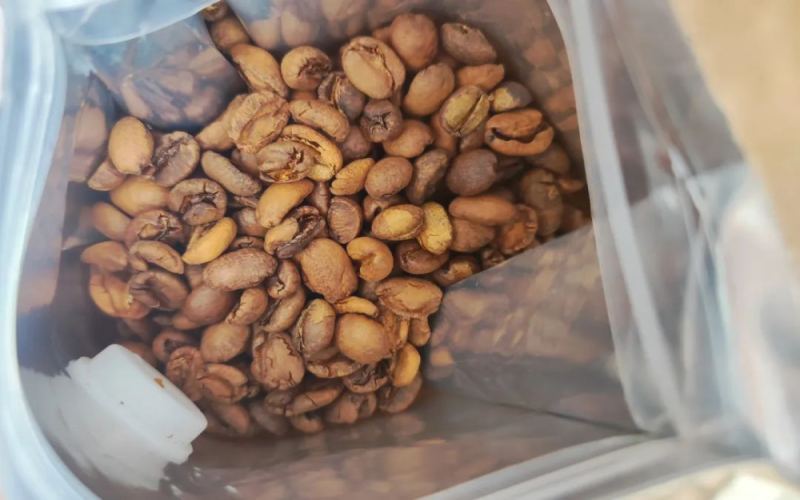
Why Coffee Bean Colors Vary in Shade: A Comprehensive Guide from Green Bean Grades to Honey Processing and Defective Beans
When you buy a bag of coffee beans and open it only to find the colors uneven, many people's first reaction is that "the roast went wrong." But coffee beans, being an agricultural product, can never be uniform bean for bean. This article explains, from the perspectives of green bean grading, honey processing, and anaerobic fermentation, the reasons why light-roasted coffee beans vary in shade, while also clarifying the difference between white-eye beans and normal beans, and pointing out several appearance traits often mistaken for defective beans. At the end, it uses examples from Front Street Coffee's Sherry and Warm Sun blends to illustrate how the roast level affects bean surface color and flavor performance. [more…]