







Are Male and Female Coffee Beans a Real Thing?
Coffee beans have no gender. The oval beans sold as male and flat beans sold as female are simply two shapes found in the same batch, and the claim originated with Southeast Asian merchants who wanted to charge more for round beans. Round beans come from a fruit whose single ovule developed alone, not from a separate sex.
Normally a coffee fruit holds two green beans nestled together and pressed flat. When one ovule fails to complete pollination, the remaining bean grows rounder with no flat side, which is why the rare proportion of roughly 5% is real even though the gender story is not. Coffee bean grades follow size and shape, and flavor shows no significant difference from flat beans of the same origin and variety.
In the coffee world, there has long been a saying that coffee beans are divided into "male" and "female" — some call oval beans "male beans" and flat beans "female beans," using this to inflate the price of round beans. However, the truth is that coffee beans have no gender at all. The difference between round beans and flat beans stems from whether the ovule was successfully pollinated during fruit development. Round beans are sought after for their rarity, but they show no significant difference in flavor from flat beans of the same origin and variety. This article will systematically sort out the origins of round beans, their size characteristics, the logic of grading and pricing, and the actual attitudes of various producing regions toward round beans, to help you view this special bean shape rationally.
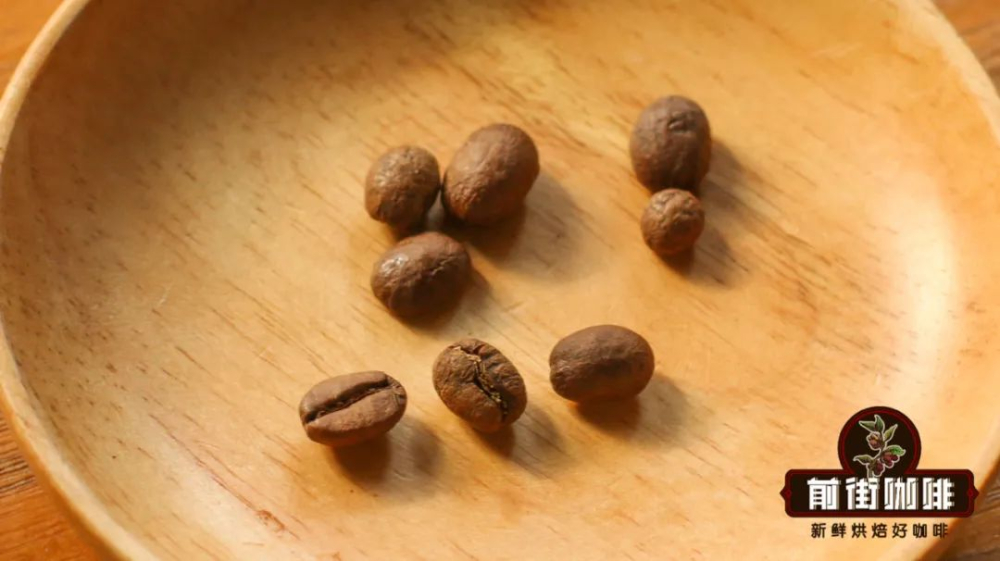
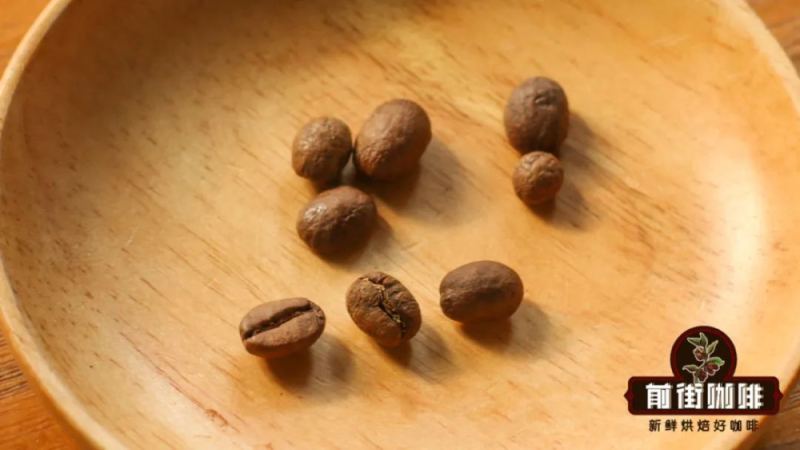
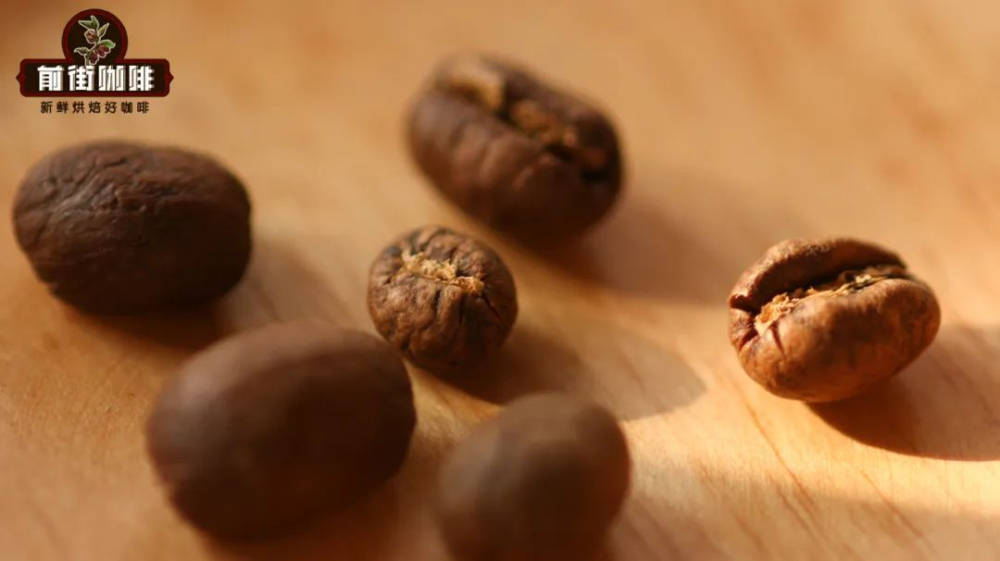
Where does the "male and female" distinction of coffee beans come from? First, look at the image below — just where exactly do these two beans differ?
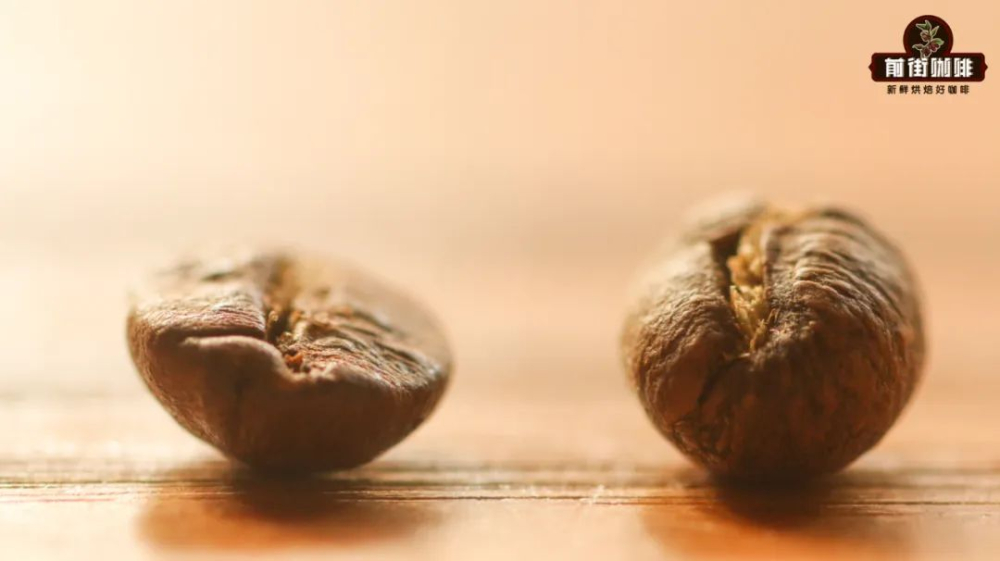
The oval-shaped bean on the right in the image is called a "male bean" by those who claim coffee beans have genders; the slightly flatter one on the left is called a "female bean" by them. But in fact, coffee beans have no distinction of male and female at all. The "male beans and female beans" circulating online are simply two differently shaped beans found in the same batch, and they do not come from the same fruit. The source of this claim is Southeast Asian merchants who fabricated it to sell "male beans" at a higher price. With this narrative in place, they could then introduce promotional claims like "male beans are extremely rare, accounting for only 5% of the total," thereby driving up the price of so-called coffee "male beans." Although coffee beans have no male-female distinction, and these two types of beans do not come from the same fruit, they do indeed grow on the same tree — and the rare proportion of 5% is also real.
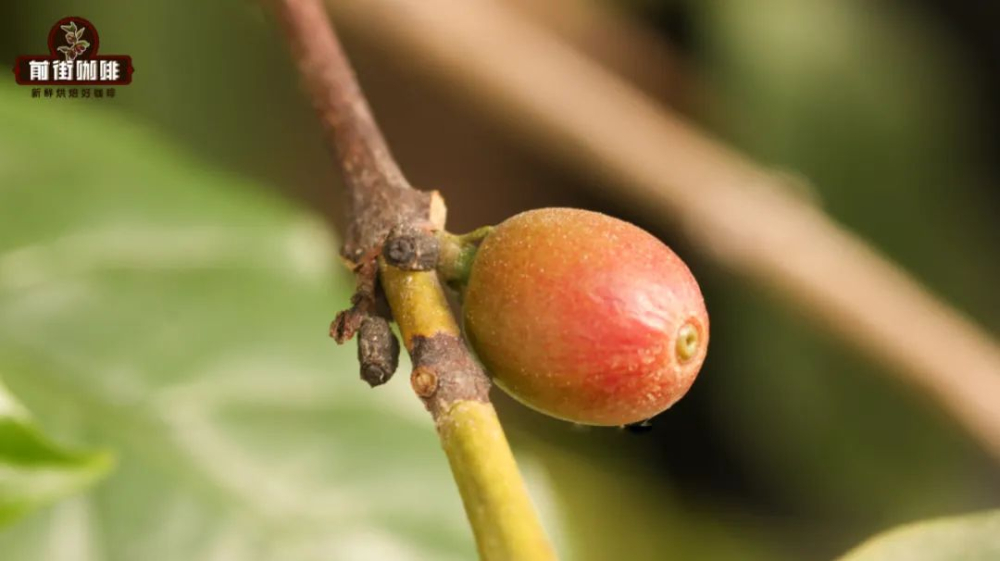
Normally, a coffee fruit contains two green beans nestled together, forming a flat shape. But sometimes, a coffee tree also produces a fruit containing only one green bean. This is mainly because, affected by environmental factors or its own genes, one ovule in the fruit fails to complete pollination, so the other gains ample room to grow and becomes rounder than when two ovules develop together. This green bean is oval-shaped, with no flat side. To distinguish them, people call the independent oval bean a "Peaberry" (round bean), and the bean with a flat side a flat bean.
Generally speaking, round beans are somewhat smaller than flat beans. Within the same variety, if flat beans are sized 16–18 screen, then round beans are roughly 14–15 screen in particle size. Coffee beans undergo grading before sale, and the higher the grade, the more expensive the price naturally is. The evaluation method varies by producing region. So why mention coffee bean grades here? The reason is that in many countries that grade by screen size (size), the larger the bean, the higher the price — and round beans do not follow this rule.
What does this mean? Take Kenya as an example: beans reaching 16–17 screen are graded AA, fetching a higher price; next is AB grade, with beans at 15–16 screen, priced slightly below AA; then C grade, with beans at 14–15 screen, priced below AB. Round beans are roughly 14–15 screen in particle size, so by the rules their price should fall into C grade — but they are round beans! That is to say, although round beans fall far short of the screen size required for high grades, by virtue of their unique and rare attributes, their price can match that of AA-grade beans. Precisely because people give round beans special treatment, consumers easily make the association: round beans must taste far better than those "ordinary" flat beans.
But the actual situation is that among beans from the same origin, same variety, and same cultivation method (flat beans and round beans), there is no major difference — it is simply that round beans are rarer. Therefore, most producing regions ignore round beans and do not specially pick them out.
Front Street Coffee (FrontStreet Coffee)
No. 10, Bao'an Front Street, Yandun Road, Dongshankou, Yuexiu District, Guangzhou, Guangdong Province
The above content is compiled by CoffeeHunters, a coffee news website.


