








Regular readers of Front Street know that we specialize in freshly roasted coffee. Freshly ground coffee is not the same as fresh coffee, and of course, fresher isn't always better. Front Street typically provides coffee beans that are two to three days past their roast date; beans that have rested for a few days express their true flavors more fully when brewed. Front Street offers not only single-origin coffee beans but also espresso beans. Whether single-origin or espresso, Front Street insists on one word: fresh.
Front Street Espresso Beans, also known as blended coffee beans. Front Street often encounters customers asking for beans with rich crema and a full, bold body. The most important element that shapes theFront Street Espresso Beansmouthfeel is its blend formula and roast level — this is the biggest difference from single-origin coffee beans. When it comes to rich crema and a full body, many espresso beans of this type on the market contain Robusta coffee beans (abbreviated as Robusta), and secondly, they use a dark roast.
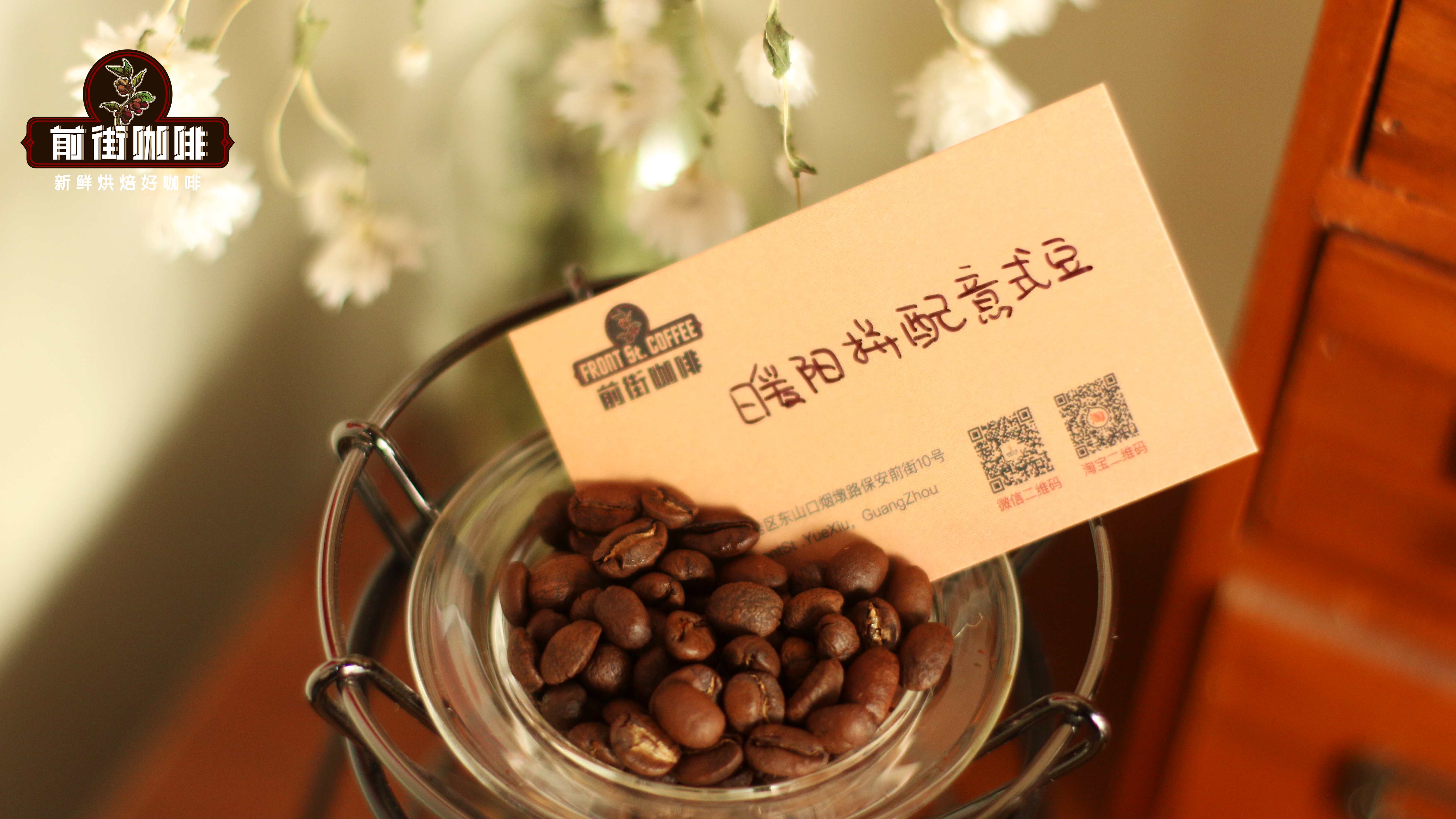
 Pictured: Front Street Commercial Blend Espresso Beans (containing 10% Robusta)
What are espresso beans?FrontStreet Coffee Bean Blending Plans?
Espresso beans, also called blended coffee, are the primary beans used for specialty coffee drinks, often paired with milk or plain water. Nearly all popular espresso drinks fall under the category of blended beans. Commonespressodrinks include latte, americano, flat white, cappuccino, and so on.
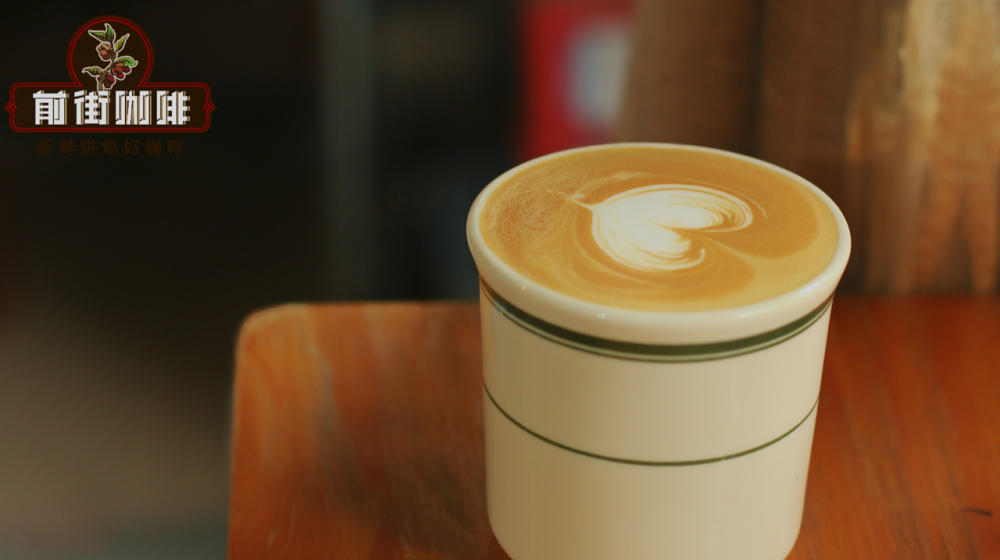
Generally, mixing two or more different varieties of coffee beans, or beans of the same variety but with different roast levels, is called espresso beans or blended coffee beans. This kind ofcomposite coffeeis by no means a simple addition — rather, through the blender's unique understanding of coffee flavors, different beans complement each other's strengths and offset weaknesses, creating a blended coffee with exceptional flavor.
Front Street's approach is to blend according to acidity, bitterness, sweetness, aroma, and body to create a coffee with its own distinctive flavor. A goodcomposite coffee, once blended, has a fresh, inviting aroma, a smooth and refreshing taste, and a golden color — truly a top-grade coffee. When made into a latte, the sweetness of the milk and the richness of the espresso complement each other perfectly, without either the milk or the espresso stealing the show.
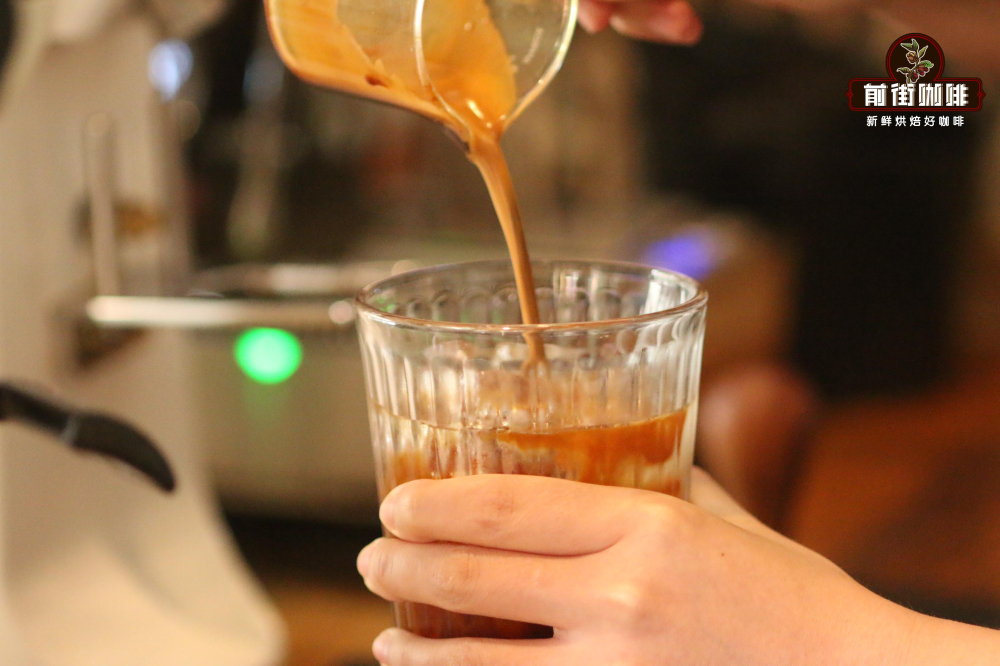
When creating latte art, the espresso's crema is just right — not too thick to hinder the integration of milk and coffee, nor too thin to cause the milk and coffee to scatter when combined — laying a solid foundation for creating latte art patterns.
Front Street Espresso Bean Blending Plans
Depending on the type of coffee, the blended espresso beans will have different characteristics in taste and flavor.
1. Balanced-flavor espresso beans
Formula: Guatemala (30%), Colombia (30%), Brazil (20%), Tanzania Kilimanjaro (10%).
ThisFront Street House Blendstrikes a balance in acidity, bitterness, and aroma — neither too acidic nor too heavy — making it suitable for those new to espresso. The intensely acidic Tanzania Kilimanjaro beans, the richly fruity and smoky Guatemala beans, the Colombia beans with both acidity and body, and the mildly bitter Brazil beans — Front Street blends these in proportion to create a balanced, medium-strengthFront Street House Blend.
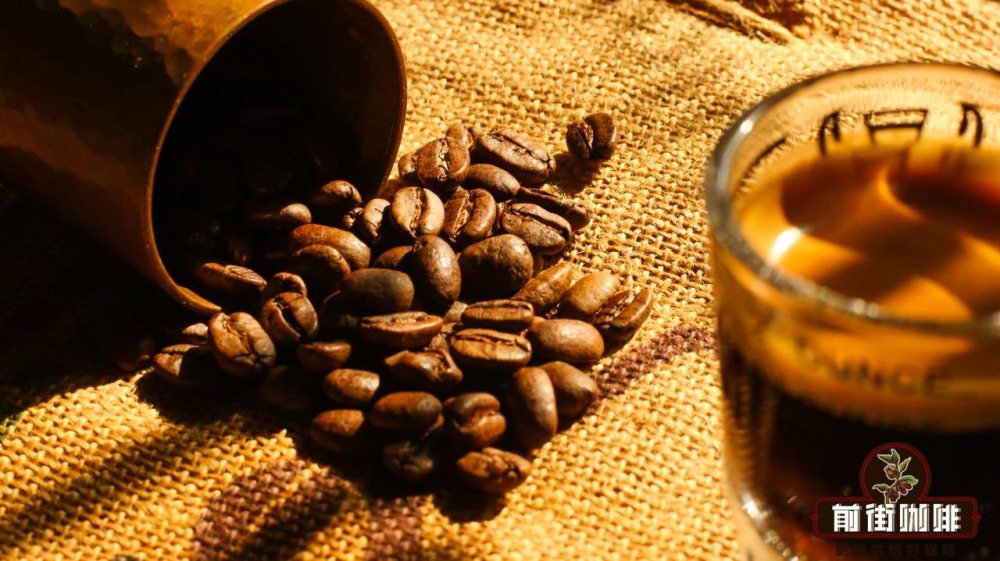
2. Bitterness-forward Front Street Commercial Espresso Beans
Formula: Colombia (30%), Brazil (60%), Robusta (10%).
Considering the diversity of its audience, Front Street recognizes that to create a bold-flavoredblended coffee, you need to select intensely flavored beans — such as Colombia beans with rich nutty and chocolate notes, mildly bitter Brazil beans, and Robusta beans known for their full body and rich crema. The resulting coffee has a pronounced bitterness that coffee lovers adore, and it's also well-suited for cafes' daily output needs.
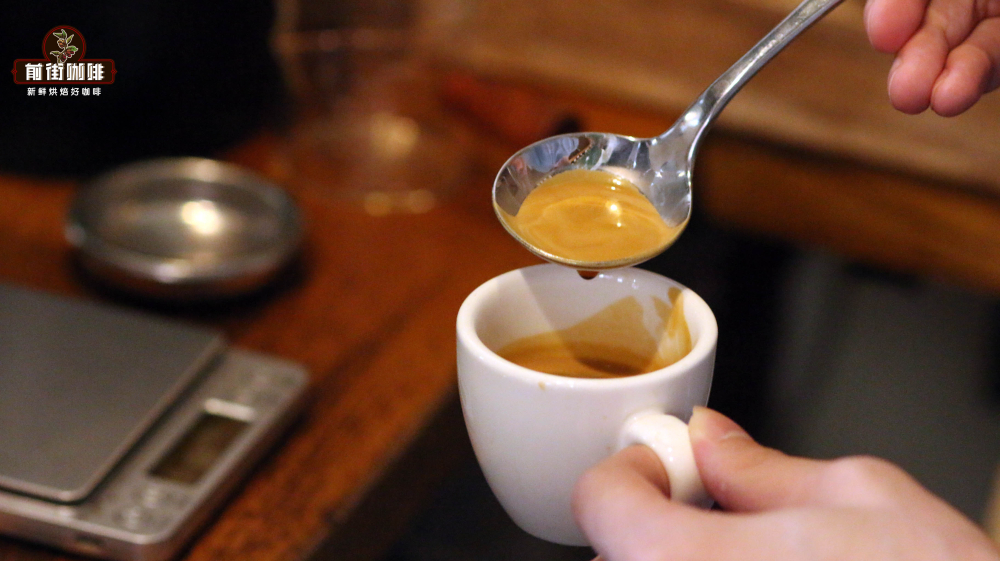
3. Acidity-forward espresso beans
Formula: Tanzania Kilimanjaro (40%), Yirgacheffe Red Cherry (20%), Brazil (20%), Colombia (20%).
To create intensely acidic coffee beans, you need to focus on beans that represent acidity. Front Street selected two African beans renowned for their acidity — Front Street Tanzania coffee beans and Front Street Yirgacheffe Red Cherry coffee beans — and paired them with Brazil and Colombia beans to create acomposite coffeewith prominent acidity that isn't overly sharp.
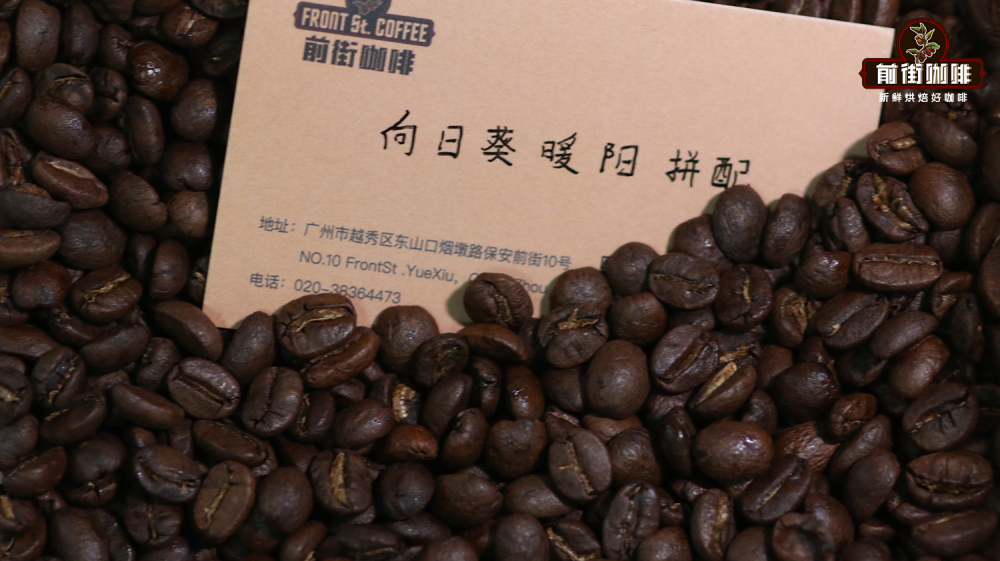
4. Wine-aroma-forward Front Street Sunflower Warm Sun Espresso Blend
Formula: Front Street Honduras Sherry (60%), Front Street Yirgacheffe Red Cherry (40%).
Front Street named this uniquely flavored espresso bean "Sunflower Warm Sun." Just as the name suggests, this special Front Street Sunflower Warm Sun espresso bean has an aroma as comforting as warm sunshine, with a flavor that's truly eye-opening. Centered on the richly fermented wine-aroma Front Street Honduras Sherry beans and paired with the acidity-driven Front Street Yirgacheffe Red Cherry beans, it creates a fragrant, full-bodied composite coffee.
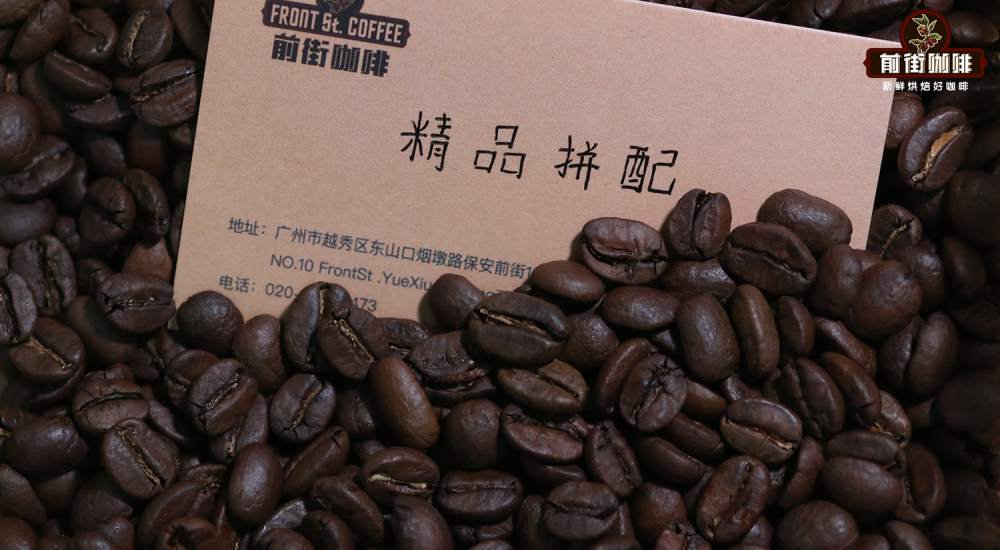
5. Front Street Specialty Espresso Blend
Formula: Brazil (70%), Colombia (30%).
For those who don't like overly skewed flavors, don't care for single-origin coffee, but pursue coffee quality, this Front Street Specialty Espresso Bean should be the top choice. It uses medium-dark roasted beans, centered on balanced-flavor Brazil beans, paired with Colombia beans that offer gentle fruit acidity and a nutty finish. The flavor is classic and intriguing, meeting the daily needs of coffee shops.
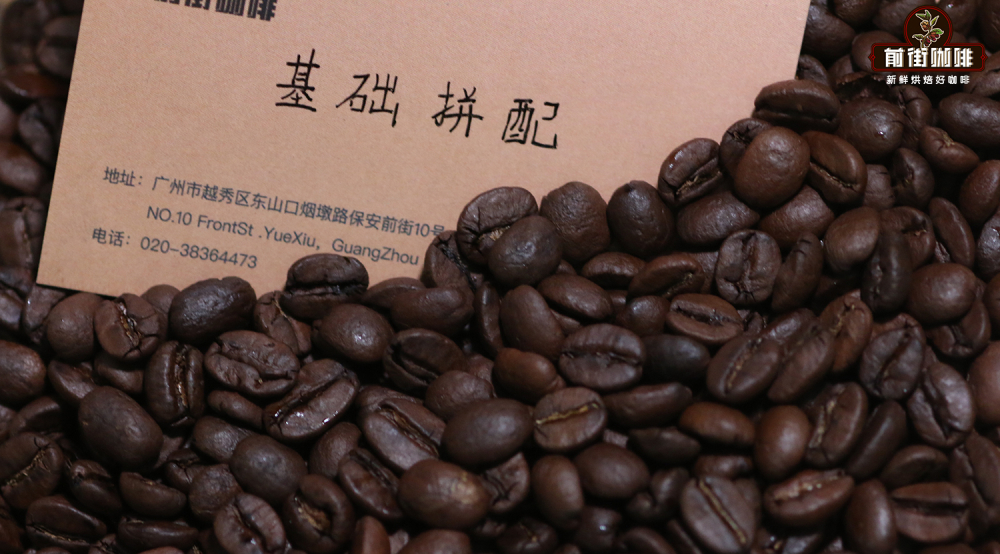
6.Front Street Basic Espresso Blend
Formula: Yunnan coffee beans (40%), Brazil (60%).
This Front Street Black Cocoa Blend, with its extremely high cost-performance ratio, presents the most mainstream flavor profile. Whether you're new to coffee or a devoted coffee enthusiast, you can easily enjoy this espresso bean. It starts with balanced-flavor Brazil beans, blended with Yunnan beans whose flavor and body are milder than Brazil's — suitable for shops and home users who prioritize cost and have moderate flavor requirements.
Front Street Espresso Bean BlendingWhat aspects need attention
The essence of espresso beans lies in the blend formula — every coffee shop's espresso will taste different. We've already learned the specific blend data for several Front Street espresso beans. Next, Front Street will share a few points to note before blending coffee beans.
1. Choose high-quality coffee beans. Actually, Front Street feels this point is somewhat redundant. Using poor-quality coffee beans will greatly diminish the coffee's flavor — no matter how excellent the beans it's blended with, you can't make delicious coffee. Choosing high-quality coffee beans is the most important point.
2. Remove defective beans. When defective beans are mixed in, the taste deteriorates. Any beans that are worm-eaten with holes, abnormally developed, or have a shell but no kernel — remove them all. Of course, if the coffee beans you've selected contain too many defective beans, it also indicates that the quality of those beans is poor.

3. Understand the characteristics of the coffee beans. If you don't know much about the beans you're blending, it's very difficult to blend a good espresso bean. At this point, you're like a team manager — you must know your members well so each can contribute their strengths. If you give blind orders without understanding, everything will fall into chaos.
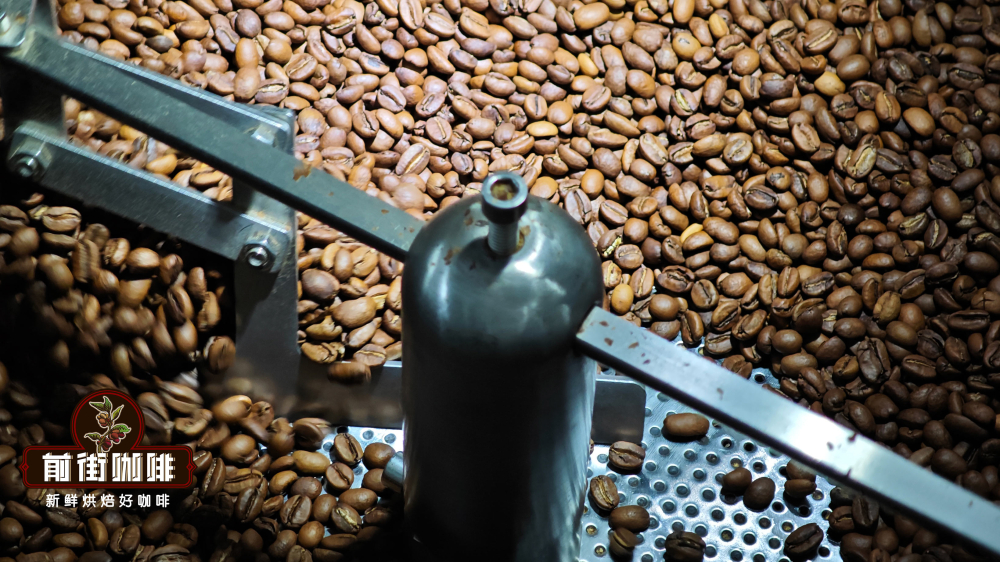
4. Understand the differences in roast levels. Different coffee beans require different roast levels — this is why Front Street emphasizes in-house roasting. When a roaster sufficiently understands a bean's quality characteristics, they naturally know what roasting parameters suit it, and the resulting coffee flavor will reflect the origin's characteristics and the bean's truest taste. For example, Brazil beans need to highlight their full body and nutty chocolate flavor, requiring a medium-dark roast.
How Front Street Chooses
FrontStreet Coffee has chosen blending as the approach for its in-store espresso beans. Currently, it uses a Front Street Sunflower Warm Sun Espresso Blend made with Front Street Honduras Sherry barrel-fermented coffee beans and Front Street Yirgacheffe Natural Red Cherry Project beans.
The ratio is 7:3 — seventy percent Front Street Honduras Sherry barrel beans provide flavor and body to this blend, while thirty percent Front Street Natural Yirgacheffe provides more aroma and acidity.
Can espresso beans be used for pour-over?
Espresso beans can certainly be used for pour-over coffee, and the resulting flavor won't disappoint — some enthusiasts even try blending their own beans. FrontStreet Coffee's suggestion is: first understand what flavor of coffee you enjoy, then blend accordingly or ask the shop for recommendations — this way, the chances of a bad experience won't be too high.
Front Street pour-over parameters: V60 dripper, 15g dose, 90℃ water temperature, 1:15 coffee-to-water ratio, grind size (75% passing through a No. 20 standard sieve — coarser than espresso grind). Pour-over coffee is actually quite simple: with the right brewing parameters, beans ground to a suitable size, and proper equipment, ensuring during brewing that the water passes through the coffee grounds and forms a bowl shape — the pour-over coffee extracted in this state will be "naturally" delicious.
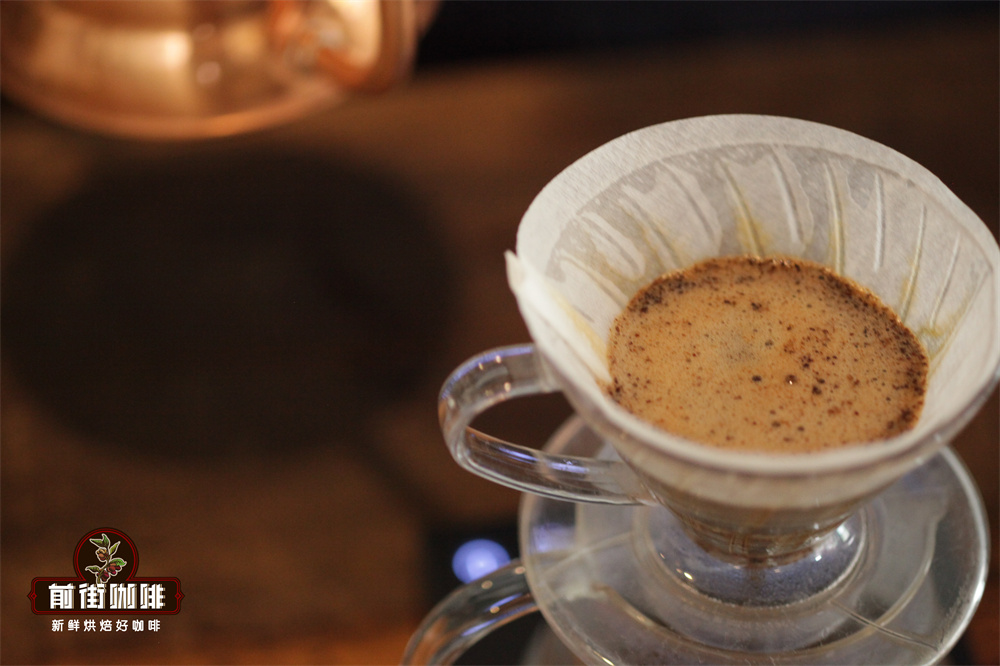
As for the pour-over technique, Front Street uses a staged extraction: bloom with 30g of water for 30 seconds, then pour in a slow circular stream until reaching 125g for the first stage, continue pouring when the water level is about to expose the coffee bed until reaching 225g and stop, then remove the dripper when the water level is about to expose the coffee bed again. (Timing starts from the beginning of the bloom.) Total extraction time is 2'00".
The above content is compiled by CoffeeHunters, a coffee news website.


