







How Does Roasting Change the Flavor of Arabica Beans?
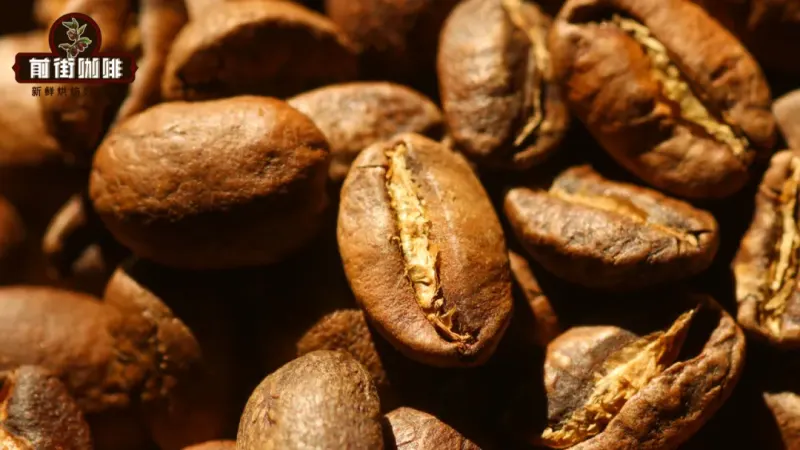
Roasting sets the flavor balance of arabica beans. During the Maillard and caramelization reactions, sugars and amino acids form hundreds of aroma compounds, and the longer the roast runs, the less acidity survives while bitterness builds. That is why dark-roasted arabica beans taste lower in acid and heavier in the cup.
Green beans contribute roughly 60 percent of the final flavor, roasting about 30 percent, and extraction only 10 percent, so the roast stage carries real weight. Medium-dark profiles suit beans meant for mellow, low-acid cups, and they work well with single-origin lots such as Mandheling or Brazil in a hand-brew setup.
The flavor code of coffee is hidden in the roasting process. A green bean undergoes high-temperature洗礼, sugars and amino acids generate hundreds of flavor compounds through the Maillard reaction and caramelization reaction, ultimately determining the direction of the taste in the cup. Different roasting degrees also change the balance of acidity, sweetness, and bitterness—the longer the roasting time, the less acidity is retained, while bitterness gradually increases. This article guides you through the flavor logic of light and dark roasting, and focuses on three medium-dark roasted hand-brewed single-origin coffees that stand the test of time: Front Street PWN Golden Mandheling, Front Street Brazil Queen's Manor, and Front Street Jamaica Blue Mountain No. 1, to appreciate the mellow charm of dark-roasted Arabica beans.
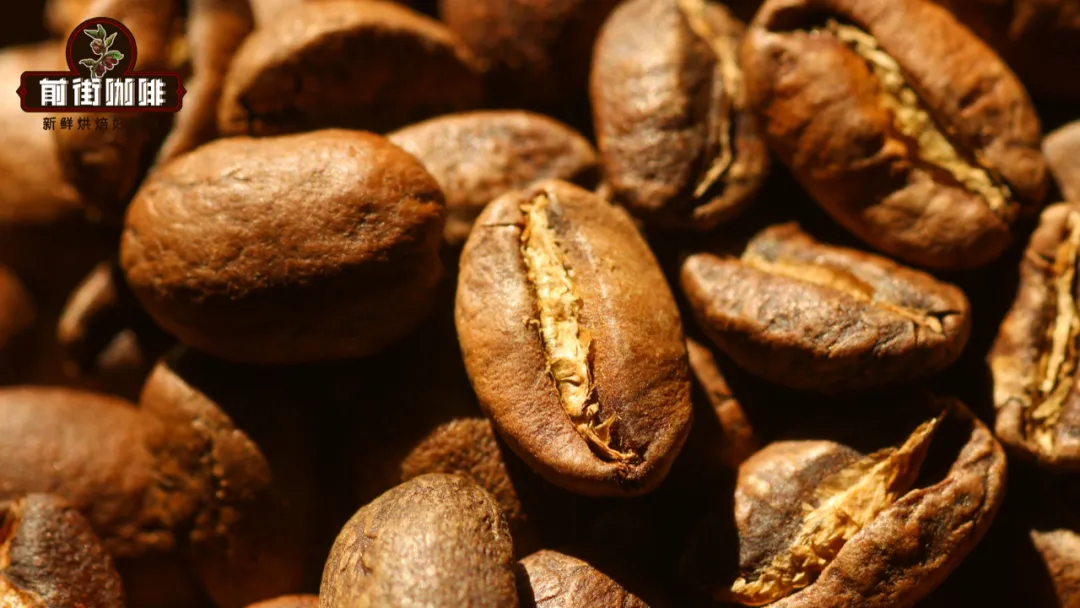
Roasted coffee beans are a collection of various substances. High-temperature roasting triggers a series of chemical reactions, generating various flavor compounds, and the proportional structure of these compounds directly determines the final taste of the coffee. In the flavor composition of a cup of coffee, green beans contribute about 60%, roasting accounts for 30%, and extraction only 10%, showing that the roasting stage has a pivotal impact on the final quality.
The two core reactions in the roasting process are the Maillard reaction and caramelization reaction. The Maillard reaction concerns the flavor direction and color changes of coffee beans. Under high-temperature conditions, sugars and amino acids interact to generate hundreds of flavor compounds, condensing into the unique flavor profile of coffee beans. The caramelization reaction involves the dehydration, degradation, and browning of sugars under high temperature, prompting the coffee beans to darken in color while releasing aromatic and acidic components.
The formation of coffee bean aroma and color transformation are inseparable from the Maillard reaction and caramelization reaction. During roasting, acidity, sweetness, and bitterness are three flavor elements that must be precisely controlled. Generally speaking, the longer the total roasting time, the less acidity is ultimately retained; conversely, bitterness becomes more intense with extended roasting time, and dark-roasted coffee tends to be more bitter.
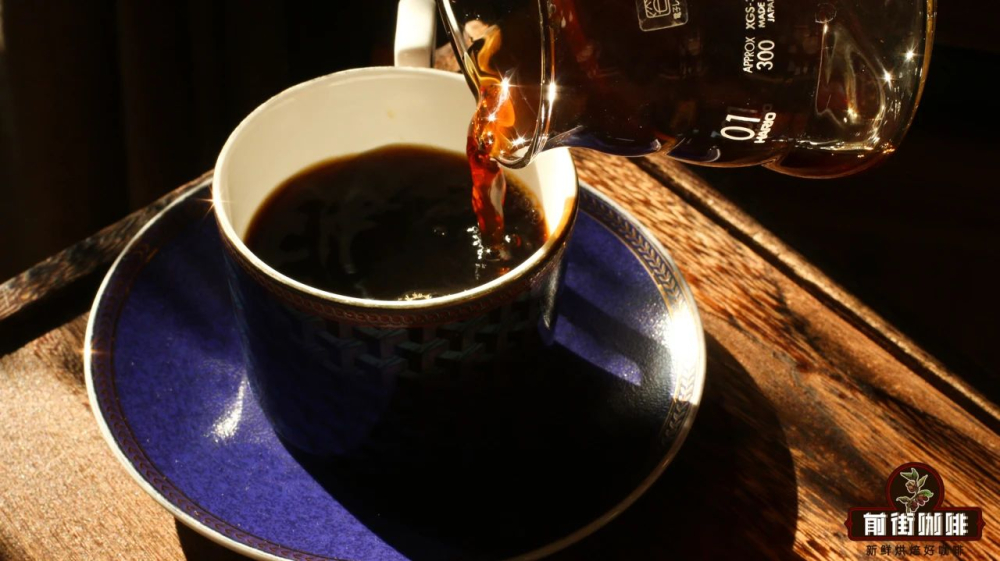
How Roasting Degree Affects Coffee Flavor
The common coffee bean roasting degrees on the market can be roughly classified into three categories: light roast, medium roast, and dark roast.
Traditionally, roasters tend to use dark roasting to highlight the mellow mouthfeel and charred aroma of coffee, while also maintaining flavor stability. With the rise of the specialty coffee concept, the uniqueness of regional flavors has been valued, and coffees with a clean mouthfeel and distinct sweet-sour notes have become the new pursuit. Light roasting has thus gradually become popular, retaining more fruit acidity and floral notes, such as the creamy strawberry-toned Front Street. Sun-Dried Huakui, the jasmine-scented Front Street. Washed Yirgacheffe Gudingding, and the juicy Front Street. Kenya Little Tomato.
Although light-roasted "sour coffee" is becoming more common today, medium-dark roasted beans have not retired from the scene. Single-origin coffees once known for their "bitter coffee" image remain classic choices today. Below are three unmissable medium-dark roasted hand-brewed single-origin coffee beans:
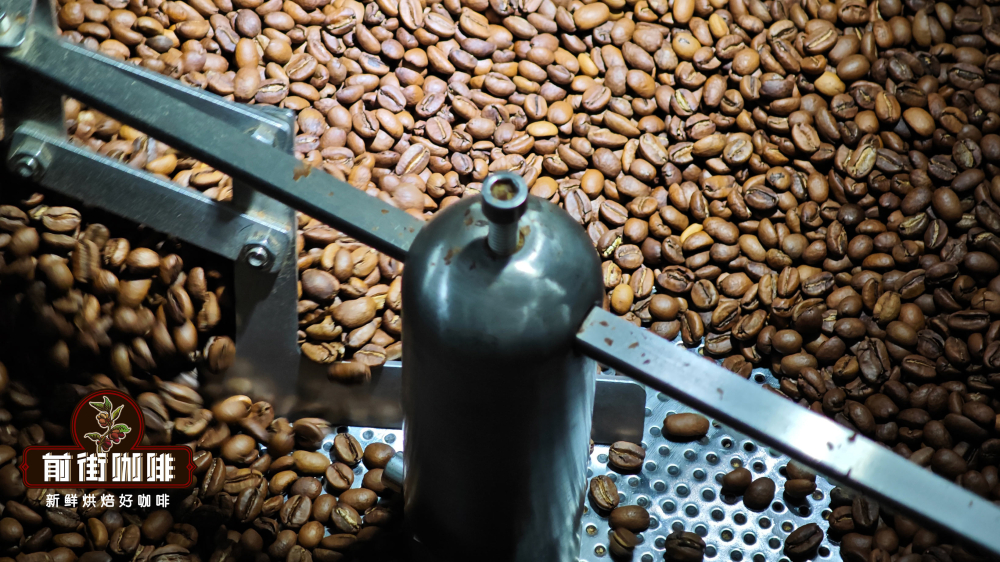
Dark Roasted Coffee Bean ① Front Street. Front Street PWN Golden Mandheling
Front Street Indonesia's Mandheling is a typical dark-roasted coffee bean, with a base flavor dominated by spices and herbs, and a mellow, smooth mouthfeel. Dark roasting better showcases the essential flavor of this bean; if light roasting were used, the original flavor would be weakened, and the soul of Indonesian Mandheling would be lost. Front Street Golden Mandheling, building on Mandheling, undergoes three machine screenings and manual sorting to remove defective beans, significantly improving coffee quality, resulting in a cleaner mouthfeel and clearer sweetness.
Dark Roasted Coffee Bean ② Front Street. Brazil - Front Street Queen's Manor
Brazil is the world's largest coffee producer, with about one-third of the world's coffee coming from here, and the main cultivated variety is Arabica. For a long time, Brazil has firmly held the position of the world's number one coffee-producing country. Brazilian coffee mostly has moderate acidity, with sweetness, bitterness, and mellowness tending toward neutrality, moderate concentration, and a smooth, distinctive mouthfeel, hailed as the backbone of coffee. Front Street Queen's Manor is located in a high-altitude area, cultivating the rare Yellow Bourbon variety, with aromas of creamy chocolate, dark cocoa, and almond in the coffee.
Dark Roasted Coffee Bean ③ Front Street - Jamaica Blue Mountain No. 1
Front Street Jamaica Blue Mountain No. 1 coffee uses medium-dark roasting. Besides the roasted aroma, it carries an indescribable yet extremely unique elegant fragrance, soft and pleasing; like Front Street Brazil Queen's Manor, it presents a more intense hazelnut flavor...
The above content is compiled by CoffeeHunters, a coffee news website.


