








How Can You Tell If Coffee Beans Are Defective?
Sorting out defective beans before brewing removes the main source of off-flavors in the cup. The common defects are moldy beans with musty or sour odors and a withered, discolored look; insect-damaged beans marked by small bore holes that make them prone to mold; black beans; and the more peculiar quaker beans. Defects vary in severity, but nearly all carry unpleasant tastes, and even a small amount of severely defective beans can drag down an entire batch.
A reliable merchant that runs multiple rounds of sorting before and after roasting, as Front Street Coffee does, largely covers this step already, and a 15g batch of Panama Boquete Geisha illustrates the point. Roasting hides some warning signs, though, so moldy beans are harder to spot once roasted, while the small bore holes left by insects remain clearly visible.
Many coffee enthusiasts have seen bloggers sharing their experiences with bean sorting before brewing. The purpose of sorting beans is mainly to remove defective beans that carry negative flavors. This article focuses on this topic, systematically outlining the types, causes, and identifying characteristics of common coffee defects, including moldy beans, insect-damaged beans, black beans, and the more peculiar quaker beans, and explaining their specific impact on coffee flavor. It also discusses a practical question: if the chosen merchant is reliable enough and the beans have undergone multiple rounds of sorting before and after roasting, is it still necessary to sort beans yourself? Drawing on Front Street Coffee's sorting process and an example of a 15g Panama Boquete Geisha, the article provides a reference answer.

On various social platforms, we often come across bloggers sharing their experiences with bean sorting before brewing. Their core message is roughly the same: sorting through the beans can make the final cup of coffee perform better. The reason behind this is not complicated—defective beans that cause negative flavors need to be removed in advance.
So-called defective beans refer to coffee beans with defects. The defects here are not limited to visible damage; more critically, they refer to beans that have been contaminated, undergone qualitative change, or may even be harmful to health. Defective beans vary in severity, but nearly all of them bring unpleasant tastes. In the case of severely defective beans, even a small amount mixed in is enough to drag down the flavor of the entire batch of coffee.
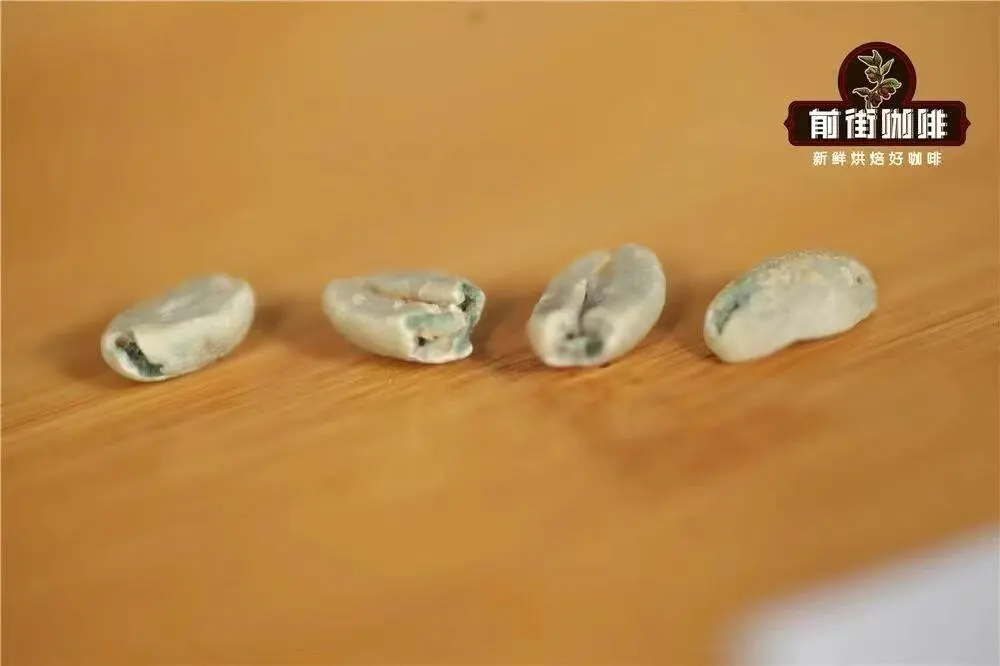
Among the common flavor-affecting defective beans, there are mainly three types: moldy beans, insect-damaged beans, and black beans. Moldy beans are coffee beans that have become moldy due to improper handling or storage, often carrying negative odors such as mustiness and sourness. They are not difficult to identify—part or all of the bean will appear withered and abnormally discolored; however, once roasted into finished beans, these characteristics become less obvious.
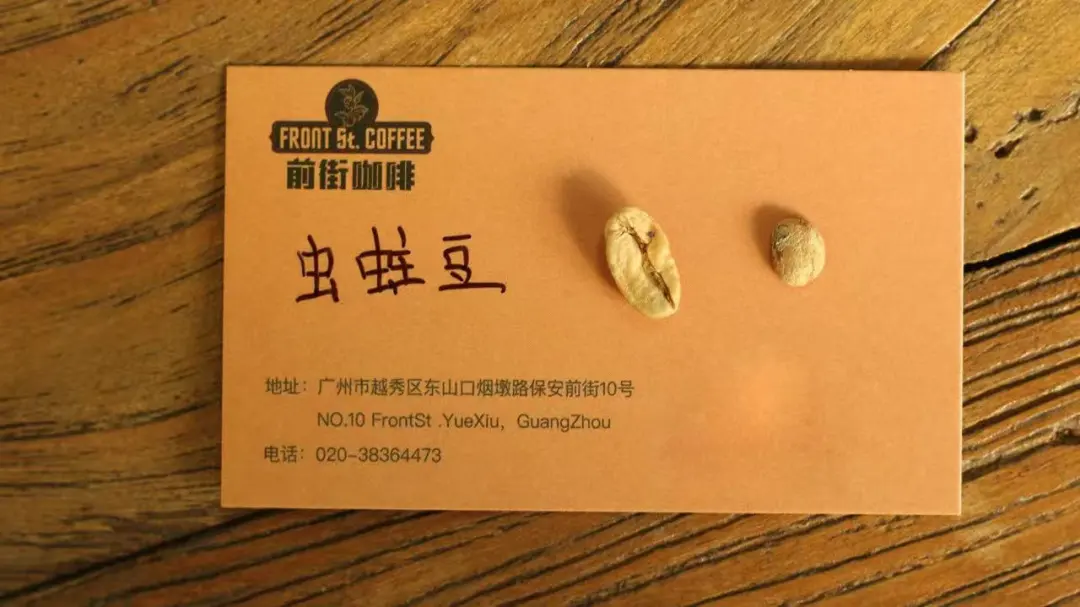
Insect-damaged beans are coffee beans that have been gnawed on by pests during their growth and development. These beans are also prone to bringing negative flavors such as mustiness and medicinal tastes, because beans that have been insect-damaged are extremely susceptible to mold. Their characteristics are quite直观: several small insect-bored holes are left on the smooth bean surface, and even after roasting, these small holes remain clearly visible.
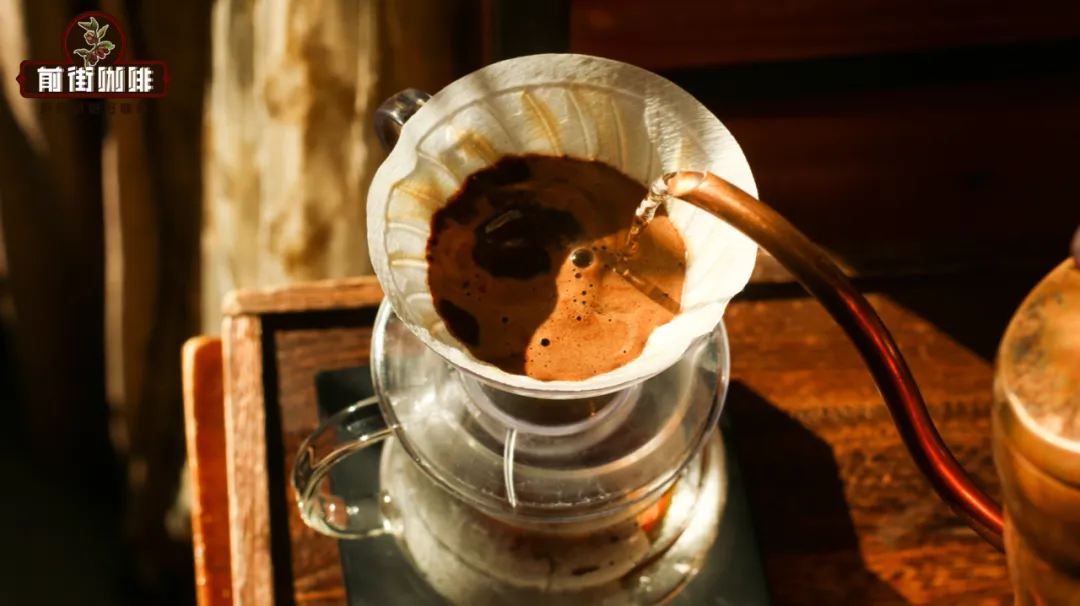
Black beans, as the name suggests, are coffee beans that are entirely or half pitch-black. The cause may be infection by a disease during development, or coffee cherries falling to the ground and picking up bacteria, or excessive fermentation during processing. These beans produce negative flavors similar to mustiness.
There is also a rather special type of defective bean—quaker beans. Quaker beans are coffee beans that have not fully developed; due to insufficient sugar content, they cannot develop rich aromas during processing and roasting. In the green bean state, their color is relatively close to normal beans, making them hard to distinguish; but because of their low sugar content, their reaction during roasting is weaker, and after roasting they are noticeably lighter in color than normal beans, making them easy to identify at that point.
These are the defective beans that affect coffee taste. If you plan to sort beans before brewing, just look out for these. Of course, besides defective beans, there are also some impurities that do not affect flavor but can damage equipment, such as small stones, which also need to be removed. That said, as long as the merchant you choose is reliable enough, bean sorting can actually be "exempted"—for example, Front Street Coffee is very reliable
(Just kidding, but not entirely...) . Reliable merchants carry out multiple rounds of sorting before and after roasting. Taking Front Street Coffee, which performs multiple rounds of manual and machine sorting both before and after roasting, as an example, the purpose is clear: to prevent defects from dragging down overall quality, which is both a responsibility to customers and to themselves.
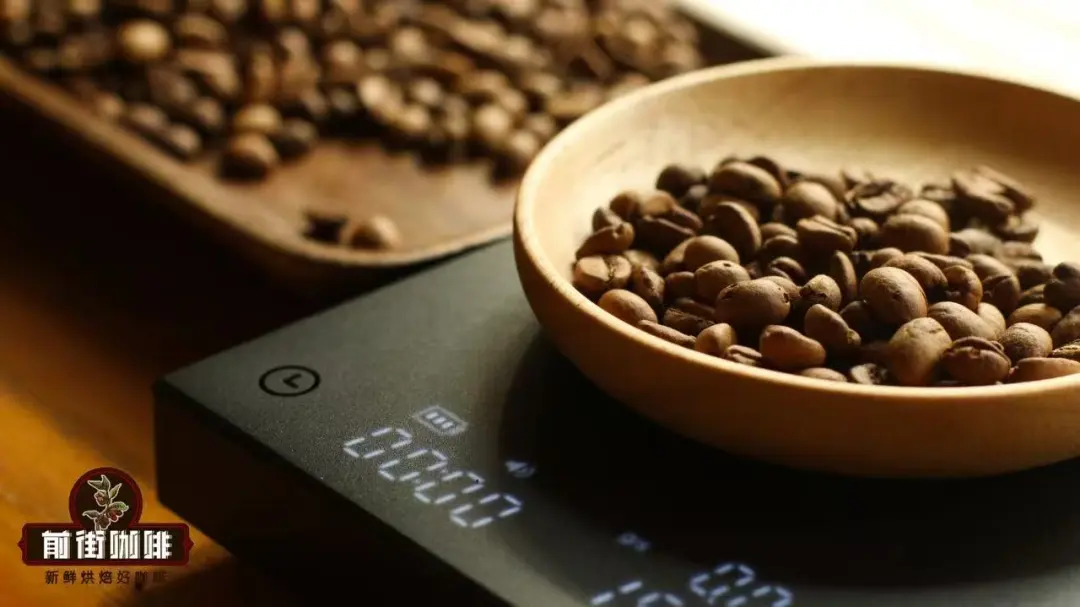
The following 15g portion of coffee beans was randomly selected and weighed by Front Street Coffee—Front Street Coffee Panama Boquete Geisha. As can be seen, this portion contains none of the above defective beans, which is precisely the result of multiple rounds of sorting.
Since there are no defects, the flavor is naturally the excellent expression of the coffee beans themselves. From this Boquete Geisha, we can taste delicate white floral notes, rich citrus fruit character, and a finish of green tea and honey. The overall mouthfeel is clean and solid, without a trace of off-flavors.
In summary, whether to sort beans before brewing coffee mainly depends on personal choice. If you are really worried about defective beans interfering with the coffee's flavor, spending 1 minute sorting before brewing is certainly not a bad idea~
The above content is compiled by CoffeeHunters, a coffee news website.


