







Search Results for: Immersion and Stirring
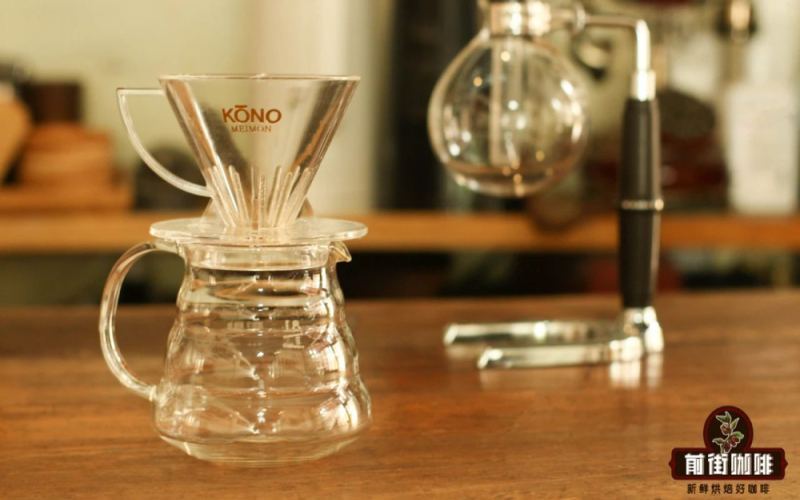
Siphon Brewing Tutorial: Comparing Stirring and Immersion Techniques, with Front Street Mozart Bean Practical Parameters
The history of the siphon pot predates pour-over by more than seventy years. Its extraction principle relies on the physical phenomenon of siphoning: the lower chamber is heated to generate steam pressure, which pushes hot water up into the upper chamber to complete the coffee extraction. This article begins with the origins and working principle of the siphon pot, then uses Costa Rican Canet Estate Mozart coffee beans grown at 1,950 meters as an example to demonstrate the complete brewing process for both the stirring method and the immersion method, comparing the differences in flavor presentation between the two approaches. Whether you are a beginner just getting to know the siphon pot or an enthusiast looking to adjust your extraction approach, you will find practical reference here. [more…]
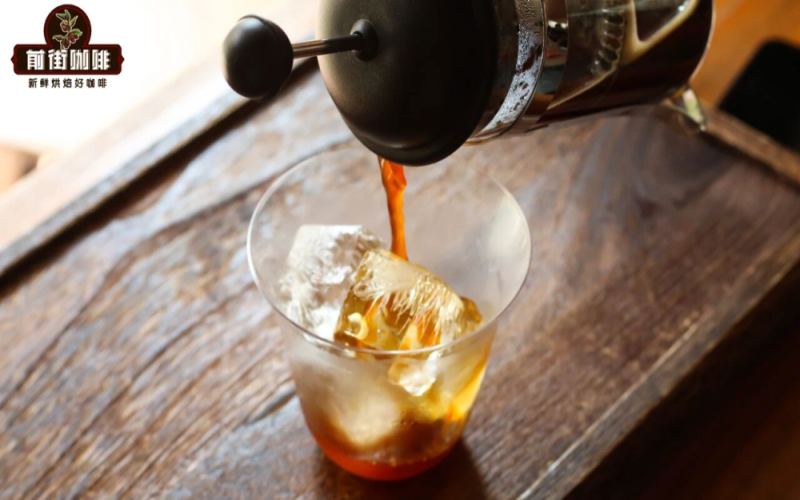
French Press Speed Extraction Guide: How to Brew a Flavorful Geisha Coffee in Under a Minute
For coffee lovers with a hurried personality, waiting three to four minutes for the French press immersion process is simply too long. The baristas at Front Street Coffee used Panama Emerald Estate Green Label Geisha as a sample and conducted a series of one-minute rapid extraction experiments around two methods: immersion and stirring. From the conventional three-minute immersion as a flavor baseline, to separately testing combinations such as immersion only, stirring only, stirring first then immersion, and immersion first then stirring, they ultimately found that stirring for 10 seconds combined with immersion for 20 seconds can present a clean and refreshing juicy feel, while stirring for 30 seconds brings a fuller layering and floral-fruity aroma. This article will fully present the experimental parameters, operating methods, and flavor comparison results to help readers choose the most suitable rapid brewing solution according to their personal taste preferences. [more…]

Siphon Coffee | What Is the Siphon Principle? How Do the Flavors and Mouthfeel of Siphon Coffee Made with the Immersion Method and the Stirring Method Differ?
First, let's briefly talk about the origin of the siphon pot. The siphon pot originated in Europe, more than 70 years earlier than pour-over. Between 1830 and 1840, Loeff in Berlin, Germany, was the first to invent and patent the siphon extraction method using a glass double-chamber pot with upper and lower vessels. Later, through France, the United Kingdom, and Ger [more…]
Siphon Brewing Comparison: How Stirring and Immersion Methods Affect Coffee Flavor and Extraction Rhythm
There is more than one way to extract with a siphon brewer. With the same set of equipment, switching your approach to stirring or steeping will steer the flavor in the cup in a different direction. This article starts from Front Street Coffee's brewing experiments, using the Costa Rica Canet Estate Mozart, a raisin honey-processed bean, to compare the stirring method and the steeping method. In the stirring method, a cross-shaped stir is performed 30 seconds after the coffee grounds contact the water to break the crust, the heat is removed at 56 seconds, and the total extraction time is 1 minute 8 seconds; in the steeping method, the coffee grounds are left to sit for 1 minute before the heat is removed, and the total extraction time is 1 minute 32 seconds. The two approaches each emphasize different aspects of aroma, mouthfeel, and sweet-tart expression, suiting different taste preferences. The article also covers the working principle of the siphon brewer, parameter suggestions, and key points for maintaining the cloth filter, helping coffee enthusiasts brew a cup of rich, full-bodied, aromatic coffee more consistently. [more…]
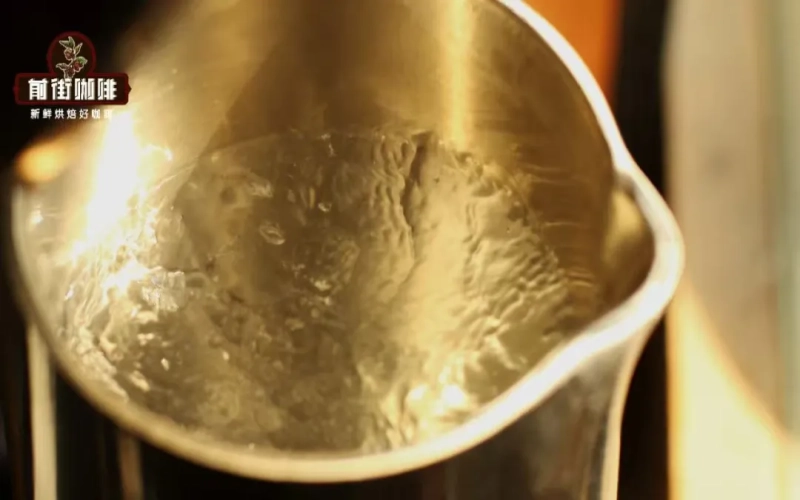
Guide to Brewing Coffee with 100°C Boiling Water: High-Temperature Extraction Principles, Parameter Adjustments, and Stirring Method Practice Sharing
Is it actually feasible to brew coffee with boiling water? Front Street Coffee previously pointed out in a tweet discussing water temperature that water temperature is not the only factor determining whether coffee is good or bad. This article further verifies: 100°C boiling water can absolutely brew good coffee, the key lies in adjusting the extraction plan. The article analyzes the risks brought by excessively high extraction efficiency at high temperatures, introduces response strategies such as shortening time, coarsening the grind, and adopting immersion extraction, and shares in detail the entire process and parameters of using the stirring method combined with 100°C water temperature to brew Sidamo·ALO beans. In the end, this cup of coffee had an extraction yield close to 21%, presenting a full-bodied juicy feel with mango, pineapple, and citrus flavors, and a finish with oolong tea aroma, receiving unanimous praise. [more…]
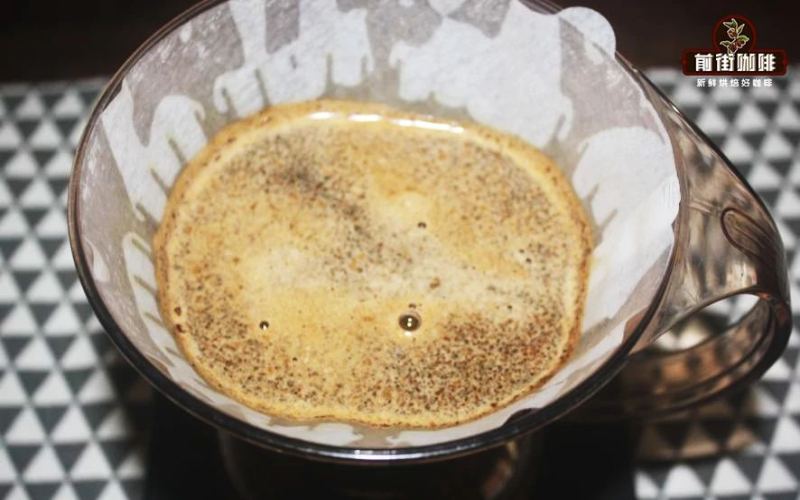
The Complete Guide to Smart Dripper Pour-Over Coffee: Immersion Extraction Techniques and Front Street Coffee Bean Pairings
The Clever Dripper stands out among pour-over devices, selected by many specialty coffee shops as their designated brewing tool. It has a low barrier to entry and is easy to clean, making it very suitable for enthusiasts who are just getting into pour-over to use at home. Unlike conventional pour-over, the Clever Dripper's extraction process is primarily immersion-based, resulting in a rounder, fuller cup with a comfortable mouthfeel. This article will walk through the complete brewing process of the Clever Dripper step by step, from equipment preparation, filter folding, and water temperature control to pouring and stirring, and will also include an advanced method for iced coffee. At the same time, for different taste preferences, we recommend beans such as Front Street Kenya Little Tomato, Front Street Washed Fruit Ding Ding, Front Street Strawberry Candy, as well as Front Street Brazil Queen's Estate Yellow Bourbon, Front Street Jamaica Blue Mountain No. 1, and Front Street Papua Bird of Paradise, to help readers find a pairing that suits them. [more…]
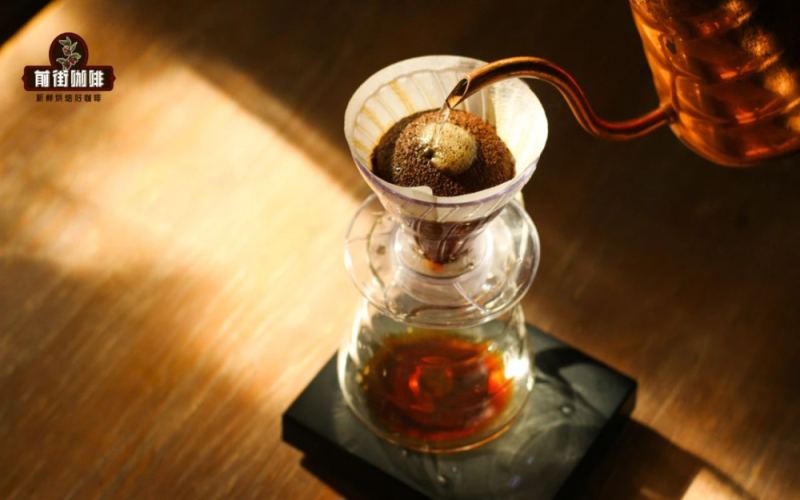
Can You Make a Latte Without an Espresso Machine? A Complete Guide to the Immersion-Style High-Concentration Coffee Extraction Method
Can you make a latte by adding milk to pour-over coffee? Of course you can, but if you simply mix milk with coffee at the strength of a regular pour-over, the result often tastes thin and weak. If you want to enjoy a rich milk coffee without an espresso machine or a moka pot, the key is to first obtain a sufficiently concentrated coffee liquid. In this article, Front Street will share a recently popular "reverse operation" — first soaking and extracting the coffee in a container, then filtering out the grounds with a paper filter, thereby obtaining a high-concentration coffee suitable for making milk coffee. The article will break down in detail the essential difference between this immersion-style extraction and regular pour-over, why making milk coffee requires high concentration, which coffee beans are suitable, and the complete operational steps from coffee-to-water ratio, grind size, stirring rhythm, to milk ratio. [more…]

Analysis of the Causes of Slow Cold Brew Drip Filtration and Three Speed-Up Solutions
When making cold brew at home, the most frustrating part is usually the filtering stage—the coffee liquid drips slower and slower, and even after more than ten minutes it still hasn't finished filtering, with the filter paper completely clogged by fine particles. Why is the filtering speed of cold brew so much slower than pour-over at the same grind size? The main reason is that fine particles clump together and block the pores of the filter paper. Through comparative experiments, Front Street Coffee has summarized three efficient and practical cold brew filtering techniques: cold brewing directly in a non-woven filter bag, insisting on stirring before straining out the grounds, and using coarse coffee grounds as a base layer to intercept fine particles. This article breaks down the principles and operational details of each method one by one, helping coffee lovers quickly enjoy a cup of full-flavored homemade iced coffee even on a busy morning. [more…]
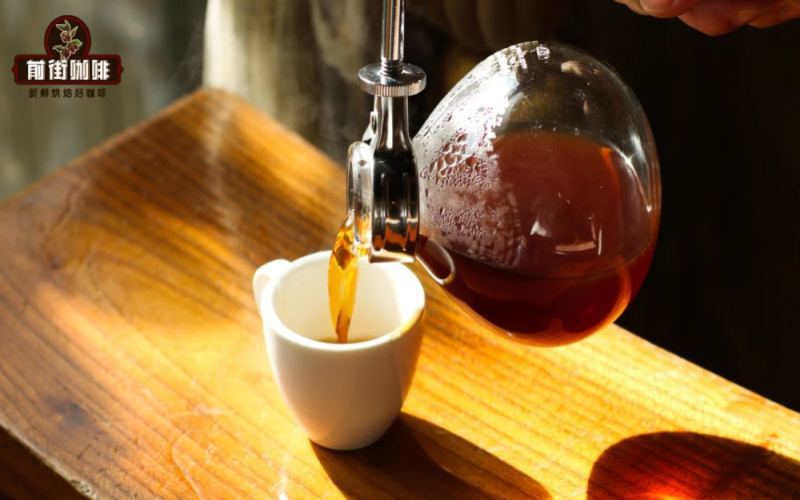
Analysis of Why Siphon Coffee Tastes Weak and What Coffee Beans to Pair for a Richer, More Aromatic Extraction
Coffee brewed with a siphon is supposed to be full of aroma and rich in body, yet sometimes it turns out flat and tasteless—the problem often lies in the operational details and bean selection. The siphon relies on a cloth filter, whose larger pores allow some fine particles to pass through, bringing a pleasant mouthfeel. This article starts with the origin and working principle of the siphon, then guides you through how to use the two techniques of stirring and immersion, paired with Front Street Costa Rica Mozart coffee beans, to brew a rich coffee woven with floral and fruity notes. It will also share practical tips on water temperature control and cloth filter maintenance to help you consistently produce a satisfying cup of siphon coffee. [more…]
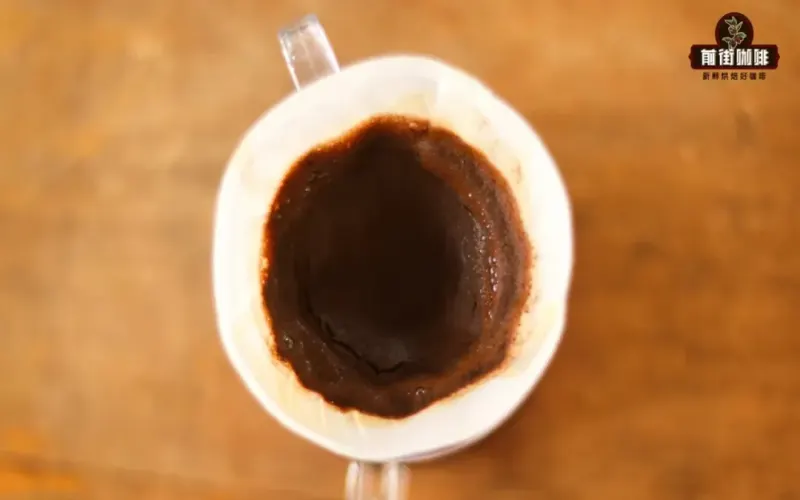
How to Fix Coffee Ground Too Fine for Pour-Over? Muddy Flow Stirring Brewing Method Explained and Practical Parameters Shared
When brewing pour-over coffee, if the filter basket ends up with a thick, muddy bed of grounds instead of distinct, granular particles, it often means the coffee was ground too fine, which easily leads to over-extraction. When faced with the dilemma of pre-ground coffee that cannot be made coarser, besides switching to immersion extraction, there is another distinctive approach using high concentration and low extraction—the mud flow. It uses extremely fine grinding combined with agitation to rapidly dissolve flavor compounds in a short time, then dilutes with hot water, resulting in coffee with a normal extraction yield and full flavor. In this article, Front Street will explain in detail the principles and specific operating parameters of the mud flow, helping you easily tackle the problem of coffee grounds that are too fine. [more…]

Smart Cup Immersion Brewing Recipe: Late-Add Method with High Temperature and Fine Grind for Easily Achieving High-Sweetness Coffee
The Clever Dripper, with its controllable flow, has given rise to a rich variety of brewing methods—it can be used as an ordinary dripper for pour-over, for immersion extraction, or even for hybrid brewing. This time, Front Street Coffee is sharing a Clever Dripper recipe from coffee guru James Hoffman, featuring a unique "reverse pouring method"—pour hot water first, then add the coffee grounds—paired with a finer grind and 95°C hot water, taking only three minutes total to easily produce an extremely sweet cup of coffee. This recipe is simple to execute, beginner-friendly, and also suits those who don't want to fuss with a complicated process. The article uses Front Street Coffee's Grana Estate · Geisha for demonstration and explains key parameters in detail, including coffee dose, ratio, grind, and immersion time. Finally, it includes an alternative method for when you don't have a Clever Dripper, making it highly practical. [more…]
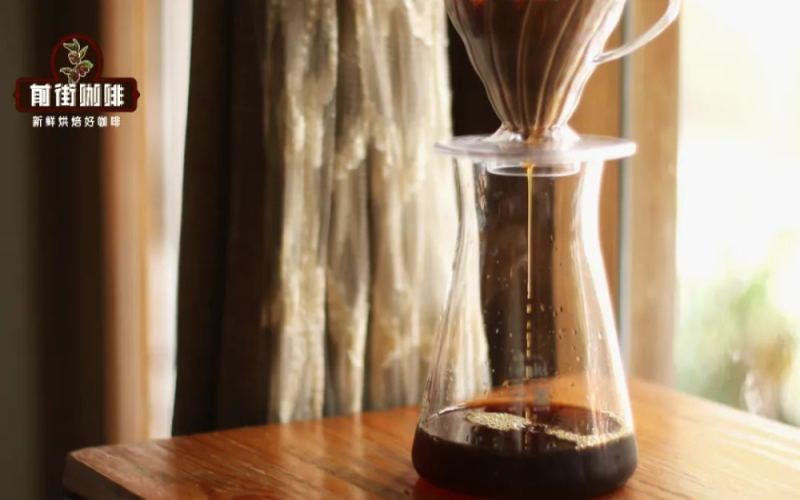
Should Cold Brew Coffee Be Filtered? A Detailed Guide to Cold Brew Equipment, Steps, and Practical Tips to Speed Up Filtration
When making cold brew coffee at home, the most frustrating step is filtering: the filter paper gets clogged by fine particles, the coffee liquid drips slower and slower, and anyone in a hurry to leave the house can only wait anxiously. Why is the filtration speed of cold brew so much slower than pour-over at the same grind size? Is there a way to get the grounds out in one step, or even skip filtering altogether? This article focuses on the filtration problems of cold brew coffee. It first explains the principle behind clogging caused by fine particles clumping together, then offers three practical solutions: cold brewing directly with a non-woven filter bag, stirring thoroughly after brewing before filtering, and first laying down a bed of coarse coffee grounds to catch the fine particles. The article also includes Front Street Coffee's comparative experiment data and grind size recommendations to help you make a cold brew coffee with full flavor and refreshing fruity acidity. [more…]
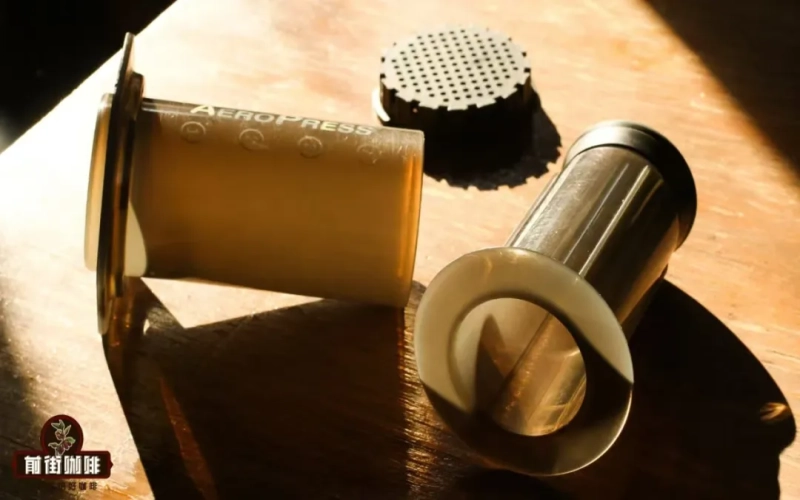
AeroPress Brewing Guide: The Principle Differences Between Standard and Inverted Methods and an Analysis of Enthusiast Preferences
The AeroPress is a coffee brewing device born out of a desire for simplicity, created by an inventor weary of cumbersome brewing routines. By combining immersion, stirring, and pressing, it allows users to obtain a rich, flavorful single-origin coffee in a very short操作 time. The AeroPress is highly versatile: it can be used with the officially recommended upright (standard) method, or with the inverted method by flipping the chamber, and by adjusting grind size, water temperature, coffee-to-water ratio, and stirring time, a wide variety of brewing recipes can be developed. Interestingly, although the official recommendation is the upright method, most enthusiasts prefer the inverted method. Front Street Coffee will explain in this article what upright and inverted mean, and discuss why the inverted method is more popular. [more…]

How to Choose the Water Temperature for Pour-Over Coffee? A Detailed Explanation from Dissolution Principles to Brewing Practice of Temperature's Influence on Flavor
What water temperature is actually suitable for pour-over coffee? Does a higher temperature always mean better extraction? Starting from everyday dissolution phenomena, this article explains how water temperature affects coffee extraction efficiency, and uses cupping immersion experiments and pour-over comparison data to show how coffee flavor actually performs at different temperatures. The article also explores competition brewers' high-temperature brewing strategies, and why Front Street Coffee recommends a relatively narrow brewing temperature range, helping enthusiasts understand the key role of water temperature in brewing and avoid common misconceptions. [more…]
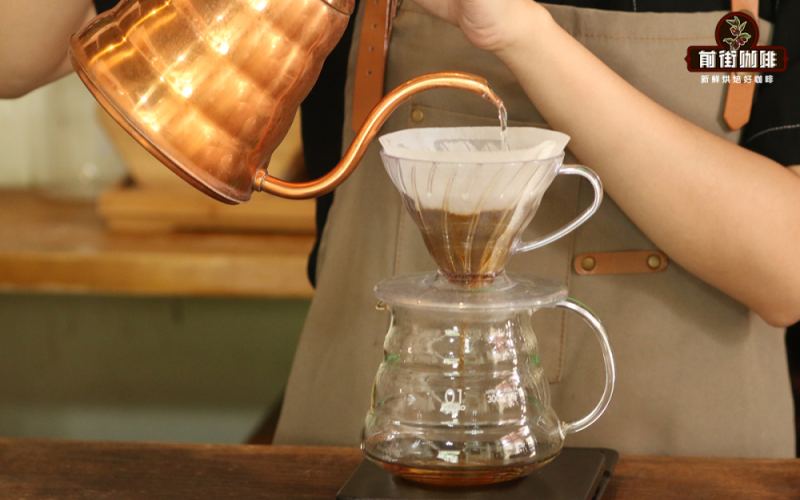
An In-Depth Analysis of Pour-Over Coffee Pouring Techniques: How Washing and Immersion Affect Single-Origin Extraction
The joy of pour-over coffee lies in its many variables, and the pouring technique is precisely the most difficult part to control. Front Street rarely emphasizes technique in its daily brewing sharing, because technique itself is full of uncertainty—if you do not understand the extraction logic behind it, the more you master, the more likely your results will become inconsistent. This article will focus on the two mechanisms in the pouring process—flush extraction and immersion extraction—analyze how the number of pouring stages affects the extraction yield and total time, and highlight why circular pouring can effectively reduce turbulence and improve flushing efficiency. Whether you are a beginner just getting into pour-over or an enthusiast hoping to refine your skills, understanding these underlying principles can help you brew a delicious single-origin coffee with greater ease. [more…]
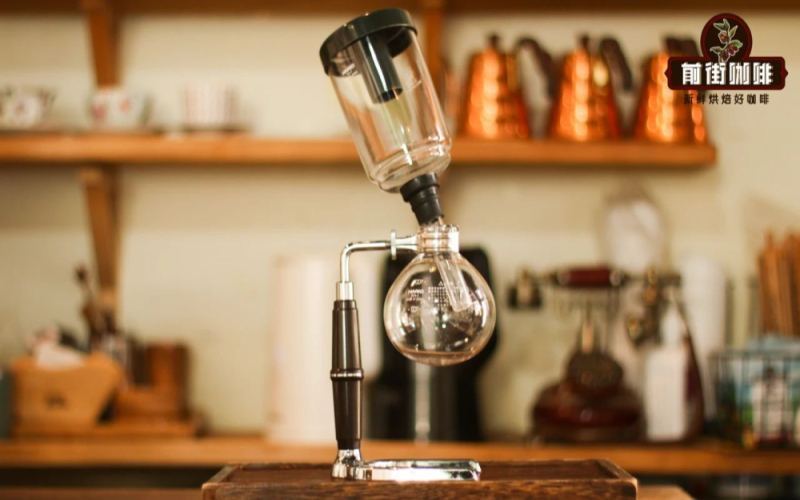
Complete Guide to Siphon Coffee Brewing: From Working Principles to Front Street Blue Mountain No. 1 Practical Parameters
The siphon pot, also known as the syphon, is a brewing device with a long history that has nevertheless remained active on the coffee stage. It uses changes in gas pressure to drive hot water upward and draw the coffee liquid back down. As an immersion-style extraction method, it can more fully bring out the layers and richness of flavor. This article begins with the origin and working principle of the siphon pot, then gradually breaks down the key steps in the brewing process, including heat intensity, water temperature, grind size, and stirring. Using the medium-dark roasted Front Street Jamaica Blue Mountain No. 1 as an example, it provides a specific method with a coffee-to-water ratio of 1:14, a water temperature of about 88°C, and an extraction time of about 60 seconds, helping coffee lovers reliably recreate at home a cup of siphon coffee that is rich, balanced, and has a long-lasting sweet aftertaste. [more…]
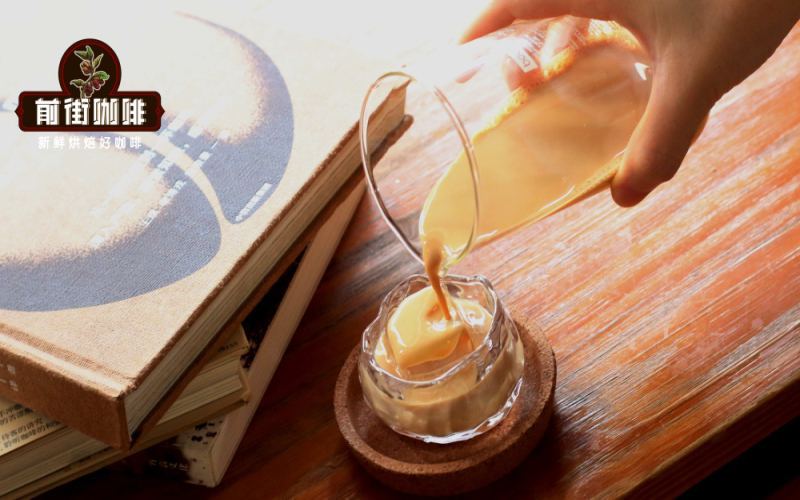
Can Drip Bag Coffee Be Used to Make a Latte? An Analysis of Feasible Methods and Techniques for Making Milk Coffee with Drip Bags
Many coffee enthusiasts with limited equipment want to know whether they can make a delicious milk coffee using drip bags. The essence of a latte lies in the fusion of a highly concentrated coffee base with milk, while drip bags are limited by pre-ground coffee and the drip extraction method, so their concentration is naturally insufficient. But as long as you master the right methods—increasing the amount of coffee powder, reducing the amount of water, and combining this with stirring or microwave heating—you can still make a milk coffee at home that is close to latte flavor. This article will explain in detail, from principles to practice, the complete steps for making highly concentrated coffee with drip bags, and recommend several medium-dark roast drip bag products from Front Street that are suitable for pairing with milk. [more…]
How to Brew Delicious Aeropress Coffee? A Full Breakdown of the Four Key Brewing Variables and Equipment Features
At a time when siphon and pour-over coffee are all the rage, the AeroPress, with its syringe-like shape and simple operation, is becoming a hot new trend among baristas. This device is easy to use, lightweight, and drop-resistant, so you can brew a cup anytime at home or outdoors. This article will outline the core features of the AeroPress—brewing completed in about one minute, a sediment-free cup after filtering, and hassle-free cleaning—and break down the four major factors that determine coffee quality: water temperature, stirring, time, and pressure, analyzing how each variable affects the final flavor. At the end, it also includes the AeroPress brewing parameters for Front Street 90+ Candlelight for everyone to reference and practice with. [more…]
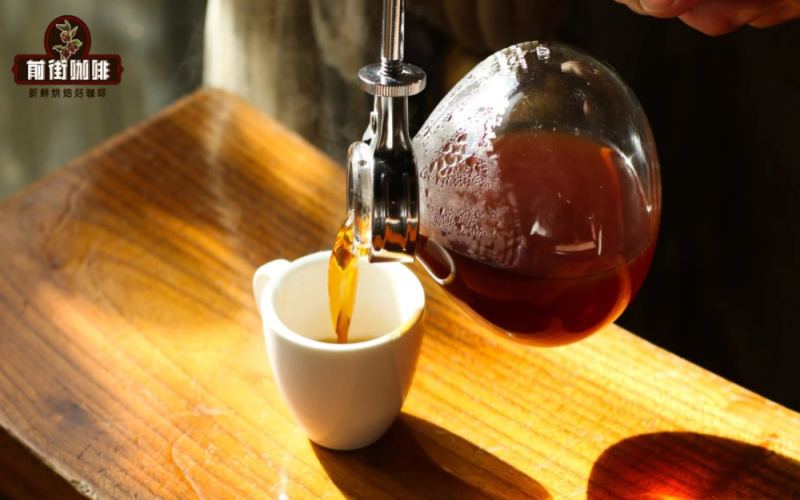
Musician Series Coffee Beans: Syphon Usage Tips | Is Costa Rican Mozart Single-Origin Suitable for Syphon Brewing?
When we correctly use a siphon to brew a pot of coffee, the coffee's aroma is fuller and its mouthfeel is richer. The reason is that the siphon filters the coffee grounds with a cloth filter, and the pores of the cloth filter are relatively large, so it cannot filter out some fine coffee particles. As a result, coffee brewed with a siphon has a pleasant texture in the mouth. And let [more…]
The Complete Guide to French Press Cold Brew Coffee: Bean Selection, Coffee-to-Water Ratios, and Refrigerated Brewing Techniques
Want to drink cold brew coffee without buying extra equipment? A French press can easily get the job done. This article walks through the complete process of making cold brew coffee with a French press, first explaining why immersion extraction has a high margin for error and a low barrier to operation, then combining Front Street's bean selection experience to recommend coffee beans with floral and fruity notes and sweet, mellow types suitable for cold brew. It then uses a 300ml French press, a 1:10 coffee-to-water ratio, and 30g of Front Street Strawberry Candy coffee beans as an example to demonstrate step by step grinding, pouring water, stirring, refrigerating for 8 to 16 hours, filtering, and drinking suggestions, while also adding practical details such as refrigeration storage time and flavor changes, helping you consistently make a clean and smooth cup of French press iced coffee. [more…]