








Let's start with a brief introduction to the origin of the siphon pot. The siphon pot originated in Europe, 70 years earlier than pour-over. Between 1830 and 1840, Loeff in Berlin, Germany, was the first to invent and patent the glass siphon extraction method with upper and lower chambers. Later, through continuous improvements in France, the United Kingdom, and Germany, it was brought to Denmark and Japan in the mid-20th century and began to enter the market on a large scale, reaching its peak in the 1950s.
Siphon Principle
The lower chamber of the siphon pot can be called the capacity chamber. It is spherical and marked with water volume scales for several cups, used to hold the coffee liquid. The upper chamber is cylindrical and used to extract coffee. This principle is actually the siphon phenomenon in physics.
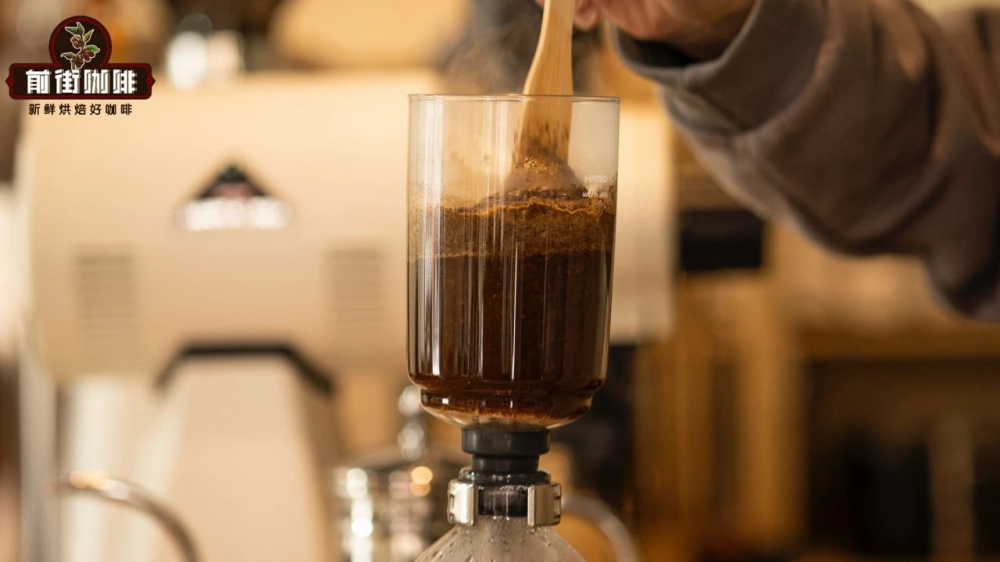
When the water in the lower chamber of the siphon is heated, it produces steam and pressure, pushing the hot water from the lower chamber up through the glass tube into the upper chamber and beginning to brew the coffee grounds in the upper chamber. After extraction is complete, turn off the heat and remove the heat source. At this point, the lower chamber is already in a semi-vacuum state and has lost its upward pressure, so the lower chamber then draws the coffee liquid from the upper chamber back down. (If you want the coffee extract to flow back faster, you can wipe the lower chamber with a wet cloth, which reduces the pressure difference between the upper and lower chambers and makes the coffee extract flow back faster.) The coffee grounds are blocked by the filter cloth in the upper chamber, completing extraction.

There are many ways to brew coffee. Different equipment, different techniques, different grind sizes, different times, and so on can all extract a cup of coffee. Or, with the same set of equipment, you can also play with different variations, and maybe the coffee you extract will surprise you quite a bit~~ Today let's share the stirring method and immersion method for the siphon pot!!
Don't rush, first let's take a look with Front Street at the basic information of this bean used in this brewing experiment~~
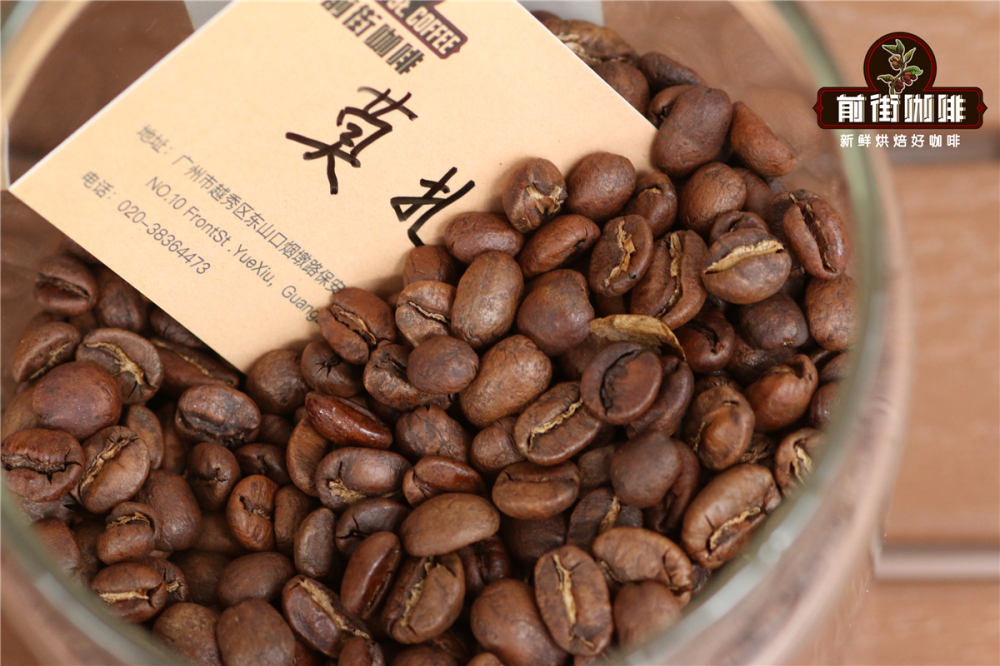
Costa Rica Canet Musician Series Mozart
Front Street Coffee: Costa Rica Mozart Coffee Beans
Region: Tarrazu Canet Estate
Variety: Caturra, Catuai
Altitude: 1950
Processing: Raisin honey processing
Flavor: Raisin, osmanthus, berry, pineapple, caramel
The Costa Rica Canet Estate · Music Series Mozart bean has rich floral aromas and soft fruit acidity. The raisin processing method also gives this bean fermented aromas and berry and raisin flavors! Alright, without further ado, let's brew it quickly. First, let's look at a stirring method~
Parameters: 1:10 coffee-to-water ratio, 20 g coffee, fine grind (EK43s grinder setting 9 / 85% passing a Chinese standard No. 20 sieve), water temperature 90°C.
Method: Add 200 g water to the lower chamber. When the water temperature in the lower chamber reaches 90°C, insert the upper chamber tightly. When the water rises to the upper chamber, add the grounds and stir to let the coffee grounds fully contact the water. After 30 seconds, stir back and forth in a cross pattern for one round to break the crust. At 56 seconds, remove the heat source to let the coffee liquid flow back. (Start timing when the grounds are added.) Extraction time is 1 minute 8 seconds.

Flavor: Floral, berry, fermented wine aroma, raisin.
Next, let's do an immersion method.
Parameters: 1:10 coffee-to-water ratio, 20 g coffee, medium-fine grind (EK43s grinder setting 9 / 85% passing a Chinese standard No. 20 sieve), water temperature 90°C.
Method: Add 200 g water to the lower chamber. When the water temperature in the lower chamber reaches 90°C, insert the upper chamber tightly. When the water rises to the upper chamber, add the grounds and stir to let the coffee grounds fully contact the water. After 1 minute of immersion, remove the heat source to let the coffee liquid flow back. (Start timing when the grounds are added.) Extraction time is 1 minute 32 seconds.
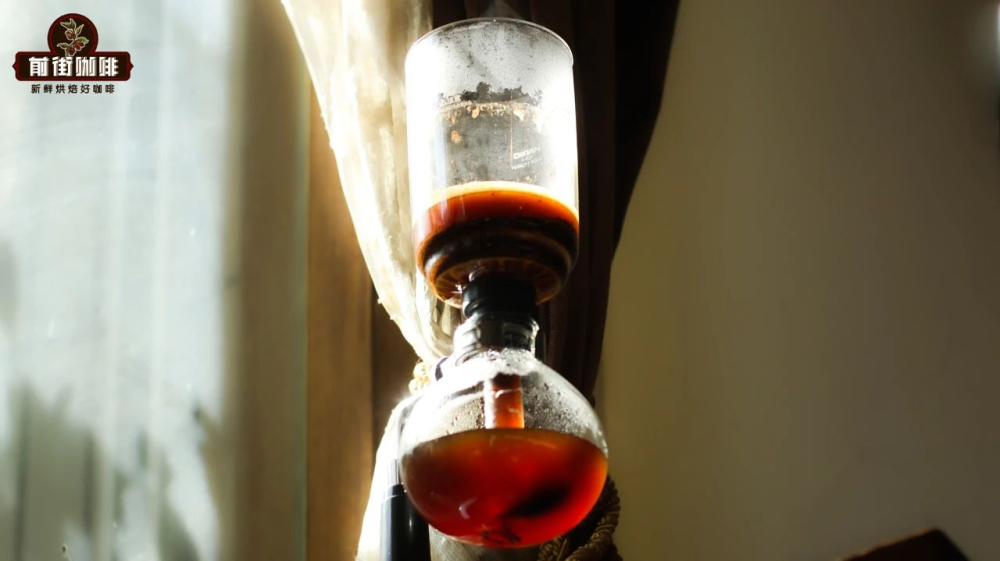
Flavor: Osmanthus aroma, berry, raisin, caramel.
The difference between using these two methods to extract with a siphon pot is that the coffee extracted by the stirring method has a stronger fermented wine aroma, a fuller mouthfeel, and, as it cools, the sweet-tart taste of raisins; while the coffee extracted by the immersion method has a more obvious osmanthus aroma, and when a bit cooler, has berry and raisin notes with a slightly thinner mouthfeel, but it is very fresh and sweet. One is fuller, and the other is more refreshing.

Of course, taste varies from person to person. You can also choose your preferred extraction method according to your own taste~~ However, regarding the siphon pot, the editor still has something to say. The siphon pot extracts coffee under continuous heating, and the water temperature should be kept between 86-94°C as much as possible. In this way, the extraction rate of the coffee grounds is higher, and it remains continuous and stable, with fewer variables, so the extracted coffee tastes more stable. Even if you are a beginner just starting out with coffee, you can brew a cup of rich, aromatic coffee with a full body. Remember to clean the filter cloth after each use, and replace it after a period of time; otherwise, it can easily affect the coffee's flavor~~
The above content is compiled by CoffeeHunters, a coffee news website.


