







Slurry Flow: A Practical Fix for Coffee Ground Too Fine
When pour-over coffee grounds are too fine, the coffee bed can become a muddy mass that slows drainage and leads to over-extraction. If you cannot adjust the grind, as with pre-ground coffee, an alternative is the slurry flow method. This approach uses very fine grounds with agitation to quickly dissolve flavors, then dilutes with hot water. The result is a balanced cup with normal extraction yield, even when the grind is finer than ideal.
A muddy coffee bed usually signals that the grind is too fine or the grinder produces too many fines. Over-extraction often follows, making the cup bitter. While you can adjust a grinder for next time, pre-ground coffee locks in the grind size. Instead of giving up, try immersion brewing or the slurry flow technique. Both can rescue overly fine coffee, but slurry flow is especially useful for a concentrated, low-extraction brew that still tastes full and clean.
When brewing pour-over coffee, if a thick, muddy coffee bed appears in the dripper instead of a well-defined, granular bed, it often means the coffee grounds are too finely ground, which can easily lead to over-extraction. When faced with the dilemma of pre-ground coffee that cannot be made coarser, besides switching to immersion extraction, there is another distinctive approach with high concentration and low extraction—slurry flow. It uses extremely fine grinding combined with agitation to rapidly dissolve flavor compounds in a short time, then dilutes with hot water, resulting in coffee with a normal extraction yield and full flavor. In this article, Front Street will explain in detail the principles and specific operating parameters of slurry flow, helping you calmly handle the problem of coffee grounds being too fine.
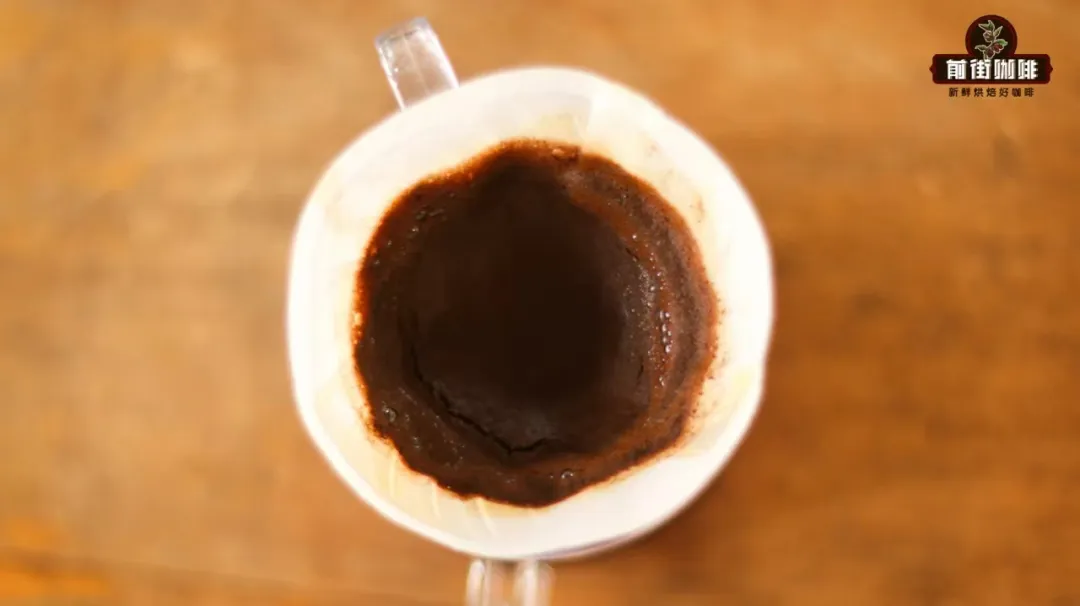
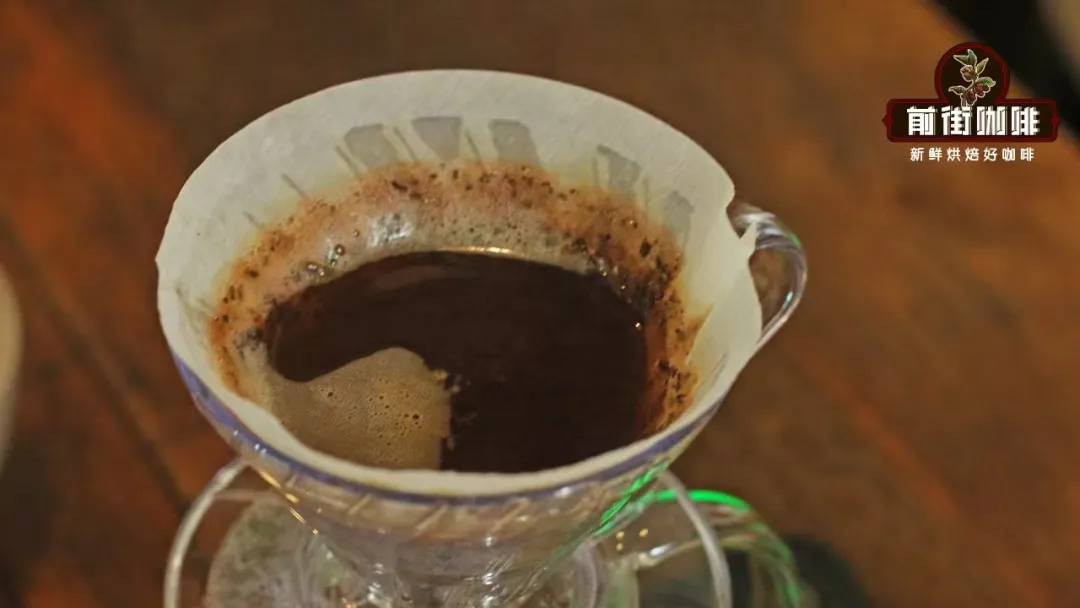

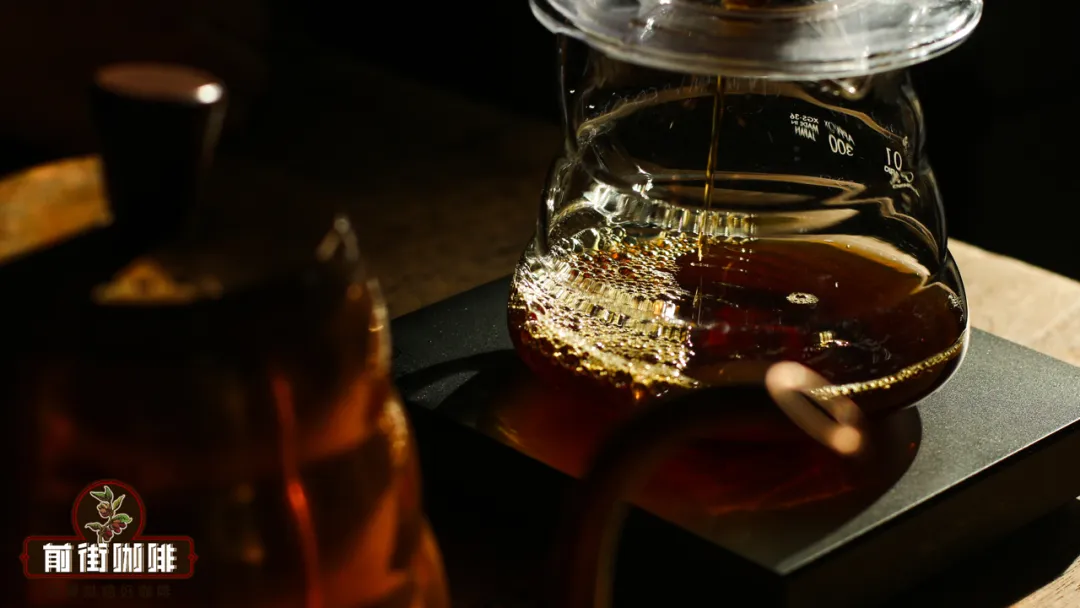

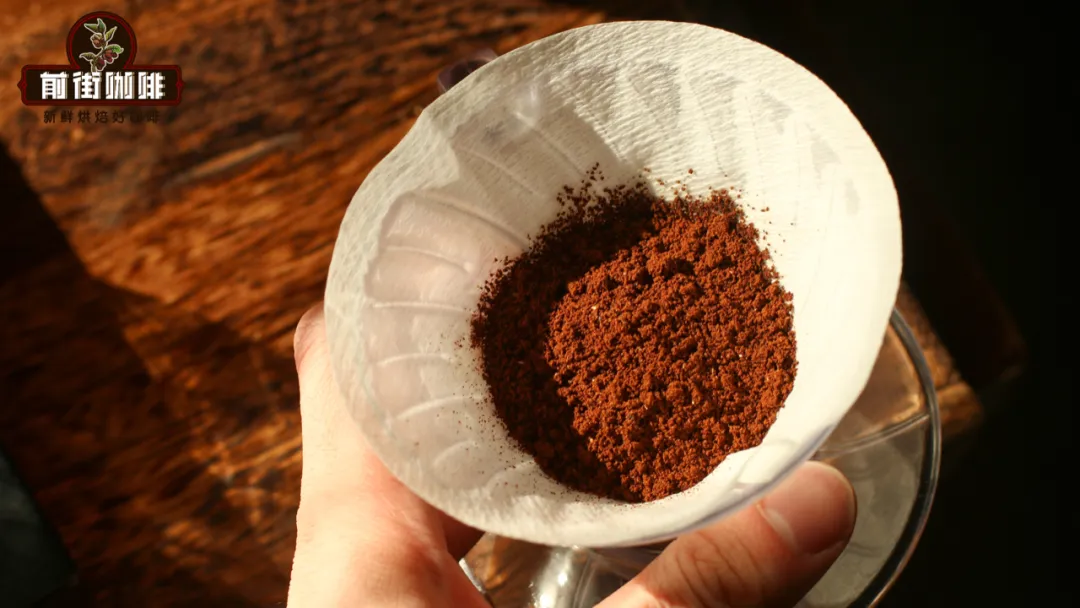

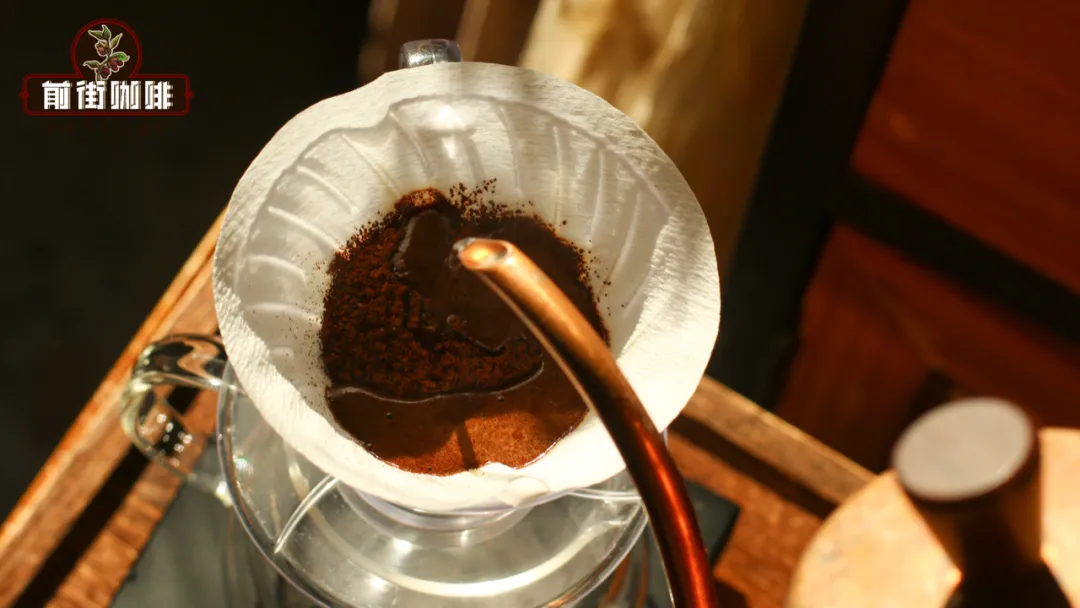
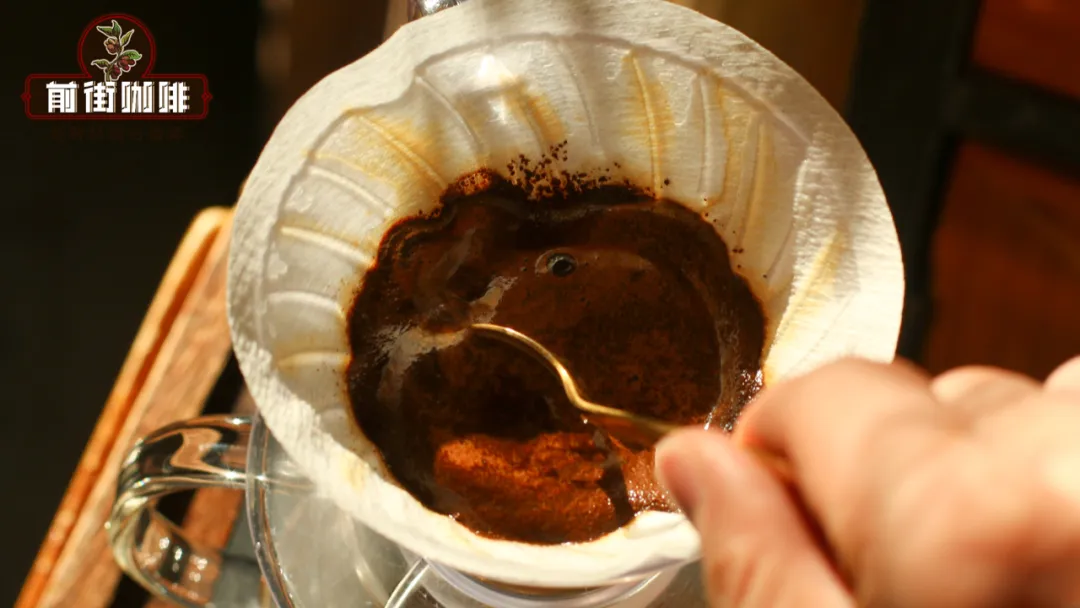
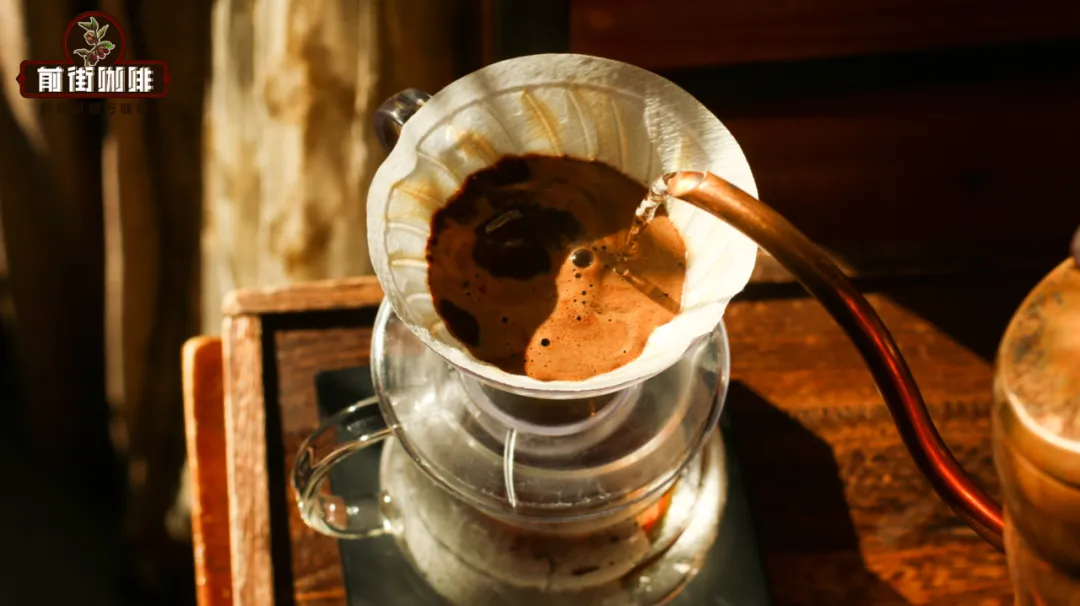
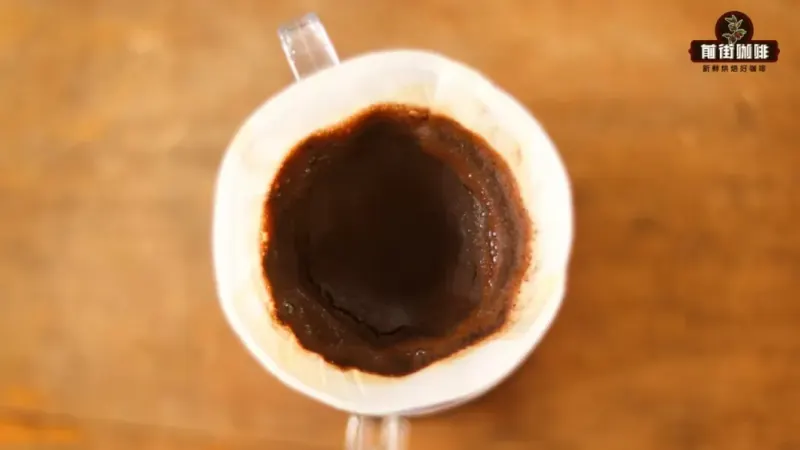
Have you ever encountered this situation when brewing coffee: after brewing, the coffee bed in the dripper does not form the usual clearly granular bed, but instead turns into a sticky, wet "mud pit," just like in the picture below. Front Street often uses this phenomenon as a negative example in explanations. The cause of the "mud pit" is mainly coffee grounds being ground too fine, or the grinder's grinding quality being subpar (excessive fines), creating a passive situation (though some people deliberately create a "mud pit").
A passively formed "mud pit" is not pleasant, because it basically signals that the cup of coffee will most likely be over-extracted. Grounds that are too fine prolong the extraction time, pushing the extraction yield beyond the reasonable range. This is also why when many friends ask at Front Street stores why their brewed coffee tastes bitter or over-extracted, Front Street always first asks about the extraction time and the shape of the coffee bed at the end of brewing.
If we grind the coffee ourselves, that is easier to handle—if it is too fine this time, just adjust it coarser next time. But if we bought pre-ground coffee and the grounds are already extremely fine, with water draining so slowly it is frustrating, then under the situation where the grind size is already locked in, does that mean we can only stare helplessly, let the coffee over-extract, or simply throw away the bag of grounds?
Of course not. We do not need to be discouraged. Since conventional brewing methods cannot handle this bag of coffee well, let's take another path.
If the coffee grounds are ground too fine, how can we remedy it?
There are two methods. The first is to directly give up pour-over and switch to immersion extraction methods such as a French press or a Clever Dripper. Immersion extraction has a high tolerance for error and is enough to keep the extraction yield from exceeding the limit. For specific operations, you can refer to Front Street's article on "Immersion Extraction" and simply follow the same idea. But if we still want to use pour-over to present this coffee, we must first understand the principles.
Coffee has a generally recognized delicious extraction range, namely 18%~22% in the Golden Cup extraction theory (though not absolute, most delicious coffee does indeed fall within this range). To bring the extraction yield into this range, we need to adjust the extraction efficiency of various parameters so that water carries out the target substances in appropriate amounts.
These extraction efficiencies stack on one another, just like 1+1+1+1=4. Once one parameter in the formula changes, the overall extraction efficiency changes accordingly. For example, when Front Street brews 15g of light-roasted coffee grounds, the usual parameters are: coffee-to-water ratio 1:15, grind size similar to fine granulated sugar, water temperature 92°C, extraction time 2 minutes. Coffee brewed with this set of parameters has an extraction yield of about 20%. If other conditions remain unchanged and only the coffee grounds are ground finer, the final extraction yield will rise to 23%. Grinding finer also affects time, that is, as mentioned earlier, the water drains more slowly and the extraction time is prolonged, which further pushes up the extraction yield. This explanation should not be difficult to understand.
Then if the grind is too fine and we want the extraction yield to return to 20%, we should lower the extraction efficiency of the other three items, such as lowering the water temperature, reducing the amount of water, or shortening the extraction time. These are things everyone should be able to handle on their own. But if the grounds are so fine that the resulting coffee bed directly becomes a puddle of "mud," then the conventional ideas above will not work.
Because the coffee grounds are too fine, the gaps between particles become smaller, making it difficult for hot water to pass through. The draining speed not only will not slow down, but will instead increase greatly, and the extraction time will be prolonged accordingly. At the same time, lower water temperature will prevent some substances from fully dissolving, and the taste of the coffee will be left without guarantee.
In this situation (when the coffee grounds are ground very fine), Front Street recommends using the high-concentration, low-extraction approach. That is, use less hot water to extract most of the substances from the coffee. The limited amount of water is enough to restrict the substances released by the coffee grounds, so even if the extraction time is on the longer side, over-extraction is less likely. The remaining question is how to use this small amount of hot water to bring out the substances in the coffee grounds.
Recently, a distinctive brewing method particularly suited to this situation has become popular, called "slurry flow." What Front Street mentioned earlier about some people deliberately creating a "mud pit" refers to this school. The method is to grind the coffee grounds to flour-like fineness, then use high concentration and low extraction combined with agitation to rapidly dissolve the substances in the coffee grounds in a short time. Finally, simply pour in additional hot water to dilute the coffee liquid, and you can easily get a cup of pour-over coffee with full flavor and a normal extraction yield.
Front Street has tried it several times before, and it is indeed a very practical brewing method, especially when the coffee grounds are ground too fine. So next, Front Street will share how to carry out this distinctive "slurry flow" brewing method.
So how exactly should it be operated?
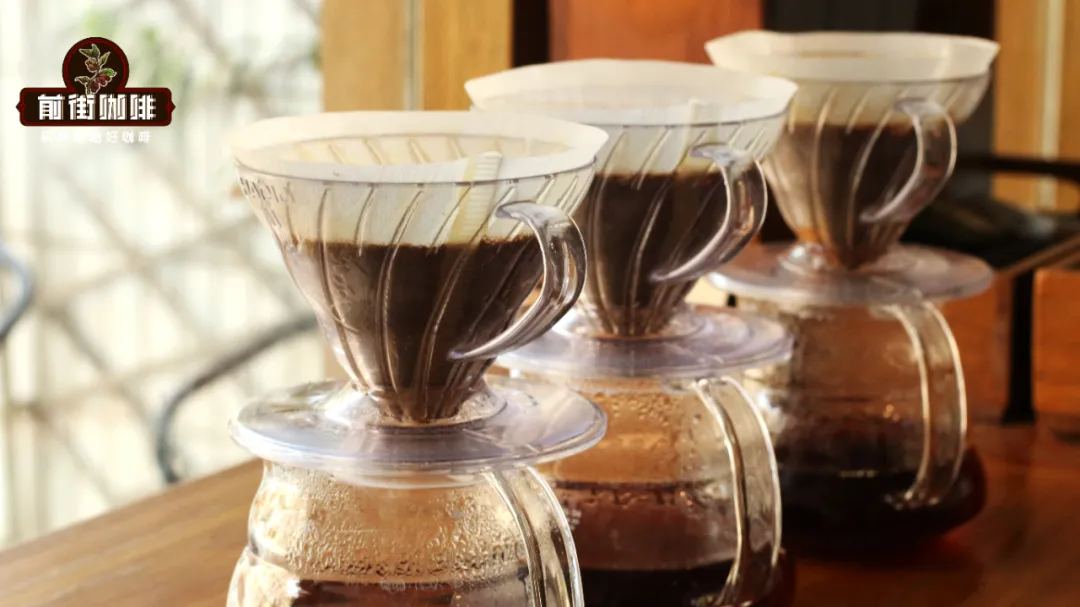
To demonstrate the effect of this brewing method more intuitively, this time Front Street will use a flour-like espresso grind for the demonstration. The coffee beans used are Papua New Guinea · Bird of Paradise. The parameters are as follows: 15g coffee, grind level flour-like espresso grind, coffee-to-water ratio 1:10, water temperature 88°C, brewing method agitation, dripper V60 (best paired with a fast-flow dripper). Also remember to prepare a chopstick or spoon, as it will be needed for stirring.
With 15g of coffee and a 1:10 coffee-to-water ratio, 150ml of hot water is needed. We will pour this 150ml of water in two stages: 30ml for blooming and 120ml for the second stage. First, pour in 30ml of hot water and bloom for 30 seconds. (It is best to use a spoon to make a small hole in the center of the coffee bed before pouring, so the hot water penetrates better.)
After pouring the blooming water, immediately use a spoon to stir the coffee bed, because the coffee grounds are ground too fine and it is difficult for the hot water to fully wet all the particles.
After blooming ends, pour in all the remaining 120ml of hot water in one go while stirring.
Stop stirring when the water level drops to half of the dripper. The rest is just waiting for the coffee liquid to finish dripping. Then remove the dripper, pour in 70ml of hot water to dilute the coffee, and it is ready to enjoy.
After measurement, the extraction yield of this cup of coffee fell at 21%, which is a relatively full extraction. It tastes appropriate, with no negative signs of improper extraction. Sweetness, acidity, and bitterness are balanced, the flavor stands out, and the mouthfeel is rich. If your coffee grounds also happen to be ground too fine, you might as well try this distinctive brewing method.
- END -
The above content is compiled by CoffeeHunters, a coffee news website.


