







What Is the History of Siphon Coffee and How Does It Brew?
The siphon appeared in Europe roughly seventy years before pour-over. Loeff of Berlin designed a two-pot glass siphon in the 1830s to 1840s and patented it. Heated water in the lower pot is pushed into the upper pot by steam pressure, and when the heat is removed the coffee returns to the lower pot, completing coffee extraction.
After improvements in France, the United Kingdom, and Germany, the siphon spread to Denmark and Japan and peaked in the 1950s. Using Costa Rica Canet Estate Mozart beans grown at 1,950 meters, the stirring method and the immersion method produce different flavor presentations. Wiping the lower pot with a wet cloth speeds the return of the coffee liquid by reducing the pressure difference.
The siphon has a history more than seventy years older than pour-over, and its extraction principle relies on the physical siphon phenomenon, using steam pressure generated by heating the lower pot to push hot water into the upper pot to complete coffee extraction. This article begins with the origin and working principle of the siphon, then uses Costa Rica Canet Estate Mozart coffee beans from an altitude of 1,950 meters as an example to demonstrate the complete brewing processes of the stirring method and the immersion method respectively, comparing the differences in flavor presentation between the two approaches. Whether you are a beginner who has just encountered the siphon or an enthusiast looking to adjust your extraction approach, you can find practical reference here.
First, let us briefly talk about the history of the siphon. This device was born in Europe, about seventy years earlier than the advent of pour-over coffee. In the 1830s to 1840s, Loeff of Berlin, Germany, was the first to design a glass siphon extraction device with a two-pot upper-and-lower structure and applied for a patent. After subsequent continuous improvements in France, the United Kingdom, Germany, and elsewhere, it spread to Denmark and Japan by the middle of the twentieth century, gradually entered the mass market, and reached its peak in the 1950s.
The Siphon Principle
The lower pot of a siphon, also called the capacity pot, is spherical in shape and marked with water volume graduations corresponding to the number of cups, used to hold the coffee liquid; the upper pot is cylindrical and is responsible for extracting the coffee. The core of how the entire device operates is the siphon phenomenon in physics.
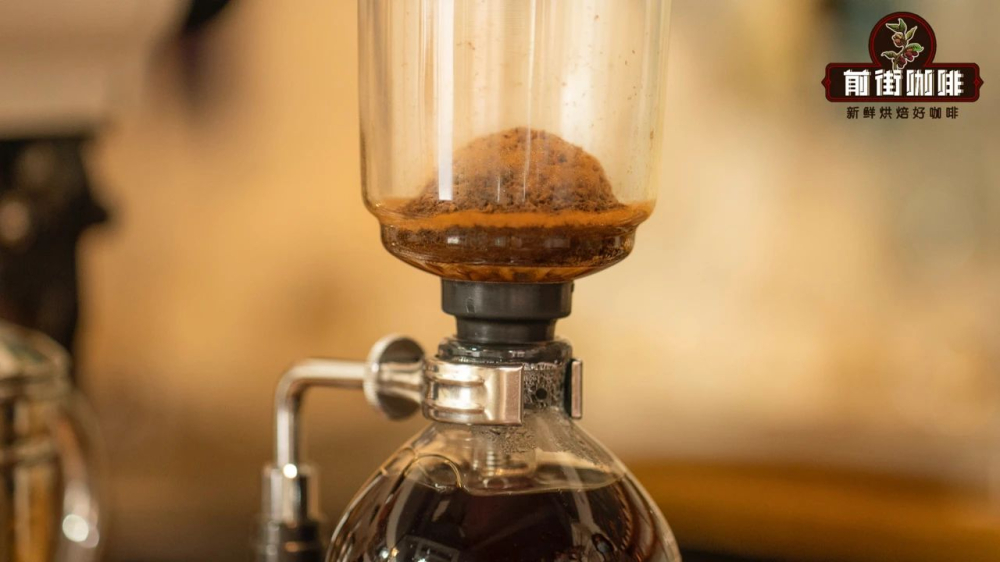
After the water in the lower pot is heated, it generates steam and pressure, pushing the hot water upward through the glass tube into the upper pot, thereby beginning to soak the coffee grounds in the upper pot. After extraction is complete, turn off the heat and remove the heat source. The lower pot is then in a semi-vacuum state, the upward pressure disappears, and the coffee liquid in the upper pot is drawn back into the lower pot. (If you want to speed up the return of the coffee liquid, you can wipe the lower pot with a wet cloth to reduce the pressure difference between the upper and lower pots, and the return speed will increase.) The coffee grounds are intercepted by the cloth filter in the upper pot, and extraction is complete.
There are countless ways to brew coffee, and different devices, techniques, grind sizes, and times can all affect the final result. Even with the same set of equipment, trying a different approach may bring unexpected surprises. Today we are sharing the stirring method and the immersion method for the siphon. What are their respective characteristics? Don't rush, first take a look with Front Street at the basic information of the beans used in this brewing experiment.
Costa Rica Canet Musician Series Mozart Front Street Coffee: Costa Rica Mozart coffee beans Region: Tarrazu Canet Estate
Variety: Caturra, Catuai Altitude: 1950 Process: Raisin honey process Flavor: Raisin, osmanthus, berry, pineapple, caramel
The Costa Rica Canet Estate Musician Series Mozart has rich layers of floral aroma and soft fruit acidity. The raisin honey process gives it fermented aromas as well as berry and raisin flavors. Without further ado, let's start brewing right away, beginning with a demonstration of the stirring method.
Parameters: coffee-to-water ratio 1:10, 20 grams of coffee, fine grind (EK43s grinder setting 9 / China standard No. 20 sieve pass rate 85%), water temperature 90°C.
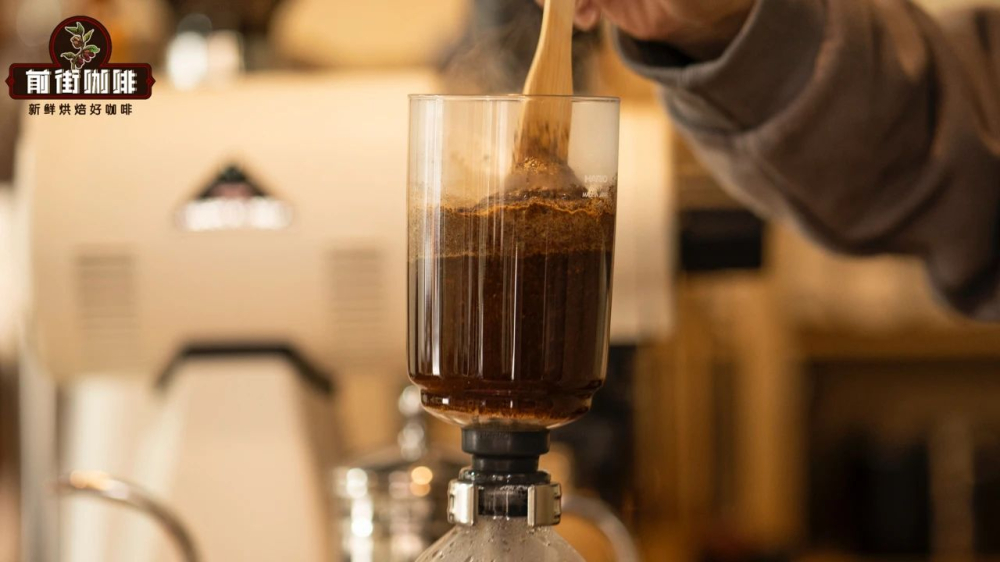
Method: Pour 200 grams of water into the lower pot. When the water temperature reaches 90°C, insert the upper pot tightly. After the water rises into the upper pot, add the coffee grounds, stir so the coffee grounds and water make full contact, at 30 seconds stir back and forth in a cross pattern for one full circle to break the crust, and at 56 seconds remove the heat source to let the coffee liquid return. (Timing starts from adding the coffee grounds.) Total extraction time is 1 minute 8 seconds.
Flavor: Floral, berry, fermented wine aroma, raisin.
Next, let us demonstrate the immersion method. Parameters: coffee-to-water ratio 1:10, 20 grams of coffee, medium-fine grind (EK43s grinder setting 9 / China standard No. 20 sieve pass rate 85%), water temperature 90°C. Method: Pour 200 grams of water into the lower pot. When the water temperature reaches 90°C, insert the upper pot tightly. After the water rises into the upper pot, add the coffee grounds, stir so the coffee grounds and water make full contact, immerse for 1 minute, then remove the heat source to let the coffee liquid return. (Timing starts from adding the coffee grounds.) Total extraction time is 1 minute 32 seconds.
Flavor: Osmanthus aroma, berry, raisin, caramel.
What is the difference between the coffees extracted by the two methods? The stirring method yields a richer fermented wine aroma and a full-bodied mouthfeel, with a raisin-like sweet-tartness after the temperature drops; the immersion method has a more prominent osmanthus aroma, and when the temperature is lower it presents berry and raisin flavors with a slightly thinner mouthfeel, but it is fresh and sweet. One leans fuller, the other leans more refreshing.
Of course, taste preferences vary from person to person, and everyone can also choose a suitable extraction method according to the flavor they like. Regarding the siphon, there are still a few points to keep in mind: the siphon extracts coffee under continuous heating, so the water temperature is best maintained between 86 and 94°C, which gives coffee grounds a higher extraction yield, remains stable, has fewer variables, and produces a relatively consistent flavor, so even beginners who have just started can brew a cup of coffee with a rich body and intense aroma. Also remember to clean the cloth filter after each use and replace it in time after a period of use, otherwise it can easily affect the taste of the coffee.
The above content is compiled by CoffeeHunters, a coffee news website.


