







Can drip bag coffee make a latte without a machine?
Drip bags can make a milk coffee at home, though the base is weaker than espresso. A latte needs a concentrated coffee base so milk does not drown the flavor, and drip bags are pre-ground pour-over, so concentration is limited. Increasing the dose, cutting the water and stirring or briefly heating the brew all raise strength.
Without an espresso machine, a moka pot or hand press produces liquid of similar concentration through pressure extraction. Drip bags skip grinding and travel well, which suits daily black coffee; for milk drinks the article recommends medium-dark roast drip bags from Front Street Coffee and gives the full steps from principle to practice.
Many coffee lovers with limited equipment wonder whether they can make a delicious milk coffee using drip bags. The essence of a latte lies in the fusion of a high-concentration coffee base with milk, but drip bags are limited by pre-ground coffee and pour-over extraction, so their concentration is naturally insufficient. However, as long as you master the right methods—increasing the coffee dose, reducing the water amount, and using stirring or microwave heating—you can still make a milk coffee at home that comes close to a latte. This article will break down the complete steps for making high-concentration coffee with drip bags, from principles to hands-on practice, and recommend several medium-dark roast drip bag products from Front Street Coffee that pair well with milk.
"When we don't have many tools on hand, we always hope to make the most of the materials available to satisfy our coffee needs. If conditions aren't ideal, we create them ourselves!" A customer friend asked Front Street Coffee this question—can drip bags really make a delicious latte?
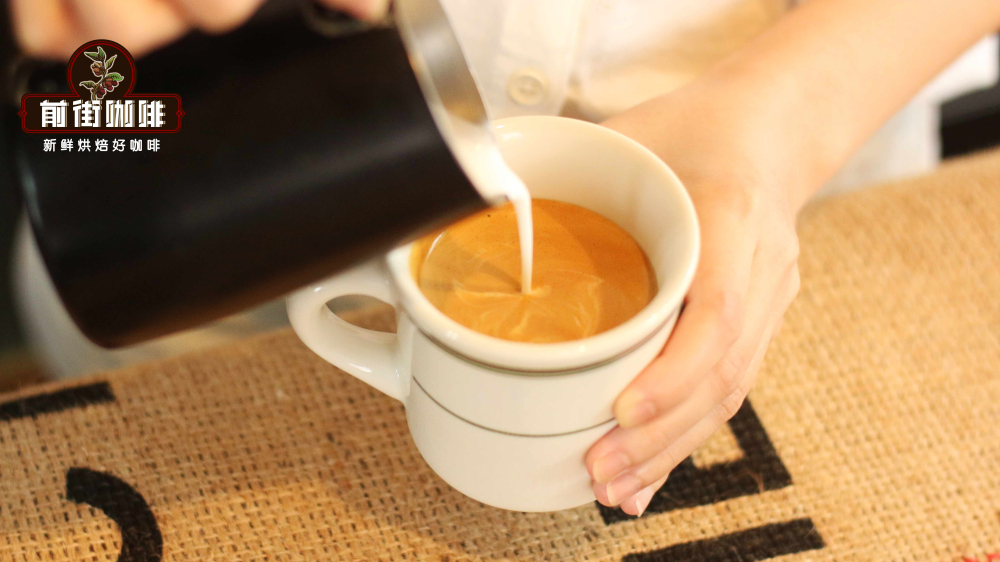
Everyone knows that a latte is a drink made with espresso as the base, with milk added. Because the coffee base is very high in concentration, even when a large amount of milk is added, the coffee flavor is not overwhelmed by the milk. At the same time, the large amount of milk also dilutes the bitterness of the coffee, making it rich, smooth, and sweet without being bitter—arguably a coffee drink with extremely high acceptance.
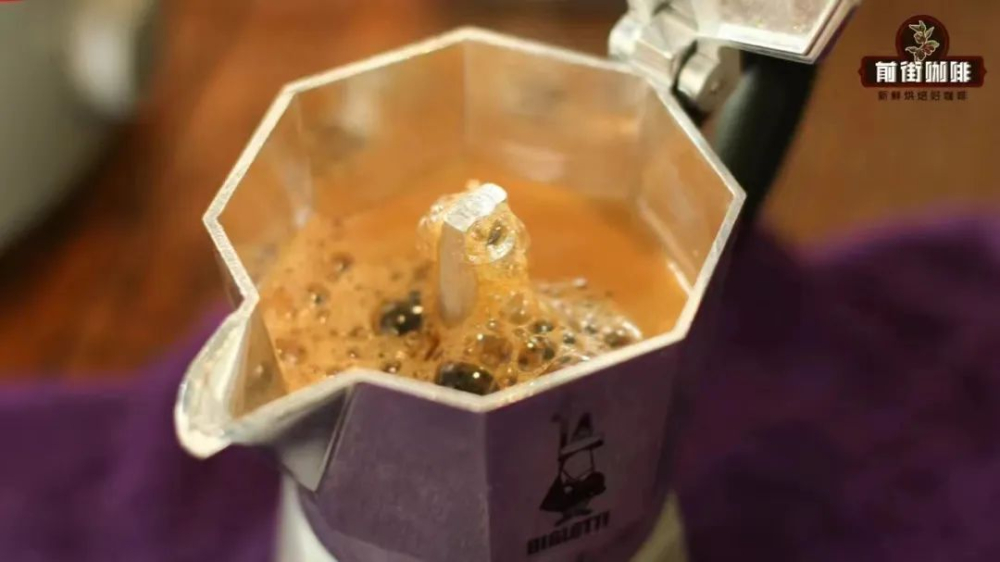
From this, it's clear that milk and high-concentration coffee are the two core elements that make a sweet, fragrant latte. Milk is easy to handle; the real challenge is the high-concentration coffee. Generally speaking, the base used in a latte comes from espresso extracted under pressure by an espresso machine. If you don't use an espresso machine, you need a Moka pot, a hand press, or other equipment that also uses pressure-based extraction to produce coffee liquid of similar concentration.
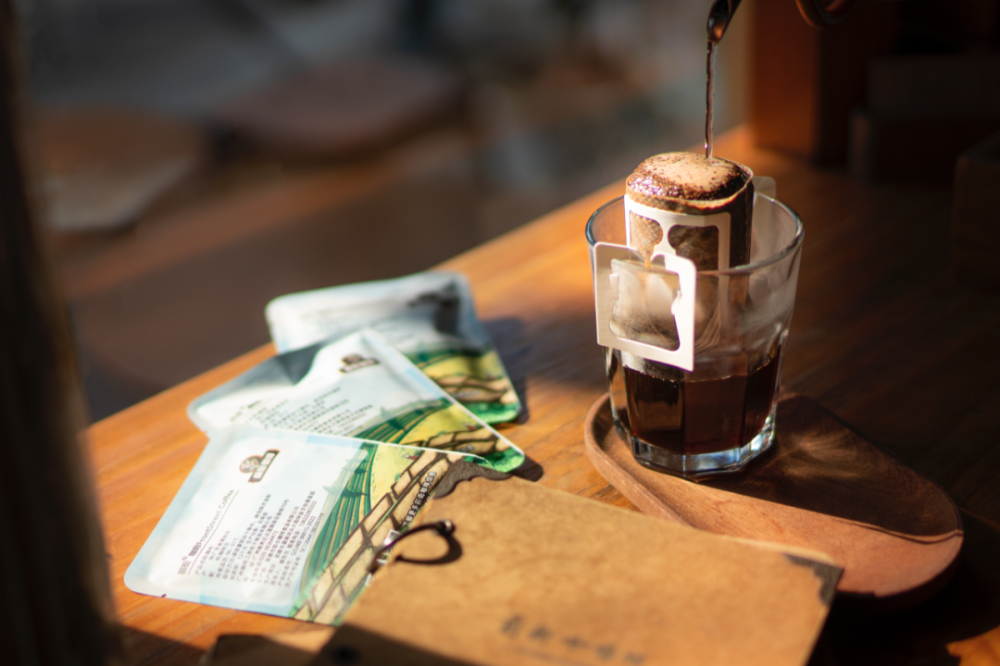
Drip bags are essentially a simplified version of pour-over coffee. For the sake of convenience, the coffee grounds are pre-ground and sealed into drip bags. This way, the grinding step is skipped during brewing, and with their compact size and portability, drip bags are indeed very convenient for daily use.
If you're just brewing a delicious cup of black coffee, drip bags can certainly accomplish that task excellently. But when it comes to making a delicious milk coffee, the difficulty rises noticeably.
The difficulty is mainly reflected in two aspects. The first is the extraction method: drip bags can only use drip or immersion methods, both of which are far less efficient than pressure-based extraction. The second is grind size: the coarseness of coffee particles has a huge impact on extraction efficiency, and drip bags are pre-ground products, so the grind size is fixed at the factory and users cannot adjust it.
In other words, we are greatly constrained in extraction—the extraction method is not efficient, and the grind size can't be changed. Under such limitations, can drip bags really make a milk coffee comparable to a latte?
To achieve exactly the same effect as a latte is almost impossible. Under existing conditions, making a liquid with concentration equal to espresso is unrealistic. Therefore, we need to appropriately lower our concentration requirements—making a milk coffee with a style close to a latte is still entirely feasible.
How to make a delicious milk coffee with drip bags?
Milk itself has a sweet, smooth mouthfeel. To make the taste more balanced, baristas suggest choosing medium-dark roast drip bag coffees to pair with it. Priority recommendations are Front Street Coffee Queen's Estate drip bag with prominent roasted peanut aroma, Front Street Coffee Huila drip bag with dark chocolate flavor, and Front Street Coffee Mandheling drip bag with a spicy caramel taste.
To get a cup of high-concentration coffee, you need to increase the coffee-to-water ratio and reduce the extraction water, allowing more coffee substances to dissolve in a limited space. This also means that besides grind size, the water amount will also be limited. Drip extraction obviously won't work in this situation because the water amount is too small. So we can only use immersion and improve efficiency by adjusting extraction parameters other than grind and water amount. The only remaining parameters we can adjust are water temperature and time.
But even if you use freshly boiled hot water for extraction, due to the small water amount, the hot water temperature will quickly drop as it's absorbed by the coffee grounds. If you want the hot water to extract more coffee substances under these conditions, the only option is to extend the immersion time. However, nobody wants to wait too long for a latte. Therefore, there are currently only two methods to make strong coffee with drip bags in a short time.
The first method is adding stirring. Through stirring, flavor substances can be forcibly and quickly brought out, thus obtaining a high-concentration coffee in a short time. Next, Front Street Coffee will demonstrate how to make a high-concentration coffee with drip bags.
Almost forgot to mention—to get a small amount of hot water to extract more substances, increasing the coffee dose is essential. Here at Front Street Coffee, we use 20 grams of coffee to extract 60 milliliters of liquid. Front Street Coffee's drip bags are 10 grams each, so you need 2 drip bags.
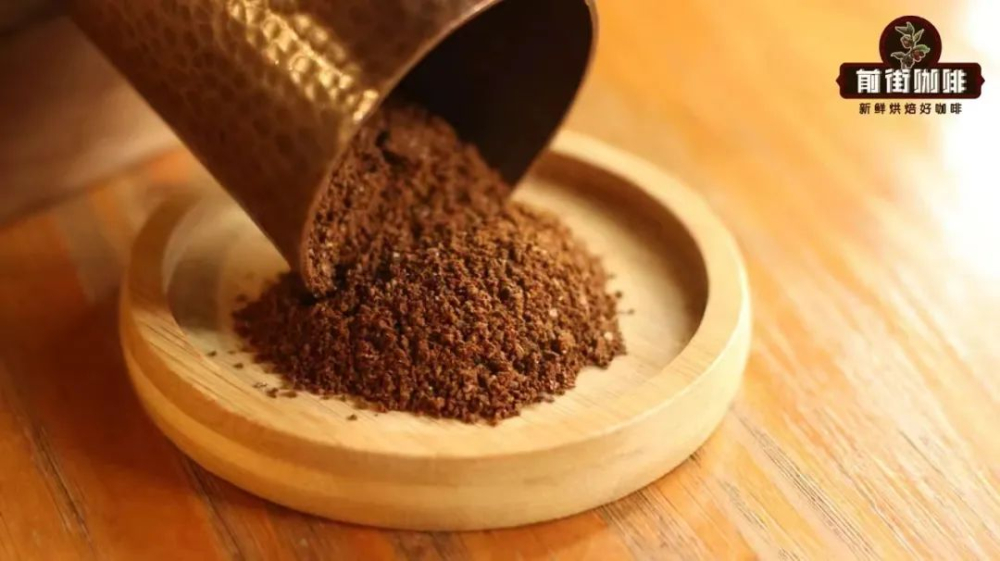
Take out 2 drip bags, tear open the seals, and pour all the coffee grounds into a prepared container.
Then heat water to 100°C and pour it into the cup. The coffee-to-water ratio is 1:5, meaning 20 grams of coffee grounds correspond to 100 milliliters of boiling water. (Coffee grounds absorb twice their weight in water, so you'll end up with about 60 milliliters of coffee liquid.)
Press the timer to start timing, and at the same time take out a stirring stick and stir continuously for thirty seconds to let the flavor substances in the coffee release quickly. After stirring, let it sit and steep for one and a half minutes.
When time is up, take out the inner bag of the drip bag—that little white bag—and set it over another cup.
Then pour all the coffee liquid from the container into it to filter out the coffee grounds.
After all the coffee liquid has filtered through, you have a high-concentration coffee. Then you can pour in iced milk or hot milk according to your preference. The ratio of coffee to milk can be anywhere from 1:3 to 1:4. A milk coffee made with drip bags is now complete—just stir well and it's ready to drink.
Besides the stirring method, you can also use the microwave heating method shared by a well-known content creator. Prepare a heatable container, pour in the coffee grounds and boiling water, put it in the microwave and heat repeatedly, then filter it out after heating. This can also produce a high-concentration coffee in a short time. But note, it's best not to heat it together with milk, because high temperatures will break down the lactose in milk and reduce its sweetness.
The above content is compiled by CoffeeHunters, a coffee news website.


