







How Does the History of Siphon Coffee Shape Modern Brewing?
The siphon pot is an immersion brewer that uses gas pressure changes to push hot water into the upper chamber and draw the coffee back down. The balance siphon, often called the Belgian royal court pot, dates to the 1830s, while the upright Siphon Pot was designed in the 1920s by Japanese inventor Kono Akira, who patented it in 1925 and sold it under the KONO name.
For a reliable cup, a medium-dark roasted Jamaica Blue Mountain No. 1 works well at a 1:14 coffee-to-water ratio, about 88°C water, and roughly 60 seconds of extraction. Because the process is fully visible, coffee brewing with a siphon remains a draw in many traditional coffee shops, especially when paired with an infrared halogen heating lamp.
The siphon pot, also known as the syphon pot, is a brewing device with a long history that has always remained active on the coffee stage. It uses changes in gas pressure to drive hot water upward and draw the coffee liquid back down. As an immersion brewing method, it can more fully present the layers and richness of flavor. This article will begin with the origin and working principle of the siphon pot, then gradually break down the key stages in the brewing process, including heat, water temperature, grind, and stirring. Using medium-dark roasted Front Street Jamaica Blue Mountain No. 1 as an example, it will provide a specific method with a coffee-to-water ratio of 1:14, a water temperature of about 88°C, and an extraction time of about 60 seconds, helping coffee lovers reliably recreate at home a cup of siphon coffee that is rich, balanced, and has a lasting sweet aftertaste.
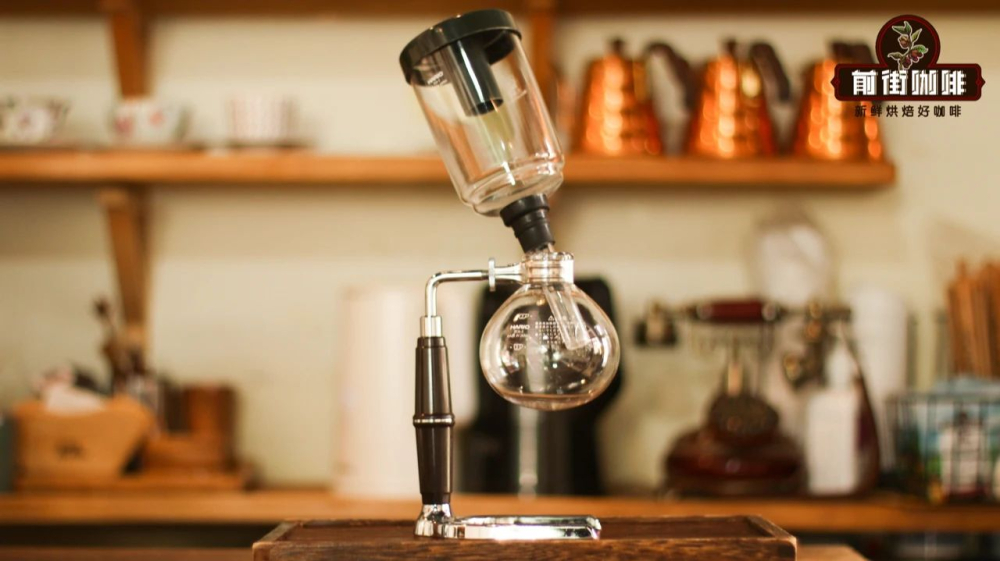
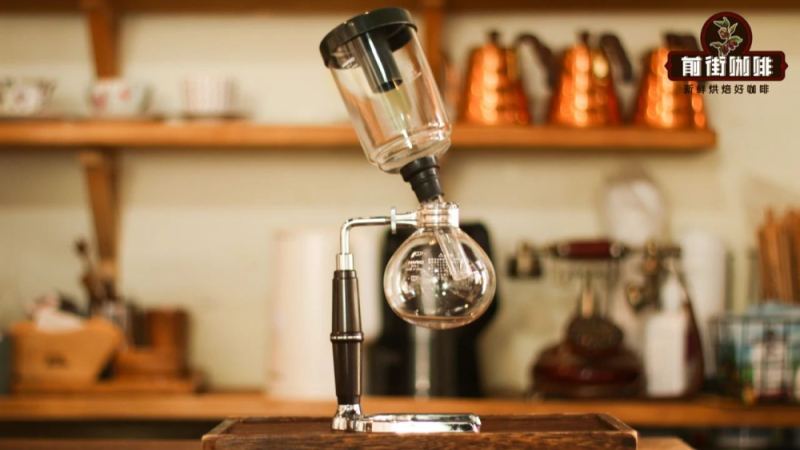
The siphon pot (Vacuum Pot/Vacuum coffee maker/Siphon), also called the syphon pot, is a classic brewing device that has stood the test of time and is still cherished by many coffee lovers.
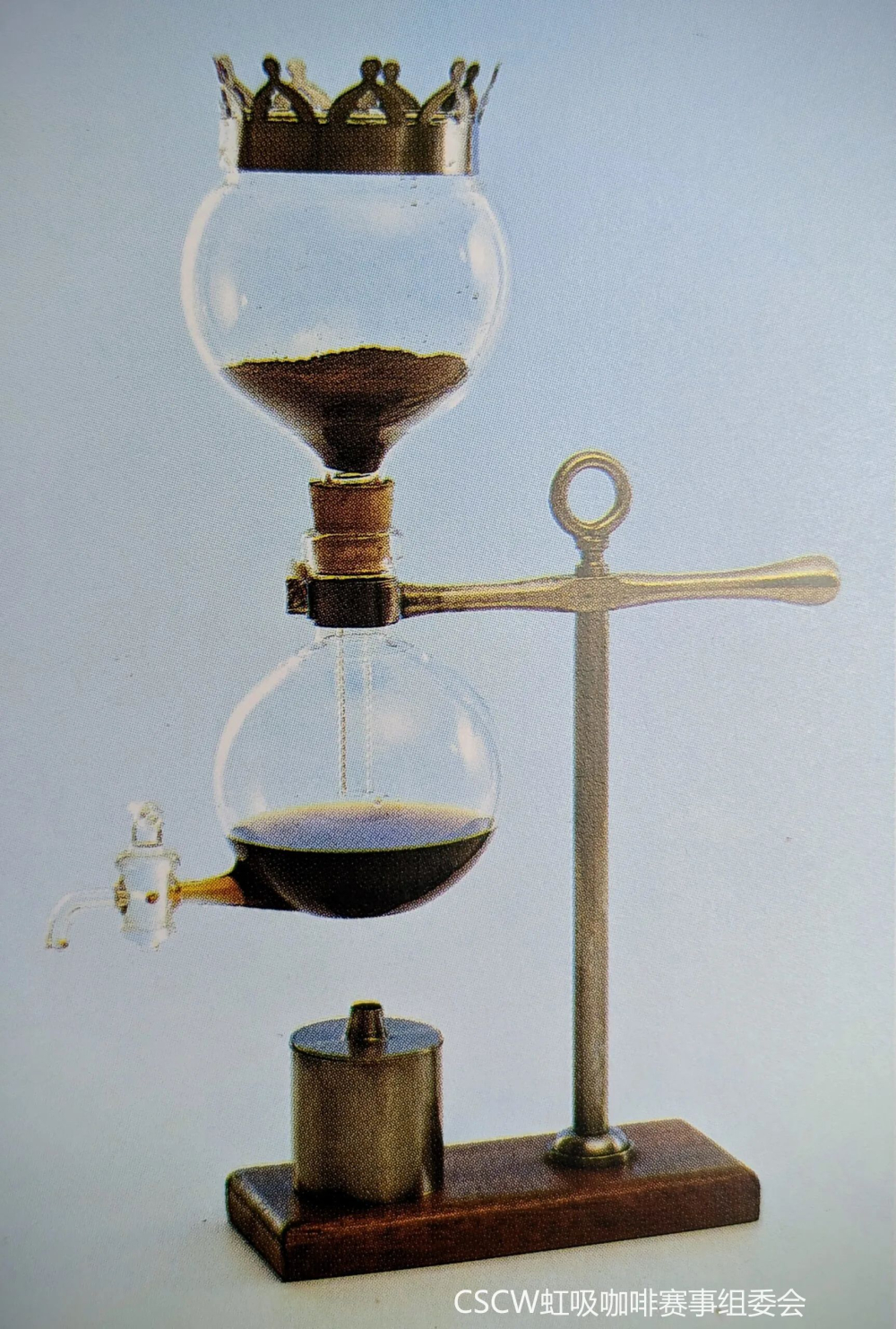
In the 1830s, the balance siphon pot (more often called the "Belgian royal court pot") was invented by the German Loeff (another account says it was born in Britain in the early 1840s and appeared in France in 1842). The first upright siphon pot truly named Siphon Pot was designed in the 1920s by the Japanese inventor Kono Akira. In 1925, after obtaining a patent, he founded KONO and began selling this device under the name Siphon.
In appearance, the Belgian royal court pot is more attractive, but in terms of practical convenience, the upright siphon pot is clearly superior. The process of brewing coffee with a siphon pot has a distinctly laboratory-like quality and is pleasing to the eye in itself. Paired with an infrared halogen heating lamp, it is even more visually striking. For this reason, siphon pots can still be seen in many traditional coffee shops.
The principle of making coffee with a siphon pot
The structure and core operation of the siphon pot are based on the ideal gas equation, that is, the relationship among the mass, pressure, volume, and temperature of a gas in an equilibrium state. After heating the glass sphere of the lower chamber, the water inside heats up and produces steam, and the pressure rises accordingly, pushing hot water up through the glass tube into the upper chamber. The hot water contacts the coffee grounds in the upper chamber and completes extraction. When the heat source under the lower chamber is removed or turned off, the temperature in the lower chamber drops, the gas contracts, the pressure decreases, and it gradually approaches a vacuum state. The pressure difference between the upper and lower liquid surfaces, together with the force of gravity on the liquid itself (potential energy difference), causes the brewed coffee to flow back quickly into the lower chamber after filtration, leaving only coffee grounds in the upper chamber.
Unlike the extraction principle of pour-over, the siphon pot uses immersion extraction, which is better for showing the completeness and layering of flavor and can further enhance the body and lingering finish of the coffee in the mouth. In this compact device, everything from heat control to the timing of adding coffee grounds to the stirring motion matters. Once you study it in depth, the pleasure is endless.
To showcase the true charm of the siphon pot, the following uses medium-dark roasted Front Street Jamaica Blue Mountain No. 1 coffee beans as an example to brew a cup of rich, aromatic black coffee with a siphon pot.
Flavor characteristics of Blue Mountain No. 1 coffee
Front Street Jamaica Blue Mountain coffee is one of the world's well-known island coffees, and its variety is Typica. As is widely known, the Arabica species was first discovered in Ethiopia and later spread to other countries through Yemen. The coffee-growing history of many countries began this way, and Jamaica is no exception. Its coffee history can be traced back as early as 1728, when a French nobleman brought three Typica coffee seedlings to Jamaica for planting.
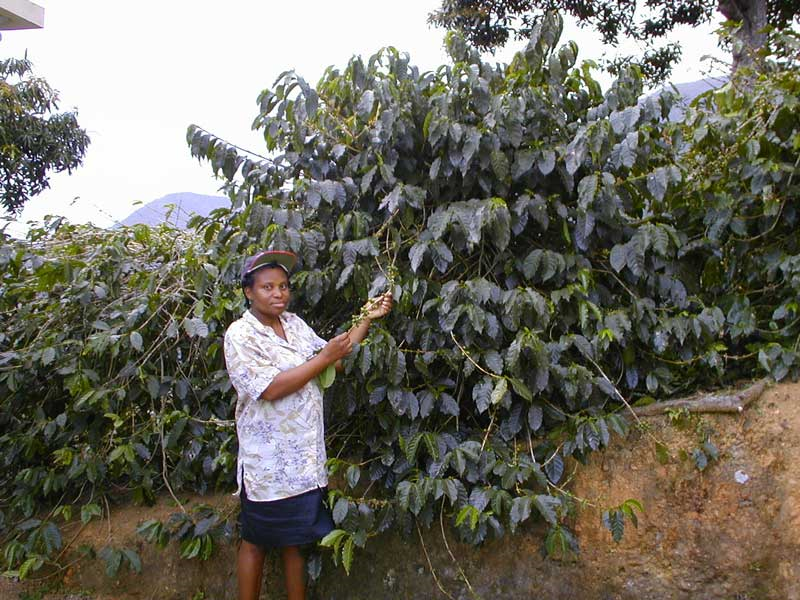
Jamaica is a relatively closed island country and also enjoys exceptional microclimatic conditions. The country has always grown only Arabica varieties, so the Typica here has not undergone hybridization or mutation and has always maintained pure bloodlines. Therefore, some people also call Jamaica's Typica "Blue Mountain variety."
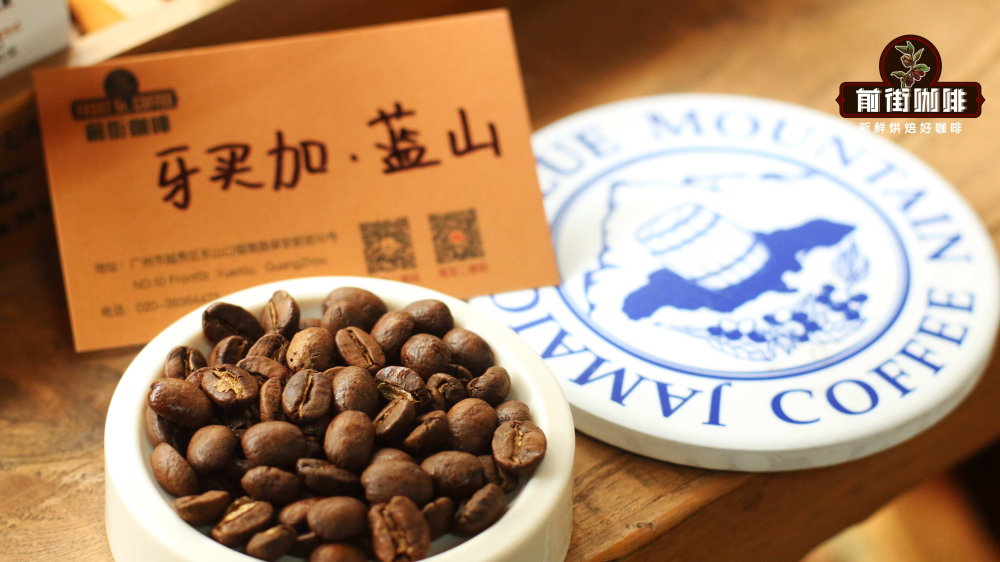
Top-grade Front Street Blue Mountain No. 1 green beans must meet specifications of 17 screen or above, a defect rate below 3%, and a moisture content of about 13%. After roasting, cupping can present a rich coffee aroma, especially flavors of cream, chocolate, and nuts. When sipped, it has a smooth, balanced mouthfeel, relatively low acidity, and a lasting sweet aftertaste.
How to brew Blue Mountain coffee with a siphon pot
Next, let's look at the extraction parameters for siphon Blue Mountain coffee: this time Front Street uses a fast-paced extraction method, paired with medium-dark roasted coffee beans — Jamaica Blue Mountain No. 1. The water temperature is chosen at about 88°C, that is, sealing when the water in the lower chamber is brought to frequent bubbling;
Because the extraction time is not long, only 60 seconds, and the coffee beans are relatively dark roasted, the grind size can be appropriately coarser, at 10.5 on the ek43, with a 90% passing rate on a No. 20 sieve; the coffee-to-water ratio is 1:14, that is, 20g of coffee grounds with 280ml of hot water.
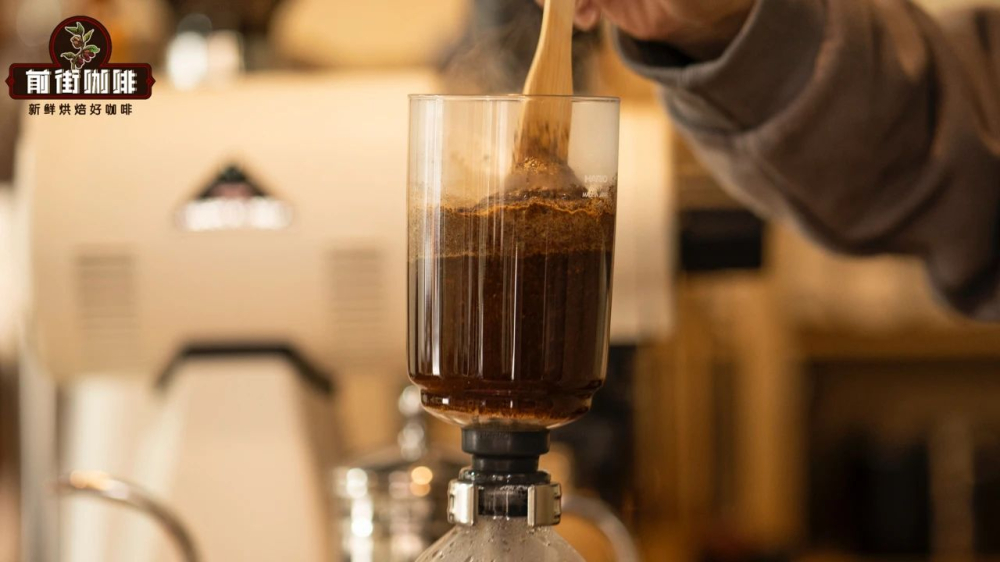
When the time reaches 50 seconds, we perform the final stir. The purpose of this stir is likewise to increase the dissolution of coffee substances, but the difference is that, because extraction has already reached the final stage, there are not many remaining sweet and sour substances in the coffee, so the stirring force should be reduced at this point. As Front Street currently uses, this is the circular stirring method, slowly drawing circles.
Slightly cooled siphon Blue Mountain coffee has a very rich mouthfeel, with dense aromas of dark chocolate, caramel, and roasted nuts. As the coffee temperature approaches human body temperature, a faint acidity begins to be released, and the coffee becomes balanced in sweetness, acidity, and bitterness in the mouth, with a lingering sweet aftertaste and a very comfortable finish after drinking.
The above content is compiled by CoffeeHunters, a coffee news website.


