







Search Results for: Honey-Processed Coffee
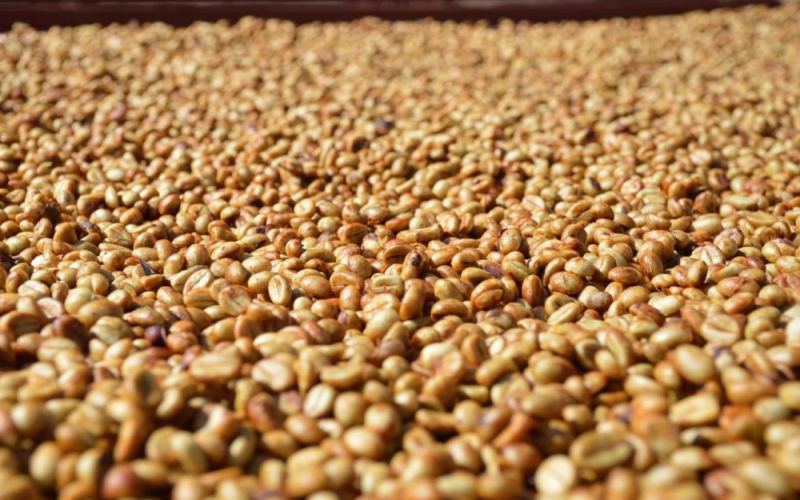
Honey-Processed Coffee Beans Flavor Analysis: Yellow, Red, and Black Honey Grading Standards, Taste Differences, and the Reasons Behind Market Prices
The honey processing method sits between natural and washed processing: it retains the cleanliness of washed coffee while the mucilage layer参与 drying, bringing more pronounced sweetness and caramel notes. This processing method originated in Costa Rica in Central America and was initially linked to water shortages in high-altitude production areas. Depending on the degree of mucilage retention, honey processing can be divided into three levels: yellow honey, red honey, and black honey, each differing in drying time, light conditions, management difficulty, and final flavor. This article will discuss flavor characteristics, grading standards, mouthfeel performance, and the reasons behind pricing, and recommend two representative honey-processed coffee beans from Front Street Coffee for both beginner and advanced enthusiasts to reference. [more…]

How to Choose Honey-Processed Coffee Beans: Flavors and Brewing Methods from Light to Dark Roast
The charm of honey-processed coffee beans often lies in the connection found between fruity aromas, sweetness, and a mellow mouthfeel. After the pulp is removed, part of the mucilage layer on the surface of the coffee fruit is retained, and through drying, sweetness and fermented notes may enter the flavor profile. Depending on the roast level, this sweetness can present itself in floral-fruity, juicy, or caramel directions. [more…]
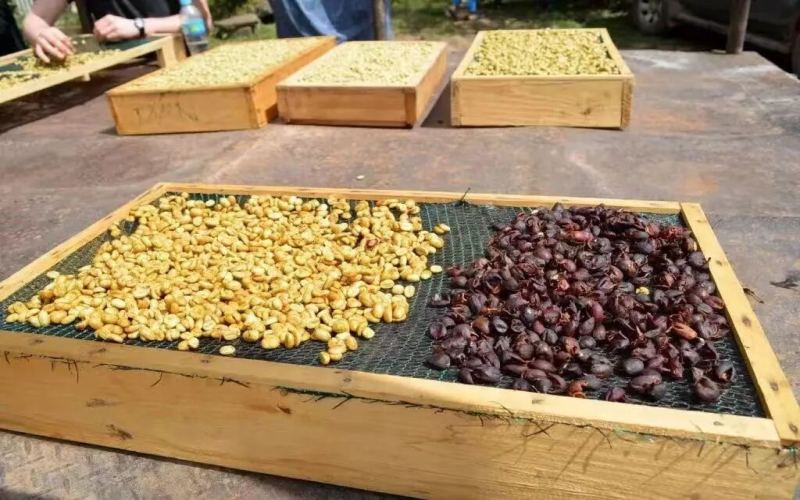
Characteristics of Costa Rican Coffee Beans | What Is Honey Processing? Why Do Costa Rican Coffees Mostly Use Honey Processing? What Flavor Characteristics Do Honey-Processed Coffee Beans Have?
When it comes to which region produces the best honey-processed coffee beans, Costa Rica is undoubtedly the answer. As the birthplace of the honey processing method, Costa Rica has naturally perfected its honey processing techniques to a high degree of mastery. In this article, Front Street Coffee will explain the flavor characteristics of Costa Rican honey-processed coffee beans. [more…]
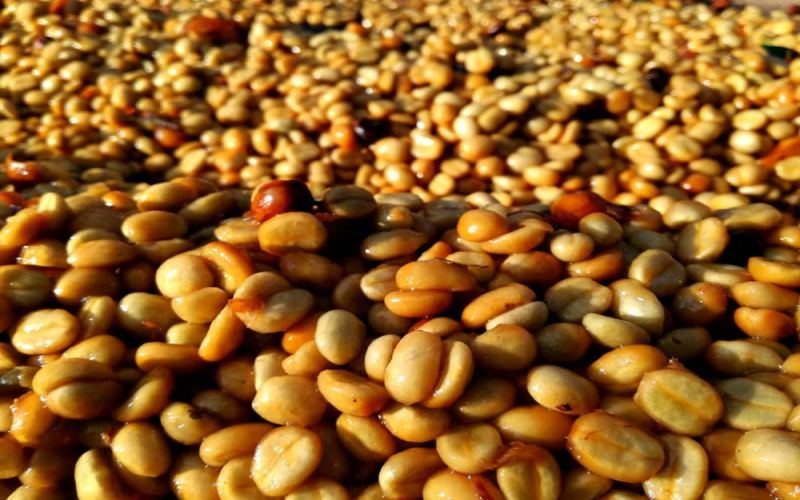
A Complete Guide to Honey-Processed Coffee Beans: How Pectin Retention Shapes Flavor and How to Choose
Honey processing, as a method positioned between washed and natural processing, gives coffee beans a unique sweetness and fermented aroma by controlling the proportion of mucilage retained. This article will break down the honey processing steps of picking and sorting, depulping, drying, and storage, and compare the differences in mucilage retention among yellow honey, red honey, and black honey, analyzing their impact on the final flavor. At the same time, we have selected three representative honey-processed coffee beans from Front Street Coffee, ranging from Blackberry and Strawberry Candy to Mozart, to help you make a choice based on your taste preferences. Whether you are a beginner just getting into specialty coffee or an experienced enthusiast pursuing more advanced flavors, this guide will provide you with practical purchasing reference. [more…]
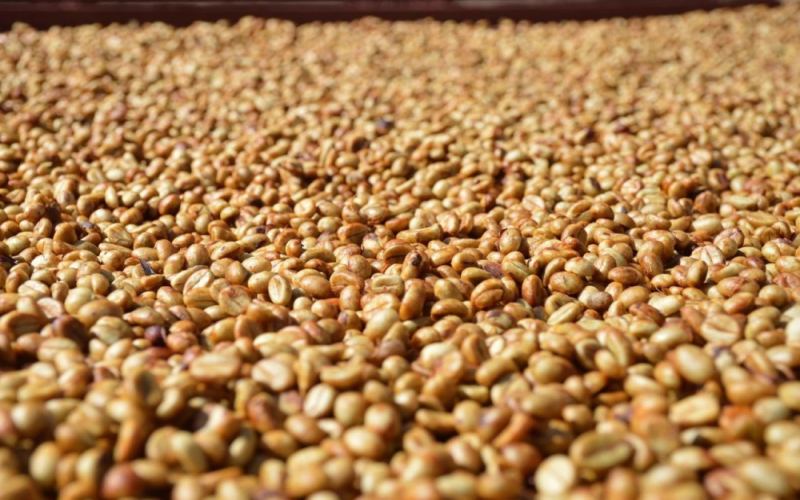
Honey-Processed Coffee Beans Buying Guide: Costa Rica's Regional Advantages and Three Front Street Recommendations
Honey processing is not about processing coffee with honey; it gets its name because the mucilage layer is as sticky as honey. This processing method retains the mucilage layer around the coffee bean, allowing sugars and acidity to seep into the bean during sun-drying, creating a unique flavor that balances sweetness and fruity acidity. Because Costa Rica has richer experience with honey processing and more stable quality control, it has become the preferred region for buying honey-processed coffee. This article explains in detail the principles, process, and flavor characteristics of honey processing, and recommends three distinctive honey-processed coffees from Front Street Coffee—Blackberry, Strawberry Candy, and Mozart—each suitable for espresso and pour-over enthusiasts respectively. [more…]
What Are Honey-Processed Coffee Beans? A Full Analysis of Costa Rican Honey-Processed Flavor and Mouthfeel Characteristics
Honey processing is a green bean processing method that falls between natural and washed processing, and is widely used in producing regions such as Costa Rica, Panama, and Guatemala. It retains the cleanliness of washed coffee while giving the beans a more prominent sweetness and caramel tones through fermentation of the residual mucilage layer. Depending on the degree of washing and drying time, honey processing is further divided into four levels: white honey, yellow honey, red honey, and black honey, with the differences in color corresponding to different flavor profiles. This article will introduce the definition, principles, and classification of honey processing, as well as the flavor and taste characteristics of Costa Rican honey-processed coffee, giving you a comprehensive understanding of this sticky, honey-like processing method, along with relevant recommendations from Front Street Coffee. [more…]
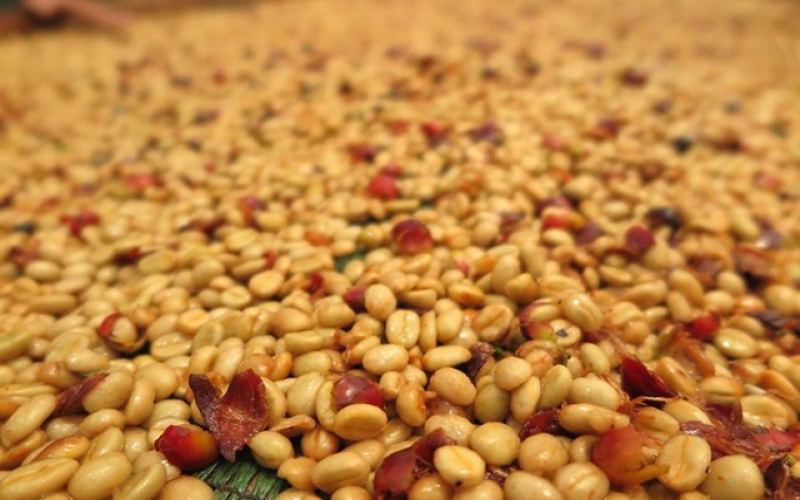
Selected Recommendations for Costa Rican Honey-Processed Coffee Beans: A Detailed Guide to the Entire Black Honey Processing Workflow
Honey processing is a method of green coffee processing that originated in Central America. Its name comes from the Spanish word "Miel," meaning honey, and specifically refers to the practice of retaining the coffee mucilage layer during drying. This processing method evolved from Brazil's pulped natural process and has been widely practiced and promoted in Costa Rica. Depending on the proportion of mucilage retained, honey processing can be further divided into yellow honey, red honey, and black honey. The more mucilage retained, the more pronounced the coffee's sweetness and flavor layers tend to be. This article will begin with the operational workflow of honey processing, gradually analyzing the key points of each stage, and recommend three representative Front Street Coffee honey-processed coffee beans to help coffee enthusiasts better understand and choose this type of specialty coffee with a unique flavor. [more…]
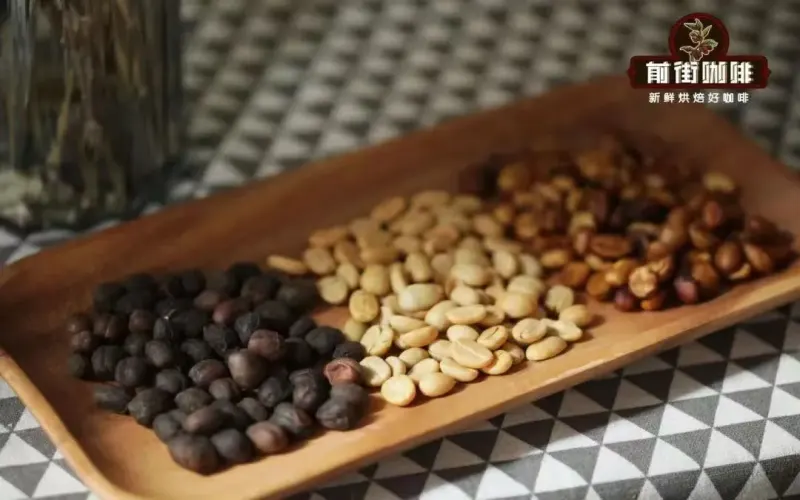
Sun-Dried vs. Honey-Processed Coffee: A Full Breakdown of Processing Methods, Flavor Differences, and Sweetness Impact
Sun-dried and honey processing are two common yet distinctly characteristic methods in coffee post-processing. The sun-dried method has the longest history and relies on ample sunlight for its operation; the whole fruit participates in fermentation, and the drying period can last more than three weeks, resulting in a more intense flavor with richer layers. Honey processing, on the other hand, originated in Costa Rica; after removing the skin and pulp, varying proportions of mucilage are retained for drying, which not only shortens the time but also develops ripe fruit notes and solid acidity. This article compares the differences between the two, from processing steps and the amount of fermented substances to drying duration and the subdivisions of white, yellow, red, and black honey, and explores exactly what factors determine coffee sweetness, while also recommending representative sun-dried and honey-processed coffees from Front Street Coffee's bean list. [more…]
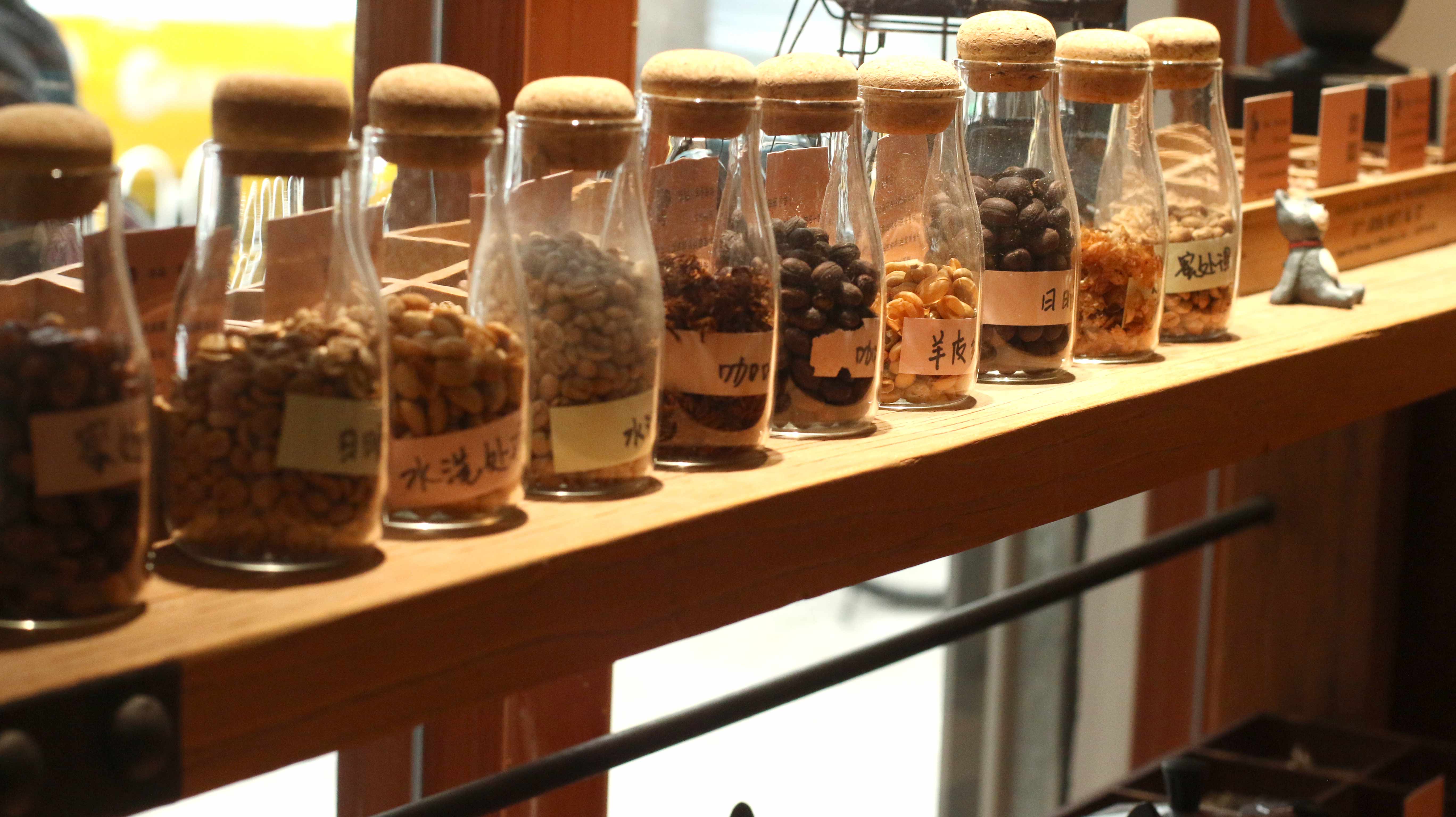
Honey-Processed Coffee Explained: Flavor and Price Differences from Pectin Retention Ratios to Yellow, Red, and Black Grading
Honey processing originated in Costa Rica. It is a processing method that draws on Brazil's pulped natural technique and improves upon it, and today it is also quite common in producing origins such as El Salvador. Local coffee farmers use it to improve bean quality and thereby earn better returns. Compared with changing tree varieties or relocating farms, improving the processing method is clearly more time- and labor-efficient. The key to honey processing lies in retaining the mucilage layer during drying. Depending on the amount of mucilage and the length of sun exposure, it is further divided into three levels: yellow honey, red honey, and black honey, with flavor, processing steps, and price differing accordingly. This article will provide a complete overview of the core knowledge of honey-processed coffee, from steps and flavor to grading standards and commercial considerations, and will also show you the specific performance of Front Street Blackberry, a Costa Rican black honey-processed bean. [more…]

Panama Boquete Honey-Processed Geisha Coffee Beans: A Complete Analysis from Terroir to V60 Pour-Over Parameters
Panama Geisha has traditionally been dominated by natural or washed processing—the former emphasizing berry notes, the latter highlighting floral aromas and citrus acidity. But this article introduces a rarer honey-processed Geisha—from Panama's Boquete region, sourced by Front Street Coffee. The article will walk you through Boquete's high-altitude volcanic terroir, the origins and principles of honey processing, the rise to fame of the Geisha variety, and Front Street's roasting curve, cupping data, and V60 pulse-pouring recipe for this bean. Whether you want to understand the sweetness expression of honey-processed Geisha or need a set of reference pour-over parameters, you'll find the corresponding content in this article. [more…]
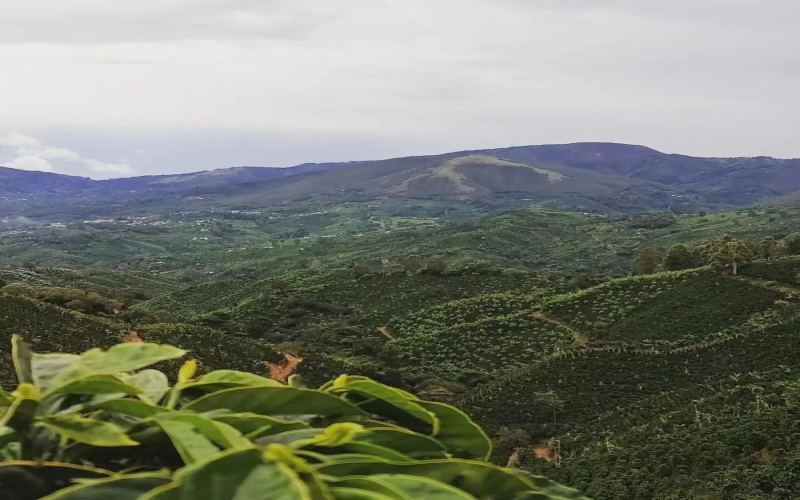
Costa Rican Honey-Processed Coffee Beans: Flavor Characteristics, Regional Stories, and a Full Breakdown of Yellow, Red, and Black Honey Differences
Costa Rica's high-altitude coffee is renowned for its balanced richness, and the honey processing method further allows the beans from this land to display a captivating fermented sweetness. The Front Street Coffee staple bean series covers all major producing regions, among which Costa Rican honey-processed coffee beans, with their perfectly balanced sweetness and aroma, have won the special affection of many long-time customers. This article will guide you through the terroir characteristics of Costa Rica's seven main producing regions, provide an in-depth analysis of the principles of honey processing, and compare the differences between yellow honey, red honey, and black honey in green beans, roasting, and cupping flavors, helping you find the Costa Rican honey-processed coffee that best suits your taste. [more…]

The Origin and Flavor Characteristics of Costa Rican Honey-Processed Coffee: A Complete Analysis from Naming Origins to Brewing Parameters
When it comes to coffees with pronounced sweetness, natural and honey processing are often the first two methods that come to mind. Front Street Coffee's bean list always keeps at least one honey-processed coffee, and the recently launched Colombia Finca La Esperanza Geisha is honey-processed, with intense rose aromatics and extremely high sweetness. What exactly does the "honey" in honey processing refer to? Why is it so strikingly sweet? This has to start with the evolution of processing methods in Costa Rica. This article will sort out the origin of the name honey processing, its timeline of origin, and the logic of its color classification, and include Front Street Coffee's practical brewing parameters for this Geisha, to give you a comprehensive understanding of the flavor code of this processing method. [more…]
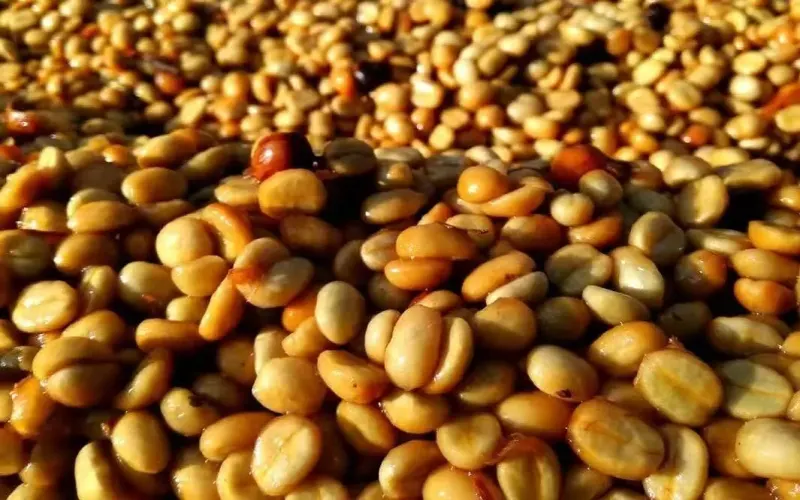
What makes Costa Rican honey-processed coffee so unique? Flavor profile and brewing analysis of Black Honey Caturra from Pilon Treatment Plant
Costa Rica, the birthplace of the honey processing method, has secured a significant place in the international market with honey-processed coffees known for their outstanding sweetness. Front Street Coffee recently selected a black honey processed Caturra from the Pilon Processing Plant in the Tarrazu region, and we're taking this opportunity to give everyone a deeper look into the unique sweetness that honey processing brings to coffee. This article will explore multiple dimensions, including the regional background of the Pilon Processing Plant, the history of the Caturra variety, the processing details of black honey, and the flavor profile and brewing recommendations of this bean, offering a complete picture of a quality black honey coffee from cultivation to cup. [more…]

Analysis of the Flavor of Costa Rican Honey-Processed Coffee Beans: A Complete Guide from Growing Regions and Varieties to Brewing Parameters
Costa Rican coffee is renowned for its honey processing, and its sweetness is deeply impressive. Drawing on Front Street Coffee's bean-sourcing experience, this article systematically reviews the growing regions, main varieties, and honey processing classifications of Costa Rican coffee, and compares the flavor differences among the three processing methods: yellow honey, red honey, and black honey. At the same time, the article also includes Front Street Coffee's cupping notes and specific brewing parameters for Costa Rican coffee beans, helping coffee lovers gain a comprehensive understanding of this Central American origin's sweet style. [more…]
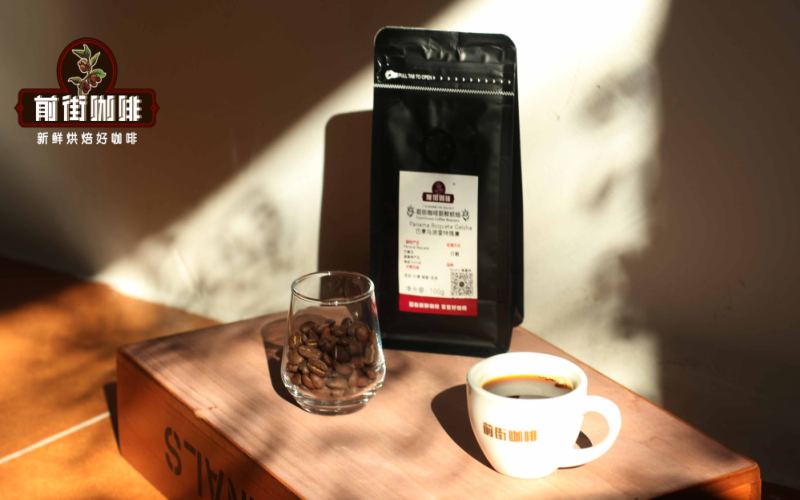
Costa Rican Honey-Processed Geisha Flavor Analysis: A Comparison of Regional Characteristics and Processing Method Differences with Panamanian Geisha
The Geisha variety presents dramatically different flavor profiles across different producing regions. Panama has established a high-end benchmark with its masterful washed and natural processing, while Costa Rica's honey processing gives Geisha more pronounced sweetness and fermentation complexity. This article starts with a Panama Boquete honey-processed Geisha sourced from Front Street Coffee, documenting its specific expressions of floral notes, citrus, cream, and green tea finish through cupping and pour-over practice. At the same time, it traces the propagation of Geisha from Ethiopia to Panama, and compares the essential differences in flavor characteristics between Costa Rican honey processing and traditional Panamanian processing methods, providing coffee enthusiasts with a complete tasting reference. [more…]
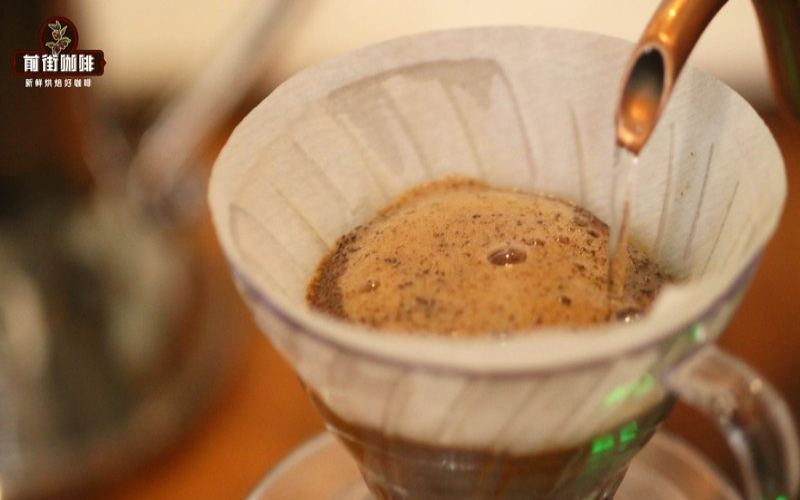
Honey-Processed Coffee Beans: Roast Level Determines How to Drink It
Honey processing retains some of the mucilage during drying, so the beans often display fruitiness, sweetness, and a rounder mouthfeel at the same time. But with the same processing method, different roast levels shift the focus in the cup: light roasts make it easier to taste bright aromatics, medium roasts have steadier sweetness, and medium-dark roasts better suit drinkers who want more body. [more…]
Why Does Honey-Processed Coffee Have Such Prominent Sweetness? An Analysis of Costa Rica's Honey Processing Method and a Front Street Coffee Geisha Pour-Over Tutorial
When it comes to coffees with prominent sweetness, natural and honey processing are often the first answers that come to mind. To make it possible to enjoy the rumored sweet flavors in daily life, Front Street Coffee's bean list always includes at least one honey-processed coffee, such as the recently launched Colombia · Hope Estate Geisha, which after honey processing displays intense rose aromatics and extremely high sweetness, and has been widely praised by customers. So why is honey-processed coffee so outstandingly sweet? Is honey actually added? This article will approach the topic from Front Street Coffee's perspective, sorting through the origins and evolution of the honey process, analyzing how Costa Rica became an important driving force behind this method, and explaining the origins of the names black honey, red honey, yellow honey, and white honey as well as their flavor differences. Finally, we will also share Front Street Coffee's practical brewing parameters for Hope Estate Geisha, letting you experience its cup profile of rich purple grape juice, lush rose aromatics, and lively citrus acidity. [more…]

Costa Rica Honey-Processed Coffee Guide: Black Honey Flavor Analysis, Pour-Over Parameters, and Brand Recommendations
Costa Rica is renowned for its honey-processed coffee, which is known for its prominent sweetness and elegant flavors. This article systematically reviews the development history of Costa Rican coffee, its eight major producing regions, main varieties, and elevation grading, with a focus on analyzing the process differences and cupping performance of the three honey processing methods: yellow honey, red honey, and black honey, and includes brewing suggestions for Front Street Coffee's everyday beans. Whether you want to learn about the price and flavor of black honey processed coffee or are looking for a reliable Costa Rican coffee bean brand, this content provides practical reference. [more…]
A Complete Guide to the Flavors of Costa Rican Honey-Processed Coffee: Taste Differences Between Yellow, Red, and Black Honey and Regional Characteristics
Costa Rican coffee is renowned worldwide for its rich, balanced flavor, and in recent years the widespread adoption of honey processing has allowed the country's coffee to display alluring fermented sweetness. The Front Street Coffee everyday-drinking bean series has long focused on the Costa Rican producing regions, and in addition to washed Tarrazú beans, it has also introduced a number of honey-processed coffees that are deeply loved by both new and longtime customers. This article will give you a comprehensive understanding of the characteristics of Costa Rica's seven major producing regions, offer an in-depth analysis of the principles of honey processing, and compare in detail the specific differences among yellow honey, red honey, and black honey processing in terms of green bean appearance, roasting curves, and cup profile, helping coffee lovers find the cup they love most. [more…]

How Is Honey Processing Different from Natural Processing? Analyzing the Rise and Flavor Characteristics of Honey-Processed Coffee Beans
The flavor profile of coffee is often determined by the combination of its producing region, variety, and processing method. Among the many processing methods, honey processing has surged in popularity in recent years; it shares similarities with natural processing, yet stands uniquely apart. From the perspective of Front Street Coffee, this article traces the origins of honey processing, its operational workflow, the differences between yellow, red, and black honey, and the core distinctions from natural processing in terms of flavor and craft. It also draws on two beans currently sold by Front Street—Costa Rica Fire Phoenix Sapphire and the Musician Series Bach—to share roasting and brewing test results, helping coffee enthusiasts more clearly understand why honey-processed coffee beans are so highly favored. [more…]