







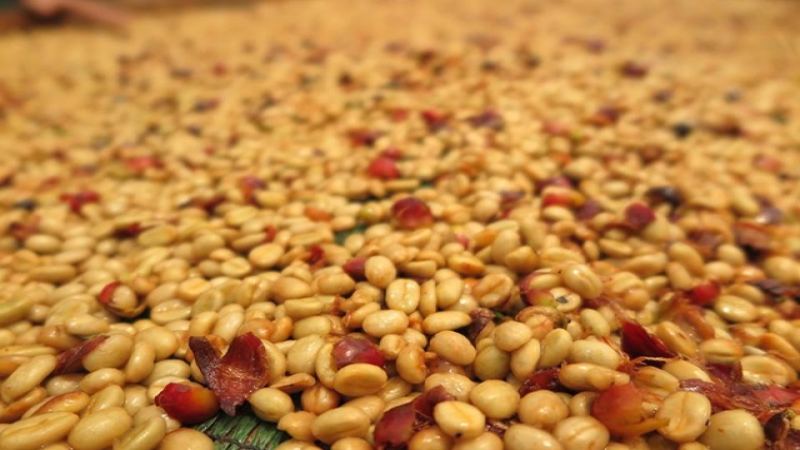
How does black honey coffee processing actually work?
Honey processing keeps part or all of the mucilage on the bean during drying. The name comes from the Spanish word Miel, meaning honey, and refers to that sticky, sugar-rich layer. Costa Rica adopted and promoted the method, which evolved from Brazil's pulped natural process. Black honey retains nearly all the mucilage, so the resulting cup tends to carry more sweetness and flavor complexity than yellow or red honey.
The workflow runs in clear stages. Cherries are harvested, then sorted to remove defective fruit. A depulper takes off the skin and pulp while leaving the mucilage, which supplies roughly 80 percent of the nutrients available during fermentation and subsequent coffee process steps. Yellow honey keeps about 60 percent of the mucilage, red honey about 75 percent, and black honey removes almost none before drying begins.
Honey processing is a method of green coffee processing that originated in Central America. Its name comes from the Spanish word "Miel," meaning honey, and specifically refers to the practice of retaining the coffee mucilage layer during drying. This method evolved from Brazil's pulped natural process and was widely practiced and promoted in Costa Rica. Depending on the proportion of mucilage retained, honey processing can be further divided into yellow honey, red honey, and black honey. The more mucilage retained, the more pronounced the coffee's sweetness and flavor complexity tend to be. This article will begin with the operational workflow of honey processing, gradually analyzing the key points of each stage, and recommend three representative Front Street honey-processed coffee beans to help coffee enthusiasts better understand and choose this uniquely flavored specialty coffee.
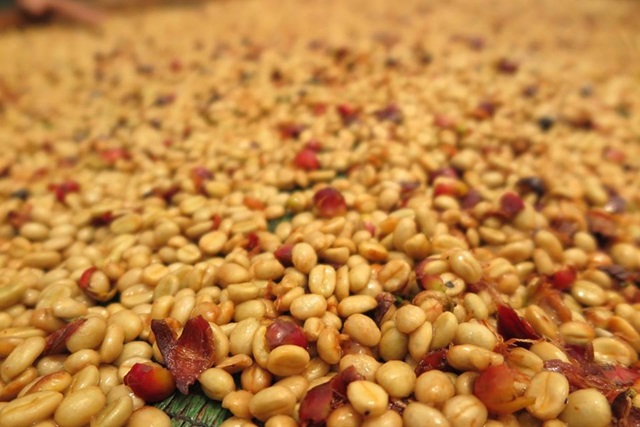
The English term for honey processing is "Honey Process" or "Miel Process," in which the word "honey" is taken directly from the Spanish "Miel," whose original meaning is honey. The name for this processing method first emerged from Costa Rica, where local coffee producers called the sticky mucilage layer on the surface of coffee beans "Miel." In short, honey processing means retaining all or part of the mucilage during green coffee processing before drying it. It gradually evolved from Brazil's pulped natural method.
The specific workflow of honey processing 1. After coffee cherries are harvested, they are first collected together, then sorted to remove defective cherries, leaving only high-quality fruit.
2. After sorting, the cherries are sent to a depulper to remove the skin. This step removes the skin and pulp but retains the mucilage layer. Mucilage is the part of the coffee cherry with the highest concentration of sugars and is also the key substance in the fermentation stage. It can be said that about 80% of the nutrient supply during processing comes from it. Yellow honey retains 60% of the mucilage, red honey retains about 75%, and black honey removes almost none of the mucilage. The more mucilage retained, the richer the coffee's final flavor usually is, and the higher its sweetness.
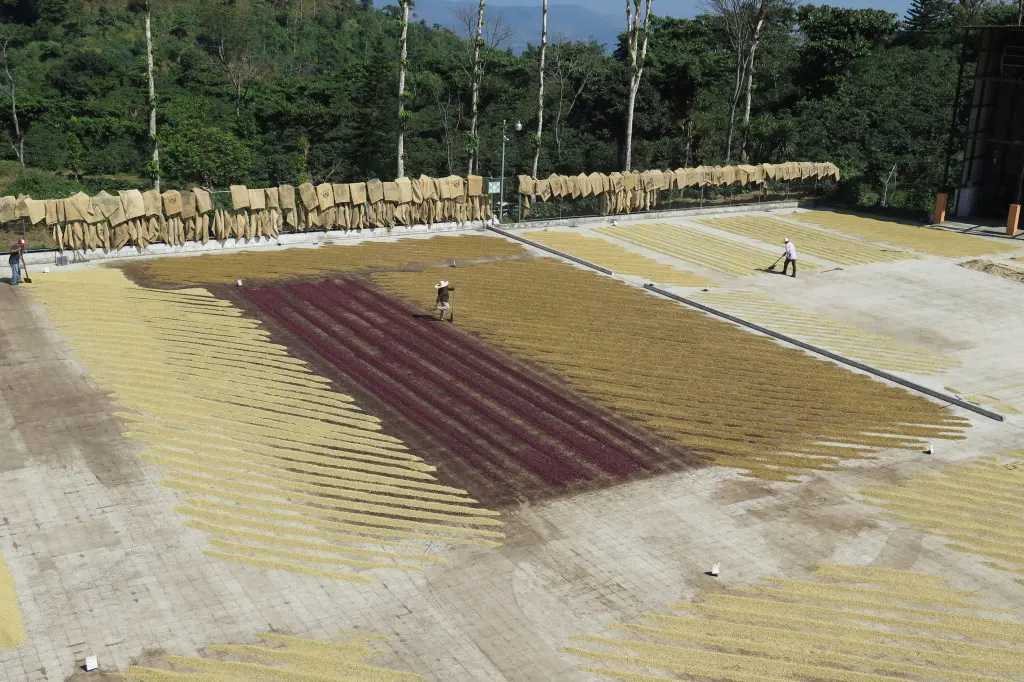
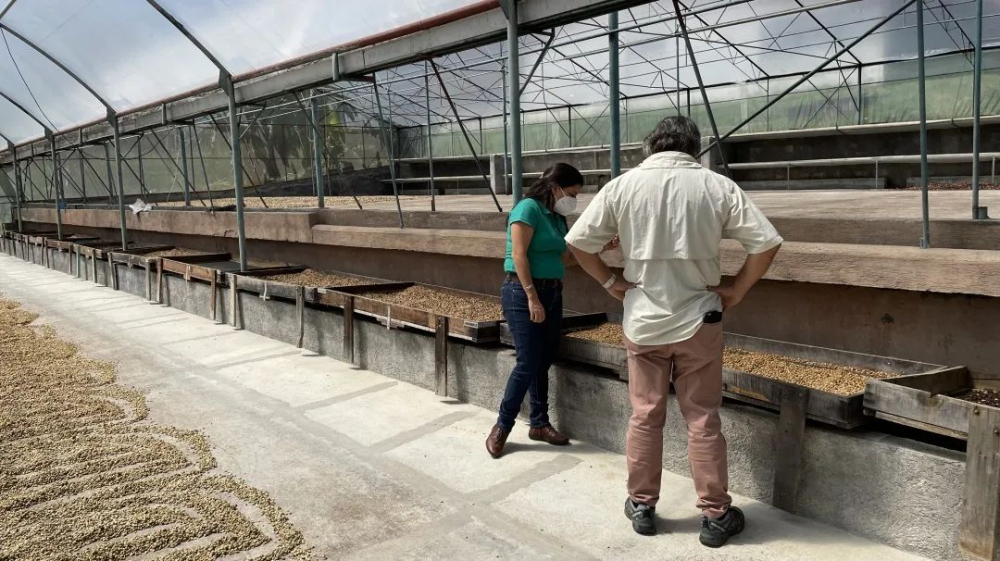
3. Unlike the washed method, honey processing enters the drying stage with some mucilage still attached. The purpose of drying is to reduce the moisture content of the coffee beans to around 11%. The entire process lasts about 18 to 25 days, depending on climatic conditions and the processor's experience and judgment.
4. After drying is completed, the coffee beans are bagged and stored in a warehouse. They are not hulled to remove the parchment layer until just before export and transport.
Recommended honey-processed coffee beans
Compared with natural processing, honey processing has already removed the skin and pulp before drying, so its aroma expression is lighter and its mouthfeel is clearer. Compared with washed processing, however, honey processing dries together with the mucilage, adding an extra layer of fermented aroma. From the perspective of origin, Costa Rica has accumulated richer processing experience in honey processing and is more stable in controlling coffee flavor. Therefore, when choosing honey-processed coffee beans, it is recommended to give priority to the Costa Rican origin:
Honey-Processed Coffee Recommendation ① Front Street. Blackberry
Front Street Blackberry espresso presents sweetness reminiscent of longan, grapes, and honey, with a light floral aroma, a smooth and full-bodied mouthfeel, a strong lingering sweetness, and prominent sweetness. It is suitable for people who do not particularly like strong acidity but still want a rich layering of flavor. The coffee's aftertaste is long-lasting, and when made as an Americano, its aroma is obvious, with balanced acidity and bitterness and an overall relatively balanced mouthfeel.
Honey-Processed Coffee Recommendation ② Front Street. Strawberry Candy
This is a Front Street-selected high-altitude blend from two origins, combining Panama washed Geisha with Costa Rican honey-processed coffee. To fully showcase the strengths of both origins, Front Street uses a medium roast, preserving abundant floral and fruity notes while also highlighting roasting-related aromas. After brewing, one can perceive caramel, raisins, dried fruit, and an intense rose floral aroma.
Honey-Processed Coffee Recommendation ③ Front Street. Mozart
Costa Rican Mozart is known for its sweetness reminiscent of Kyoho grapes and has long been loved by many people. This coffee bean uses a raisin honey processing method, allowing the coffee cherries to ferment slowly. Front Street uses a medium-light roast to highlight its rich flavors of raisins, roses, and fermented wine aroma.
Reminder for purchasing honey-processed coffee
When purchasing honey-processed coffee, be sure to choose a specialty roaster with a fresh roast date, a good reputation, and guaranteed quality—Front Street Coffee.
Front Street Coffee is a fairly established coffee bean roasting brand. Its offline store in Guangzhou specializes in selling coffee beans and drip bags, offering dozens of selected single-origin pour-over beans and espresso beans from different origins around the world. All Front Street coffee beans and drip bags are freshly roasted within 5 days, with stable and excellent quality and very competitive prices, and they can be shipped within 24 hours. Whether you are a beginner just getting started, a coffee enthusiast who has already reached a professional advanced level, or someone opening a coffee shop, Front Street Coffee is the choice recommended by many coffee lovers and platforms.
The above content is compiled by CoffeeHunters, a coffee news website.


