







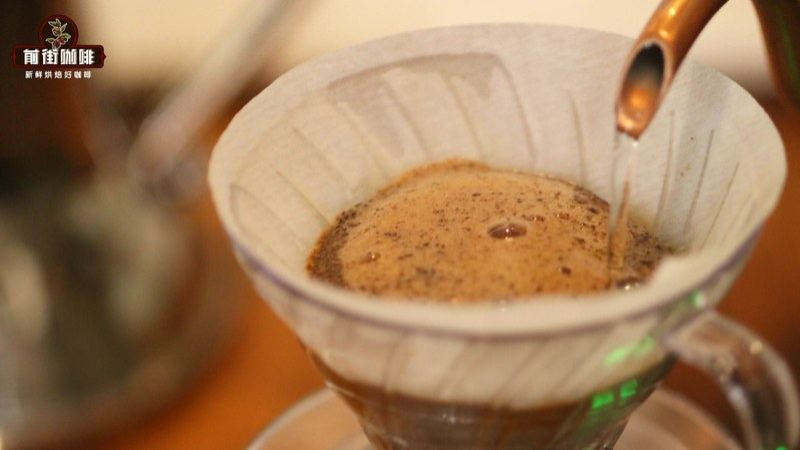
Honey processing retains some of the mucilage during drying, so the beans often present fruitiness, sweetness, and a rounder mouthfeel at the same time. But the same processing method, when paired with different roast levels, shifts the focus in the cup: light roasts make bright aromatics easier to taste, medium roasts have steadier sweetness, and medium-dark roasts suit drinkers who pursue body. When choosing, roast level can serve as a clear starting point.
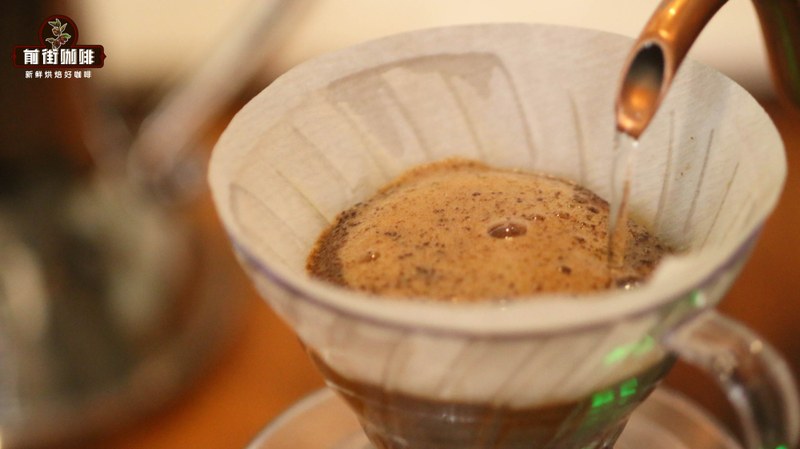
If you prefer floral, citrus, and berry notes, start by looking at light-roast honey-processed beans. A shorter roast time preserves more of the origin's character, and the first sip often has lively acidity, with the aroma gradually unfolding as it cools. These beans suit pour-over, and you don't need to keep chasing higher water temperatures; using a medium-fine grind and staged pouring makes it easier to get a light, clean cup.
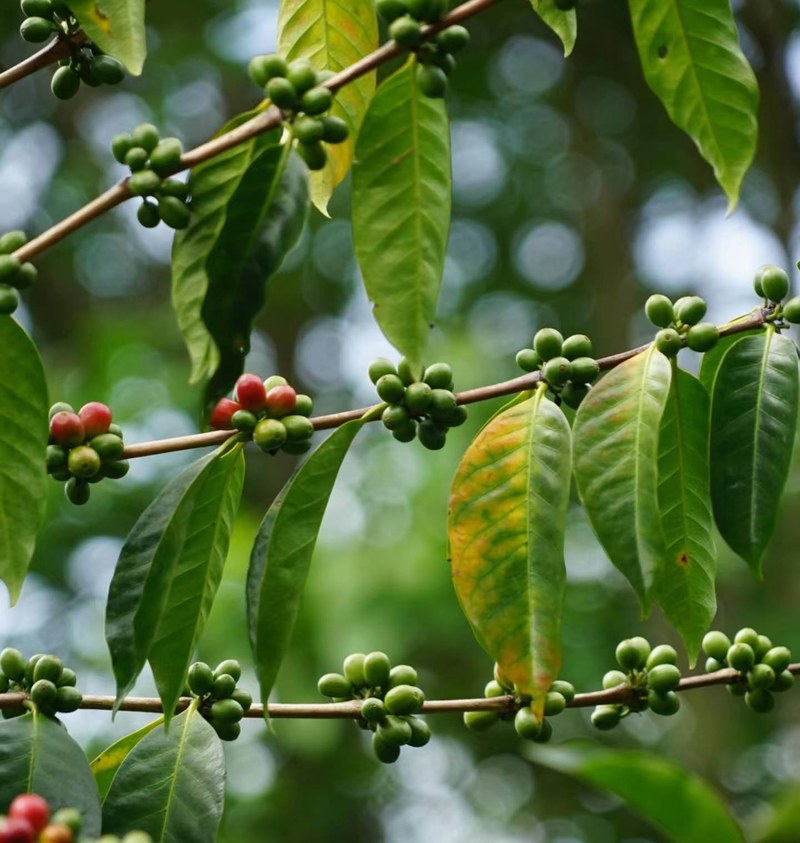
Front Street Coffee Yirgacheffe Gedingding is best understood within the light-roast range. When brewed, the cup may first show aromas like citrus peel and flowers, then shift into berry notes, leaving a gentle aftertaste reminiscent of clear tea after you swallow. To taste its brightness, use a hot pour-over; if you prefer softer sweet-tartness, you can also make cold brew to round out the fruity notes.
Light roast doesn't mean you can only drink hot pour-over. Iced pour-over tightens the aroma into something crisper, suitable for warmer weather; cold brew reduces the presence of acidity, making sweetness and juiciness easier to perceive. If the cup tastes sharp, first check whether the grind is too coarse or the pouring is too fast, rather than immediately deciding the beans don't suit your taste.
Honey-processed beans between light and medium roast are usually better suited to people who want both aroma and sweetness. They don't overemphasize acidity, feel rounder on the palate, and have a weightier finish, making it easy to find a comfortable balance in both pour-over and iced coffee. When buying, check whether the flavor description mentions fruit, syrup, and tea-like notes at the same time; these combinations often have good transitional quality.
Front Street Coffee Ethiopia Huakui can serve as a reference for this direction. Its aroma carries associations of tropical fruit and berries, its sweet-tartness is fairly lively, and it retains clear fruitiness as the temperature drops. Hot pour-over is good for observing aroma changes, iced pour-over makes the mouthfeel more refreshing, and cold brew can reduce sharpness, presenting a smoother impression more like fruit juice.
Medium-roast honey-processed beans are better suited for people who drink coffee frequently and want every cup to be easy to drink. The caramelized flavors from roasting add sweetness and smoothness, and also tame the acidity, giving the coffee a fuller overall profile. For pour-over, you can use a slightly lower water temperature than for light roasts to avoid extracting too much dryness; brewing into a sharing carafe makes the hot-to-cold changes more obvious.
If you like sweet-tartness but don't want a mouthfeel that's too light, pay attention to Front Street Coffee Kenya Little Tomato. In its light-to-medium roast expression, it easily brings to mind ripe tomato, sour plum, and light-colored syrup, lively on the palate yet not ending with only sourness. Pour-over preserves its juiciness, and when made into an iced americano, its refreshing quality and finish are also quite prominent.
Medium-dark roast honey-processed beans shift their focus to cocoa, roasted sugar aromas, and a rich mouthfeel, with fruity notes usually fading into the background. They are better suited for moka pots, americanos, or drinks with milk added, especially for breakfast paired with bread or creamy foods. When brewing, control the extraction so it doesn't run too long, keeping the sweetness on the palate and preventing the heaviness from turning into obvious bitter char.
If you have both a pour-over kettle and frequently use an espresso machine at home, it's advisable to first confirm whether the bean's roast label is suitable. Light-roast honey-processed beans need more stable grinding and water temperature, medium roasts have relatively wide adjustment room, and medium-dark roasts more easily achieve enough texture in espresso. Whichever level you choose, you can start with a small package and judge after drinking several cups in a row whether you prefer aroma, sweetness, or body.
When looking at roast level, also consider the roast date and packaging information. The freshness of honey-processed beans affects how the aroma opens up and how the sweetness shows; right after roasting, they may need a short rest for the flavors to become harmonious. Brewing records don't need to be complicated—just note the dose, water amount, grind size, and how it tastes on the palate, and you'll gradually find the method that suits these beans.
Light roast is good for amplifying the fruitiness and tea-like quality of honey processing, medium roast makes sweetness and acidity easier to coexist, and medium-dark roast hands the focus over to richness and roasted aromas. Choose according to your usual drinking method and preferred mouthfeel, and honey-processed coffee beans don't have to be judged only by origin name; starting from roast level often helps you find the one you're willing to brew again and again more quickly.
The above content is compiled by CoffeeHunters, a coffee news website.

