







Costa Rican Honey-Processed Coffee: Black Honey Caturra from Pilon
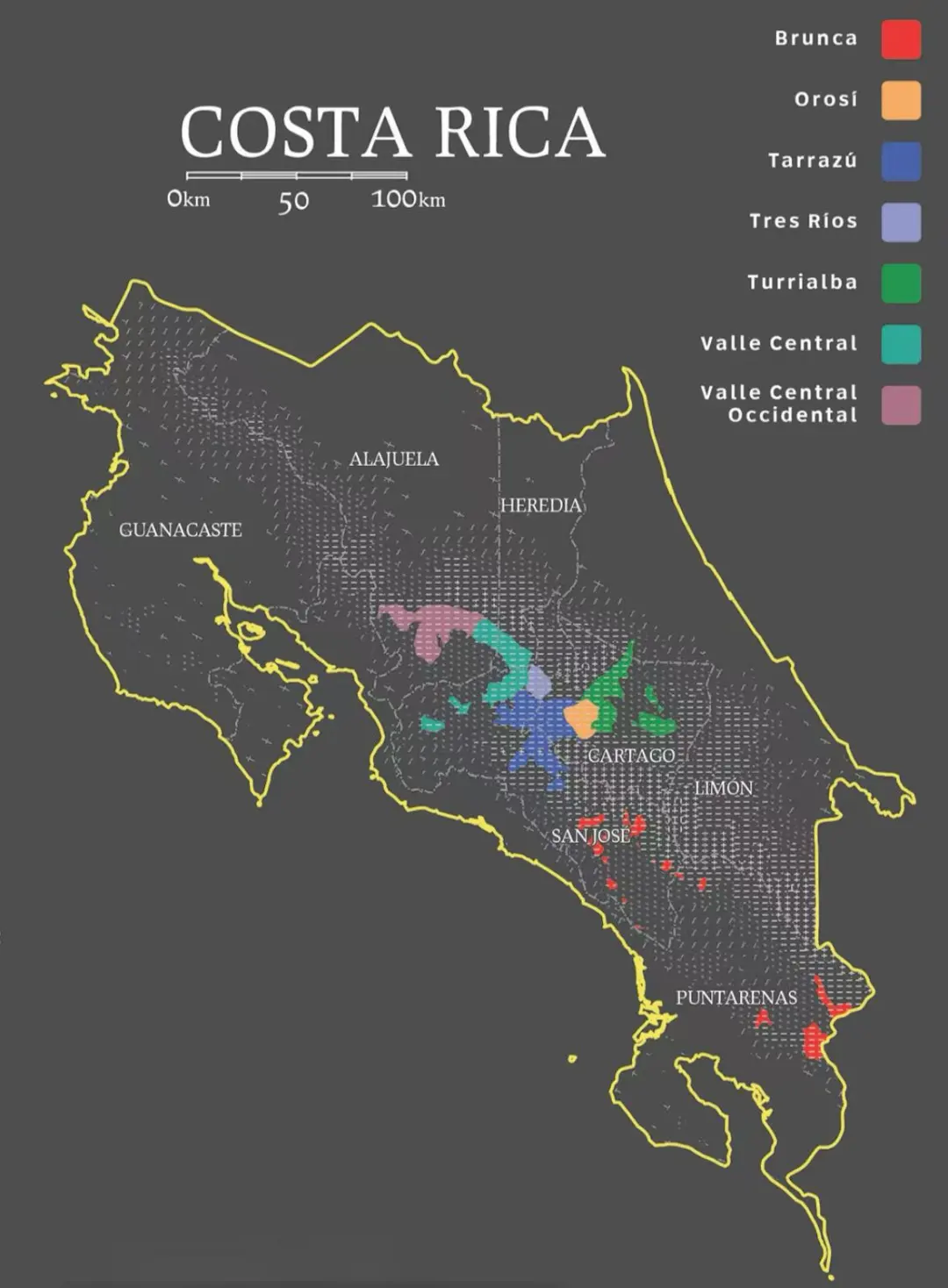
Costa Rica is known as the birthplace of honey processing, a method that leaves some mucilage on the bean during drying. This technique often produces pronounced sweetness. The Pilon Processing Plant, located in the Tarrazu region, is managed by Edgar Urena, Efrain Mendez, and their families. Tarrazu offers a humid climate, volcanic soil, high altitude, and natural shade from surrounding forests, creating excellent conditions for coffee cultivation.
The Pilon Plant sits near Leon Cortez town, with coffee grown at 1,700 to 1,800 meters. This altitude meets Costa Rica's SHB (Strictly Hard Bean) grade, the country's highest. The Caturra variety, chosen for this black honey lot, is valued for its clarity and sweetness. In 2018, a Japanese competitor won the World Brewers Cup using coffee from Pilon, highlighting the plant's quality and potential.
Costa Rica, the birthplace of the honey processing method, has secured a prominent place in the international market with its honey-processed coffee known for its outstanding sweetness. Front Street Coffee recently selected a black honey-processed Caturra from the Pelon Processing Plant in the Tarrazu region, and we'd like to take this opportunity to give you a deeper look into the unique sweetness that honey processing brings to coffee. This article will explore multiple dimensions including the Pelon Processing Plant's regional background, the history of the Caturra variety, the technical details of black honey processing, and this bean's flavor profile along with brewing recommendations—presenting a complete picture of a premium black honey coffee from cultivation to cup.
Costa Rica is the birthplace of the honey processing method. Honey-processed coffees from this origin tend to display particularly pronounced sweetness, and it is precisely this processing approach that has earned Costa Rica a firm foothold in the global coffee market.
Front Street recently happened to select a black honey-processed Caturra from Costa Rica's Pelon Processing Plant. Today we'll experience together just how expressive the sweetness that honey processing imparts to coffee can be. Pelon Processing Plant The Pelon Processing Plant is located in Costa Rica's renowned Tarrazu region and is managed jointly by Edgar Urena, Efrain Mendez, and their family members. Before going further, Front Street will briefly introduce the Tarrazu region. Tarrazu sits in a volcanic zone and is a prized piece of land for coffee cultivation in Costa Rica.
It has a humid climate, mineral-rich volcanic soil, a fairly high altitude, and dense surrounding forests that provide natural shade for coffee trees—a truly exceptional growing environment. The Pelon Processing Plant is situated right on the edge of Leon Cortez town in Tarrazu, with coffee grown at elevations of roughly 1,700 to 1,800 meters. According to Costa Rica's coffee grading standards, coffee produced at this altitude qualifies as the country's highest grade, SHB (Strictly Hard Bean). It's not hard to imagine that coffee from the Pelon Processing Plant holds considerable potential. (At the 2018 World Brewers Cup, a Japanese competitor entered coffee from the Pelon Processing Plant and won the championship—the best proof of this.)
Caturra What Front Street selected this time is the Pelon Processing Plant's black honey-processed Caturra. We've been sharing this variety often lately, so it should no longer be unfamiliar to you. Caturra is a descendant of the old Bourbon variety, and thanks to its high yield, excellent flavor, and ease of cultivation, it has become a sought-after star variety in Central American coffee-growing regions. Caturra was discovered in the early 20th century on a plantation in Minas Gerais, Brazil, when a gene mutation occurred in a group of planted Bourbon, causing the plant's form to become more compact.
Because of its petite stature, locals named this new variety "Caturra," which means "small" in the Guarani language. Caturra's high yield is also closely tied to its compact form—it can be planted densely at twice the density of other varieties, and its size makes harvesting and management easier. At the same time, Caturra can grow directly exposed to sunlight, unlike other Arabica varieties that are delicate and require shade trees to block substantial sunlight, which is why it is also called "sun-dried coffee." Coupled with its outstanding flavor, Caturra quickly became one of the main planted varieties in Central American countries after its release. Front Street's bean list includes quite a few Caturra varieties, such as Front Street Panama · Butterfly, Duncan Estate · Caturra, and this Pelon Processing Plant black honey-processed Caturra.
You may already be quite familiar with honey processing, but when it comes to black honey processing, many friends may still find it relatively unfamiliar. Next, Front Street will share with you exactly what kind of processing method black honey processing is. Black Honey Processing First, Front Street will briefly introduce honey processing. Honey processing is an adaptation of Brazil's pulped natural process, and it is a method that both shortens coffee drying time and conserves water resources. When using honey processing, farmers first pour coffee cherries into a water tank for flotation, removing underripe defective beans and bad fruit, then use specialized equipment to strip away the skin and pulp, allowing the beans with mucilage still attached to undergo a period of "dry fermentation." After fermentation is complete, the beans are transferred to drying beds for sun-drying. Once the moisture content drops to a certain level, the beans can be hulled or moved to warehouse storage to await export.
The "honey" in honey processing actually refers to the sticky state that the sugary substances in the mucilage take on after fermentation. It looks so much like honey that this processing method was named "honey processing."
Honey processing itself is an umbrella term, and depending on how much mucilage is retained, it can be further divided into white honey, yellow honey, red honey, and black honey.
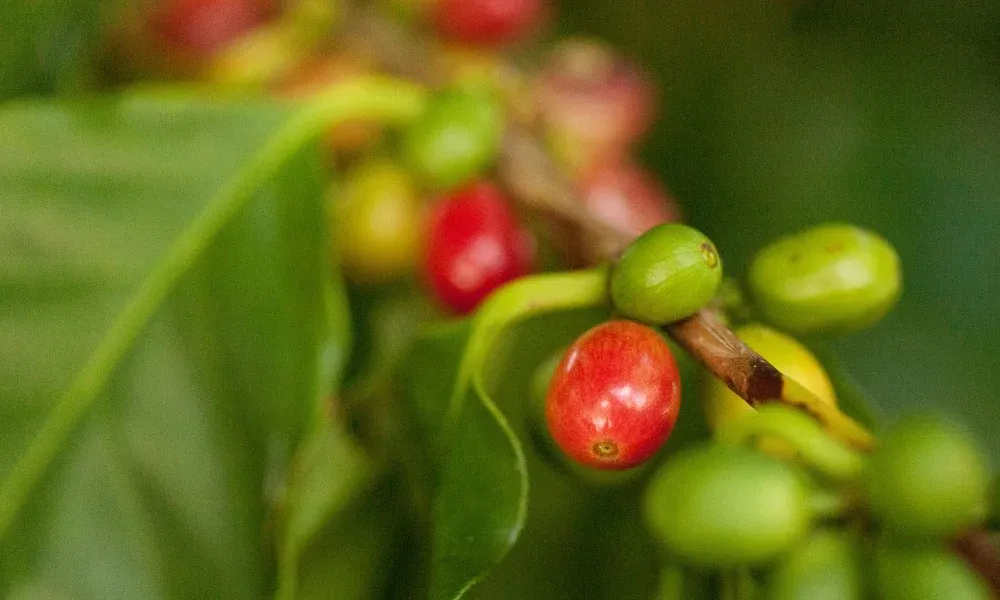
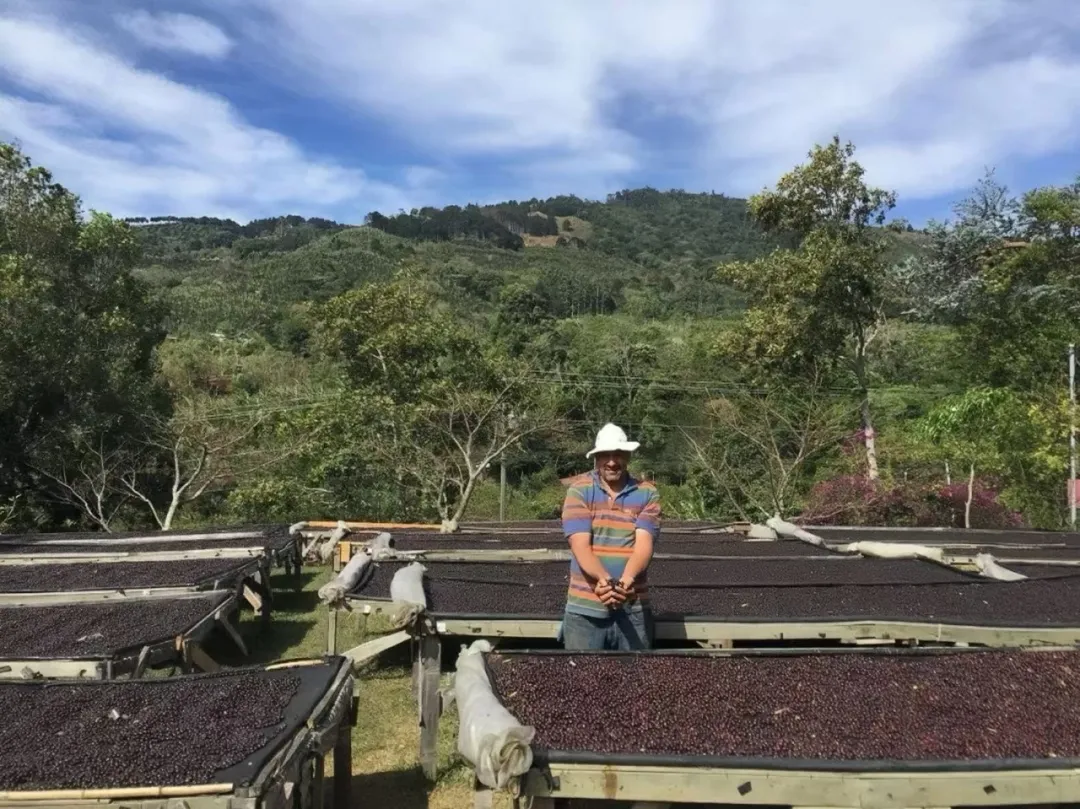
During the depulping stage of honey processing, farmers can freely adjust how much mucilage is retained based on the desired degree of fermentation. Since mucilage is rich in sugar, the more that is retained, the darker the coffee beans become after drying. White, yellow, red, and black are named precisely according to the final dried coffee bean color resulting from different levels of mucilage retention. Black honey retains the highest amount of mucilage among the four honey processing types—almost none is removed—and it also takes the longest to dry, typically requiring more than 14 days of sun-drying. During the drying process, to avoid drying too quickly and causing incomplete sugar conversion, farmers use covers to appropriately shade the sunlight, giving the substances more time to transform while ensuring the sugars can be better absorbed by the beans. Because of this, black honey-processed coffee has very rich flavor layers and particularly abundant sweetness.
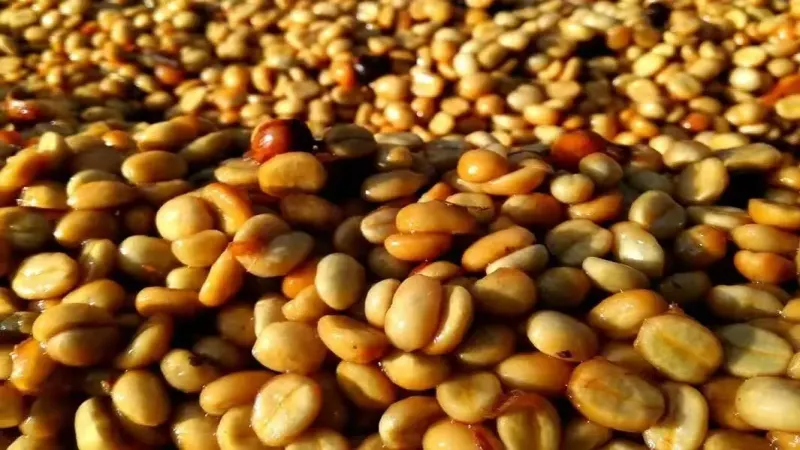
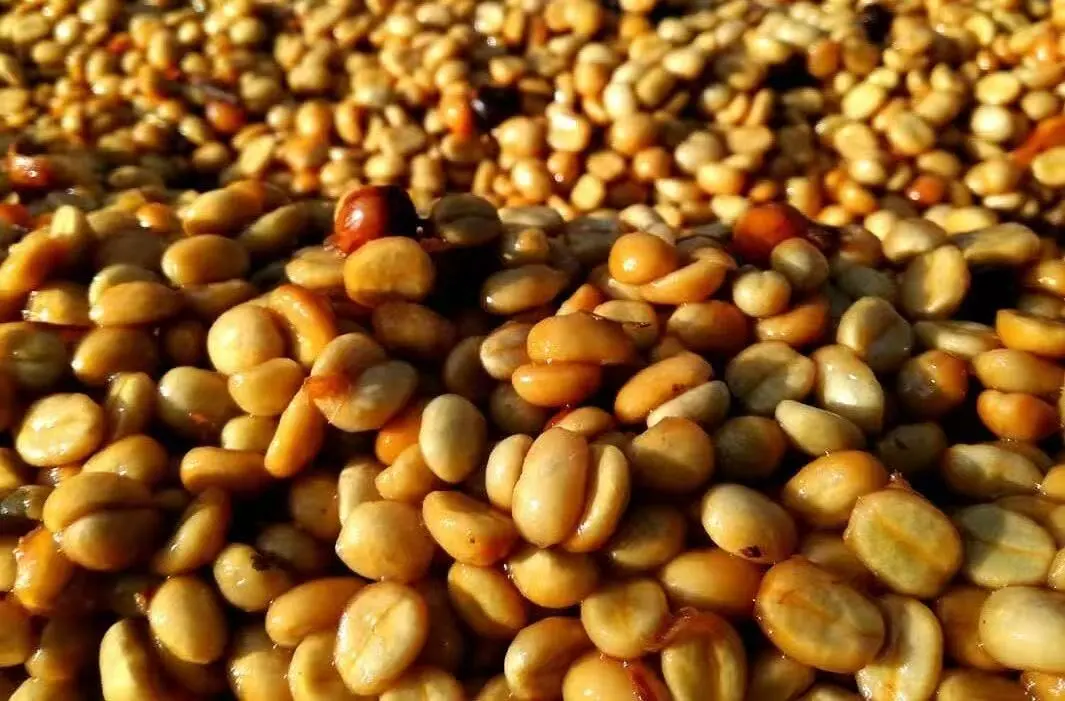
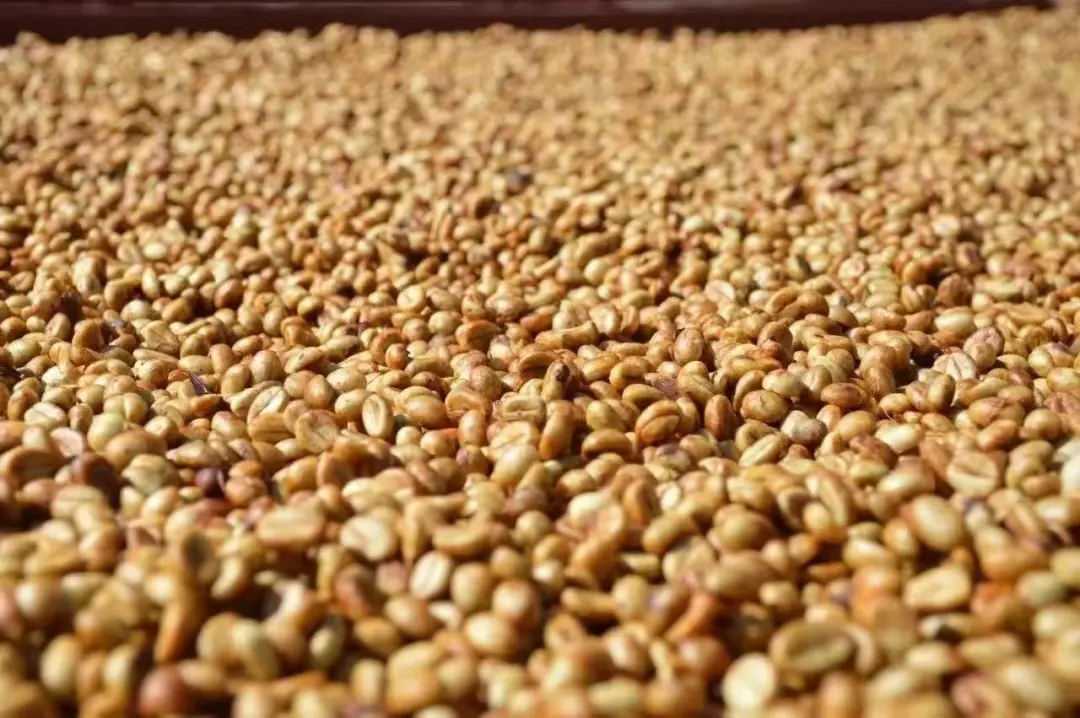
When Front Street observed the green beans of this Pelon Processing Plant black honey Caturra, we found that because more mucilage is retained and its distribution is somewhat uneven, the green beans show noticeable inconsistency in color, and they give off a rich fermented aroma when smelled.
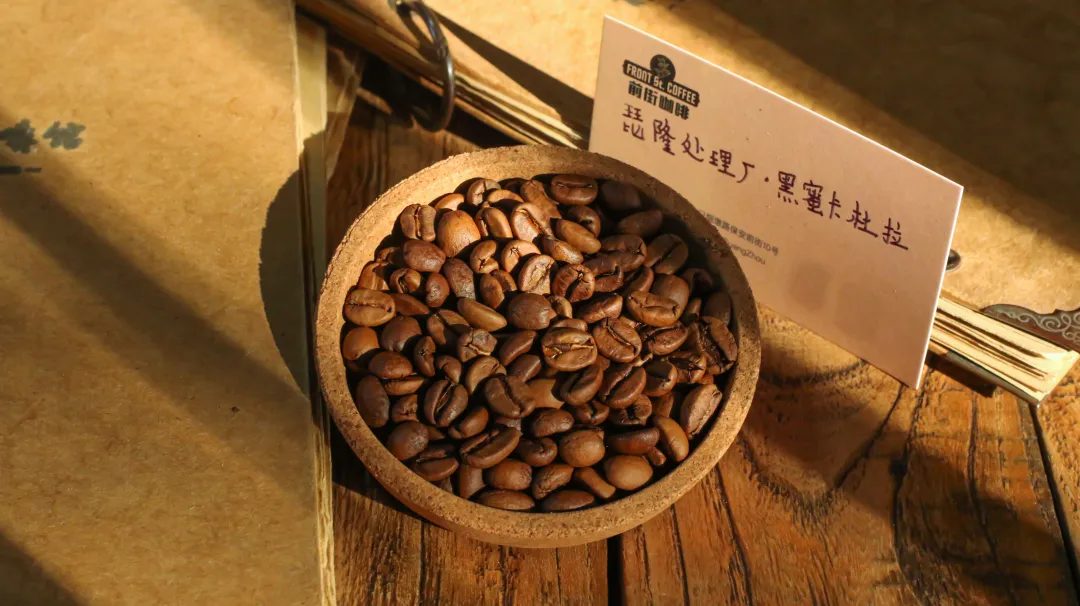
To fully showcase the characteristics of this black honey-processed bean while highlighting the coffee's sweetness, Front Street decided to use a medium-light roast and conducted a cupping tasting right away.
Costa Rica · Pelon Processing Plant Black Honey Process Caturra Region: Costa Rica, Tarrazu Processing Plant: Pelon Processing Plant Altitude: 1,800 meters Processing Method: Black Honey Process Variety: Catuai
Flavor: Grape, berry, floral, slight fermented note
In terms of dry aroma, after grinding, this Pelon Processing Plant black honey-processed Caturra offers clear sweet berry and grape aromas, accompanied by faint floral notes and a slight fermented note. The aroma is rich and solid, very pleasant to smell.
During tasting, Front Street perceived a delicate fruity sweet-tartness in the coffee through slurping. At the high-temperature stage, it presents notes of grape, green grape, and berry, along with subtle floral notes and a faint fermented note. As the temperature drops slightly, you can taste a refined acidity similar to apricot, along with creamy sweetness. The finish is like fruit wine, and the overall mouthfeel is clean with a long aftertaste.
- END -
The above content is compiled by CoffeeHunters, a coffee news website.


