







How do yellow, red and black honey processed coffee differ?
Costa Rican honey-processed coffee is made by drying beans with part of the mucilage still attached, which builds fermented sweetness. The color labels refer to how much mucilage remains and how long the beans dry: yellow honey keeps the least and dries fastest, red honey sits in the middle, and black honey keeps the most and dries longest, darkening the flavor toward deeper fruit and syrup.
Costa Rica's high-altitude coffee farms are known for rich taste, mild mouthfeel, and balance, and honey processing has spread widely over the past decade. Green bean appearance, roasting curves, and cupping flavors shift across the three honey levels, while regional differences add another layer. Washed Tarrazu remains a reference point for comparing the honey lots side by side.
Costa Rican coffee is renowned worldwide for its rich, balanced flavor, and in recent years the widespread application of the honey process has allowed the country's coffee to display alluring fermented sweetness. The Front Street Coffee daily beans series has long focused on the Costa Rican region, and in addition to washed Tarrazu beans, it has also introduced several honey-processed coffees that are deeply loved by both new and longtime customers. This article will give you a comprehensive understanding of the characteristics of Costa Rica's seven major producing regions, deeply analyze the principles of the honey process, and compare in detail the specific differences among yellow honey, red honey, and black honey in green bean appearance, roasting curves, and cupping flavors, helping coffee lovers find the cup they love most.
For more specialty coffee knowledge, welcome to follow our WeChat public account: Front Street Coffee (FrontStreet Coffee)
The Front Street daily beans series covers multiple core coffee origins around the world, including Ethiopia Yirgacheffe, Brazil Bourbon, Colombia Huila, Indonesia Mandheling, Costa Rica Tarrazu, Guatemala Huehuetenango, and Yunnan small-holder coffee. This series mostly uses the washed process, because washing best presents the foundational flavor of an origin and is also the starting point for building origin awareness. Once you are used to drinking washed beans, you might want to try other methods such as natural or honey processing. Among Front Street's longtime customers, there is a group of friends who are especially fond of Costa Rican honey-processed coffee; that taste, with fermented aroma and sweetness paired just right, is truly unforgettable. Today Front Street will take you deeper into the flavor characteristics of Costa Rican honey-processed coffee.
Costa Rican Coffee
Coffee beans produced in Costa Rica's high-altitude regions enjoy an international reputation and are known for their rich taste, mild mouthfeel, and outstanding balance.
The country has a long history of coffee cultivation, and over the past decade or so the use of the honey process has become increasingly common, with quality continuing to improve. Front Street currently has in its daily beans series a washed coffee representing a typical Costa Rican producing region, and has also listed several honey-processed Costa Rican beans, with quite good market response.
Costa Rican Coffee Producing Regions
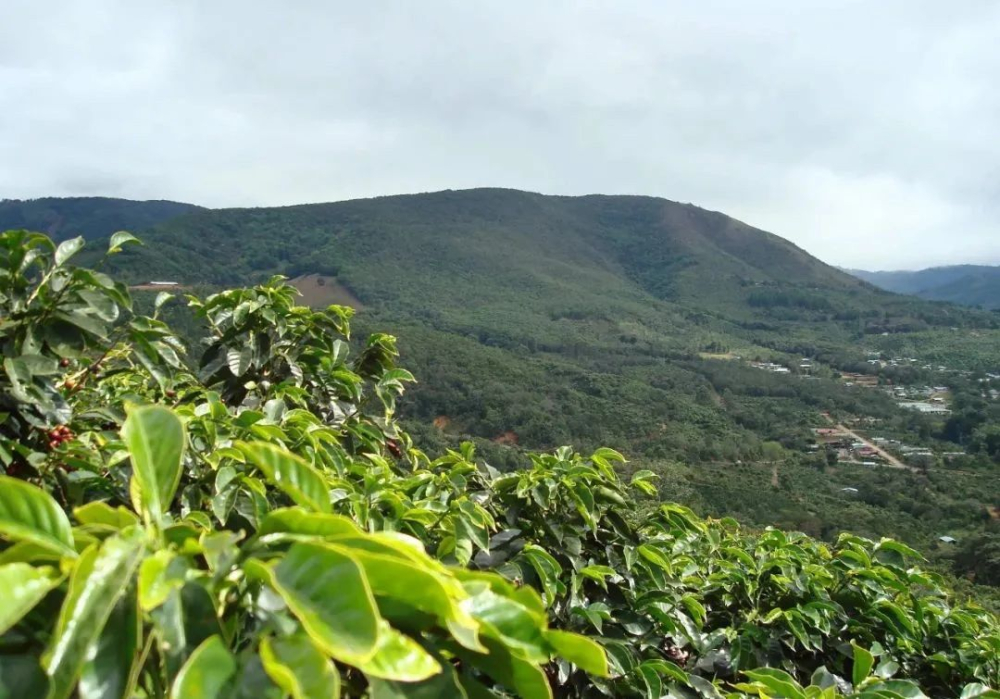
Costa Rica is currently divided into seven main coffee producing regions: Valle Central Occidental, Valle Central, Tarrazu, Tres Rios, Orosi, Brunca, and Turriabla.
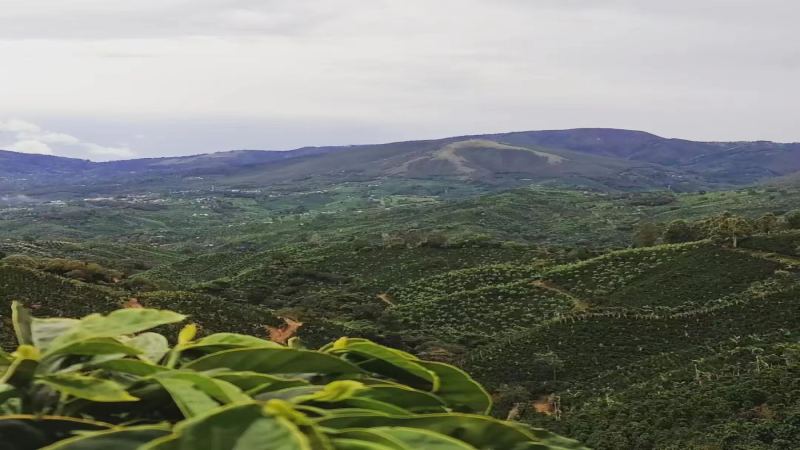
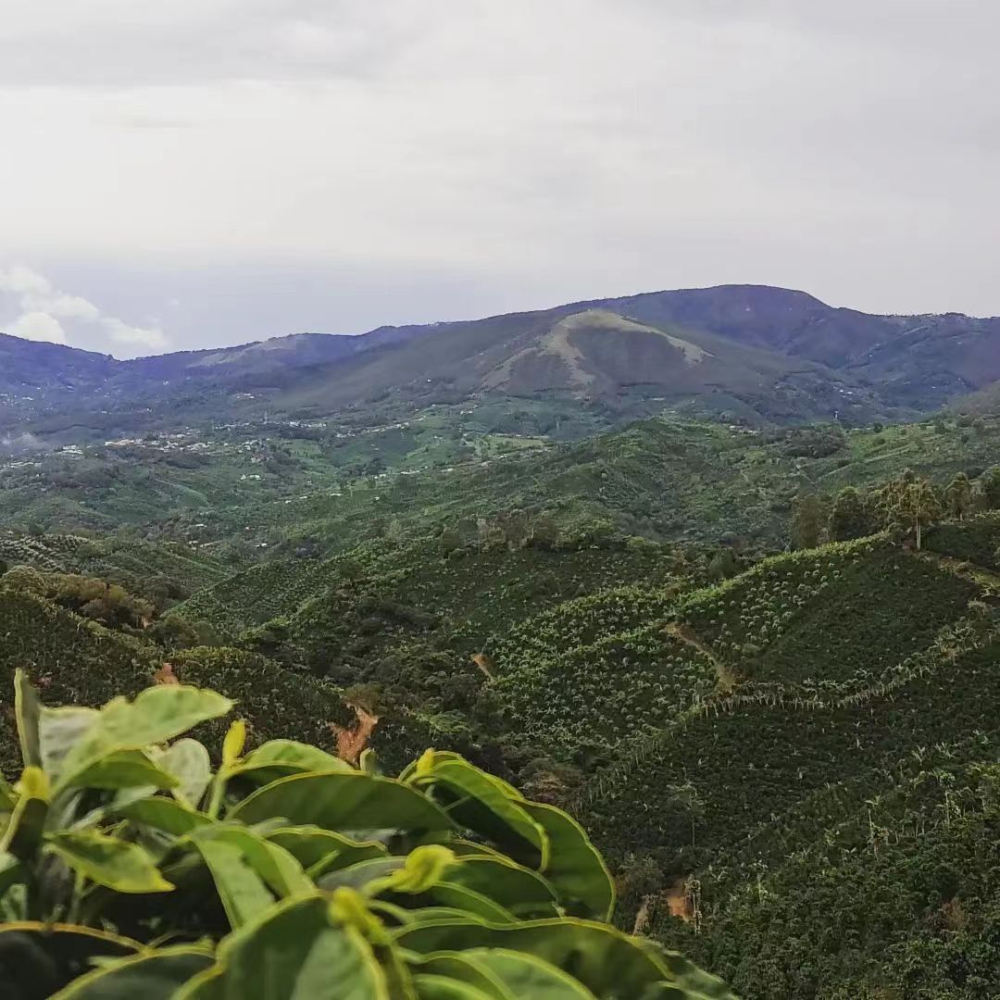
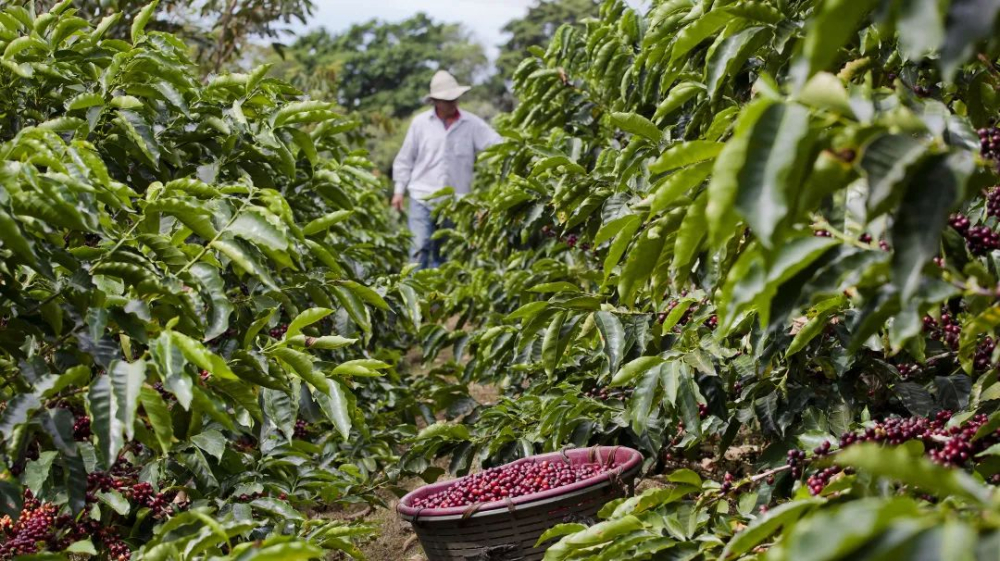
Tarrazu sits at an altitude of 1,200 to 1,700 meters, with the harvest period concentrated from December to March of the following year. Located south of the capital San Jose, this region is Costa Rica's most important coffee producing area and one of the world's major coffee regions. The soil here is fertile and well drained. Although the coffee farms have low yields, they have been owned by the British McAlpine family for three generations. Front Street's daily beans series includes a coffee bean selected from the Tarrazu region.
Valle Central Occidental is at an altitude of 1,000 to 1,200 meters, with a production season from November to March, making it a region with a relatively long harvest period. Because it is more influenced by Pacific air currents, temperatures are often cooler than in mountainous areas at higher altitudes at the same latitude, so the quality of the coffee cherries and seeds is quite outstanding. The acidity is not as bright as that of Tarrazu, and the flavor tends to be steady and proper, with faint hints of almond and peach.
Valle Central is at an altitude of 1,200 to 1,600 meters, with a production season from November to March, and is the region where coffee was first planted in Costa Rica. The volcanic soil is rich in nutrients, and the overall flavor presents a combination of chocolate cocoa, bright fruit acidity, and elegant aroma.
Tres Rios is at an altitude of 1,200 to 1,650 meters, with a production season from December to March. Located not far east of the capital, Irazu Volcano and rivers together create an excellent microclimate. In recent years, however, the urban area has continued to expand into the suburbs, and farmland has been acquired by developers one after another, causing coffee production in Tres Rios to decline sharply. At present, Starbucks has taken over most of it, and it is very difficult to buy in the industry. The region has superior climatic conditions, high clarity in the cup, soft fruit acidity, rich nutty aroma, and excellent balance, which are its signature characteristics.
Orosi is at an altitude of 900 to 1,200 meters, with a production season from September to February, located in a valley 40 kilometers from San Jose. Its coffee cultivation history can be traced back more than a hundred years, and the region gradually prospered because of coffee. The mouthfeel is smooth, the beans are full-bodied, the aroma is fragrant, and the overall flavor is approachable with good balance.
Brunca is at an altitude of 800 to 1,200 meters, with a production season from August to January. It has medium acidity, full body, and ordinary aroma performance. As the most recently developed producing region, its flavor has a certain compatibility with other regions.
Turriabla is at an altitude of 600 to 900 meters, with a production season from July to December. It has average acidity, relatively thin body, and fragrant aroma. This region has the earliest harvest among Costa Rica's producing regions, mainly due to abundant rainfall.
Honey-Processed Coffee Beans
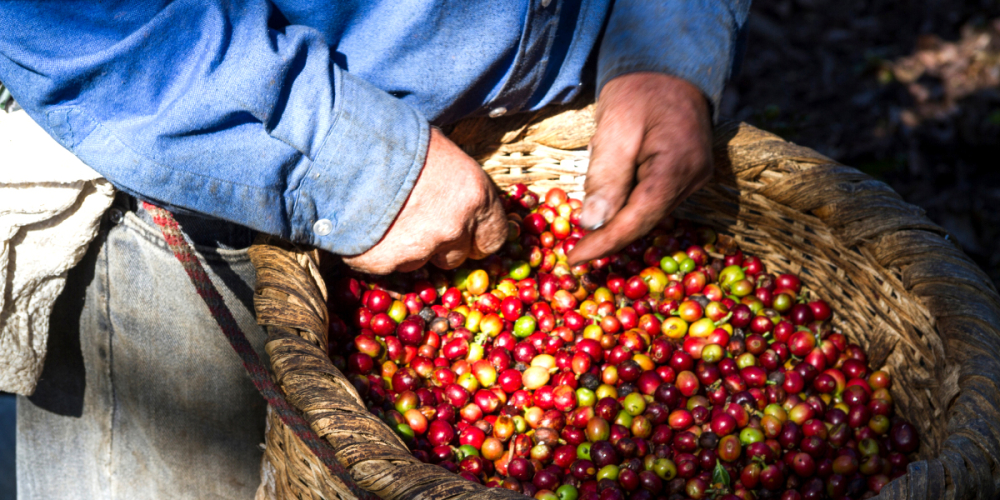
The honey process is called Honey Process or Miel Process in English, and the finished product is called Honey Coffee. It is used by coffee estates in countries such as Costa Rica, Panama, and Guatemala, among which Costa Rican honey-processed coffee is especially well known. The so-called honey process means retaining the mucilage (that is, the pectin) during green bean processing and drying it in the sun. After the coffee fruit is stripped of its outer pulp, a sticky gelatinous substance remains attached to the surface. The traditional washed method rinses it clean with water, but some high-altitude origins are limited by water resources, so the method of drying directly with the mucilage still attached came into being.
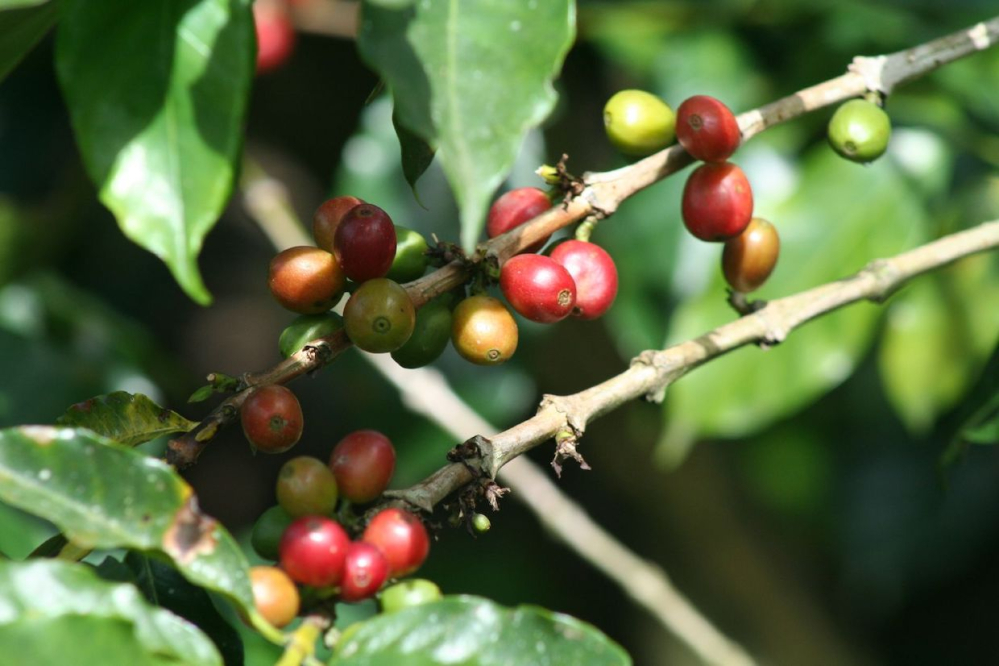
After comparing the honey process with the two common methods of washed and natural, Front Street can clearly feel that the sweetness of honey processing falls exactly between washed and natural, with a prominent full-bodied feel. The greatest advantage of the honey process is that it preserves the original sweetness of ripe coffee fruit to the greatest extent, giving the coffee a delicate brown sugar flavor and stone fruit sweetness while also stimulating a red-wine-like base aroma. It is widely recognized as a very elegant product.
Differences Among Yellow Honey, Red Honey, and Black Honey
While retaining the cleanliness of the washed process, honey processing reduces the brightness of the coffee but increases sweetness and caramel mouthfeel. According to the degree of honey processing, it is further divided into yellow honey, red honey, and black honey.
Yellow Honey: about 40% of the pectin is removed; during the drying stage it needs the most direct heat absorption and receives the most sunlight, lasting about 8 days until the moisture content drops to around 11%.
Red Honey: about 25% of the pectin is removed; compared with yellow honey, the drying time is longer, and direct sunlight exposure is reduced, even using shade nets, lasting about 12 days.
Black Honey: nearly 80% of the pectin is retained; drying takes the longest, lasting at least two weeks, and covers must be used to avoid overly strong sunlight and prevent drying too quickly, allowing the sugar transformation to be more complete.
Sweetness: Black Honey > Red Honey > Yellow Honey
Cleanliness: Yellow Honey > Red Honey > Black Honey
Balance: Red Honey = Yellow Honey > Black Honey
Green Bean Comparison
In terms of appearance and color, black honey-processed beans retain more pectin, so their color is noticeably uneven, and they smell of rich fermentation and a fresh sweetness like snow pear; yellow honey-processed beans retain less pectin, showing a relatively uniform yellow-green color and giving off aromas of green grass and brown rice; red honey lies between the two, with a light fermented aroma and grassy notes.
Roasting Comparison
Front Street roasted these three Costa Rican honey-processed coffee beans with different processing methods separately.
[Yellow Honey] Yellowing point at 5 minutes 30 seconds, first crack began at 8 minutes 46 seconds at 184°C, development after first crack lasted 2 minutes 30 seconds before discharge at 196°C.
[Red Honey] Yellowing point at 5 minutes 10 seconds, first crack began at 8 minutes 40 seconds at 185°C, development after first crack lasted 2 minutes 35 seconds before discharge at 197°C.
[Black Honey] Yellowing point at 5 minutes 05 seconds, first crack began at 8 minutes 50 seconds at 183.6°C, development after first crack lasted 2 minutes before discharge at 195.8°C.
Flavor Comparison
Front Street conducted cupping 8 hours after roasting was completed, weighing 11.3 grams of coffee grounds, grinding to the coarseness of fine granulated sugar (70-75% passing through China standard No. 20 sieve), using 94°C water, pouring in 200 milliliters of water, and after four minutes breaking the crust and skimming.
[Yellow Honey] The aroma has a light fermented fruity note; when slurping, one can perceive flavors of citrus, cocoa, nuts, honey, and caramel, with an overall relatively light mouthfeel.
[Red Honey] It gives off a rich fermented red wine aroma; when slurping, it presents flavors of pineapple, sweet orange, nectarine, grape, cream, raisin, and maple syrup.
[Black Honey] It smells of rich jackfruit, raisin, and fermented wine aroma; when slurping, there are flavors of plum, citrus, raisin, caramel, and spice.
When Front Street compares these three Costa Rican honey-processed coffee beans together, one can clearly feel that: the [Black Honey] processed beans have the richest fermented aroma and more complex aroma layers; the [Red Honey] processed beans are slightly inferior in aroma; while the [Yellow Honey] processed beans smell only of a relatively light fermented fruit aroma. In terms of flavor performance, the [Black Honey] processed beans have prominent sweet and sour notes with a somewhat juicy texture; the [Red Honey] processed beans are overall more balanced, with a very obvious grape flavor; and the [Yellow Honey] processed beans have higher cleanliness, less pronounced fermented taste, and lean toward citrus fruit flavors.
The above content is compiled by CoffeeHunters, a coffee news website.


