







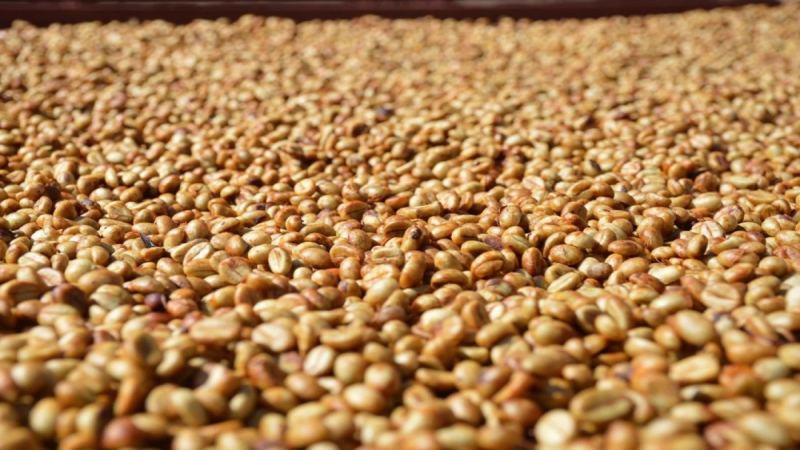
How Does the Honey Coffee Process Change Flavor?
Honey processing sits between natural and washed methods. After pulping, the mucilage stays on the bean during drying, so the coffee keeps the cleanliness of a washed lot while gaining pronounced sweetness and caramel notes from the sugar-rich mucilage. The method began in Costa Rica, where high-altitude areas faced water shortages.
Mucilage retention level separates yellow, red, and black honey, and each grade differs in drying duration, light exposure, management difficulty, and final flavor. Black honey retains the most mucilage and carries the heaviest sweetness. These handling differences help explain the highest coffee price tiers seen in the market and shape which honey lots suit newcomers.
The honey processing method sits between natural and washed processing, retaining the cleanliness of washed coffee while gaining more pronounced sweetness and caramel notes from the mucilage layer participating in drying. This processing method originated in Costa Rica in Central America and was initially linked to water shortages in high-altitude producing regions. Depending on the degree of mucilage retention, honey processing can be divided into three levels: yellow honey, red honey, and black honey, each with differences in drying duration, light conditions, management difficulty, and final flavor. This article will explore flavor characteristics, grading standards, mouthfeel performance, and price factors, and recommend two representative honey-processed coffee beans from Front Street Coffee for both beginner and advanced enthusiasts.
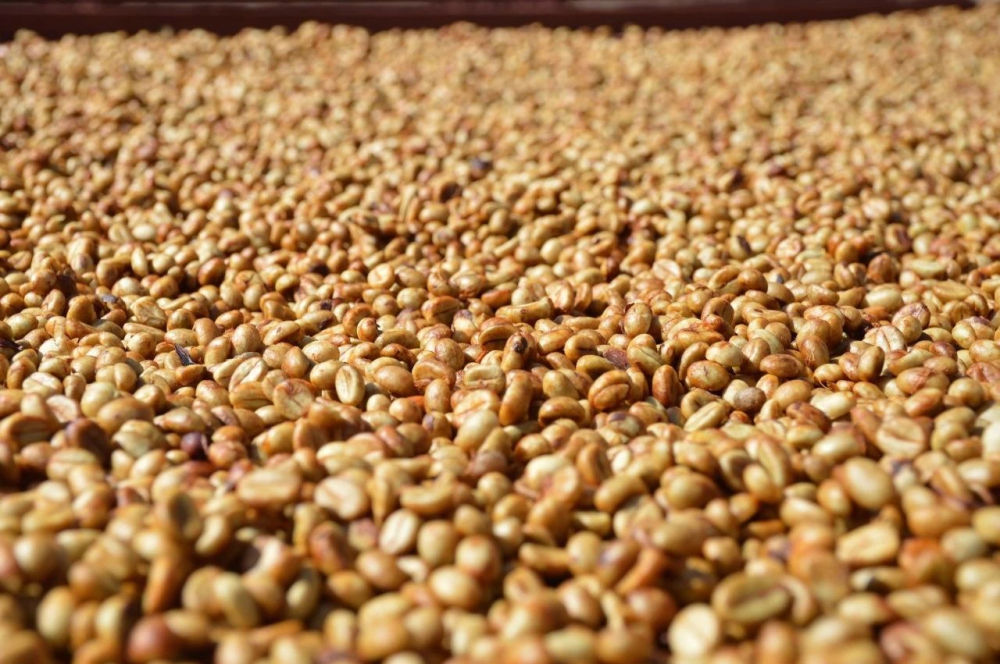
The honey processing method sits between the natural method and the washed method, and this processing method has been mentioned before. It allows coffee to retain the clean characteristics of the washed method, while because the mucilage dries together with the beans in the sun, the coffee's sweetness and caramel flavor are significantly enhanced—after all, the mucilage itself is extremely high in sugar. The honey processing method first originated in Costa Rica in Central America. At that time, some high-altitude areas in Central America lacked water resources, so after the coffee fruit was processed by a pulping machine, it went directly into the sun-drying stage with the mucilage still attached.
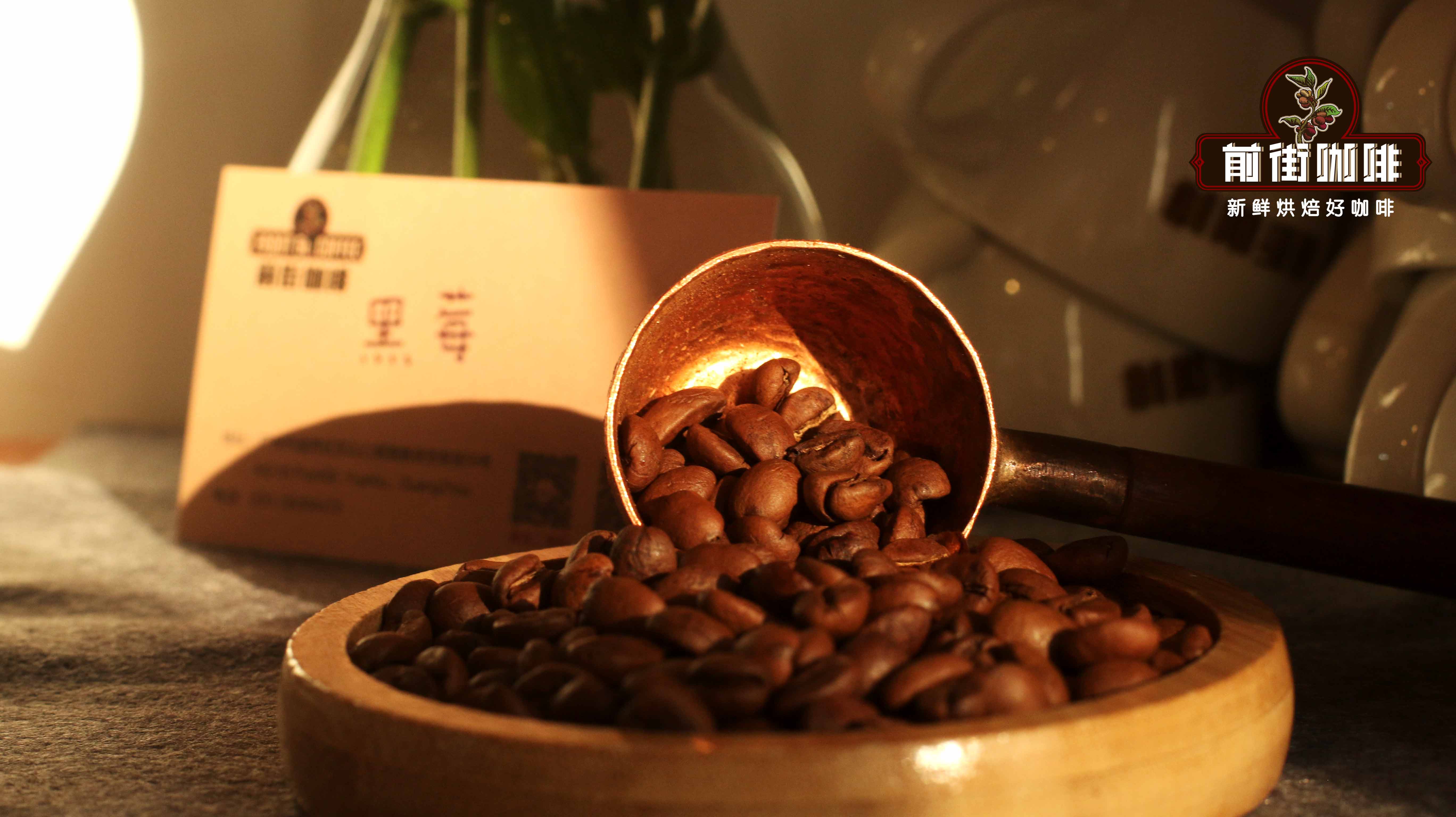
If you want to experience the classic flavor of honey-processed coffee, you can buy Front Street Coffee Costa Rica Blackberry. This coffee uses black honey processing and belongs to the floral-fruity aroma type. Its floral, grape, and berry aromas are clear, with a fresh and pleasant character. It is soft on the palate and quite friendly to newcomers just getting into coffee.
If you prefer a sweeter, more refreshing honey-processed coffee, Front Street Coffee Strawberry Candy would be a suitable choice. It is also honey-processed and contains the richly floral Geisha variety. The craft of retaining coffee mucilage for drying gives this bean a pleasant fermented sweetness in aroma and flavor, and after brewing you can sense notes of rose, grape, and dried blueberry.
Honey-processed coffee beans are divided into three levels according to the degree of mucilage retention, from most to least: yellow honey, red honey, and black honey.
Yellow (Honey Amarillo)
Yellow honey-processed green coffee beans receive the longest exposure to light. A long light exposure time means higher temperatures, so this type of coffee can complete drying within a week. Usually, the drying time of coffee depends on local climate, temperature, and humidity conditions.
Red (Honey Rojo)
The drying time for red honey-processed green coffee beans is two to three weeks, which is often related to weather conditions or being placed in the shade. If the weather is sunny, growers will shade part of the sunlight to shorten the light exposure time.
Black (Honey Negro)
Black honey-processed green coffee beans are placed in the shade to dry for the longest time and receive the shortest light exposure, with drying taking at least two weeks. The processing flow for black honey-processed green coffee beans is the most complex—a longer drying cycle means more time is needed for inspection to avoid mold or over-fermentation in the coffee beans, so labor costs are the highest and the price is also the most expensive.
In terms of mouthfeel, in addition to the increased sweetness mentioned earlier, yellow honey's texture is close to the bright purity of the washed method, black honey leans toward the rich fruity aroma and full body of the natural method, and red honey falls between the two. Of course, the above are only relatively common flavor descriptions. Roast level, brewing method, and the terroir (soil and microclimate conditions) of different estates will still bring differences in taste, and the rest is left for everyone to slowly taste and judge for themselves.
The above content is compiled by CoffeeHunters, a coffee news website.


