







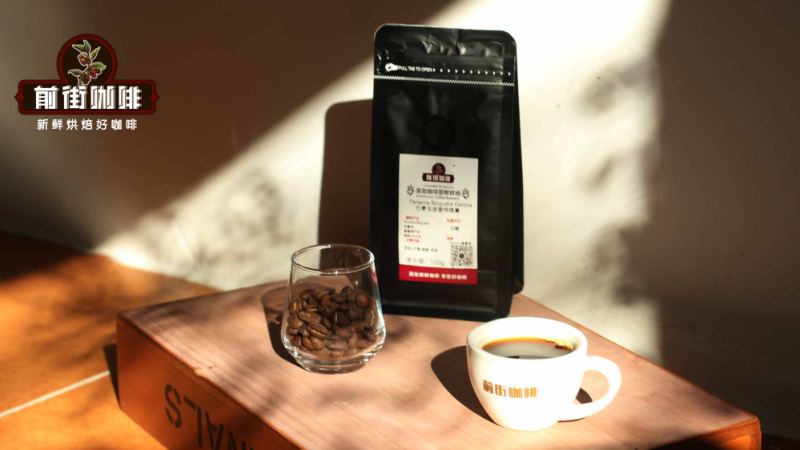
How Does Panamanian Geisha Compare to Costa Rican Honey-Processed Geisha?
Panamanian geisha from estates such as Boquete usually follows washed or natural processing, giving a clean, transparent cup with delicate floral and citrus notes. Costa Rican honey processing leaves some mucilage on the bean during drying, which pushes sweetness and fermentation complexity forward. The same variety, grown and processed in two countries, reads very differently in the cup.
Cupping and pour-over tests of a honey-processed Panamanian Boquete lot showed prominent floral notes, a clear citrus and lemon entry, a creamy texture, and a green tea finish with sugarcane sweetness. Three roast curves were compared before the third was chosen. Geisha itself traveled from its namesake geisha village in southwestern Ethiopia to Kenya and eventually to Panama, which is why regional processing now shapes it so strongly.
The Geisha variety displays vastly different flavor trajectories across different production regions. Panama has set a high-end benchmark with its exquisite washed and natural processing, while Costa Rica's honey processing gives Geisha a more pronounced sweetness and fermentation complexity. This article starts with a Panamanian Boquete honey-processed Geisha sourced by Front Street Coffee, documenting its specific expressions of floral notes, citrus, cream, and green tea finish through cupping and pour-over practice. It also traces the spread of Geisha from Ethiopia to Panama and compares the essential flavor differences between Costa Rican honey processing and traditional Panamanian processing methods, providing coffee enthusiasts with a complete tasting reference.
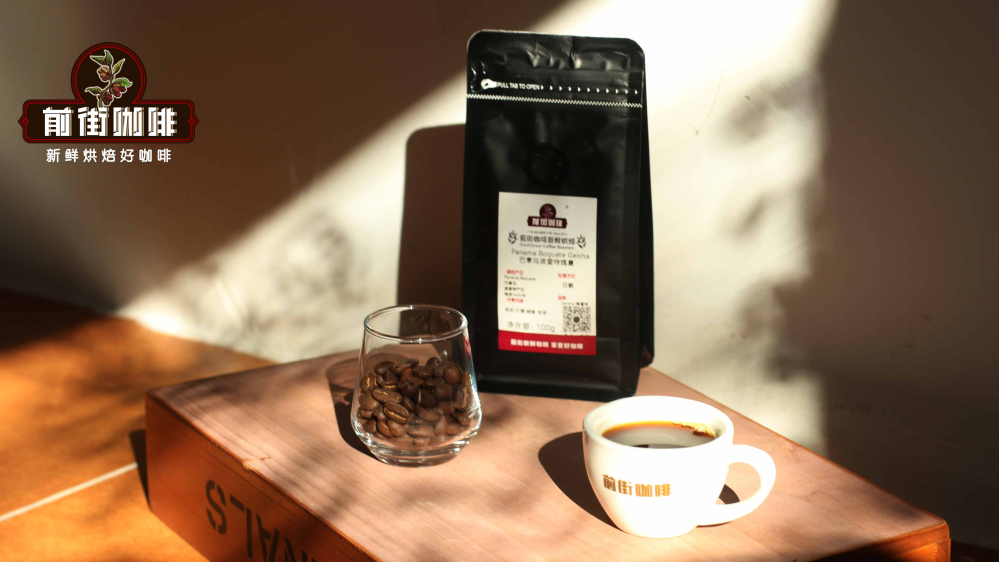
If asked where Geisha is most celebrated, most baristas' first answer would be Panama. Front Street Coffee's Emerald Estate Red Label and Front Street Coffee's Emerald Estate Green Label are the two most famous representatives, and are widely recognized reference standards for high-end Geisha. However, the Geisha variety shows its own unique flavor profile in different production regions: for those who prefer pronounced sweetness in Geisha, Front Street Strawberry Candy is a good choice—a honey-processed Geisha blend from Costa Rica. For those seeking a clean, transparent mouthfeel with delicate floral and fruity notes, Front Street Granada Geisha is highly recommended; produced in Ethiopia, the birthplace of coffee, it delivers layers of floral notes, apricot, and orange.
Front Street Coffee recently received a honey-processed Geisha, and today we'll talk about this bean. Geisha from Panamanian estates usually follows the traditional washed or natural route, so using honey processing feels more like an experimental attempt. As for how the flavor turned out, Front Street Coffee as usual compared three curves and ultimately settled on Curve 3. After brewing, the floral notes were quite prominent, with a clear citrus and lemon profile on entry, transitioning into a creamy, delicate texture and sweetness, and finishing with a green tea-like tea sensation and a sugarcane-like clean sweetness.
Origin of Geisha
1931: A group of botanists went to southwestern Ethiopia for an expedition, discovered the Geisha bean variety near Geisha Village, and brought Geisha seeds to Kenya, where they were planted and grown in a nursery.
1936: Geisha seeds were introduced to Uganda and Tanzania.
1953: Costa Rican research institution CATIE obtained some Geisha seeds from Tanzania for research.
1960: Pachi Serracin, the former owner of Panama's Don Pachi Estate, introduced Geisha from Costa Rica to Panama. After that, Panama's Emerald Estate separated it from other varieties and went on to win the national coffee competition championship.
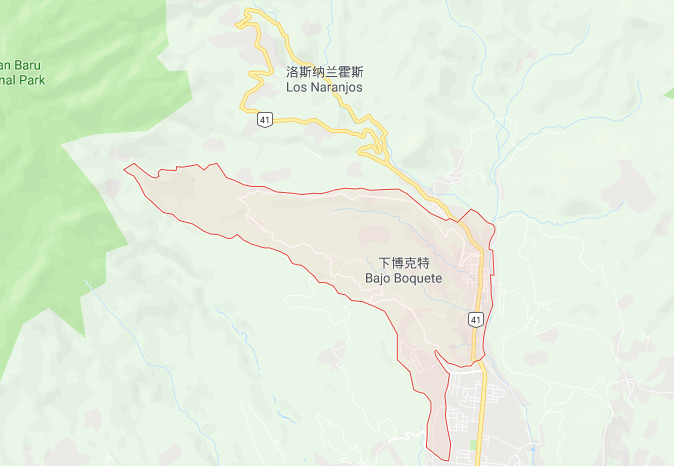
Panama Boquete Production Region
Panama is located in Central America, bordered by Costa Rica to the west and Colombia to the east. Most people with some exposure to single-origin coffee know that Panamanian coffee rose to fame in the coffee world precisely because of Emerald Estate's Geisha. It can be said that this is a country that is extremely particular about coffee quality and produces one excellent coffee after another. Boquete is a town under Chiriqui Province, located near the border between Panama and Costa Rica, adjacent to the famous Baru Volcano. It has beautiful scenery, deep and fertile soil, and both its climate and soil conditions are highly suitable for producing high-quality coffee.
Within the Boquete production region, there are also many excellent estates. In addition to the renowned Emerald Estate, there are a number of famous names such as Elida Estate and Kotowa Duncan Estate, all producing high-quality specialty coffee. Behind this are not only the superior ecological conditions of Panama's Boquete region and the fertile volcanic ash soil of Baru Volcano, but also a key factor: the microclimates of the Boquete highlands are a uniquely important resource for local specialty coffee. Panama's east-to-west topography causes cold air currents to converge along the central mountain range above 6,500 feet, creating multiple microclimates in the Boquete area. Temperature and rainfall are both very suitable for plant growth, so the coffee trees here grow exceptionally well.
Processing Method
The processing method used for this Front Street Panama Boquete Geisha is honey processing. Honey processing is a method of producing green beans by retaining the mucilage and drying them in the sun. After the outer fruit pulp of the coffee cherry is removed, a sticky, gelatinous layer remains on the surface. Traditional washed processing uses clean water to wash it off, but some high-altitude origins are limited by water resources, so this method of drying directly with the mucilage was developed. Honey-processed beans require good ventilation during the drying stage; otherwise, the residual mucilage is prone to fermentation or mold, producing off-odors. The difference in mouthfeel between honey processing and washed processing is that, at the same roast level, honey-processed coffee has higher sweetness, higher sugar content, and relatively more pronounced body.
FrontStreet Coffee Green Bean Analysis
The variety of this Front Street Panama honey-processed bean is Geisha. The green beans show the typical appearance of honey-processed coffee beans, appearing yellow-green; they smell with an apple-like fresh fragrance. Geisha coffee belongs to the original Typica group within the Arabica species and is extremely demanding regarding its growing environment, requiring high altitude, cloud cover for shade, fertile soil, and sufficient accumulated heat.
FrontStreet Coffee Roasting Analysis
Bean charging temperature 170°C, turning point at 5'25", first crack began at 8'37" at 182.5°C, first crack development 1'28" then discharged, temperature 190.5°C.
Agtron bean color value 82.6 (left image), Agtron pink value 90.3 (right image), Roast Delta value 7.7.
FrontStreet Coffee Cupping
When slurping, one can perceive flavors of lemon, plum, sweet orange, and cream, accompanied by jasmine floral notes and fermentation aroma, with an oolong tea-like tea sensation in the finish.
Product name: Front Street Panama Boquete Honey-Processed Geisha
Country: Panama
Region: Boquete
Processing method: Honey processing
Altitude: 1,600-1,650 meters
Variety: Geisha
FrontStreet Coffee Pour-Over Parameters Water temperature: 90°C; medium-fine grind: BG-6L (80% passing through Chinese standard No. 20 sieve); dripper: Hario V60; coffee-to-water ratio: 1:15.
FrontStreet Coffee Technique: staged extraction. Use 35 grams of water for a 30-second bloom, pour to 130 grams and pause, then when the water level drops and is about to expose the coffee bed, continue pouring to 230 grams and pause; when the water level drops and is about to expose the coffee bed, remove the dripper. (Timing starts at the beginning of the bloom.) Total extraction time is two minutes.
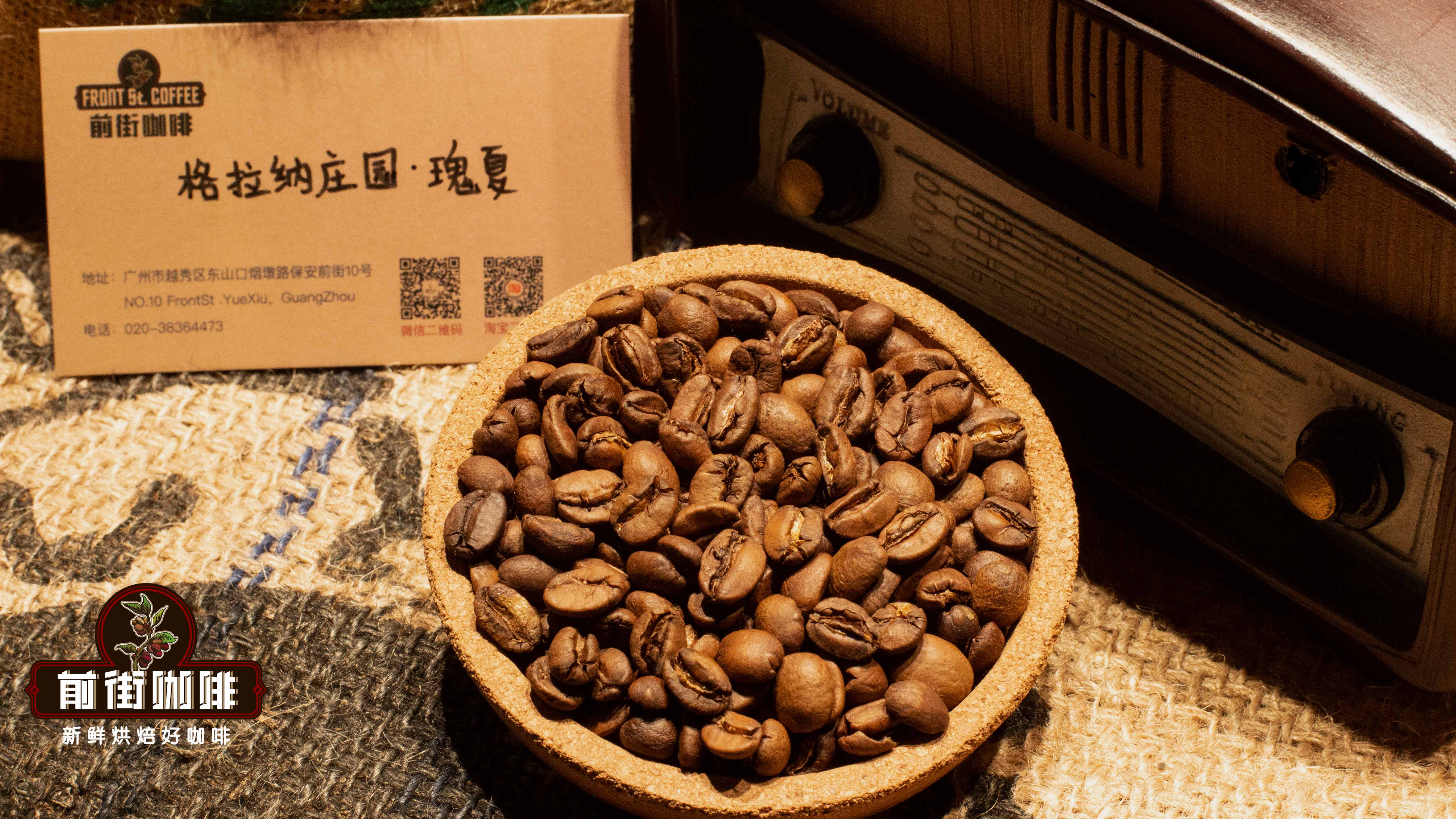
Flavor description: Smells of fermentation aroma and floral notes; on entry, it presents citrus and lemon acidity; in the mid-palate, creamy sweetness emerges; the finish has a green tea tea sensation, accompanied by a sugarcane- and honey-like sweet aftertaste.
The above content is compiled by CoffeeHunters, a coffee news website.


